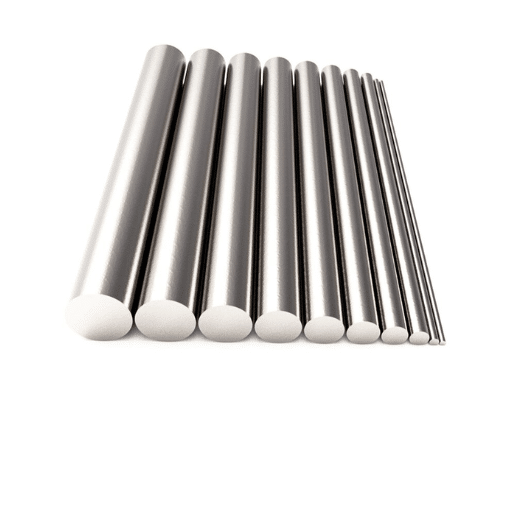
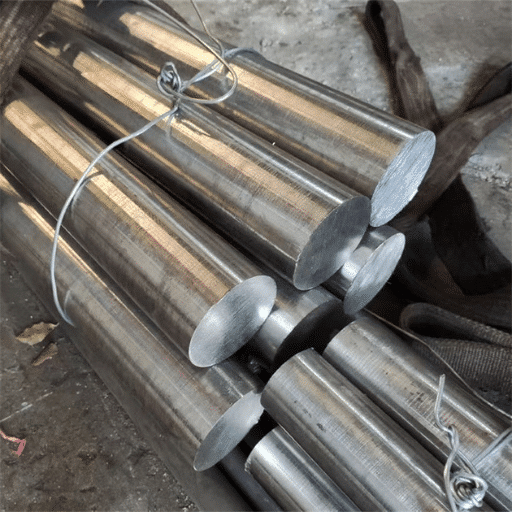
Grade 2 titanium is commercially pure (CP) titanium, UNS R50400, and the most widely used CP grade in the industry. It balances moderate strength (345 MPa minimum tensile strength) with outstanding corrosion resistance, excellent weldability and formability, and a density of about 4.51 g/cm3, roughly 45% lighter than steel. For seawater, chemical processing, desalination, and heat exchanger service, grade 2 titanium is frequently the default material.
Most engineers first encounter titanium in its alloy form, Ti-6Al-4V, the metal in jet engines and the iPhone 15 Pro frame. But the titanium that quietly does the heavy lifting in chemical plants, offshore platforms, and desalination facilities is usually grade 2, a pure, unalloyed material chosen for corrosion resistance and ease of fabrication rather than raw strength.
Consider Miguel, a process engineer at a chlor-alkali plant. His heat exchanger tubes corroded through in under two years despite using 316L stainless steel, because hot chlorides are exactly what molybdenum-bearing stainless struggles against. He compared the titanium vs stainless steel corrosion behavior, then switched to grade 2 titanium tubing. The exchanger has run for six years without a single leak.
This guide covers what grade 2 titanium is, its properties, standards, applications, fabrication, and 2026 pricing, so you can decide whether CP titanium fits your project and how to specify it.
Key Takeaways
- Grade 2 titanium is commercially pure titanium (UNS R50400) and the most widely used CP grade, offering the best practical balance of corrosion resistance, formability, weldability, and cost.
- It provides 345 MPa minimum tensile strength at a density of 4.51 g/cm3, about 45% lighter than steel, with corrosion resistance that beats many stainless steels in seawater and chloride service.
- Grade 2 is effectively immune to seawater and chloride pitting, corroding at roughly 0.0005 mm/year in ambient seawater.
- It is the preferred titanium for chemical processing, desalination, heat exchangers, and marine systems, where its thermal conductivity (16-22 W/m·K) also aids heat transfer.
- In 2026, grade 2 titanium costs about $7-25/kg depending on form, region, and certification, typically 30-50% less than grade 5 alloy.
What Is Grade 2 Titanium (CP Titanium)?

Grade 2 titanium is a commercially pure titanium grade containing at least 99.2% titanium. The term “commercially pure” means the metal is not deliberately alloyed. Instead, small amounts of iron and oxygen, which are naturally present, control its strength and ductility.
It is the most widely used CP titanium grade because it delivers a better balance of properties than its siblings. Grade 1 is softer and more formable, while Grades 3 and 4 are stronger but harder to work. Grade 2 sits in the middle: strong enough for most industrial service, yet easy to weld and form. Buyers often call it the workhorse of the titanium family.
Chemical Composition of Grade 2 Titanium
| Element | Composition (wt%) |
|---|---|
| Titanium (Ti) | Balance (99.2% min) |
| Iron (Fe) | 0.30% max |
| Oxygen (O) | 0.25% max |
| Carbon (C) | 0.08% max |
| Nitrogen (N) | 0.03% max |
| Hydrogen (H) | 0.015% max |
These limits follow ASTM B265, the standard for titanium sheet, strip, and plate. Oxygen matters most. Small increases raise strength but reduce ductility and toughness, which is why Grade 2 allows slightly more oxygen (0.25%) than Grade 1 (0.18%) and gets a little more strength in return.
Other Names You Will See
Grade 2 titanium travels under several designations. UNS R50400 and Werkstoff number 3.7035 are the standard reference numbers, ASTM B265 covers flat products, and aerospace buyers know it by AMS 4902. Chinese mills call it TA2.
Whichever label appears on a datasheet or mill test certificate, it refers to the same material. Our titanium properties guide explains the full grade family.
Grade 2 Titanium Properties at a Glance
The titanium grade 2 properties below reflect annealed grade 2 titanium and follow ASTM and common supplier data, including the figures in Alleima’s Ti Grade 2 datasheet.
Physical Properties
| Property | Value |
|---|---|
| Density | 4.51 g/cm3 |
| Melting point | about 1,668°C |
| Elastic modulus | 100 – 112 GPa |
| Thermal conductivity | 16 – 22 W/m·K |
| Magnetic response | Non-magnetic (paramagnetic) |
| Machinability rating | about 75% |
Two numbers stand out for engineers. At 4.51 g/cm3, the grade 2 titanium density is about 45% lighter than steel, so a titanium component weighs less than half as much as an equivalent steel part. Its thermal conductivity of roughly 17 W/m·K is several times higher than that of grade 5 titanium, which is one reason grade 2 dominates heat exchanger tubing.
Mechanical Properties
| Property | Value |
|---|---|
| Tensile strength (min) | 345 MPa (50 ksi) |
| Tensile strength (typical) | 345 – 485 MPa |
| Yield strength (min) | 275 MPa (40 ksi) |
| Yield strength (typical) | 275 – 410 MPa |
| Elongation (min) | 20% |
| Hardness | 120 – 200 HB |
| Fatigue strength | about 240 MPa |
Grade 2 titanium is roughly comparable in strength to 6061-T6 aluminum while being about 45% lighter than steel. It isn’t a high-strength material by steel standards, and it can’t be hardened by heat treatment.
For load-bearing or fatigue-critical applications, buyers usually step up to grade 5. For corrosion service with moderate stresses, grade 2 is often the smarter, lower-cost choice. Our titanium grade 2 vs grade 5 comparison walks through the full trade-off.
Grade 2 vs Other Titanium Grades

Titanium comes in two families: commercially pure (CP) grades and alloys. Grade 2 is the most-used CP grade, but buyers frequently compare it with Grade 1 and Grade 5. The titanium grades chart from RivCut shows the full family at a glance.
Grade 1 vs Grade 2
Grade 1 is the softest and most ductile titanium, with oxygen held to 0.18% maximum. It offers maximum formability and is favored for deep drawing and complex shapes.
Grade 2 allows a little more oxygen, which raises strength by about 25% while keeping excellent ductility. For most industrial work, Grade 2 is the better balance. Choose Grade 1 only when maximum cold formability is the deciding factor.
Grade 2 vs Grade 5 (Ti-6Al-4V)
Grade 5 is the alpha-beta alloy containing 6% aluminum and 4% vanadium. It is roughly 2.5 to 3 times stronger than grade 2, at nearly identical density, so it wins decisively on strength-to-weight ratio, fatigue life, and hardness.
Grade 2 wins on corrosion resistance in many aggressive environments, on formability, on weldability, and on cost. It is typically 30-50% cheaper in raw material, and finished parts cost even less because it machines and welds faster. When corrosion is the enemy and stresses are moderate, grade 2 is frequently the better buy.
Standards & Specifications for Grade 2 Titanium
If you are buying grade 2 titanium, you will encounter the standards below. Each covers a specific product form, and a supplier’s mill test certificate should cite them.
| Standard | Product Form | Notes |
|---|---|---|
| ASTM B265 | Sheet, strip, and plate | Most common for flat products |
| ASTM B348 | Bar and billet | Rounds, flats, and billets |
| ASTM B861 | Seamless pipe and tube | Tubular products |
| ASTM B862 | Welded pipe and tube | Welded tubular products |
| ASTM B338 | Heat exchanger tubing | Seamless and welded condenser tubes |
| ASTM F67 | Surgical implant grade | Unalloyed titanium for implants |
| AMS 4902 | Sheet, strip, and plate | Aerospace designation |
| ISO 5832-2 | Surgical implants | International medical standard |
| EN / UNS | 3.7035 / R50400 | European and US designations |
For critical applications, request a mill test certificate (MTC) that confirms chemistry and mechanical properties match the specified standard. Traceability matters in medical, aerospace, and high-spec industrial work. If you need help interpreting a specification or selecting a form, our technical consultation team can review your requirements.
Grade 2 Titanium Corrosion Resistance
Grade 2 titanium resists corrosion because a stable, self-healing titanium dioxide (TiO2) film forms instantly on its surface. If the film is scratched or damaged, it re-forms in the presence of oxygen or water. This passive layer makes grade 2 titanium one of the most corrosion-resistant metals available.
In ambient seawater, grade 2 titanium corrodes at roughly 0.0005 mm/year, a rate so low it is often described as immune. It resists chloride pitting, crevice corrosion, and stress corrosion cracking, and it remains fully resistant to seawater at temperatures up to about 300-315°C. It also handles dilute oxidizing acids, organic acids, alkaline solutions, and inorganic salts.
There are limits. Hydrofluoric acid breaks down the oxide film, and hot concentrated reducing acids attack the metal. Fluoride solutions, pure oxygen, and anhydrous chlorine are also problematic. Titanium can also suffer hydrogen embrittlement if hydrogen pickup occurs during processing or service, which is why fabrication controls are important.
Because this corrosion behavior so often beats 316L stainless steel in chloride service, engineers frequently compare the two. Our titanium vs stainless steel comparison covers the broader trade-offs.
Grade 2 Titanium Applications by Industry
Grade 2 titanium earns its keep in environments where corrosion resistance, light weight, and fabrication ease matter more than raw strength.
Chemical Processing
Pipes, tanks, reactor vessels, and heat exchangers in acid-resistant systems are a core use. Hot chlorides, which pitting-corrode 316L stainless steel, are a common application for grade 2 titanium.
Marine, Offshore, and Desalination
Seawater systems, hull parts, cooling circuits, fire water and ballast water lines, and desalination plant heat exchanger tubing and pressure vessels all use grade 2 titanium. Its near-immune seawater performance makes it a standard material for these industries.
Power Generation and Energy
Condensers, process equipment, and shell materials that need low weight plus corrosion resistance rely on grade 2 titanium. Geothermal wells use it for heat exchangers, tubing, and casing exposed to high-salinity brines.
Medical and Instrumentation
Because it is biocompatible and non-toxic, grade 2 titanium appears in surgical instruments, pacemaker cases, and non-load-bearing implants specified under ASTM F67 and ISO 5832-2.
Other Industrial Uses
HVAC systems use titanium tubes in chlorinated fluids, pulp and paper plants use it in chloride-bleaching environments, and cryogenic vessels take advantage of its toughness at low temperature.
If you are evaluating grade 2 titanium against stainless steel for a marine or chemical application, our technical team can help you compare the trade-offs, including stainless steel alternatives we supply.
Fabrication: Welding, Forming & Machining CP Titanium

One reason grade 2 titanium is so widely used is that it fabricates far more easily than titanium alloys.
Welding Grade 2 Titanium
Grade 2 titanium welding is one of its best features. It welds with TIG, MIG, and electron beam processes under inert-gas shielding, and correctly welded joints match the parent metal’s mechanical properties. The recommended filler is ERTi-2 under AWS A5.16.
Because grade 2 has a wide welding window and stays ductile, it needs little post-weld treatment. Keep the weld area clean and shielded, because molten titanium absorbs oxygen and nitrogen, but the process tolerance is far more forgiving than with grade 5.
Forming Grade 2 Titanium
Grade 2 titanium cold forms exceptionally well. It bends without cracking and suits deep drawing and general fabrication.
It isn’t hardenable by heat treatment, so you can’t strengthen it after forming, but for most corrosion-service components that isn’t a requirement. If your project involves cutting or forming, custom processing services can handle the fabrication stage.
Machining Grade 2 Titanium
Machinability is rated at about 75%, which is good for titanium. The metal is soft enough to cut well, but it tends to gall and smear, a “gummy” behavior that calls for sharp tools and effective cooling. Compared with grade 5, tool wear is lower and machining is noticeably faster, which is a large part of why finished grade 2 parts cost less.
Grade 2 Titanium Cost & 2026 Market Context
The grade 2 titanium price is consistently among the lowest of any titanium grade, which is one reason it is so widely specified.
2026 Price Snapshot
| Product Form | 2026 Price (approx.) |
|---|---|
| CP grade 2 ingot, CIF | $11.50 – 12.50/kg |
| Industrial grade, export (FOB China) | $7.80 – 8.50/kg |
| Sheet, plate, bar (regional average) | $15 – 22/kg |
| Welded tube (ASTM B338) | $13.60 – 18.30/kg |
| Seamless tube (ASTM B861) | $16 – 25/kg |
| Aerospace-certified material | up to $66/kg |
These figures are a snapshot from mid-2026 and move with market conditions, which HonTitan’s 2026 titanium market outlook tracks in detail. Regional averages run about 15/kginAsia,15/kginAsia,18-20/kg in Japan and Europe, and $22/kg in the US for certified material. Demand drivers include desalination, marine, and chemical processing investment.
The practical lesson for buyers is to compare cost per part, not just price per kilogram. Because grade 2 titanium welds and machines quickly, its finished-part cost advantage over grade 5 is even larger than the raw material gap. Our titanium vs stainless steel cost analysis compares titanium against the stainless grades most buyers also consider.
How to Buy Grade 2 Titanium
Before you request a quote, decide on the basics.
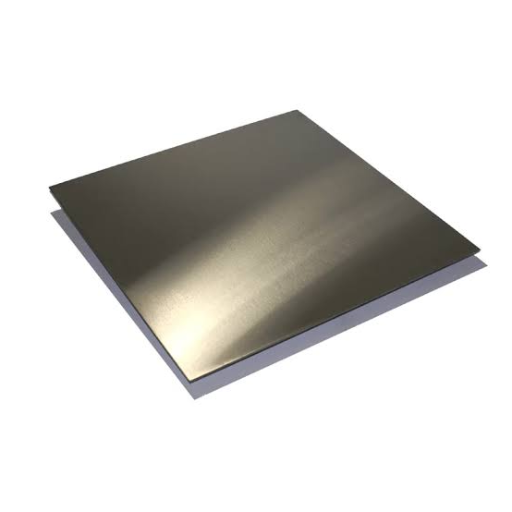
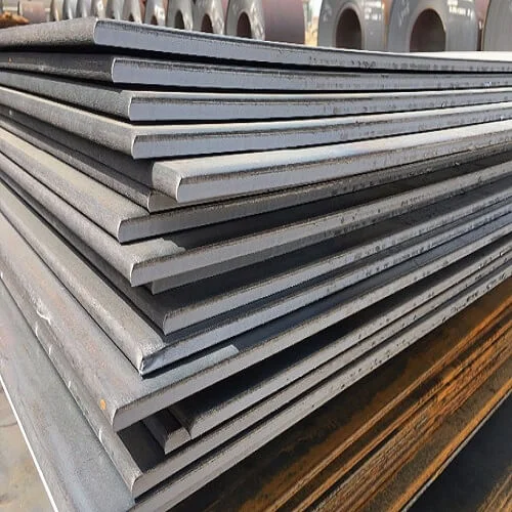
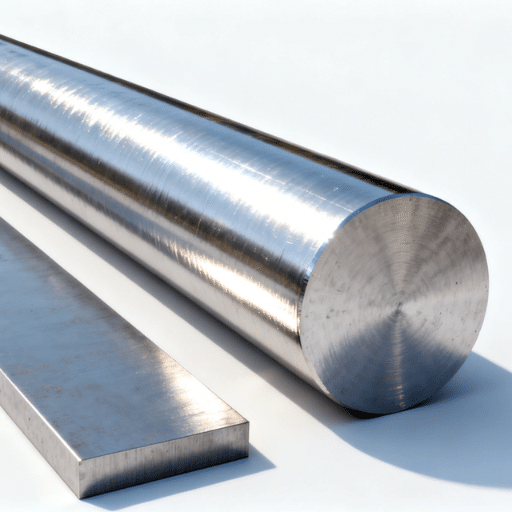
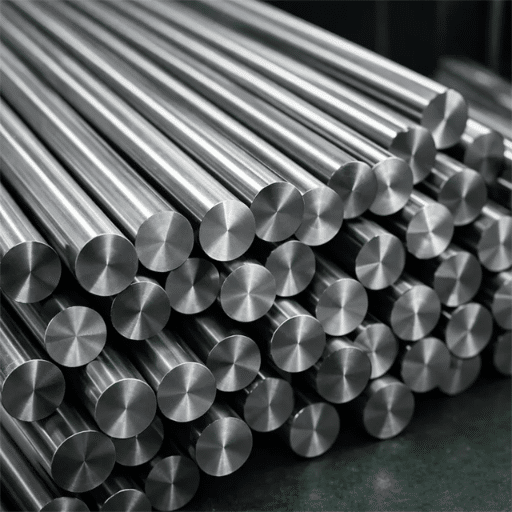
- Product form. Grade 2 titanium sheet, grade 2 titanium plate, and grade 2 titanium bar are the most common procurement forms; coil, rod, billet, pipe, and tube are also available. Each has its own standard.
- Specification. ASTM, AMS, or ISO, depending on your industry and final use.
- Dimensions and finish. Size, tolerance, and any surface treatment.
- Certification. Request a mill test certificate with full chemistry and mechanical test results.
Not every supplier carries titanium, and its supply chain is tighter than for stainless steel. LIANYUNGANG DAPU METAL supplies stainless steel, nickel alloy, copper alloy, aluminum alloy, galvanized steel, and carbon steel across sheets, plates, coils, rods, and pipes.
If your project needs a corrosion-resistant stainless steel alternative to titanium, our 316 stainless steel products and stainless steel pipes are stocked for global delivery. For marine and chemical service, 316L stainless steel offers strong chloride resistance at lower cost than titanium, though grade 2 titanium wins outright in hot chlorides and long seawater exposure. Our 316 stainless steel guide explains the grade in detail.
Frequently Asked Questions
Is grade 2 titanium magnetic?
No. Grade 2 titanium is paramagnetic and effectively non-magnetic. If a strong magnet sticks to a part labeled titanium, it is likely steel or contaminated with iron from tooling. See if titanium is magnetic.
Is grade 2 titanium strong enough?
For corrosion service with moderate stresses, yes. Grade 2 titanium delivers 345 MPa minimum tensile strength and 275 MPa minimum yield strength, comparable to 6061-T6 aluminum at about 45% the weight of steel. For load-bearing or fatigue-critical applications, grade 5 is the stronger choice.
Is grade 2 titanium corrosion resistant?
Yes. Its self-healing titanium dioxide film makes it effectively immune to seawater and chloride pitting, with a corrosion rate near 0.0005 mm/year in ambient seawater. It resists dilute oxidizing acids, organic acids, and alkaline solutions, but not hydrofluoric acid or hot concentrated reducing acids.
Can grade 2 titanium be welded?
Yes, and this is one of its strengths. Grade 2 titanium welds with TIG, MIG, and electron beam processes under inert-gas shielding, with ERTi-2 filler, and welds retain parent-metal properties with minimal post-weld treatment.
Is grade 2 titanium biocompatible?
Yes. It is non-toxic, corrosion-resistant, and bioinert, making it suitable for surgical instruments and non-load-bearing implants under ASTM F67 and ISO 5832-2.
What is the difference between grade 1 and grade 2 titanium?
Both are commercially pure. Grade 1 has lower oxygen (0.18% max) and is softer and more formable. Grade 2 allows 0.25% oxygen, giving about 25% more strength while keeping excellent ductility, which is why Grade 2 is the more common industrial choice.
What is the difference between grade 2 and grade 5 titanium?
Grade 2 is commercially pure; grade 5 is the Ti-6Al-4V alloy. Grade 5 is roughly 2.5 to 3 times stronger with better fatigue life, while grade 2 wins on corrosion resistance, formability, weldability, and cost. See titanium grade 2 vs grade 5 for the full comparison.
Conclusion
Grade 2 titanium is the workhorse of the commercially pure titanium grades for a clear reason. It balances corrosion resistance, formability, weldability, and cost better than any other CP grade, which is why it appears throughout chemical plants, desalination facilities, marine systems, and heat exchangers.
The key decisions come down to three questions. Is the environment corrosive, especially in seawater or chlorides? Grade 2 titanium is a leading candidate. Are stresses moderate and fabrication ease important? Grade 2 wins again.
Do you need high strength-to-weight or fatigue resistance? Then step up to grade 5, or consider a stainless steel like 316L where budget and lead time matter.
Always compare total cost per part, not just price per kilogram, and specify your form, standard, and certification before ordering.
If you are evaluating materials for your next project, our team can help you weigh grade 2 titanium against stainless steel options. Contact us for material selection guidance, standards support, or a quote on the metals we supply. We work with engineers and procurement teams to choose the material that performs, meets the standard, and fits the budget.