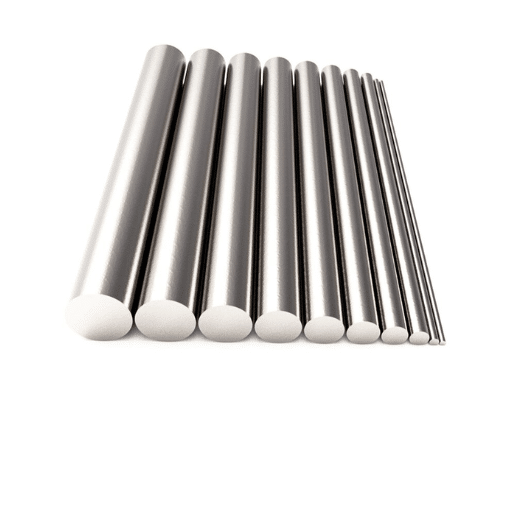
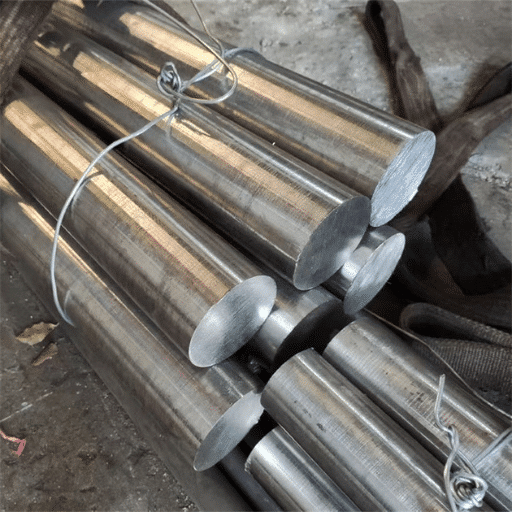
Titanium is more expensive than stainless steel. In 2026, Grade 2 titanium costs roughly 22−22−66 per kg, while 304 stainless steel costs about 2.40−2.40−6.20 per kg. The real question for procurement teams is not which metal has the lower catalog price. It is which one costs less over the life of the part.
That 5-10x raw-material gap surprises buyers who are new to the comparison. What they often miss is how density, machining speed, tool wear, and lifecycle value change the math. A lighter titanium bracket can cut fuel or handling costs enough to pay back the material premium. A 316L stainless steel tank can deliver decades of service without the titanium upcharge.
In this guide, you’ll learn how titanium vs stainless steel cost breaks down from raw material to finished part. You’ll see current 2026 price ranges for common grades, understand why titanium is priced higher, and learn when each metal is the better investment. For the broader material comparison, read our guide to titanium vs stainless steel.
Key Takeaways
- Titanium raw material costs 5-10x more per kg than 304 or 316L stainless steel; finished parts often cost 2.5-6x more.
- Titanium is ~44% lighter than stainless steel, so thin-wall or large-area parts offset some of the material premium.
- Machining titanium is slower and wears tools faster, adding 30-100% to processing costs.
- Titanium is worth the premium when weight, corrosion resistance, biocompatibility, or lifecycle fuel savings matter.
- Stainless steel remains the smarter buy for cost-sensitive structural parts, food and pharma equipment, and high-volume production.
Titanium vs Stainless Steel Cost: At-a-Glance Comparison

The fastest way to understand titanium cost per kg vs stainless steel is to compare common grades side by side.
| Material | Grade | Density (g/cm³) | Price per kg (USD) | Price per lb (USD) |
|---|---|---|---|---|
| Titanium | Grade 2 (commercially pure) | 4.5 | 22−22−66 | 6.50−6.50−12 |
| Titanium | Grade 5 (Ti-6Al-4V) | 4.4 | 55−55−120 | 15−15−55 |
| Stainless Steel | 304 | 7.9 | 2.40−2.40−6.20 | 1.10−1.10−2.80 |
| Stainless Steel | 316L | 7.9 | 3.50−3.50−6.50 | 1.60−1.60−3.00 |
| Stainless Steel | 904L | 8.0 | 6−6−12 | 2.70−2.70−5.50 |
Prices are 2026 estimates for mill quantities and can shift with alloy surcharges, order size, and certification requirements. Use them as a starting point for budgeting, not as final quotes.
Because titanium is roughly 44% lighter than stainless steel, the per-kg gap overstates the cost difference for parts sold by volume. A bracket that needs 1 kg of 316L stainless steel by volume would need only about 0.57 kg of titanium. That density advantage is why aerospace and motorsport buyers still specify titanium even when the sticker price looks high.
Need accurate landed costs for your project? Contact LIANYUNGANG DAPU METAL for a material selection consultation or request a quote.
Why Titanium Costs More: Raw Material Economics
When buyers compare titanium vs stainless steel price, they usually start with raw material quotes. Several upstream factors explain the gap.
Ore Scarcity and Extraction
Titanium comes from rutile and ilmenite ores. Although titanium is the ninth most abundant element in the earth’s crust, the ores that are economical to refine are less common than iron ore. Mining and concentrating these ores adds cost before the metal ever reaches a mill.
The Kroll Process
Most titanium sponge is produced through the Kroll process. The metal is reduced from titanium tetrachloride using magnesium at high temperature. The process is energy-intensive and batch-based, which limits output and keeps prices high. According to Ulbrich, titanium extraction and refining consume far more energy per kilogram than steelmaking.
Nickel and Chromium Surcharges
Stainless steel prices move with nickel and chromium markets. When nickel spikes, 304 and 316L prices rise too. Even so, stainless steel generally stays well below titanium because the base production route, electric-arc melting and continuous casting, is far more efficient.
Grade Purity and Certification
Aerospace, medical, and nuclear buyers often need certified melts with full traceability. Grade 5 titanium for aircraft or implants requires vacuum arc remelting and detailed mill test certificates. Those quality steps add cost but are necessary for safety-critical applications.
Titanium vs Stainless Steel Machining Cost and Manufacturing

Raw material is only the first line on the quote. Several factory-floor factors drive the titanium vs steel cost manufacturing gap.
Machining and Tooling
Titanium work-hardens quickly and conducts heat poorly. Heat stays at the cutting edge instead of moving away with the chip. As a result, cutting speeds for titanium typically run at 70-150 surface feet per minute (SFM), while 304 stainless steel can run at 250-350 SFM. Slower speeds mean longer cycle times and fewer parts per shift.
Tool wear is also higher. Carbide inserts used on titanium often last one-half to one-third as long as the same inserts used on stainless steel. Frequent tool changes raise both tooling cost and machine downtime. Team MFG notes that these machining differences are a major reason titanium finished-part costs are several times higher than stainless steel.
Forming and Fabrication
Titanium has a higher springback than stainless steel. Press-brake forming and sheet-metal bending need special tooling and more trial runs to hold tolerances. Laser cutting is possible on both metals, but titanium requires tighter gas purity and slower cut speeds to avoid edge contamination.
Welding and Joining
Stainless steel welds readily with standard TIG or MIG equipment. Titanium demands an inert environment. Welders must back-purge with argon to prevent oxidation and embrittlement. That adds setup time, gas cost, and inspection steps.
Inspection and Scrap
Titanium parts for aerospace or medical use often require X-ray, ultrasonic, or dye-penetrant inspection. Scrap rates can also be higher because the material is less forgiving of programming errors. A mistake on a titanium workpiece is more expensive than the same mistake on a stainless steel blank.
Mini-Story: The Aerospace Bracket
In 2024, Rachel, a buyer at an aerospace components firm, had to choose between 316L stainless steel and Grade 5 titanium for a mounting bracket. The titanium part cost four times as much, but it cut weight by 40%. Over the aircraft’s service life, the fuel savings justified the upcharge. For her customer, the premium was not a cost. It was an investment in performance.
Total Finished-Part Cost Comparison
Putting material and manufacturing together, a finished titanium part typically costs 2.5-6 times more than an equivalent stainless steel part. Complex aerospace or medical components can reach 10-20 times the stainless steel price.
A Practical Example
Imagine a machined bracket with the following rough estimates:
- Material: 1 kg of 316L stainless steel at 5/kg=5/kg=5
- Material: 0.57 kg of Grade 5 titanium at 80/kg=80/kg=45.60
- Machining stainless steel: 2 hours at 80/hour=80/hour=160
- Machining titanium: 3.5 hours at 100/hour=100/hour=350 (slower speed plus tool replacement)
In this simplified case, the titanium bracket costs about 395versus395versus165 for stainless steel. The ratio is roughly 2.4x. Add inspection, finishing, and scrap, and the multiplier climbs.
When the Premium Shrinks
The titanium premium is smallest when weight is the main driver of material use. Thin-wall tubing, large sheet panels, and aerospace brackets benefit most because a small weight reduction creates large downstream savings. For solid, heavy parts where volume is fixed, stainless steel usually wins on price.
When Titanium Is Worth the Extra Cost
Titanium justifies its price in applications where its unique properties translate into measurable value.
Aerospace Weight Savings
Every kilogram saved in an aircraft reduces fuel burn over thousands of flight cycles. A titanium bracket that costs more upfront can save more in fuel than it cost to buy. That is why airframes, engine components, and fasteners often use Grade 5 titanium.
Medical Implants
Titanium is biocompatible and bonds well with bone. It also resists the saline environment inside the body better than most stainless steels. For orthopedic implants, dental fixtures, and surgical tools, the extra cost is non-negotiable.
Mini-Story: The Implant Engineer
Tom, an engineer at a medical device company, specified Grade 5 titanium for an orthopedic implant. The material cost was higher, but biocompatibility and fatigue life were requirements he could not compromise. Regulatory approval also favored titanium’s long track record in the human body.
Marine and Offshore Corrosion Resistance
Titanium resists seawater corrosion far better than 316L stainless steel. In desalination plants, offshore platforms, and marine hardware, titanium parts can last decades with little maintenance. The avoided replacement cost offsets the higher first cost.
Exhaust Systems and Motorsport
Titanium exhaust systems save weight and handle high temperatures. Racing teams and performance automotive builders accept the premium because the weight reduction improves lap times and handling. For street cars, the decision depends more on budget and aesthetics.
Long Lifecycle and Low Maintenance
When access for repair is expensive, titanium can be cheaper over the full lifecycle. Satellites, subsea equipment, and remote chemical plants use titanium because replacing a failed stainless part would cost far more than the original material savings.
When Stainless Steel Is the Smarter Buy

Stainless steel is the default choice for most industrial applications because it balances performance, fabricability, and cost.
Cost-Sensitive Structural Parts
For frames, brackets, tanks, and housings where weight is not critical, stainless steel delivers adequate strength at a much lower price. The savings multiply across large production runs.
Food, Pharmaceutical, and General Industrial Equipment
316L and 304 stainless steels meet hygiene standards for food processing, brewing, dairy, and pharmaceutical equipment. They are easy to clean, weld, and repair. For more detail on this grade, see our 316 stainless steel guide.
Easy Welding and Repair
Stainless steel parts can be welded, polished, and reworked with standard shop equipment. Titanium repairs often require specialized shops. If long-term serviceability matters, stainless steel is the safer budget choice.
High-Volume Production
When material cost dominates the part price, titanium rarely makes sense. Appliances, automotive trim, architectural panels, and consumer goods rely on stainless steel because millions of units would be prohibitively expensive in titanium.
Mini-Story: The Chemical Processor
Maria, a procurement manager at a chemical processor, compared 316L stainless steel with titanium for a storage tank. Corrosion resistance was adequate with 316L, and the titanium premium could not be justified. She saved the project budget without sacrificing performance.
2026 Price Trends and Procurement Considerations
Global metal markets are volatile, but several trends shape titanium vs stainless steel price planning in 2026.
Current 2026 Price Ranges
- Grade 2 titanium: 22−22−66/kg, with certified aerospace melts at the upper end.
- Grade 5 titanium: 55−55−120/kg, depending on specification and quantity.
- 304 stainless steel: 2.40−2.40−6.20/kg, driven by nickel surcharges.
- 316L stainless steel: 3.50−3.50−6.50/kg.
- 904L stainless steel: 6−6−12/kg for specialized corrosion applications.
For a deeper look at 304 stainless steel price per kg and grade properties, read our 304 stainless steel guide.
Order Volume Impact
Mill minimums, freight, and processing fees shrink per-kilogram costs as order size grows. A 1-ton order will usually get a better price per kg than a 100-kg order. Buyers should ask suppliers for a landed cost that includes cutting, packaging, and shipping.
Certification and Mill Test Certificates
Projects requiring ASTM, AMS, or EN certification pay more for documentation. Mill test certificates, chemical analysis reports, and mechanical test reports add administrative cost but are essential for traceability.
Lead Times and Supply Stability
Stainless steel from major mills is usually available with shorter lead times. Titanium lead times can stretch, especially for certified aerospace grades. Procurement teams should plan inventory carefully and consider safety stock for critical programs.
If you’re sourcing stainless steel for production, explore our 304 stainless steel products and 316 stainless steel products.
Titanium vs Stainless Steel Cost: FAQ
Is titanium more expensive than stainless steel?
Yes. Titanium costs significantly more per kilogram than 304 or 316L stainless steel. Grade 2 titanium is roughly 5-10 times the price of 304 stainless steel, and Grade 5 titanium can be even higher.
How much more does titanium cost than stainless steel?
Finished titanium parts typically cost 2.5-6 times more than equivalent stainless steel parts. Complex aerospace or medical components can reach 10-20 times the stainless steel price.
Why is titanium so expensive?
Titanium is expensive because of scarce economical ores, energy-intensive Kroll-process refining, difficult machining, faster tool wear, and strict certification requirements for high-performance grades.
Is titanium cheaper than steel by volume?
Titanium is not cheaper by volume, but the gap narrows. Because titanium is ~44% lighter than steel, a part of the same volume needs less titanium by mass. For thin-wall or large-area parts, the density advantage can make titanium more competitive.
Which is more cost-effective for manufacturing?
Stainless steel is more cost-effective for most manufacturing. Titanium is cost-effective only when its properties, such as light weight, corrosion resistance, or biocompatibility, create enough value to offset the higher material and processing costs.
Conclusion
The titanium vs stainless steel cost decision is not about finding the cheapest metal. It is about matching material economics to the real demands of the application.
Titanium wins when weight savings, corrosion resistance, biocompatibility, or lifecycle value justify the premium. It is the right choice for aerospace, medical implants, marine hardware, and long-service-life equipment. Stainless steel wins when cost, fabricability, and easy repair matter most. It remains the pragmatic choice for structural parts, food and pharma equipment, and high-volume products.
For the broader material comparison, read our guide to titanium vs stainless steel. For help selecting the right grade and getting an accurate landed quote, contact LIANYUNGANG DAPU METAL for material selection guidance or request a quote.