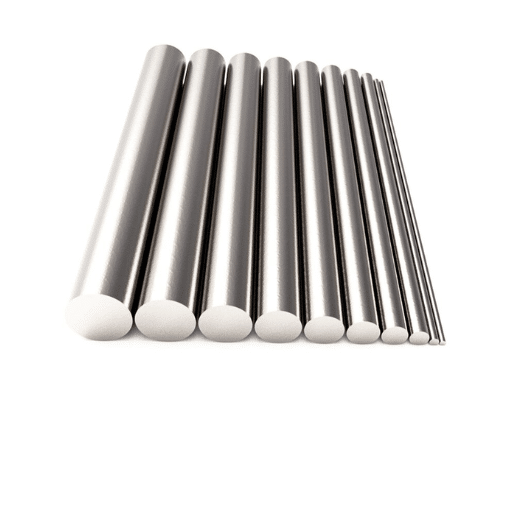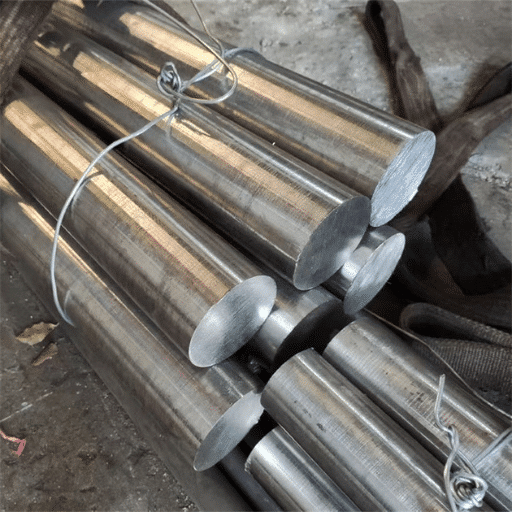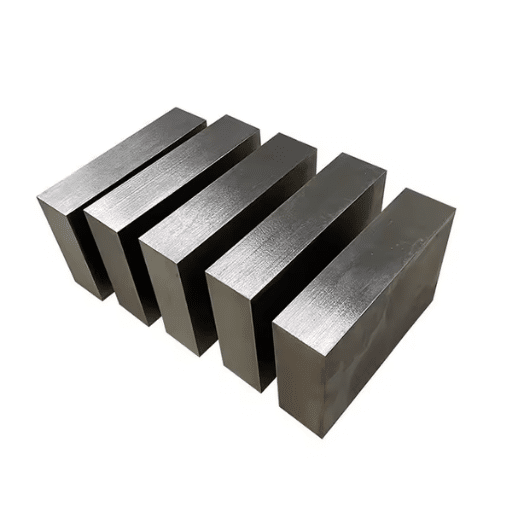
Grade 5 (Ti-6Al-4V) costs roughly 1.5 to 2 times more than Grade 2 as raw material, so the Grade 2 vs Grade 5 titanium cost gap opens at 60-80% before any processing. Finished Grade 5 parts land 30-50% higher once machining and tooling are counted. The premium is worth paying only when your design actually needs Grade 5’s strength, fatigue life, or high-temperature capability.
A procurement manager at a marine equipment maker learned this the hard way. She requested Grade 5 quotes first because the material sheet said “stronger alloy,” then asked her engineering team to price the same seawater tubing in Grade 2. The cheaper grade came in nearly 40% lower for a line that only needed moderate pressure. Three years later, the tubing hasn’t shown a single corrosion failure.
In this guide, we break down grade 2 vs grade 5 titanium cost in full: 2026 price per kg by product form, where the premium comes from, what a finished part actually costs, and a clear framework for deciding when Grade 5 is worth it and when it’s money wasted.
Key Takeaways
- Grade 5 raw material runs about 1.5-2x the price of Grade 2 (a 60-80% premium), and aerospace-certified sheet can cost 250-350% more.
- The gap widens by product form: Grade 2 welded tube sits near 14−18/kg,whilethin−wallGrade5tubecanreach14−18/kg,whilethin−wallGrade5tubecanreach250+/kg.
- Finished Grade 5 parts cost roughly 30-50% more overall, driven by slower machining, harder tooling, and stricter welding.
- Raw material is only 30-40% of a finished titanium part’s cost; machining, tooling, and waste drive the rest.
- Choose Grade 2 for corrosion-driven, moderate-stress, or budget-limited designs. Pay the Grade 5 premium only when strength, fatigue, weight, or temperature requires it.
Grade 2 vs Grade 5 Titanium Cost: At a Glance

The table below summarizes the cost picture for typical 2026 market conditions. These are ranges, not firm prices; titanium moves with aerospace demand, origin, certification, and order volume.
| Cost Factor | Grade 2 (CP Ti, R50400) | Grade 5 (Ti-6Al-4V, R56400) |
|---|---|---|
| Typical raw material (ingot/stock) | ~$12-25/kg | ~$24-60/kg |
| Bar/sheet / plate | ~$15-25/kg | ~24−28/kgspot;aerospace24−28/kgspot;aerospace45-66/kg |
| Welded tube (ASTM B338) | ~$14-18/kg | n/a for most thin-wall forms |
| Seamless / thin-wall tube | ~$16-25/kg | up to $250+/kg for thin-wall |
| Aerospace-certified material | up to ~$66/kg | $45-120/kg |
| Machining cost premium | ~1.3-1.6x baseline | ~1.5-2x baseline |
| Finished part multiplier | Baseline | ~1.3-1.5x (up to 2.5-3x complex forms) |
Read the bottom line first: expect to pay roughly 15−25/kgforGrade2and15−25/kgforGrade2and30-60/kg for Grade 5 as standard mill stock in 2026, before any form premium. For a full material comparison across strength, corrosion, and fabrication, see our titanium grade 2 vs grade 5 comparison.
Not sure what your project should cost? Our technical consultation team helps buyers compare grades and specifications to build an accurate cost picture, not just a catalog price.
2026 Price Snapshot: Grade 2 vs Grade 5 by Product Form
Prices vary more by product form than by grade in many cases. Here’s the 2026 snapshot by form.
Raw Material and Ingot
Grade 2 titanium price for ingot runs about 11.50−12.50/kgCIF,withChinaexportmaterialaslowas11.50−12.50/kgCIF,withChinaexportmaterialaslowas7.80-8.50/kg FOB. Regional mill stock lands around 15/kginAsiatoabout15/kginAsiatoabout22/kg in the United States with certification.
Grade 5 titanium price for US TC4 ingot sits higher, near 22.00−24.47/kgFOB.ChinadomesticTC4ingottradesaround63−66RMB/kg,whileShanghaiaviation−gradeexportmaterialruns22.00−24.47/kgFOB.ChinadomesticTC4ingottradesaround63−66RMB/kg,whileShanghaiaviation−gradeexportmaterialruns12-14/kg.
Bar, Sheet, and Plate
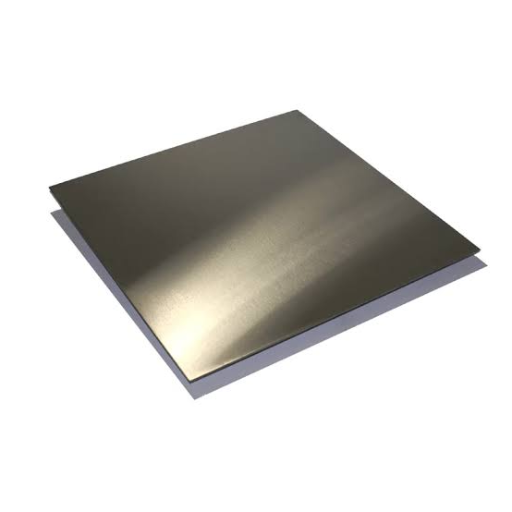
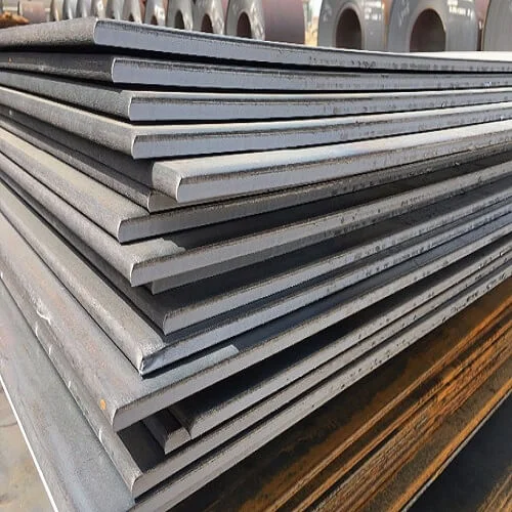
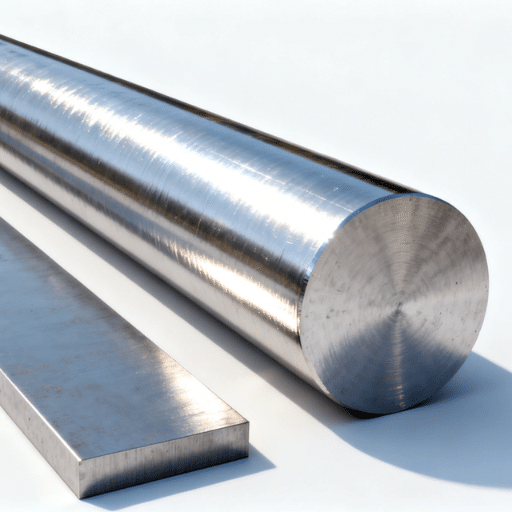
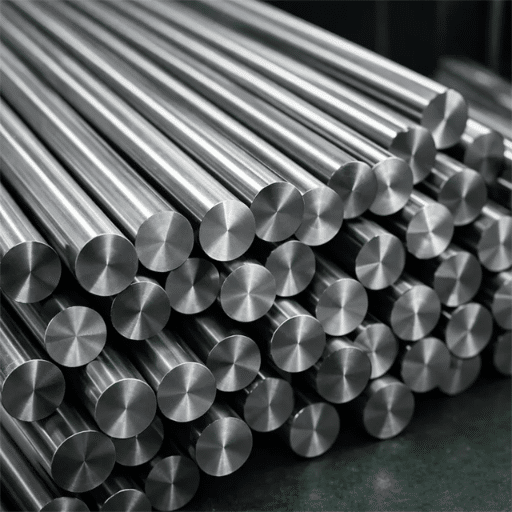
Grade 2 mill stock in bar, sheet, and plate form runs about 15−25/kg,risingtoroughly15−25/kg,risingtoroughly66/kg for aerospace-certified material with full traceability.
Grade 5 bar and plate sit around 24−28/kgatspot,whileWesternaerospace−gradebarreaches24−28/kgatspot,whileWesternaerospace−gradebarreaches45-66/kg. In China, hot-rolled black bar trades near 165-190 RMB/kg, aerospace-grade material at 300-480 RMB/kg, and medical implant grade at 400-600 RMB/kg.
For flat-stock applications that don’t need titanium’s properties, stainless steel sheets cover most needs at a fraction of the cost.
Tube and Pipe: The Biggest Gap
The most extreme cost difference appears in tubing. Grade 2 welded tube (ASTM B338) runs about 13.60−18.30/kg,andseamlessGrade2tube(ASTMB861)about13.60−18.30/kg,andseamlessGrade2tube(ASTMB861)about16-25/kg.
Thin-wall Grade 5 tube is a different world entirely. It’s extremely difficult to cold-form, so it’s usually hot-extruded or gun-drilled from solid bar. Small-diameter Grade 5 thin-wall tube can reach $250+/kg. If your application can use welded Grade 2 tube, the form and grade together can cut the line-item cost by more than 90%.
The Price Ratio Summary
Across most forms, Grade 5 costs about 1.5-2x Grade 2, a 60-80% raw material premium. Aerospace-certified Grade 5 sheet can run 250-350% over CP Grade 2 sheet. Certification, testing, and supply-chain controls add cost on top of the alloy itself. For context on how titanium compares to the stainless grades we supply, see our titanium vs stainless steel cost guide.
Why Grade 5 Titanium Costs More Than Grade 2

Alloying and Processing Economics
Grade 2 is commercially pure titanium, roughly 99% titanium. Grade 5 adds about 6% aluminum and 4% vanadium, alloying elements that carry their own cost. The alloy also requires tighter melting control, more careful hot working, and a narrower processing window than single-element CP titanium.
Both grades start from the same energy-intensive Kroll reduction process. The premium is added at alloying, hot working, and certification, not at the raw ore stage. You’re paying for a more complex material that’s harder to make consistently.
Certification and Traceability Premium
Certification often changes price more than grade. Industrial-grade material with a basic mill test certificate is cheapest. Aerospace-grade material (AMS 4911 for sheet, AMS 4928 for bar), DFARS traceability, or medical-grade certification adds a large surcharge to either grade.
Origin matters too. China and India offer the most competitive pricing. US and European material commands a premium of 40% or more for traceability and compliance with PED, NORSOK, or AMS/MIL-spec requirements.
Buy-to-Fly Waste
In aerospace machining, buy-to-fly ratios run 6:1 to 10:1, meaning six to ten kilograms of raw bar become one kilogram of finished part. That scrap is paid for regardless of grade, and because Grade 5 costs more per kilogram, the waste is more expensive to discard. This is why machining waste, not ingot price, often dominates a Grade 5 aerospace part’s total cost.
Machining and Fabrication Cost: Grade 2 vs Grade 5
Machining
Machining is where the raw-material gap compounds. Grade 2 cuts roughly 1.5 to 2 times faster than Grade 5. In practical terms, roughing runs about 130-200 SFM for Grade 2 versus 60-130 SFM for Grade 5 with carbide tools.
Grade 5 is harder and work-hardens quickly. It wears tools faster and adds roughly 15-25% to cycle time. The machining cost premium lands around 1.5-2x baseline for Grade 5 versus about 1.3-1.6x for Grade 2.
Grade 2 also machines to a smoother as-machined finish, about Ra 0.4 μm, without secondary finishing. Grade 5 comes off the machine around Ra 0.8 μm and often needs polishing or electropolishing to match. For context on how titanium behaves in general, and on the stainless grades we process, see our custom processing services.
Forming and Welding
Grade 2 cold-forms and bends easily and welds with a wide process window using ERTi-2 filler, which keeps labor and shielding-gas cost low.
Grade 5 is a different story. It’s typically hot-formed at 700-950°C, springs back more, and needs strict argon trailing shields and backing gas during welding to avoid oxygen and nitrogen embrittlement. Those requirements add labor, tooling, and gas cost to every fabricated Grade 5 part, and they explain much of the 30-50% finished-part premium.
Total Cost Per Part: A Worked Example
The grade 2 vs grade 5 titanium cost story doesn’t end at raw material. Raw material is typically 30-40% of a finished titanium part’s cost. Machining, tooling, and waste drive the rest.
Consider a 0.5 kg machined component:
- Grade 2: material roughly 8−12,plusfastermachiningandlongertoollife,landsaround∗∗8−12,plusfastermachiningandlongertoollife,landsaround∗∗22-38 all-in**.
- Grade 5: material roughly 15−25, plus slower cutting and harder tooling,landsaround∗∗15−25, plus slower cutting and harder tooling,landsaround∗∗60-95 all-in**.
The gap grows with part complexity and volume. A 100-part program over-specified in Grade 5 can add $15,000-40,000 in cost with no functional benefit if the design never uses the alloy’s strength.
A knife maker learned this on a smaller scale. He standardized his framelock bar on Grade 5 because the lock flexes tens of thousands of times, and Grade 2 began to take a set after about 40,000 cycles. There, the material premium was justified by fatigue life.
But he kept the non-structural handle components in Grade 2. Paying the alloy premium for parts that only need corrosion resistance was pure waste. The same logic applies across industrial design.
Total Cost of Ownership: Where Grade 2 vs Grade 5 Titanium Cost Flips
Upfront, Grade 2 is always cheaper. Over the life of the asset, the picture can flip, and lifecycle cost is where the real total cost of ownership comparison happens.
Grade 5 delivers a 25-40 year service life in mission-critical service, about 2-3 times stainless steel’s 10-15 years. Fatigue strength drops only about 10% in seawater, versus 30-40% for stainless steels. That means far less maintenance and replacement.
Weight savings matter too. Because Grade 5 is roughly 2.5-3 times stronger at nearly identical density, you can design thinner sections. In aerospace and transport, the fuel or payload savings from that weight reduction can offset the material premium many times over the asset’s life. The strength evidence behind this trade-off is covered in our grade 5 vs grade 2 strength comparison.
The decision rule is straightforward. If the part fails from fatigue, yielding, or weight, Grade 5 can pay for itself over time. If it fails from corrosion and the loads are moderate, a stronger alloy doesn’t help, and Grade 2 plus better design is the lower-cost fix.
Cost Per Unit of Strength: The $/MPa View
Most cost guides miss an engineering angle: Grade 5 costs about 2x but delivers about 3x the strength. On a dollars-per-megapascal basis, Grade 5 is often more cost-efficient per unit of strength than Grade 2.
That value only materializes if the design actually uses it. If a part is corrosion-limited or formability-limited, the extra strength is never used, and you’ve paid a premium for nothing. If it is strength-limited, Grade 5 can be the better value even at a higher sticker price.
So the real question isn’t “which grade is cheaper?” It’s “which grade meets the requirement at the lowest total cost?” For property-level data behind that decision, MakeItFrom maintains a reliable side-by-side comparison of both grades.
When to Choose Grade 2 vs Grade 5 on Cost

Choose Grade 2 When
- Corrosion resistance is the dominant requirement, such as seawater, wet chlorine, or chemical processing.
- Service stresses stay below Grade 2’s yield with margin, and strength-to-weight is not critical.
- Formability, weldability, and fabrication ease matter to your process.
- Budget is a constraint, and you capture the 30-50% or greater savings.
Choose Grade 5 When
- The part is load-bearing and strength-to-weight, fatigue, or high-temperature performance is required.
- Weight savings justify the premium over the asset’s life.
- Higher hardness, scratch resistance, or strength retention above about 300°C is needed.
The Over-Specification Audit
Before you pay the premium, run a three-question audit:
- If the design stress sits below about 200 MPa with margin, Grade 2 probably suffices.
- If fatigue or elevated temperature is not the failure mode, the alloy’s extra strength goes unused.
- If the part is static or ground-based, thinner sections may not justify the cost.
Industry data suggests this audit matters. Roughly 30% of titanium specifications are over-specified, and about 30% of titanium RFQs could use a cheaper material at 50-70% lower total cost. In one common case, moving corrosion-service fasteners from Grade 5 to Grade 2 cut total part cost by about a third with no failures.
A maintenance manager we know standardized every fastener “because titanium,” then found most sat below 200 MPa design stress. After the audit, the corrosion-service fasteners moved to Grade 2. The program saved roughly 30% without a single field failure.
Over-specification is not unique to titanium. The same question applies when choosing between steel types, and our stainless steel vs carbon steel comparison covers when the cheaper grade is enough.
Ready to verify whether your material spec is over-specified? Our team can help you compare grade 2 titanium and grade 5 titanium options against your actual load case.
How to Get Accurate Grade 2 vs Grade 5 Pricing
Pricing is only useful if it’s comparable. Use these steps to get accurate quotes.
- Specify the ASTM standard and form (B265 sheet/plate, B348 bar, B338 welded tube, B861 seamless tube) with the exact chemistry.
- State the certification tier explicitly; industrial-grade is cheapest, aerospace or medical cert adds a surcharge.
- Compare like for like in form, finish, certification, and origin, or the quotes mislead.
- Check volume and lead time; in a volatile 2026 market, forward contracts lock in price before projected increases.
- Ask for a cost-per-part view, not just $/kg; a good supplier shows the machining and waste cost, not just the material line.
The 2026 market adds urgency. Global aviation titanium orders are up roughly 12%, the US “Project Vault” program (February 2026) designates titanium a strategic stockpiled metal, and aerospace-grade Grade 5 prices are expected to rise another 3-5%.
Prices are a dated snapshot, not a permanent list. HonTitan’s titanium price guide tracks these trends in detail.
For procurement guidance on a current project, contact LIANYUNGANG DAPU METAL for technical consultation or request a quote.
We also supply stainless steel alternatives when a corrosion-driven design doesn’t justify titanium’s premium, including 316 stainless steel products and stainless steel pipes.
Frequently Asked Questions
Is Grade 5 titanium more expensive than Grade 2?
Yes. Grade 5 (Ti-6Al-4V) typically costs 1.5 to 2 times the price of Grade 2 as raw material. Finished Grade 5 parts run roughly 30-50% higher once machining and tooling are counted. The premium is justified only when Grade 5’s strength, fatigue, or high-temperature capability is required.
How much does titanium cost per kg in 2026?
Standard mill stock runs about 15−25/kgforGrade2and15−25/kgforGrade2and30-60/kg for Grade 5 in 2026. Product form, certification, origin, and volume move prices significantly. Thin-wall Grade 5 tube can exceed 250/kg,whileGrade2weldedtuberunsnear250/kg,whileGrade2weldedtuberunsnear14-18/kg.
Why is Grade 5 titanium so much more expensive?
Grade 5 costs more for several reasons: expensive alloying elements (6% aluminum, 4% vanadium), tighter melting and processing control, and higher certification costs. It also machines harder, driving up tool wear and cycle time. Raw material is only part of the gap; fabrication compounds it.
Is Grade 5 titanium worth the extra cost?
It depends on the application. Grade 5 is worth it when strength, fatigue life, weight savings, or high-temperature performance drives the design. It is wasted when corrosion resistance and moderate stress dominate, where Grade 2 delivers the same performance for 30-50% less.
Which is cheaper: Grade 2 or Grade 5 titanium?
Grade 2 is consistently cheaper, both as raw material and as a finished part. It costs roughly 30-50% less than Grade 5 in finished form, and the gap grows for complex products like thin-wall tubing.
How much does Grade 5 titanium cost per kg?
Grade 5 runs about 22−24/kgasingot,22−24/kgasingot,24-28/kg as spot bar and plate, and 45−66/kgforWesternaerospace−gradebarin2026.Small−diameterthin−walltubecanreach45−66/kgforWesternaerospace−gradebarin2026.Small−diameterthin−walltubecanreach250+/kg. Medical implant grade in China trades near 400-600 RMB/kg.
Is Grade 2 titanium cheaper to machine than Grade 5?
Yes. Grade 2 cuts roughly 1.5 to 2 times faster, wears tools less, and machines to a smoother as-machined finish without secondary finishing. Grade 5 adds about 15-25% cycle time and often requires polishing to match Grade 2’s finish.
Why is thin-wall titanium tubing so expensive?
Thin-wall Grade 5 tube is extremely difficult to cold-form, so it is usually hot-extruded or gun-drilled from solid bar, pushing prices above 250/kg. Grade 2 welded tube avoids that entirely and runs near 250/kg. Grade 2 welded tube avoids that entirely and runs near14-18/kg for many corrosion applications.
Is titanium worth the money compared to stainless steel?
Titanium costs several times more per kilogram than stainless steel but weighs about 45% less and can last 2-3 times longer in corrosive service. It is worth the premium where weight, corrosion immunity, or fatigue life pays for itself. Otherwise, 316L stainless steel is the more economical choice.
When should I avoid paying for Grade 5 titanium?
Avoid Grade 5 when the part is corrosion-driven, the loads stay below Grade 2’s yield with margin, weight savings do not pay for themselves, and fabrication ease is a priority. Roughly 30% of titanium specifications are over-specified, so audit the load case before paying the premium.
Conclusion
Grade 2 vs grade 5 titanium cost is not a single number. It spans a 1.5-2x raw material gap, a much wider gap on complex forms like thin-wall tube, a 30-50% finished-part premium from machining and welding, and a lifecycle picture that can flip the answer in mission-critical service.
The practical takeaway is simple. Grade 2 is the cost leader wherever corrosion resistance, formability, and moderate strength dominate. Grade 5 earns its premium only when strength, fatigue, weight, or temperature requires it. Audit the load case, compare like-for-like quotes, and ask for a cost-per-part view instead of a per-kilogram price.
For help building that cost picture for your project, contact LIANYUNGANG DAPU METAL for material selection guidance or request a quote.
The full grade-vs-grade comparison, including strength, corrosion, and fabrication, starts with our titanium grade 2 vs grade 5 comparison. The broader titanium grade chart shows where both grades sit in the family.