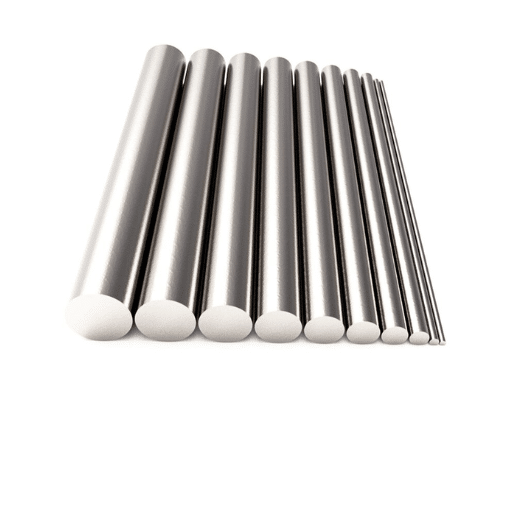
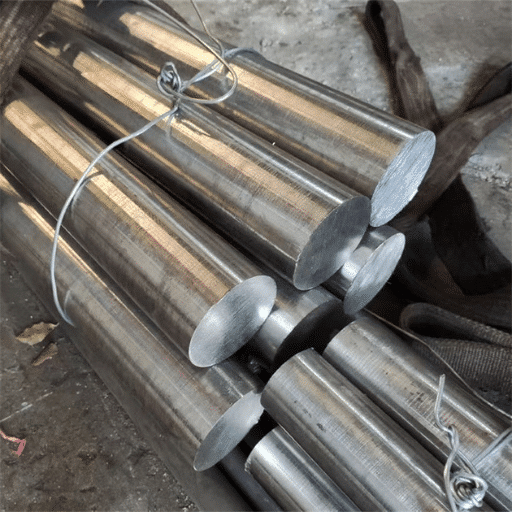
Both grades weld well with TIG, but grade 2 vs grade 5 titanium welding is not equal in effort. Grade 2 commercially pure titanium welds easily, with a wide process window and high tolerance for contamination. Grade 5 (Ti-6Al-4V) welds only with strict heat-input control, rigorous inert shielding, and usually post-weld heat treatment.
A chemical plant maintenance supervisor learned this difference the hard way. He quoted a seawater header in Grade 5 because the material sheet said “stronger alloy,” then watched his welding crew struggle with color control, rework, and a cracked coupon that failed bend testing. When engineering re-specified the line in Grade 2 with ERTi-2 filler, the welds came out silver on the first pass, and the header has run for three years without a failure.
In this guide, we break down grade 2 vs grade 5 titanium welding in full: which grade welds more easily and why, which filler metal to specify, how to shield and weld each grade, how to weld them to each other, and how to inspect the finished weld. You will finish knowing exactly what your weld procedure needs to include.
Key Takeaways
- Grade 2 welds far more easily than Grade 5. It is single-phase alpha titanium with a wider welding window, about 20% elongation, and roughly 2-3x the thermal conductivity, so it tolerates more variation in heat and shielding.
- Grade 5 (Ti-6Al-4V) is weldable but demanding. It needs meticulous gas shielding, controlled heat input, interpass temperatures near 150-200°C, and usually post-weld heat treatment to restore ductility.
- Match the filler to the base metal: ERTi-2 for Grade 2 and ERTi-5 for Grade 5. To weld Grade 2 to Grade 5, follow the weaker side and use ERTi-2.
- Titanium reacts with air above roughly 426°C (800°F), so every weld needs torch shielding, a trailing shield, and back purge with high-purity argon (99.995% or better).
- Weld color is the quality check. Bright silver to light straw means proper shielding; blue, purple, gray, or white means contamination and rework.
Can You Weld Grade 2 and Grade 5 Titanium?

Yes. Grade 2 and Grade 5 titanium are both weldable, and they can be welded to each other as dissimilar grades. The differences are in difficulty and process control, not in whether the material can be joined.
- Grade 2 welds easily. Commercially pure (CP) titanium is the most forgiving grade in the family, which is why it dominates welded chemical, marine, and heat-exchanger fabrication.
- Grade 5 welds with stricter control. Ti-6Al-4V produces strong welds, but only when the procedure is tight.
- Grade 2 to Grade 5 dissimilar joints are proven. Aerospace fabricators join Grade 2 skins to Grade 5 stringers as tailor-welded blanks using electron-beam, laser, and resistance spot welding, and the combination is also weldable by TIG with ERTi-2 filler.
A common myth says “titanium can’t be welded.” The truth is the opposite. Titanium welds very cleanly when it is shielded from air. The failures come from contamination, not from the arc. Once you control the shielding, both grades behave predictably.
Why Titanium Welding Demands Shielding
Titanium is an extremely active metal above roughly 426°C (800°F). It reacts with oxygen, nitrogen, and hydrogen from the atmosphere, and those reactions ruin the weld.
The most damaging product is alpha case. Oxygen is a powerful alpha stabilizer, and when hot titanium absorbs it, a hard, brittle surface layer called alpha case forms. Alpha case has poor ductility and low fracture toughness, and it can seed fatigue cracks in a weld that otherwise looks fine. Oxygen can be absorbed above roughly 250°C, hydrogen above about 400°C, and nitrogen above about 600°C, so contamination starts well below welding temperature.
These absorbed interstitials distort the titanium crystal lattice. They raise hardness and strength while destroying plasticity and toughness. Hydrogen can also form brittle titanium hydride platelets. For these reasons, titanium welds are made in a complete inert atmosphere, and the weld must stay shielded until it cools below about 425°C.
Titanium also needs less heat than steel. You weld it “as cool as possible,” which makes the shielding job even more important because there is little margin for error. For a broader look at titanium behavior across the grade family, see our titanium grade chart and titanium properties guides.
Grade 2 vs Grade 5 Titanium: Weldability Comparison
The table below summarizes how the two grades compare in welding. The physical differences drive everything else in this article.
| Welding Factor | Grade 2 (CP Ti, R50400) | Grade 5 (Ti-6Al-4V, R56400) |
|---|---|---|
| Grade type | Commercially pure (alpha) | Alpha-beta alloy (6% Al, 4% V) |
| Relative weldability | Excellent, wide window | Good, strict process control |
| Typical filler (AWS A5.16) | ERTi-2 (UNS R50120) | ERTi-5 (UNS R56400) |
| Elongation | ~20% | ~10-14% |
| Thermal conductivity | 15-22 W/m·K | 6.5-7.2 W/m·K |
| Heat concentration in weld zone | Low (spreads quickly) | High (concentrates) |
| Contamination tolerance | Higher | Lower |
| Post-weld heat treatment | Usually not required | Usually required for critical or fatigue-loaded welds |
| Typical welded applications | Chemical processing, seawater, heat exchangers | Aerospace, load-bearing and cyclic components |
Why Grade 2 Is the Easier Grade to Weld
Grade 2 is commercially pure titanium, essentially single-phase alpha with roughly 99% titanium. Its strength is set by interstitial oxygen, not by alloying elements, so there are no beta-phase transformation products forming in the weld on cooling.
That simplicity gives Grade 2 two practical advantages. First, its higher ductility, around 20% elongation, absorbs the shrinkage stresses of a cooling weld without cracking. Second, its thermal conductivity, about 15-22 W/m·K, spreads heat away from the joint, so the molten pool and heat-affected zone stay smaller and less concentrated.
The result is a wide welding window. Small variations in amperage, travel speed, or shielding are forgiven. This is why Grade 2 piping and tubing are welded in the field on chemical and desalination sites, often with portable TIG equipment. Our Grade 2 titanium guide covers the material’s full property and application picture.
Why Grade 5 (Ti-6Al-4V) Demands Stricter Control
Grade 5 is an alpha-beta alloy strengthened by about 6% aluminum and 4% vanadium. That chemistry delivers roughly three times the strength of Grade 2, but it makes the weld behave differently.
On cooling, the weld zone of an alpha-beta alloy can form harder, less ductile microstructures. Grade 5 also conducts heat at only about 6.5-7.2 W/m·K, a third of Grade 2’s value, so heat stays concentrated in the joint. That concentration raises the risk of overheating, grain growth, and contamination in exactly the area that is hardest to shield.
For these reasons, welding Grade 5 requires meticulous process control: clean surfaces, high-purity shielding, disciplined heat input, interpass temperatures near 150-200°C, and often a post-weld heat treatment. The weld metal itself has lower ductility than the parent metal, which is why PWHT is commonly specified. If your design is strength- or fatigue-limited, the grade 5 titanium guide and our grade 5 vs grade 2 strength comparison explain when the added difficulty is worth it.
Filler Metal Selection: ERTi-2 vs ERTi-5

Filler selection follows one rule first: match the filler to the base metal so weld chemistry stays consistent. The standard combinations under AWS A5.16 are simple.
| Base Metal | Matching Filler (AWS A5.16) | Typical Service |
|---|---|---|
| Grade 2 (CP titanium) | ERTi-2 (UNS R50120) | Corrosion service, chemical and marine fabrication |
| Grade 5 (Ti-6Al-4V) | ERTi-5 (UNS R56400) | High-strength structural and aerospace welds |
| Grade 2 to Grade 5 (dissimilar) | ERTi-2 (weaker-side rule) | Tailor-welded and transition joints |
ERTi-2 is a high-purity CP filler with tight interstitial limits. It offers good weldability, corrosion resistance, and cost, which makes it the workhorse filler for welded corrosion equipment.
ERTi-5 carries the alloy’s chemistry, with aluminum about 5.5-6.75% and vanadium about 3.5-4.5%. It is the standard for high-strength structural welds and is slightly more sensitive during welding, so it demands the same process discipline as the base metal.
The Weaker-Side Rule for Dissimilar Welds
When you weld Grade 2 to Grade 5, the joint is only as strong as the weaker material, which is Grade 2. The practical guidance is to follow the weaker side and use ERTi-2 filler rather than ERTi-5. Using the stronger filler does not make a Grade 2-limited joint stronger, and it adds cost and sensitivity.
This is not theoretical. Aerospace manufacturers join Grade 2 skins to Grade 5 stringers for tailor-welded blanks, combining Grade 2’s formability with Grade 5’s strength. Electron-beam and fiber-laser welding have both been qualified for these joints. If you are joining the two grades, verify the procedure with the material producer and qualify it to AWS D17.1 or ISO 15614-5 before production.
TIG Welding Titanium: Parameters and Shielding Setup
Gas tungsten arc welding, or TIG, is the standard process for titanium. Most titanium welding uses direct-current electrode negative (DCEN) polarity with high-frequency start, a gas lens for smooth gas flow, and a larger cup than you would use for steel.
Shielding: Torch, Trailing, and Back Purge
Titanium needs a three-layer shielding strategy, because the metal stays reactive until it cools below about 425°C.
- Torch shielding. High-purity argon at 99.995% (argon 4.6) minimum, with 99.999% (argon 5.0) ideal for critical work. Typical torch flow runs 15-20 CFH.
- Trailing shield. The weld bead behind the torch stays hot and vulnerable. A trailing shield extends argon coverage several inches behind the torch to protect the cooling metal.
- Back purge. The weld root oxidizes from underneath if it is not protected. For tubing and pipe, back purge the interior with argon, and for critical applications keep oxygen below 20 ppm until the joint cools.
After the arc stops, continue the gas flow for at least 10 seconds so the hot metal is never exposed to air. Contamination is easy to cause and hard to see. Oil, fingerprints, dirty filler wire, rubber gas hoses that absorbed moisture, and tools that ever touched carbon steel can all introduce defects. Use dedicated, degreased tools and wire for titanium only.
Amperage and Interpass Temperature
Titanium is welded cool. As a starting guide for manual TIG on thin sheet:
| Material Thickness | Approximate Amperage |
|---|---|
| 1.5 mm | 40-70 A |
| 3.0 mm | 90-130 A |
| 6.0 mm | 160-220 A |
Keep the interpass temperature at or below about 150-200°C to control grain growth in the heat-affected zone. If you are fabricating welded titanium equipment for corrosion service and want to compare it with the stainless grades we process, our custom processing team can help you evaluate alternatives.
Weld Color Inspection: What Your Weld Is Telling You
Weld color is the fastest quality check for titanium. The color develops where the metal was exposed above about 450°C, so it tells you whether the shielding protected the weld through its full cooling cycle.
| Weld Color | Meaning | Action |
|---|---|---|
| Bright silver | Proper shielding | Accept |
| Light straw / light gold | Minor contamination | Usually acceptable |
| Light blue | Some contamination | Evaluate; often acceptable in non-critical service |
| Dark blue / purple | Oxygen or nitrogen contamination | Rework or remove |
| Gray / white powdery | Severe contamination, alpha case | Remove and reweld |
If a weld shows dark blue, purple, gray, or white, the shielding failed and the metal is embrittled. Grind or machine the affected area out and reweld with correct gas coverage. Silver-to-straw color on a test pass is your confirmation that the shielding setup is right before you run production welds.
Post-Weld Heat Treatment: When Grade 5 Needs It

Post-weld heat treatment (PWHT) is where Grade 2 and Grade 5 diverge most in practice.
Grade 2 generally does not require PWHT for corrosion service. The weld cools to a ductile alpha structure, and the material’s forgiving nature means most fabrications go straight from welding to service or hydrotest.
Grade 5 is different. The weld zone of Ti-6Al-4V cools to a harder, less ductile structure than the parent metal, and residual stresses from welding can make critical or fatigue-loaded joints vulnerable to cracking. Stress relieving or annealing after welding restores ductility, relieves residual stress, and improves fatigue performance. For that reason, Grade 5 weld procedures for load-bearing components almost always include PWHT.
A fabrication shop we know learned this when a batch of Ti-6Al-4V brackets cracked at the weld during proof testing. The welds looked clean and silver, but the shop had skipped PWHT to save a day of schedule. A re-annealing cycle relieved the residual stress and restored ductility, and the re-tested brackets passed. The lesson stuck: with Grade 5, the extra steps are not optional.
Welded Applications: Where Each Grade Wins
The grade you choose for a welded assembly should match the failure mode you are designing against.
- Choose Grade 2 for welded corrosion service. Chemical processing, desalination, marine piping, and heat exchangers are built in Grade 2 because it welds easily, resists corrosion, and can be repaired in the field. Its weldability keeps fabrication cost low.
- Choose Grade 5 for welded strength and fatigue. Aerospace structures, high-load brackets, and cyclic components justify Grade 5’s stricter welding because the alloy carries roughly three times the strength at a similar density.
Before you commit to a welded assembly, see how the two grades compare in cost, because material price and fabrication ease often decide the grade together.
If your application is corrosion-driven and you are weighing titanium against more economical welded materials, 316L stainless steel is the common alternative. DAPU supplies 316 stainless steel products and stainless steel pipes that cover most welded fluid-handling service at a fraction of titanium’s cost.
Not sure whether your welded assembly needs titanium at all? Our technical consultation team helps engineers compare grades and materials against the actual service conditions, not just the catalog.
Frequently Asked Questions
Can you weld grade 2 to grade 5 titanium?
Yes. Grade 2 and Grade 5 titanium can be welded together as dissimilar grades. For TIG welding, use ERTi-2 filler and follow the weaker side, because the joint is no stronger than Grade 2. Aerospace fabricators also join the two grades by electron-beam and laser welding for tailor-welded blanks.
Which titanium grade is easiest to weld?
Grade 2 is the easiest. It is single-phase commercially pure titanium with a wider welding window, higher ductility, and roughly 2-3x the thermal conductivity of Grade 5. It tolerates more variation in heat input and shielding than the alloy.
Is titanium hard to weld?
Titanium is not hard to weld in the way steel is hard to weld. It reacts with oxygen, nitrogen, and hydrogen above about 426°C, so it demands complete inert shielding with a torch shield, trailing shield, and back purge. When the shielding is correct, titanium welds cleanly.
What filler metal do you use to weld titanium?
Use the filler that matches the base metal: ERTi-2 (AWS A5.16) for Grade 2 and ERTi-5 for Grade 5. For a dissimilar Grade 2 to Grade 5 joint, use ERTi-2 and follow the weaker side, since the weld is only as strong as the Grade 2 base metal.
Does welding weaken Grade 5 titanium?
Welding reduces ductility in the Grade 5 weld zone, and the as-welded structure is harder and less tough than the parent metal. Post-weld heat treatment restores ductility, relieves residual stress, and improves fatigue performance, which is why it is specified for critical Grade 5 welds.
Does Grade 5 titanium need post-weld heat treatment?
Grade 5 usually needs PWHT for load-bearing or fatigue-loaded welds, because the weld zone cools to a harder, less ductile structure with residual stress. Grade 2 generally does not require PWHT for corrosion service.
What shielding gas do you need for TIG welding titanium?
Use high-purity argon, at least 99.995% and ideally 99.999%. Titanium needs torch shielding, a trailing shield behind the weld, and back purging of the weld root, with gas flow continuing until the metal cools below about 425°C.
Why does a titanium weld turn blue?
A blue, purple, or gray weld means the shielding failed and the hot metal absorbed oxygen or nitrogen. Bright silver to light straw indicates proper shielding. Dark blue, purple, gray, or white contamination must be removed and the weld redone.
Do you weld Grade 2 differently than Grade 5?
The shielding setup is the same, but the control is not. Grade 2 allows a wider window with more tolerance for heat and shielding variation. Grade 5 needs lower interpass temperature control, stricter shielding, and usually post-weld heat treatment.
Can stainless steel replace welded titanium in corrosive service?
Often yes. For chloride and chemical service where titanium’s premium is hard to justify, 316L stainless steel welds far more easily and costs much less. Where titanium is chosen for weight, fatigue, or immunity to specific media, no stainless grade fully substitutes.
Conclusion
Grade 2 vs grade 5 titanium welding comes down to control, not capability. Both grades weld, but Grade 2 is the forgiving, field-friendly grade, while Grade 5 delivers high strength only with strict shielding, disciplined heat input, and usually post-weld heat treatment.
The practical takeaway is straightforward. Use Grade 2 with ERTi-2 filler when corrosion resistance, formability, and fabrication ease drive the design. Use Grade 5 with ERTi-5 filler and a qualified PWHT procedure when strength and fatigue life justify the extra effort. When you weld the two together, follow the weaker side and use ERTi-2.
For help selecting the right material and weld procedure for your project, contact LIANYUNGANG DAPU METAL for material selection guidance or request a quote.