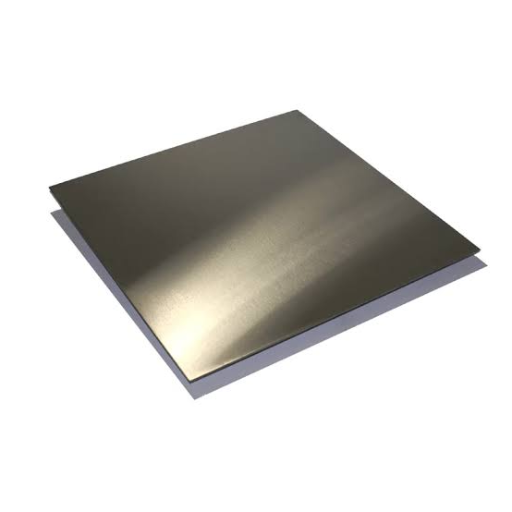
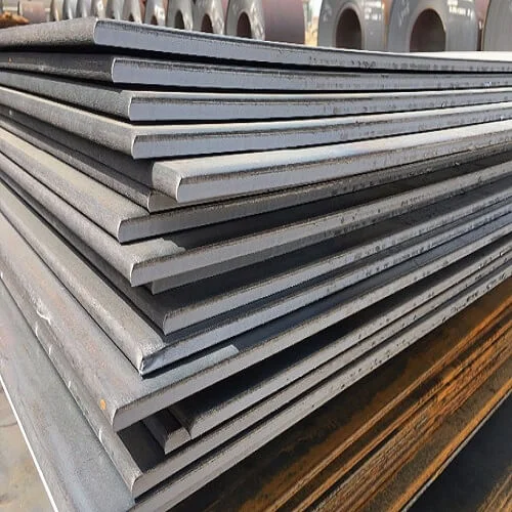
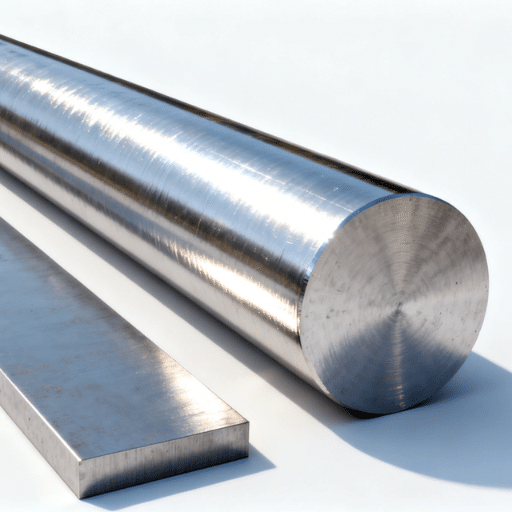
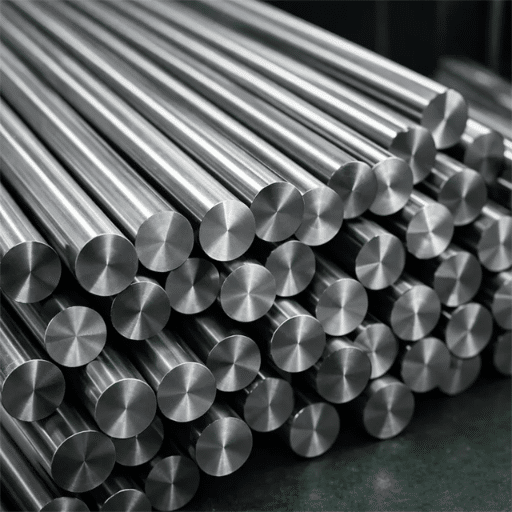
To tell 304 from 316 stainless steel, test for molybdenum. 304 contains no molybdenum, while 316 contains 2-3%, and that difference is the only reliable way to confirm which grade you hold. Use a molybdenum spot test, a handheld XRF analyzer, or the mill test certificate to verify the grade.
Last month, a fabrication shop in Ningbo received a truckload of plate stamped “316” for a coastal railing job. The material looked, weighed, and machined identically to the 304 sitting in the next rack. A single $25 chemical test on a sawn edge settled the question in five minutes. If you buy, fabricate, or install stainless steel, you’ll eventually face the same problem.
If you have worked with stainless steel, you already know the frustration. 304 and 316 are both austenitic grades with the same silver-gray finish and nearly identical mechanical properties. Visual inspection cannot tell them apart, and neither can a magnet.
This guide walks through every practical identification method, from a spot test that costs a few dollars to portable XRF analysis and mill certificate verification. By the end, you’ll know which methods are reliable, which fail, and how to avoid the misidentification traps that cause costly rework.
We’ll cover the quick answer, why the two grades look identical, each field method in detail, the misidentification risks, a side-by-side comparison table, and a clear decision framework for choosing a method.
Key Takeaways
- 304 contains no molybdenum; 316 contains 2-3%. Testing for molybdenum is the only reliable way to tell them apart.
- The molybdenum spot test is the fastest field method. It turns brown on 316 and stays clear on 304.
- Handheld XRF gives definitive grade confirmation in seconds, but it cannot detect carbon, so it cannot confirm L-grades like 304L or 316L.
- The mill test certificate is the official record. Check the heat number on the material against the certificate and read the molybdenum line.
- The magnet test and spark test cannot separate 304 from 316. Do not rely on either one for grade confirmation.
The Quick Answer: Check the Molybdenum
To tell 304 from 316 stainless steel, test for molybdenum. 304 contains no intentional molybdenum, while 316 contains 2-3%. A molybdenum spot test turns brown on 316 and stays clear on 304.
A handheld XRF analyzer reads the percentage directly, or you can check the molybdenum line on the mill test certificate. Molybdenum is the deciding element because it is invisible to the eye yet changes the material’s corrosion behavior completely. It strengthens the passive chromium oxide layer against chloride attack, which is why 316 outperforms 304 in marine and chemical environments. For a full breakdown of that chemistry, see our 304 vs 316 comparison guide.
The key point is simple: you can’t identify these grades by appearance, weight, or strength. You can only identify them by chemistry.
Why 304 and 316 Are So Hard to Tell Apart

Identical Appearance and Handling
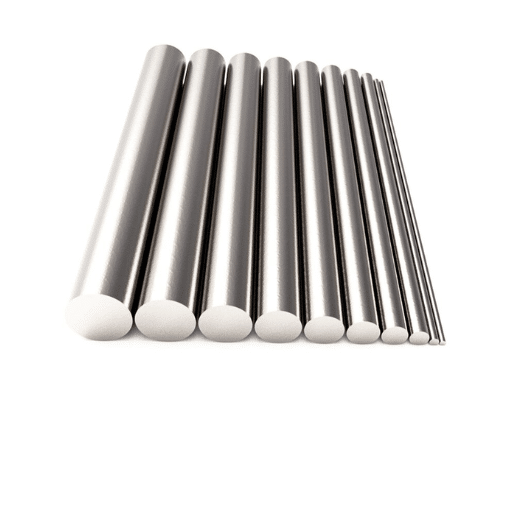
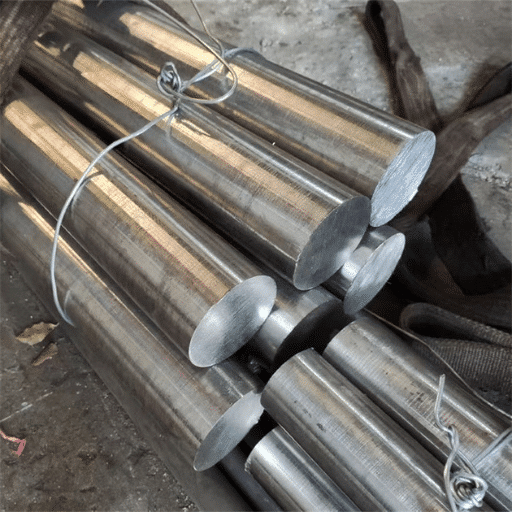
Both grades are austenitic stainless steels in the 300 series. They share the same face-centered cubic crystal structure, the same silver-gray finish, and nearly the same density of about 8,000 kg/m³. A piece of 304 and a piece of 316 feel identical in the hand and ring the same when struck.
Nearly Identical Mechanical Properties
The two grades also share identical minimum mechanical properties in the annealed condition. Both list 515 MPa tensile strength and 205 MPa yield strength under ASTM A240, and hardness is close as well, with 304 at about 92 HRB and 316 at about 95 HRB.
Strength, hardness, and machinability can’t distinguish them. Our mechanical properties comparison covers this in detail.
The Only Real Difference Is Chemistry
The defining difference is composition. Per ASTM A240, 304 contains roughly 18-20% chromium and 8-10.5% nickel with no molybdenum; see our 304 stainless steel guide for the full specification. 316 contains 16-18% chromium, 10-14% nickel, and critically 2-3% molybdenum, detailed in our 316 stainless steel guide.
Because this difference is purely chemical, every reliable identification method tests chemistry in some form. For a broader overview of how stainless steel grades are classified, start with our complete stainless steel guide.
Method 1: Molybdenum Spot Test (Fastest Field Method)

The molybdenum spot test is the most practical field method because it is cheap, fast, and doesn’t require expensive equipment. A reagent reacts with molybdenum on the steel surface and produces a color change within minutes.
How the Moly Test Works
The test uses a proprietary reagent that contains a weak acid and a color indicator. When the reagent contacts a surface containing molybdenum, it forms a colored compound. Grade 316, with its 2-3% molybdenum, produces a clear brown or red color. Grade 304, with no molybdenum, produces no lasting change.
Step-by-Step Test Procedure
Follow these steps for a reliable result:
- Clean the test area with 120-grit abrasive paper to expose a bright metal surface. Wet sanding gives the best result because it breaks through the oxide layer.
- Degrease and dry the surface so the reagent can make full contact.
- Apply 1-2 drops of reagent to the prepared area.
- Watch the drop for 2-10 minutes. Work at 15-25°C; lower temperatures slow the reaction.
- Compare the result against a known 304 and 316 reference sample if you have one.
- Rinse or wipe the surface clean after testing.
Reading the Results
- Grade 304 (no molybdenum): The drop stays yellow, or turns red and fades immediately.
- Grade 316 (molybdenum present): A brown color develops. Light brown appears above about 0.15% molybdenum, and an intensive chocolate brown appears above about 1.5% molybdenum. Certain kits show a persistent red or pink color instead.
The test confirms the presence of molybdenum, which strongly indicates 316. It can’t distinguish 316 from other molybdenum-bearing grades such as 317 or 2205, so treat the result as confirmation of 316 only.
Commercial Test Kits
Several commercial kits are widely available, including the Avesta Moly-Drop 960 from voestalpine Böhler Welding, the Koslow Scientific 304/316 kit, Molytest from Anopol, and generic RXSOL steel test reagents. A typical bottle provides 70-100 tests and costs a fraction of laboratory analysis.
- Avesta Moly-Drop 960: A widely used one-bottle reagent that shows a color change within 5-10 minutes.
- Koslow Scientific 304/316 kit: A complete spot test kit with reference standards and instructions.
- Molytest (Anopol): A single-application solution that turns brown when molybdenum is present, roughly 100 tests per bottle.
Safety Precautions
These reagents are corrosive. Most contain roughly 9% hydrochloric acid and can cause severe skin burns and eye damage. Wear gloves and eye protection, work in a ventilated area, rinse the surface after testing, and dispose of spent reagent in a sealed container.
Ready to verify the grade on your next order? Explore our 304 stainless steel products and 316 stainless steel products, both shipped with full mill test certificates.
Method 2: Handheld XRF / PMI Analysis (Most Definitive)
Handheld X-ray fluorescence (XRF) analysis, also called Positive Material Identification or PMI, is the most definitive field method. It gives laboratory-grade results in seconds without damaging the material.
How XRF Works
The analyzer fires X-rays into the metal and reads the unique energy signature each element emits in response. It displays exact percentages of chromium, nickel, molybdenum, and manganese on screen in 1-3 seconds. Because 316 contains molybdenum and 304 does not, the reading separates the two grades immediately.
Composition Ranges to Look For
Compare the readout against the ASTM A240 ranges to confirm the grade:
| Element | 304 Range (%) | 316 Range (%) |
|---|---|---|
| Chromium | 17.5-19.5 | 16.0-18.0 |
| Nickel | 8.0-10.5 | 10.0-14.0 |
| Molybdenum | None | 2.0-3.0 |
| Manganese | <2.0 | <2.0 |
| Carbon | <0.07 | <0.08 |
A molybdenum reading of 2-3% confirms 316. A reading with no molybdenum confirms 304.
XRF Limitations
Standard handheld XRF can’t reliably detect light elements like carbon. That means it can’t confirm whether material is 304 or 304L, or 316 or 316L, because those grades differ only in carbon content. When the L-grade requirement matters, preserve the mill certificate connection or use carbon-capable verification such as optical emission spectrometry.
When to Use PMI
For XRF stainless steel grade verification, use it for receiving inspection, installed piping, and any material where a mix-up would be costly or dangerous. The American Petroleum Institute’s API RP 578 provides guidance on material verification programs, and ASTM E1476 covers metals identification and grade verification practice. Handheld units cost roughly $30,000-45,000, so rental or third-party PMI services make sense for occasional use.
Method 3: Mill Test Certificate Verification (Official Documentation)
The mill test certificate, or MTC, is the official record of what a material actually contains. Every reputable supplier provides one, and verifying it is the standard quality-control practice for incoming material.
How Traceability Works
A heat number or batch code is stamped on the material during production. That number ties the physical material to its certificate. Match the stamped number on the plate, bar, or pipe to the certificate, and the chemical analysis on the certificate tells you the grade.
What to Check on the MTC
- The molybdenum line: Expect 2.0-3.0% for 316 and essentially zero for 304.
- The standard reference: The certificate should cite ASTM, EN, or JIS specifications.
- Chinese designations: 304 is listed as 06Cr19Ni10 or S30408, and 316 as 06Cr17Ni12Mo2 or S31603.
When Documentation Is Not Enough
Certificates can be lost, batches can be mixed, and stamps can be counterfeited. If the material’s traceability is broken or the certificate is missing, escalate to a molybdenum spot test or XRF analysis.
Best Practice
Verify markings and certificates on receipt, quarantine any suspect material, and retain the test results, calibration records, and operator details in your quality file. This is the material verification approach recommended by API RP 578 for critical piping systems.
Method 4: Spark Testing (Shop-Floor Screening)
Spark testing is a traditional shop-floor method that uses a grinding wheel to observe the spark stream a metal produces.
What Spark Testing Can Tell You
The test reliably separates carbon steel from stainless steel. Carbon steel throws long, bright, yellow-white sparks that fork into multiple branches. Austenitic stainless steel produces short, sparse, orange or reddish sparks with little forking. MachineMFG’s spark guide explains the patterns in detail.
Why It Cannot Separate 304 from 316
Both 304 and 316 are austenitic and produce nearly identical spark streams. Even experienced operators disagree on the subtle differences, and published descriptions of 316 sparks contradict each other. Spark testing can’t reliably confirm which grade you hold.
Using Sparks Responsibly
Treat the spark test as a screen, not a confirmation. It is useful for separating stainless from carbon steel on a scrap pile, but confirm any 304 or 316 designation with a chemical or spectrometric test.
Method 5: Other Tests and Their Limits
Several other tests circulate online. Knowing their limits prevents a costly wrong answer.
The Magnet Test (Why It Fails for 304 vs 316)
The magnet test is the most misunderstood method. Both 304 and 316 are austenitic and non-magnetic in the annealed condition, with a magnetic permeability near 1.0.
But cold working changes the picture. When 304 is bent, drawn, or stamped, it can form strain-induced martensite and become slightly magnetic, reaching a permeability around 1.8 in cold-worked fasteners. 316 stays mostly non-magnetic because its higher nickel and molybdenum suppress martensite formation.
This means a magnet that sticks to a cold-worked 304 part tells you nothing useful. A magnet that strongly sticks across a flat surface almost always indicates ferritic steel such as 430, not 304 or 316. The British Stainless Steel Association explains the magnetism mechanism in detail. In short, the magnet test cannot tell 304 from 316.
Acid Tests
Sulfuric and hydrochloric acid attack the two grades at different rates. A 10% sulfuric acid bath at 71°C corrodes 304 and blackens it within minutes while 316 reacts slowly or not at all. These tests work but require careful acid handling and are slower than a spot test.
Copper Sulfate Drops
Copper sulfate drops react to manganese, not molybdenum. They can indicate that a material is stainless steel but can’t confirm whether it is 304 or 316. They are useful for separating 200-series from 300-series material.
Saltwater Soak Test
316 resists chloride attack far better than 304. Submerging unknown and known samples in warm salt water for about a week shows red rust on 304 and little on 316. This is an informal, slow screening method, not a definitive test.
Visual Inspection and Markings
Engraved grade designations, heat numbers, and batch codes are useful starting points, but they can be absent or counterfeited. Never confirm a grade from surface color or finish alone.
Common Misidentification Risks and How to Avoid Them

A QC inspector once rejected a batch of cold-drawn 304 fasteners because a magnet stuck to them, suspecting a ferritic grade had been delivered. The fasteners were correct. Cold-worked 304 forms magnetic martensite, and the magnet test gave a false alarm. When you understand the failure modes, you can avoid both false rejections and real substitutions.
201 Substituted for 304
Some suppliers pass off 201 stainless steel as 304 to cut costs. 201 replaces nickel with manganese, reducing corrosion resistance. Because 201 contains 5.5-7.5% manganese versus under 2% in 304, a manganese reagent can flag it. For a deeper look, see our 201 vs 304 comparison.
304 Received When 316 Was Specified
This substitution is more common when molybdenum prices spike. Buyers who rely on visual inspection miss it entirely. Checking the molybdenum line on the certificate or running a spot test catches it before the material reaches the process line.
Counterfeit Labels and Stamps
Grade marks can be forged. Always verify against documentation rather than trusting the stamp alone, and require a matching certificate from unfamiliar suppliers.
Cold-Worked 304 Confusing the Magnet Test
A magnet sticking to a bent or drawn 304 part is normal, not proof of the wrong grade. Confirm with a spot test or XRF before rejecting material.
Buying From Unfamiliar Suppliers
The safest protection is a reputable supplier with genuine certification. At LIANYUNGANG DAPU METAL, every 304 and 316 shipment includes a full mill test certificate documenting chemical composition and traceability.
Identification Method Comparison Table (Quick Reference)
| Method | Reliability | Cost | Speed | Destructive? | Best For |
|---|---|---|---|---|---|
| Molybdenum spot test | High for 304/316 | Low (kit) | Minutes | Minor surface | Field and DIY confirmation |
| XRF / PMI | Highest | High (unit or rental) | Seconds | No | Definitive verification, installed piping |
| Mill certificate review | High if traceable | Free (document) | Minutes | No | Incoming quality control |
| Spark test | Low for 304/316 | Free | Seconds | Minor surface | Screening vs. carbon steel |
| Magnet test | Very low for 304/316 | Free | Seconds | No | Separating ferritic/carbon from austenitic |
| Acid test | Medium | Low | Minutes to hours | Yes | Laboratory confirmation |
| Saltwater soak | Low | Low | Days | No | Informal screening |
Which Identification Method Should You Use?
Choosing how to identify 304 vs 316 stainless steel depends on your role, budget, and how definitive the answer needs to be.
Home or Hobbyist
Buy a molybdenum spot test kit. It’s the cheapest reliable answer and takes minutes.
Fabricator or Shop Incoming QC
Review the mill certificate on receipt and run a spot test on any material with broken traceability. Escalate mismatches to XRF.
Installed Piping or Critical Components
Use handheld XRF or third-party PMI per a documented material verification program. Do not rely on certificates alone for already-installed or mixed material.
Procurement or Contract
Require certified mill test certificates in your purchase order and verify the molybdenum content before payment. For marine, chemical, or chloride-rich service, this is how you confirm you received the 316 you paid for. If you are deciding which grade to specify in the first place, our 304 vs 316 corrosion comparison explains when the extra cost of 316 is justified.
Frequently Asked Questions
How do you tell 304 from 316 stainless steel?
To tell 304 from 316 stainless steel, test for molybdenum. 304 contains none, while 316 contains 2-3%. Use a molybdenum spot test, which turns brown on 316, a handheld XRF analyzer, which reads the molybdenum percentage directly, or check the molybdenum line on the mill test certificate.
Will a magnet stick to 316 stainless steel?
No, in the annealed condition. Both 304 and 316 are austenitic and non-magnetic. However, cold-worked 304 can become slightly magnetic due to strain-induced martensite, while 316 stays mostly non-magnetic. A magnet that sticks across a flat surface almost always indicates ferritic steel, not 304 or 316.
Can XRF tell the difference between 304 and 304L?
No. Standard handheld XRF cannot detect light elements like carbon, and 304 and 304L differ only in carbon content. To confirm an L-grade, preserve the mill certificate or use carbon-capable analysis such as optical emission spectrometry.
What should I check on a mill test certificate?
Check the heat number stamped on the material against the certificate, then read the molybdenum line. Expect 2-3% molybdenum for 316 and essentially zero for 304. Also confirm the certificate cites the correct standard, such as ASTM A240, EN, or JIS.
Is 201 stainless steel the same as 304?
No. 201 uses manganese instead of nickel, which lowers cost and corrosion resistance. A manganese reagent can flag 200-series material because 201 contains 5.5-7.5% manganese versus under 2% in 304.
Can I test stainless steel grade at home?
Yes. A molybdenum spot test kit works at home for a modest cost and gives a reliable 304 versus 316 result in minutes. For L-grade confirmation or a definitive answer, use a laboratory or XRF service.
Conclusion
To tell 304 from 316 stainless steel, you only need to check one element: molybdenum. The two grades look identical, weigh the same, and share the same mechanical properties. The only reliable difference is chemical: 316 contains 2-3% molybdenum, and 304 contains none. Test for molybdenum to confirm the grade, using the method that fits your situation.
The molybdenum spot test is the fastest field method, turning brown on 316 and staying clear on 304. Handheld XRF gives definitive, non-destructive confirmation in seconds but can’t detect carbon or confirm L-grades. The mill test certificate is the official record, and verifying the heat number and molybdenum line is the professional standard for incoming quality control. The magnet test and spark test cannot separate 304 from 316, so treat them as screens, not confirmations.
Buying from a reputable supplier is the strongest protection against grade substitution. LIANYUNGANG DAPU METAL supplies certified 304, 316, 304L, and 316L with full mill test certificates documenting chemical composition and traceability, so the grade you order is the grade you receive. If you’re unsure which grade your application needs, our technical team can help.
Contact our metal experts to request a quote for certified stainless steel, or schedule a technical consultation for material selection and grade verification support.