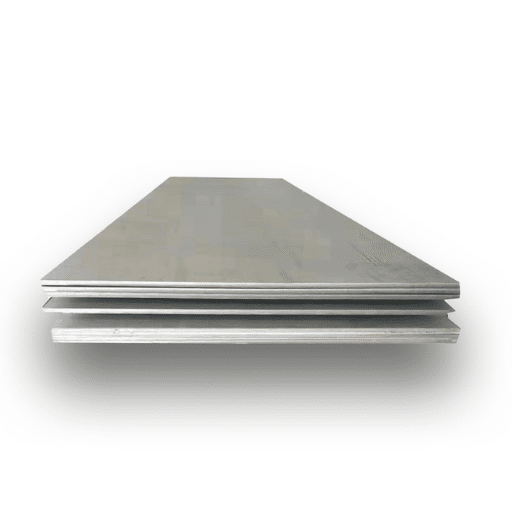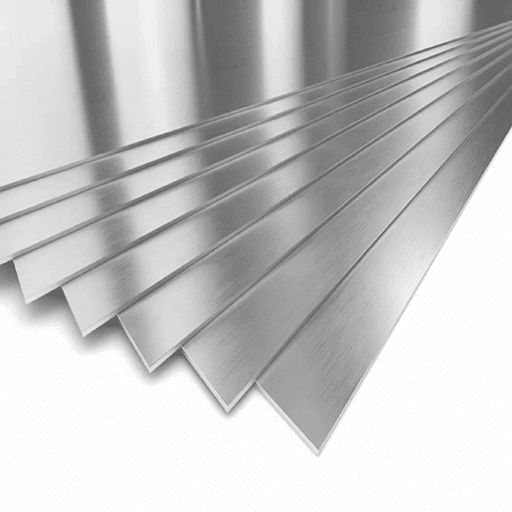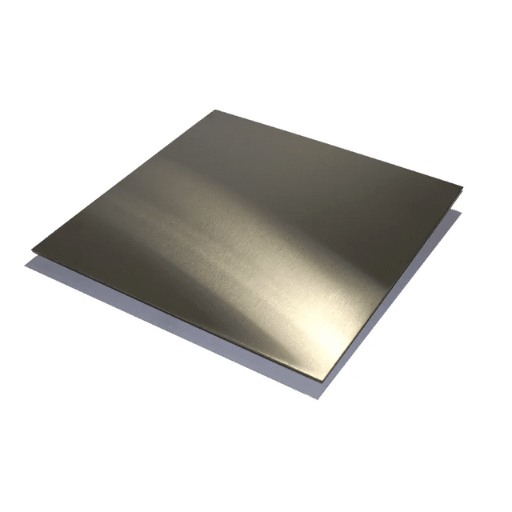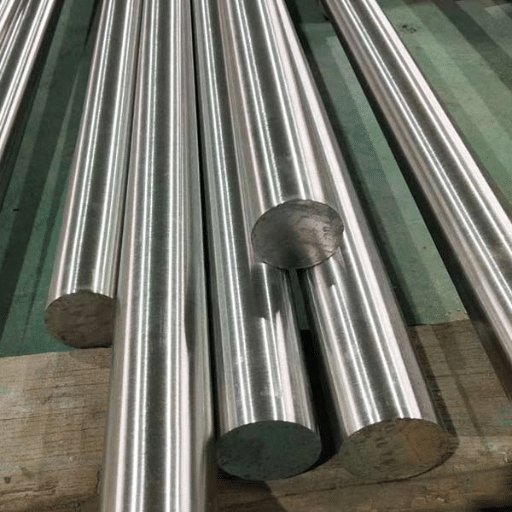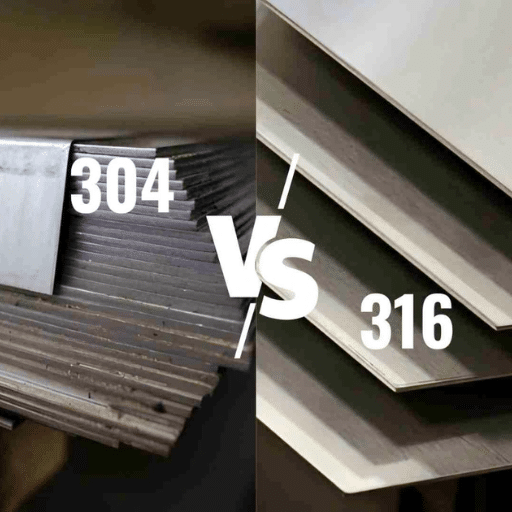
For food equipment, both 304 and 316 stainless steel can be suitable when the completed surface is cleanable, corrosion-resistant, and appropriate for its intended service. In most lower-chloride indoor applications, 304 is a practical choice. Specify 316 when salt, brine, chloride-bearing cleaners, aggressive wet service, or coastal exposure creates a greater risk of pitting and crevice corrosion.
The phrase 304 vs 316 stainless steel food grade can be misleading if it suggests that an alloy name alone proves compliance. It does not. The food medium, cleaning program, surface condition, weld quality, drainage, and applicable hygienic requirements all affect the suitability of a finished component.
Consider Elena, a procurement manager sourcing stainless steel sheet for indoor bakery worktables. Her food contact conditions are dry to moderately wet, the washdown process uses compatible cleaning chemicals, and the equipment is well drained. Specifying 316 simply because it is perceived as more premium may add cost without a measurable service benefit. A seafood processing line, however, faces a different decision when salt residues, washdown water, and crevices are part of daily service.
This guide gives engineers and buyers a practical way to choose between 304 and 316 for tanks, piping, conveyor components, commercial kitchen equipment, and fabricated food-processing parts. It also explains what to include in an RFQ so the supplied material can be verified against the actual application.
Key Takeaways
- 304 is commonly suitable for standard indoor food-contact equipment with lower chloride exposure and a compatible cleaning regime.
- 316 contains 2-3% molybdenum, which improves resistance to localized corrosion in chloride-containing service conditions.
- Neither grade alone makes a finished product universally “food grade”; cleanability, surface condition, welds, and relevant compliance requirements also matter.
- For welded tanks and piping, specify the grade, product standard, surface treatment, traceability, and applicable fabrication requirements rather than relying on a general grade label.
- The best value comes from matching corrosion resistance to the documented process, not automatically buying the higher-alloy grade.
304 vs 316 Stainless Steel Food Grade: The Key Difference

The key difference in a 304 vs 316 stainless steel food grade decision is corrosion resistance in the actual operating environment. Both are austenitic stainless steels. Both are widely used in food equipment because they offer useful corrosion resistance, formability, and cleanable surfaces when correctly fabricated and maintained.
However, Type 316 includes molybdenum, while Type 304 does not use it as a specified alloying addition. That addition gives 316 an important advantage against localized corrosion, especially pitting and crevice corrosion associated with chloride exposure. It is the reason 316 is often considered for brine handling, seafood processing, chloride-bearing cleaning residues, and coastal installations.
According to ASTM A240/A240M, Type 304 typically contains 18-20% chromium and 8-10.5% nickel. Type 316 typically contains 16-18% chromium, 10-14% nickel, and 2-3% molybdenum. The applicable material standard, UNS designation, product form, and condition should appear in the purchase specification.
| Property | Type 304 / UNS S30400 | Type 316 / UNS S31600 | Food-equipment relevance |
|---|---|---|---|
| Chromium | 18-20% | 16-18% | Supports the passive oxide layer responsible for stainless steel corrosion resistance. |
| Nickel | 8-10.5% | 10-14% | Supports the austenitic structure and general corrosion performance. |
| Molybdenum | No specified Mo addition | 2-3% | Improves resistance to localized chloride corrosion. |
| Typical direction | Standard lower-corrosion food service | Higher-chloride or more aggressive wet service | Confirm against actual product, cleaning, and environment. |
Food grade is a finished-equipment question
For food-contact equipment, the grade is only one part of the specification. U.S. current good manufacturing practice rules require equipment and utensils to be adequately cleanable and properly maintained under 21 CFR § 117.40. The FDA Food Code likewise addresses smoothness, cleanability, corrosion resistance, nonabsorbency, and the prevention of objectionable transfer from food-contact surfaces.
Therefore, do not describe a raw 304 or 316 sheet as automatically FDA approved or universally food grade. The final equipment must be suitable for the conditions of use and any requirements set by the buyer, local authority, customer audit, or applicable certification program. For broader grade context, review our complete stainless steel guide.
Need a second review of the service conditions before placing an order? Our technical consultation team can help structure a material request around the food medium, cleaning chemistry, temperature, fabrication, and documentation requirements.
304 vs 316 Stainless Steel for Food Processing
The most reliable way to choose between 304 and 316 stainless steel for food processing is to identify the corrosion drivers before comparing quotations. The food itself matters, but it is not the only consideration. Water quality, chemical concentration, temperature, contact time, deposits, and the equipment geometry can all affect performance.
When 304 is a practical choice
304 is commonly specified for indoor commercial kitchen equipment, standard food preparation surfaces, storage components, and many food-processing applications with lower chloride exposure. It can offer an appropriate balance of corrosion resistance, fabrication performance, and cost when the equipment is cleanable, drained, and maintained according to a compatible sanitation program.
For example, a dry-goods packing line may use 304 sheet for guards, hoppers, and work surfaces. A refrigerated preparation room may also be a suitable 304 application when there is no meaningful salt, brine, or aggressive chemical exposure. Buyers can compare forms, finishes, and standard options through our 304 stainless steel guide.
When 316 provides useful additional protection

316 is generally worth considering when chloride-containing conditions are part of normal operation. This includes brine, salty ingredients, seafood residues, chloride-bearing cleaning chemicals, persistent wet deposits, and salt-laden coastal air. Molybdenum improves resistance to localized attack, but it does not make 316 immune to corrosion.
A proper review should cover the cleaner or sanitizer name, concentration, temperature, contact duration, rinsing procedure, and any residue that can remain in seams or low-drainage areas. A chemical that is acceptable at one concentration and temperature can be unsuitable at another. Review the planned service conditions with the equipment designer and chemical supplier before releasing the material specification.
For food equipment that needs a larger corrosion-resistance margin, our 316 stainless steel guide explains the grade’s composition and typical applications in more detail.
An illustrative sanitation scenario
In an illustrative example, Marcus sources 304 tube for a chilled beverage skid. The first specification only lists “stainless steel tube” and does not identify the sanitizer or cleaning temperature. During a design review, the maintenance team confirms that the CIP program includes a chloride-bearing product and extended wet contact in several dead-leg-prone joints. The team updates the project to evaluate 316L for the wetted circuit and adds drainability, weld treatment, and inspection requirements. The decision is not based on a marketing label; it is based on documented conditions that can be checked by procurement and fabrication teams.
304 vs 316 Food Equipment Selection Matrix
Use the following table as a preliminary material-selection aid. It does not replace application-specific corrosion testing, hygienic-design review, or customer and regulatory requirements.
| Service condition | Preliminary grade direction | Why it matters |
|---|---|---|
| Standard indoor preparation, handling, or storage with lower-corrosion exposure | 304 | Often suitable when surfaces are cleanable, well maintained, and exposed to compatible cleaners. |
| Freshwater washdown with a compatible, non-aggressive cleaning regime | 304, subject to validation | Confirm water quality, chemistry, temperature, weld condition, and drainage. |
| Brine, salty ingredients, seafood, pickled products, or chloride-containing residues | 316 | Molybdenum adds resistance to localized chloride corrosion. |
| Chloride-bearing cleaning chemicals or demanding CIP service | 316, after chemical review | Concentration, temperature, contact time, deposits, and crevices affect performance. |
| Coastal or salt-air exposure | 316 | External chloride exposure can affect equipment even when the food is not salty. |
| Welded tanks, process piping, and fabricated assemblies | 304L or 316L based on corrosion environment | Low-carbon grades and correct post-fabrication surface treatment can be important. |
The table shows why “316 is always better” is not an effective purchasing rule. Using 316 where 304 meets all documented requirements may increase material cost without improving the project outcome. Conversely, using 304 in a salt- or chloride-rich process can create a premature-corrosion risk that is far more expensive than the material saving.
Elena’s bakery worktable and a coastal seafood processor’s washdown line may both be called food equipment, yet their selection logic is different. The bakery may reasonably focus on 304, finish, fabrication, and cleanability. The seafood line should prioritize corrosion margin, no-harborage geometry, drainage, surface restoration after welding, and validation of its cleaning program.
Selection note: Do not turn this matrix into a universal compliance claim. Confirm process chemistry, water quality, cleaning conditions, equipment design, applicable standards, and required inspections before finalizing the grade.
Surface Finish, Welds, and Hygienic Design Matter as Much as Grade
A polished, cleanable 304 surface can perform better in its intended service than a poorly fabricated 316 component. Weld heat tint, shop contamination, embedded free iron, rough grinding marks, scale, and inaccessible crevices can reduce corrosion performance or make equipment harder to clean. Grade selection cannot compensate for poor design and fabrication control.
Specify surface condition and post-fabrication treatment
A purchase specification should state the needed surface finish and any treatment required after fabrication. ASTM treats cleaning and descaling separately from passivation in ASTM A380/A380M and ASTM A967/A967M. These documents help distinguish a defined treatment process from an unsupported use of the word “passivated.”
For a fabricated food-contact component, ask whether weld discoloration will be removed, how surface contamination will be prevented, and how the specified surface condition will be verified. Avoid using carbon-steel brushes or tools on stainless steel surfaces. They can transfer iron contamination that later appears as rust staining.
Use L grades deliberately for welded assemblies
304L and 316L are low-carbon versions of their respective grades. They are often specified for welded tanks, piping, and other assemblies where the welding procedure and corrosion environment need particular attention. The L designation does not remove the need for correct welding, cleaning, and surface-restoration practices.
Hygienic design also matters. Surfaces must be accessible and drainable. Joints should not trap product or cleaning solution. If a project requires a 3-A Symbol or another hygienic-design certification, specify the relevant equipment standard and certification scope. An alloy designation alone does not grant that certification. Learn more about the design standards through 3-A Sanitary Standards.
For a broader discussion of food-contact grades, surface requirements, and documentation, see our guide to food grade stainless steel standards.
When Is 316 Worth the Extra Cost?

A 304 versus 316 cost comparison should not stop at the price per kilogram. The relevant question is whether the selected grade provides enough corrosion resistance for the equipment’s planned service life and cleaning routine. Consider total installed and operating cost:
- Raw material and fabrication cost
- Rework risk during fabrication
- Cleaning and maintenance requirements
- Downtime if corrosion develops
- Replacement parts or full equipment replacement
- Audit, quality, and product-contamination risk
In a standard indoor application, a correctly specified 304 component can be the responsible cost-effective option. In a brine tank, a seafood washdown system, or a poorly drained coastal installation, a 316 upgrade can provide a justified corrosion-resistance margin. The decision belongs in the design and procurement record, supported by the actual process conditions.
An illustrative lifecycle-cost scenario
Noor is preparing an RFQ for two food-processing skids. The initial bid comparison focuses only on the sheet and tube price. Before award, Noor adds five questions: What is the chloride exposure? Which chemicals are used for cleaning? What temperature and contact time apply? Where can residues collect? Which mill certificates and surface-treatment records are required?
The answers reveal that one skid has benign indoor service while the other handles a salted product near an open washdown zone. Noor specifies 304 for the first project and requests a 316L evaluation for the second. The procurement team can then compare like-for-like quotes rather than paying for a blanket upgrade or accepting an under-specified material.
Food-Equipment RFQ Checklist for 304 and 316 Stainless Steel
A complete request for quotation improves the likelihood that the delivered material matches the design intent. Include the following information when requesting sheet, plate, coil, pipe, tube, bar, fittings, or fabricated components:
- Food medium: Identify food ingredients, salt, brine, acids, and product residues.
- Cleaning program: List cleaner and sanitizer chemicals, concentrations, temperatures, contact times, and rinsing steps.
- Operating conditions: Provide process temperature, pressure where relevant, indoor/outdoor installation, humidity, and coastal exposure.
- Material form: State whether the project needs sheet, plate, coil, pipe, tube, bar, fittings, or fabricated parts.
- Grade and condition: Identify 304, 304L, 316, or 316L, plus the applicable product standard and delivery condition.
- Dimensions and finish: Define thickness, diameter, wall thickness, tolerances, surface finish, and any customer roughness requirement.
- Fabrication scope: State cutting, forming, welding, pickling, cleaning, passivation, and inspection requirements.
- Traceability: Request Mill Test Certificates or Material Test Reports, heat-number traceability, and positive material identification when the project requires it.
- Hygienic requirements: Identify any customer specification, local code, NSF, 3-A, EHEDG, or other required compliance pathway.
- Packaging and handling: Specify protection against mechanical damage and cross-contamination during delivery and fabrication.
Providing this information helps LIANYUNGANG DAPU METAL recommend an appropriate grade, supply the correct product form, and prepare documentation for your project’s inspection process. Request custom material specifications with the service details above to start a technical quotation review.
FAQ: 304 vs 316 Food Grade Stainless Steel
Is 304 stainless steel food grade?
304 stainless steel can be suitable for many food-contact applications when the finished equipment is corrosion-resistant, smooth, cleanable, and suitable for its intended use. It is not correct to treat the grade name alone as a universal food-grade certificate. Confirm the food medium, cleaning chemicals, surface condition, fabrication quality, and applicable requirements.
Is 316 stainless steel food grade, and when is it better than 304?
316 is not automatically better for every food-processing application. Its molybdenum addition provides an advantage where chlorides, brine, aggressive wet cleaning, deposits, crevices, or coastal exposure create a localized-corrosion risk. Where those drivers are absent, 304 may meet the requirement more economically.
Does 316 stainless steel rust?
316 has stronger resistance to localized chloride corrosion than 304, but it can still corrode. High chloride levels, elevated temperature, crevice conditions, deposits, surface contamination, poor drainage, and unsuitable cleaning chemistry can all affect its performance. Treat corrosion resistance as a service-condition question, not a permanent guarantee.
Should a food tank use 304L or 316L?
The correct choice depends on the product, cleaning program, welding requirements, surface finish, and corrosion environment. Evaluate 304L for standard lower-corrosion service and 316L where a documented chloride or aggressive wet-service condition justifies additional localized-corrosion resistance. The completed tank design and fabrication quality are equally important.
Choose the Grade for the Actual Food Process
A sound 304 vs 316 stainless steel food grade decision begins with the real process, not a general assumption. 304 is commonly a practical choice for standard indoor food equipment with lower chloride exposure and a compatible cleaning program. 316 is often the better choice when brine, salt residues, chloride-bearing cleaners, demanding wet service, or coastal exposure create a higher risk of localized corrosion.
Before you purchase, document the food medium, sanitation chemistry, operating conditions, product form, surface requirement, weld treatment, and traceability needs. Then compare quotations against the same technical specification. This approach protects both equipment performance and project cost.
LIANYUNGANG DAPU METAL supplies stainless steel materials in multiple grades, forms, finishes, and custom dimensions for industrial projects. Contact our metal experts for a technical material review and provide your operating conditions to receive a quote aligned with your application.