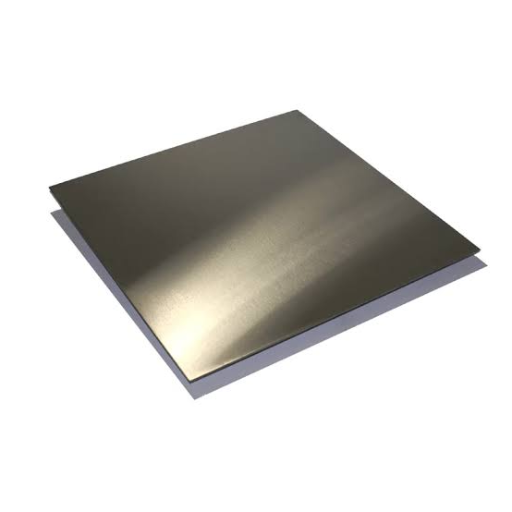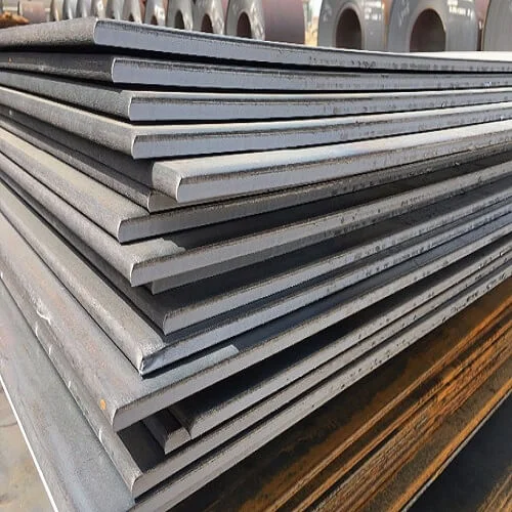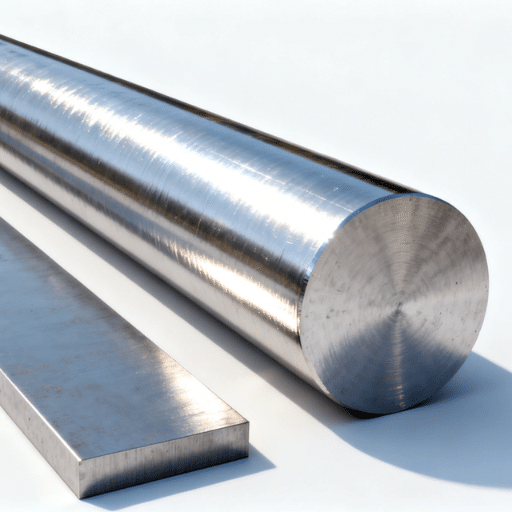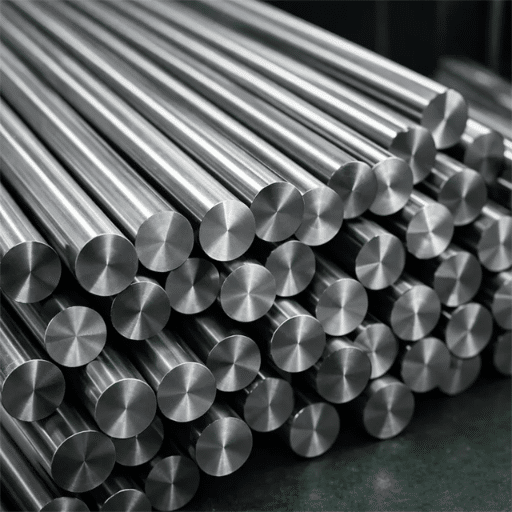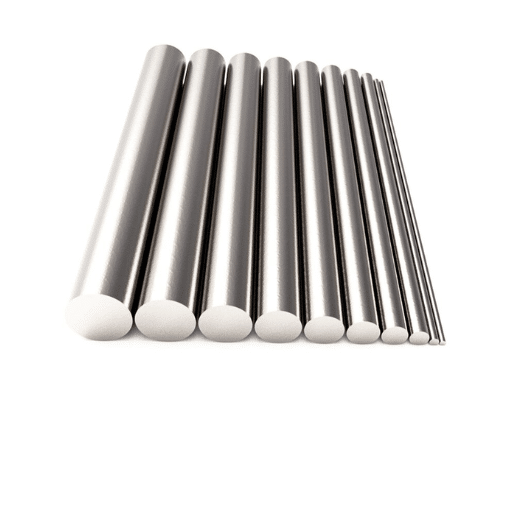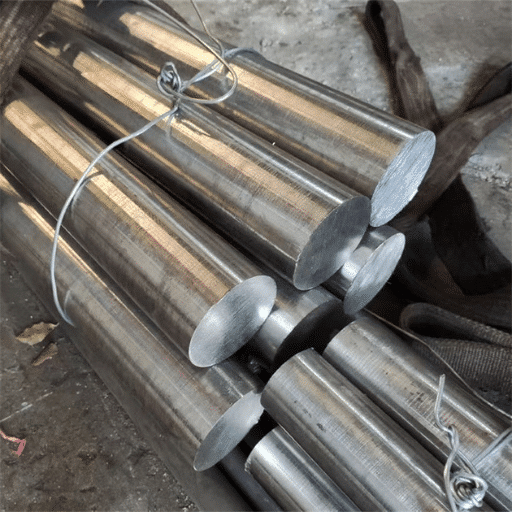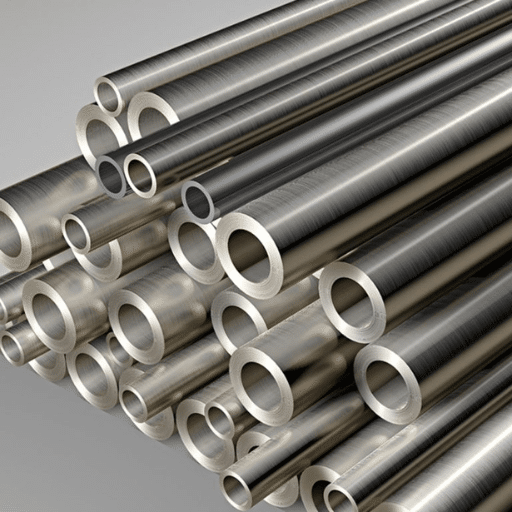
The five types of stainless steel are austenitic, ferritic, martensitic, duplex, and precipitation-hardening (PH). Austenitic grades such as 304 and 316 account for over 50 percent of global production and are the default choice for most corrosion-resistant applications. Each family has distinct mechanical properties, cost profiles, and fabrication requirements that determine which one belongs in your specification.
In 2024, a procurement manager in Dubai was sourcing material for an indoor architectural handrail project. The engineer on the job specified 316L stainless steel. The manager placed the order. When the 316L arrived, it performed perfectly. It also cost 30 percent more than 304, which would have delivered identical corrosion resistance in that dry, air-conditioned environment. The material was fine. The specification was wrong.
Most guides explain what the types of stainless steel are. Few explain how to choose between them, or how to avoid paying for performance you do not need. This guide covers all five stainless steel families, their key grades, and the selection criteria that actually matter for procurement and engineering. You will also learn how to verify type on a Mill Test Certificate and when upgrading to a more expensive grade is worth the cost.
Key Takeaways
- Austenitic stainless steel (304, 316) is the most common type, making up over 50 percent of global production. It is non-magnetic and offers excellent corrosion resistance.
- Ferritic grades (430, 409) contain no nickel, making them more price-stable and magnetic. They suit indoor and low-corrosion environments.
- Martensitic grades (410, 420, 440C) can be hardened by heat treatment. They are ideal for tools, cutlery, and wear-resistant components.
- Duplex grades (2205, 2507) combine high strength with superior chloride resistance. They cost significantly more but can reduce material volume by half.
- Precipitation-hardening grades (17-4 PH) deliver the highest strength-to-weight ratio for aerospace and nuclear applications.
- Selection should start with the service environment, not the price list. Over-specification to 316 in mild conditions wastes 20 to 35 percent in material cost.
For a broader overview of stainless steel properties and applications, see our complete stainless steel guide.
What Are the 5 Types of Stainless Steel?

Stainless steel is not a single material. It is a family of iron-based alloys that contain at least 10.5 percent chromium. The chromium forms a passive oxide layer on the surface that prevents rust. Beyond that common trait, the five families diverge in crystal structure, alloy content, mechanical properties, and cost.
The global stainless steel market reached approximately USD 146 billion in 2026, according to the World Stainless Association. Austenitic grades alone account for 53.2 percent of that market by value. Understanding the differences between families is essential for engineers who specify materials and for procurement teams who buy them.
Stainless Steel Types at a Glance
| Type | Crystal Structure | Magnetic | Corrosion Resistance | Relative Cost | Common Grades |
|---|---|---|---|---|---|
| Austenitic | Face-centered cubic (FCC) | No* | Excellent | Moderate | 304, 316, 321, 310 |
| Ferritic | Body-centered cubic (BCC) | Yes | Moderate | Lower | 430, 409, 439 |
| Martensitic | Body-centered tetragonal (BCT) | Yes | Moderate | Medium | 410, 420, 440C |
| Duplex | Mixed FCC + BCC | Yes | Very high | High | 2205, 2507 |
| Precipitation-Hardening | Varies | Varies | Good | High | 17-4 PH, 15-5 PH |
*Austenitic grades are generally non-magnetic when annealed. Cold working can introduce slight magnetism.
For detailed grade-by-grade data, refer to our stainless steel grades resource.
Types of Stainless Steel: Austenitic (300 Series)
Austenitic stainless steel is the workhorse of the industry and the most common of all types of stainless steel. It contains 16 to 26 percent chromium and 6 to 22 percent nickel, which stabilizes the face-centered cubic structure at room temperature. This structure gives austenitic grades their signature combination of formability, weldability, and toughness across a wide temperature range.
Key Grades
- 304 / 304L: The most widely used stainless steel grade globally. 304L is the low-carbon variant that prevents carbide precipitation during welding.
- 316 / 316L: Adds 2 to 3 percent molybdenum for superior chloride resistance. The default choice for marine and chemical environments.
- 321: Titanium-stabilized for high-temperature service where weld decay is a concern.
- 310: High chromium and nickel content for furnace parts and high-temperature oxidation resistance.
- 303: Free-machining grade with added sulfur. Easier to machine but reduced weldability and corrosion resistance.
Properties and Applications
Austenitic grades are non-magnetic in the annealed condition. They remain tough at cryogenic temperatures and can be cold-worked to increase strength. Weldability is excellent, though low-carbon L-grades or stabilized grades should be used for welded structures to avoid sensitization.
Applications include food processing equipment, chemical tanks, architectural facades, medical devices, and general industrial components. For a deeper dive into the most common grades, see our guides to 304 stainless steel and 316 stainless steel.
Procurement Notes
Austenitic grades are the most widely available from global suppliers. 304 is the default specification unless the environment contains chlorides or requires elevated temperature performance. Nickel content makes these grades subject to price volatility when nickel markets fluctuate. When comparing quotes, verify whether pricing is tied to a specific nickel benchmark.
If you need stainless steel sheets or stainless steel pipes in austenitic grades, most suppliers stock 304 and 316 as standard items.
Types of Stainless Steel: Ferritic (400 Series)
Ferritic stainless steels contain 10.5 to 30 percent chromium and little or no nickel. The body-centered cubic structure makes them magnetic. They cannot be hardened by heat treatment, and their formability is lower than austenitic grades. However, they offer good corrosion resistance in mild environments at a lower, more stable cost.
Key Grades
- 430: The most common ferritic grade. Good corrosion resistance for indoor use. Used in appliances, kitchenware, and automotive trim.
- 409: A low-cost grade with 11 percent chromium. Common in automotive exhaust systems.
- 439: Titanium-stabilized version of 430 with improved weldability and corrosion resistance.
- 444: Molybdenum-added grade with chloride resistance approaching 316 at a lower cost.
Properties and Applications
Ferritic grades are magnetic. They have moderate corrosion resistance and good resistance to stress corrosion cracking. Because they contain no nickel, their prices are more stable than austenitic grades.
Applications include automotive exhaust systems, washing machine drums, kitchenware, interior architectural trim, and appliance panels. For indoor or low-corrosion environments, 430 can substitute for 304 at a meaningful cost reduction.
Procurement Notes
A procurement team at an automotive interior supplier in Guangdong switched from 304 to 430 for non-structural trim panels in 2023. The change saved approximately 15 percent in raw material cost with no measurable difference in service life because the parts never faced corrosive exposure. The key was documenting that the application was indoor, non-welded, and non-structural.
When procuring ferritic grades, verify that magnetic properties will not interfere with the application. Some electronic enclosures and food processing lines require non-magnetic materials.
Types of Stainless Steel: Martensitic
Martensitic stainless steels contain 11.5 to 18 percent chromium and 0.15 to 1.2 percent carbon. The higher carbon content allows them to be hardened by quenching and tempering, similar to tool steels. They are magnetic and offer high strength and wear resistance, but their corrosion resistance is lower than austenitic or ferritic grades.
Key Grades
- 410: The basic martensitic grade. Can be heat-treated for moderate hardness. Used for valves, shafts, and pump components.
- 420: Higher carbon content for greater hardness. Common in cutlery, surgical instruments, and molds.
- 440C: The hardest of the common martensitic grades. Used for bearings, knife blades, and precision instruments.
Properties and Applications
Martensitic grades can achieve very high hardness through heat treatment. They are magnetic and machinable in the annealed condition. Corrosion resistance is adequate for mild environments but not comparable to austenitic grades.
Applications include cutlery, turbine blades, surgical instruments, valve components, shafts, and tooling. These grades are essential when wear resistance and hardness matter more than corrosion resistance.
Procurement Notes
Martensitic grades often require heat treatment specifications on the purchase order. A Mill Test Certificate for 410 in the annealed condition shows very different mechanical properties than 410 hardened to HRC 40. Verify that the MTC matches the required temper condition. If your supplier only offers annealed material, you may need to arrange heat treatment separately.
Types of Stainless Steel: Duplex

Duplex stainless steels have a mixed microstructure of roughly 50 percent austenite and 50 percent ferrite. This dual structure gives them approximately twice the yield strength of austenitic grades while maintaining excellent corrosion resistance. They contain high chromium, moderate nickel, and added nitrogen.
Key Grades
- 2205 / S31803: The most common duplex grade. Offers strength and chloride resistance for a wide range of industrial applications.
- 2507 / S32750: Super duplex with higher chromium, molybdenum, and nitrogen. For the most aggressive environments.
Properties and Applications
Duplex grades are magnetic. Their yield strength is roughly double that of 304 or 316, which means less material can be used for the same structural load. They offer superior resistance to stress corrosion cracking and pitting in chloride environments.
Applications include oil and gas processing, chemical plants, desalination equipment, marine structures, pressure vessels, and pulp and paper digesters. For marine environments where 316 may struggle, duplex is often the economical choice when total material volume is considered.
Procurement Notes
Duplex grades cost significantly more per kilogram than 316. However, because they are stronger, designs can use thinner sections. A pressure vessel designer in Singapore calculated that switching from 316L to 2205 reduced plate thickness by 30 percent. The material cost per kilogram was higher, but the total material weight was lower, and the overall project cost was roughly neutral with significantly better corrosion margins.
Welding duplex requires qualified welders and controlled heat input. Verify that your fabricator has duplex welding certification before specifying this family. Improper welding can destroy the balanced microstructure and reduce both strength and corrosion resistance.
Types of Stainless Steel: Precipitation-Hardening (PH)
Precipitation-hardening stainless steels combine chromium-nickel corrosion resistance with very high strength achieved through age-hardening heat treatment. They bridge the gap between martensitic stainless steels and high-strength low-alloy steels.
Key Grades
- 17-4 PH: The most widely used PH grade. Good combination of strength and corrosion resistance.
- 15-5 PH: Variant of 17-4 with improved toughness and transverse properties.
Properties and Applications
PH grades can be hardened to strengths comparable with many alloy steels while retaining moderate corrosion resistance. They are used in applications where high strength-to-weight ratio is critical.
Applications include aerospace components, high-strength marine fittings, nuclear reactor parts, gears, valves, and shafts. These are niche grades with longer lead times and higher costs.
Procurement Notes
PH grades are often produced to aerospace standards such as AMS 5643. Lead times can be longer than standard austenitic grades. For most industrial applications, duplex grades offer a better balance of strength, corrosion resistance, and availability. Specify PH only when the strength requirement genuinely exceeds what duplex can deliver.
Stainless Steel Types Comparison
The following table summarizes the key differences that matter for procurement decisions.
| Property | Austenitic | Ferritic | Martensitic | Duplex | PH |
|---|---|---|---|---|---|
| Yield Strength (MPa) | 200-300 | 240-350 | 400-1,900* | 450-650 | 700-1,380* |
| Corrosion Resistance | Excellent | Moderate | Moderate | Very high | Good |
| Magnetic | No | Yes | Yes | Yes | Yes |
| Weldability | Excellent | Good | Poor | Good (qualified) | Good |
| Heat Treatable | No | No | Yes | No | Yes |
| Relative Cost | Moderate | Lower | Medium | High | High |
| Common Forms | Sheet, coil, pipe, bar | Sheet, coil | Bar, plate | Plate, pipe, bar | Bar, plate, forging |
*After heat treatment
How to Choose the Right Type of Stainless Steel
The correct selection process starts with the service environment, not the price list.
Step 1: Define the Environment
- What chemicals or salts will the material contact?
- What is the temperature range?
- Will the material be exposed to marine or coastal atmosphere?
- Is the application indoor or outdoor?
Step 2: Define Mechanical Requirements
- What strength is required?
- Will the component be welded?
- Is wear resistance critical?
- Are magnetic properties acceptable or prohibited?
Step 3: Define Fabrication Constraints
- Will the material be formed, machined, or welded?
- Do you have access to qualified duplex welders if needed?
- Is heat treatment available if martensitic grades are chosen?
Step 4: Evaluate Total Cost
- Material cost per kilogram is only one factor.
- Consider fabrication cost, maintenance, replacement frequency, and downtime risk.
- Duplex may cost more per kilogram but less overall if thinner sections suffice.
- Ferritic may cost less per kilogram but require replacement sooner in aggressive environments.
The Over-Specification Trap
In 2023, a chemical plant maintenance team in Thailand replaced a batch of 304 tank internals with 316L because “316 is better.” The tanks held deionized water at ambient temperature. The 304 internals had lasted twelve years without significant corrosion. The 316L replacements cost 28 percent more and offered no practical improvement in service life. The specification was not wrong originally. The upgrade was unnecessary.
For help selecting the right grade for your environment, our team offers technical consultation based on your specific application.
Magnetic vs Non-Magnetic Stainless Steel
Magnetism is a common point of confusion. Only austenitic grades are generally non-magnetic in the annealed condition. All other types are magnetic.
Cold working can cause austenitic grades to develop slight magnetism because the deformation creates small regions of martensite. This does not affect corrosion resistance, but it can matter for applications near sensitive instruments or in food processing lines that use magnetic separators.
If non-magnetic properties are essential, specify annealed austenitic grades and verify with your supplier.
Temperature Limits by Stainless Steel Type
Operating temperature limits vary by family and grade.
- Austenitic: Excellent from cryogenic temperatures up to approximately 800 degrees Celsius, depending on the grade. 310 and 321 are designed for sustained high-temperature service.
- Ferritic: Generally limited to 400 to 500 degrees Celsius. Above this range, embrittlement becomes a concern.
- Martensitic: Used up to approximately 650 degrees Celsius in the tempered condition. Higher temperatures soften the material.
- Duplex: Typically limited to 300 degrees Celsius for long-term service. Above this temperature, the austenite-ferrite balance shifts.
- PH: Generally limited to 315 to 480 degrees Celsius depending on the aging treatment.
For furnace components and high-temperature process equipment, verify that your grade is rated for the actual sustained operating temperature, not just intermittent peaks.
Standards and Certifications by Type
Different industries require different standards. The Nickel Institute publishes technical guides on material selection by environment. Common references include:
- ASTM A240: Plate, sheet, and strip for pressure vessels and general applications
- ASTM A276: Bars and shapes
- ASTM A479: Bars and shapes for boilers and pressure vessels
- ASME Section II: Pressure vessel materials
- NACE MR0175 / ISO 15156: Sour service requirements for oil and gas
- 3-A Sanitary Standards: Food and dairy equipment surface requirements
- AMS specifications: Aerospace material standards, commonly used for PH grades
When procuring stainless steel for regulated industries, specify the standard on the purchase order and verify compliance on the Mill Test Certificate.
Mill Test Certificates: What to Verify for Each Type

The Mill Test Certificate is your proof of what you received. Different families require different verification priorities.
For austenitic grades, verify chromium, nickel, and molybdenum content. For 316L, confirm carbon content is below 0.03 percent. For 304, verify nickel content is at least 8 percent.
For ferritic grades, verify chromium content and confirm absence of significant nickel. Some suppliers may substitute ferritic for austenitic to cut cost, which can be detected by checking nickel content.
For martensitic grades, verify carbon content and hardness after heat treatment. The MTC should specify the temper condition.
For duplex grades, verify that chromium is above 21 percent, molybdenum above 2.5 percent, and nitrogen is present. Ferrite content should be between 40 and 60 percent. Some buyers request a separate ferrite test report.
For all types, verify that the heat number on the MTC matches the markings on the material. If precision matters, request Positive Material Identification (PMI) testing as an additional verification step.
For standard industrial procurement, carbon steel products and stainless grades are available with full Mill Test Certification. For cutting and forming services, we also offer custom processing for all types of stainless steel.
Frequently Asked Questions
What are the different types of stainless steel?
The five types of stainless steel are austenitic, ferritic, martensitic, duplex, and precipitation-hardening (PH). Austenitic is the most common, followed by ferritic. Martensitic is used for hardness, duplex for strength and chloride resistance, and PH for extreme strength requirements.
What is the most common type of stainless steel?
Austenitic stainless steel is the most common type, accounting for over 50 percent of global production. Grade 304 is the most widely used individual grade.
Is stainless steel magnetic?
It depends on the type. Austenitic grades such as 304 and 316 are generally non-magnetic when annealed. Ferritic, martensitic, duplex, and PH grades are magnetic. Cold working can make austenitic grades slightly magnetic.
What is the strongest type of stainless steel?
Precipitation-hardening grades such as 17-4 PH offer the highest strength. Duplex grades such as 2205 offer roughly twice the yield strength of austenitic grades and are often the practical choice for high-strength corrosion-resistant applications.
Which type of stainless steel is best for kitchen use?
Grade 304 austenitic stainless steel is the standard for kitchen sinks, appliances, and utensils. Grade 316 is used for high-salt or acidic food processing. Grade 430 ferritic is used for lower-cost decorative panels. For regulatory requirements, see our guide to food-grade stainless steel.
What is the cheapest type of stainless steel?
Ferritic grades such as 409 and 430 are generally the lowest cost because they contain no nickel. However, the cheapest suitable type depends on the application. Using ferritic in a marine environment will cost more over time due to premature replacement.
Can all types of stainless steel be welded?
Austenitic grades have excellent weldability. Ferritic grades have good weldability with controlled heat input. Martensitic grades require preheat and post-weld heat treatment. Duplex grades require qualified welders and controlled procedures. PH grades have good weldability in the solution-treated condition.
What does 18/8 and 18/10 mean?
These numbers refer to chromium and nickel content. 18/8 means 18 percent chromium and 8 percent nickel, which approximates grade 304. 18/10 means 18 percent chromium and 10 percent nickel, which is a higher-nickel variant with slightly better formability.
What is duplex stainless steel used for?
Duplex stainless steel is used in oil and gas processing, chemical plants, desalination, marine structures, and pressure vessels. Its high strength allows thinner sections, and its chloride resistance exceeds that of 316.
How do I verify the type of stainless steel I received?
Check the Mill Test Certificate for chemical composition against the specification. For critical applications, request Positive Material Identification (PMI) testing or spot chemical analysis to confirm grade.
Conclusion
The five types of stainless steel each serve distinct engineering and procurement needs. Austenitic grades such as 304 and 316 are the default for corrosion resistance. Ferritic grades offer lower cost for mild environments. Martensitic grades deliver hardness for tools and wear parts. Duplex grades combine strength and chloride resistance for demanding industrial applications. Precipitation-hardening grades serve niche high-strength roles. Understanding these types of stainless steel helps buyers match specification to service conditions.
The right choice depends on environment, mechanical requirements, fabrication method, and total cost of ownership. Starting with the service conditions and working toward the material — rather than defaulting to the most expensive grade — will produce better engineering outcomes and lower procurement costs.
If you need certified stainless steel materials with accurate specifications for your next project, contact us for a quotation. LIANYUNGANG DAPU METAL CO., LTD supplies stainless steel sheets, stainless steel coils, pipes, and bars across all major families with full Mill Test Certification and global delivery.