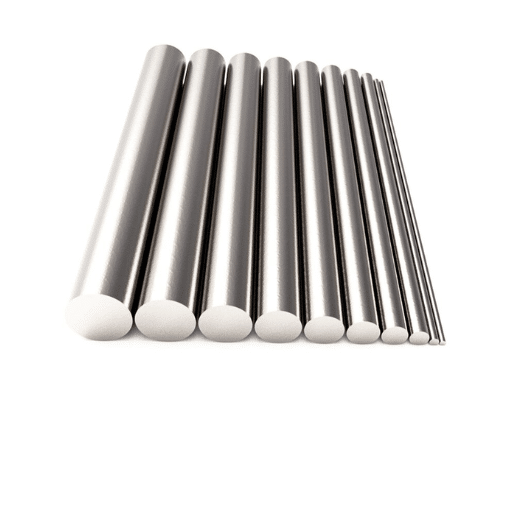
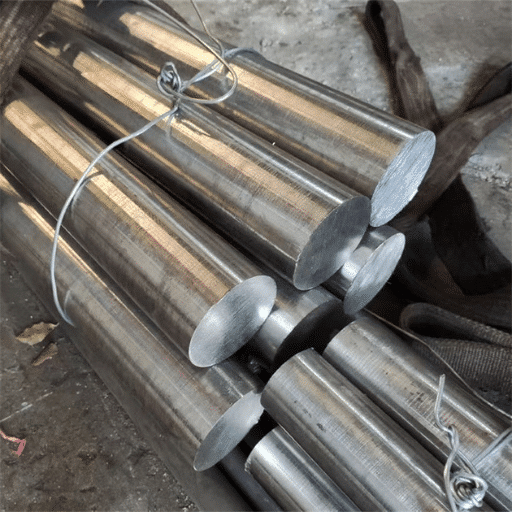
The absence of a weld seam in seamless pipe construction results in enhanced strength and better ability to withstand pressure, but welded pipe construction provides a cost advantage, which ranges from 20 percent to 50 percent while remaining suitable for most applications that require low to medium pressure. The correct choice requires you to evaluate your operational needs together with applicable code standards and your available financial resources, instead of assuming that seamless pipes provide better performance than other options.
In 2023, a Chinese EPC contractor shipped twelve kilometers of ERW welded pipe to a desalination project in Saudi Arabia. The client rejected the entire shipment because the piping specification, buried in an appendix of the contract, mandated seamless construction per API 5L PSL2. The total replacement expenses reached above $180,000, which included costs for urgent air freight delivery. The pipe itself met the necessary technical standards for its intended use. The failure occurred because of incorrect specifications instead of faulty materials.
The article provides a complete comparison between seamless and welded pipe through its assessment of their manufacturing methods. You will discover the manufacturing process for each pipe type and their strength characteristics and their price points, and their corrosion resistance, together with the specific situations that require you to choose one pipe type over the other. You will receive a practical decision-making framework, which you can use for your upcoming project work.
Key Takeaways
- Seamless pipe has no weld seam, giving it higher uniform strength and better performance in high-pressure, high-temperature, and corrosive environments.
- Welded pipe is manufactured by rolling steel plate or coil and joining the edges, making it more economical and available in much larger diameters.
- Under ASME B31.3, seamless pipe carries a joint efficiency factor of E = 1.00, while ERW welded pipe carries E = 0.85.
- Modern welded pipe with 100% ultrasonic or radiographic inspection of the weld seam is increasingly accepted for services that previously required seamless pipe.
- The choice is driven by piping codes, operating conditions, corrosion exposure, and project budget, not by pipe type alone.
- For stainless steel applications, the weld seam can create sensitization in the heat-affected zone, which may require post-weld heat treatment or favor seamless selection.
If you need help selecting the right pipe type for your project, our team provides technical consultation for material selection and specification review.
What Is the Difference Between Seamless and Welded Pipe?

The fundamental difference between these two things is easy to understand. Seamless pipe is produced through the process of making a complete steel billet into a pipe without creating any welded connections. The process of making welded pipe involves shaping a steel plate or strip into a cylinder and attaching the edges through welding.
The production method difference leads to multiple impacts that affect strength, expenses, product distribution, and product size uniformity. The different manufacturing methods of each type lead to different performance outcomes in specific use cases.
How Seamless Pipe Is Manufactured
Seamless pipe starts as a solid round steel billet. The researchers heated the billet to about 1,200 degrees Celsius before they used a rotary piercing mill to create a central hole through the metal in the Mannesmann process. The workers stretched the rolled billet until they achieved the required outer diameter and wall thickness.
The steel pipe contains one continuous metal section which eliminates the need for a longitudinal weld seam. The grain structure of seamless pipe maintains its uninterrupted path throughout the entire pipe diameter which creates consistent mechanical characteristics.
The procedure demands significant energy consumption while producing reduced material output. A seamless pipe mill typically converts only 65 to 75 percent of the billet mass into finished pipe. The remaining material turns into scale and trim and process scrap. The low yield rate causes higher production expenses for seamless pipe manufacturing.
The company produces limited-size options. Most seamless pipe mills can produce up to approximately 24 inches (610 mm) in outer diameter. The production of larger sizes becomes impossible because of these two factors which include limitations on billet size and restrictions on piercing force.
How Welded Pipe Is Manufactured
Welded pipe begins as steel plate, strip, or coil. The material is rolled into a cylindrical shape, and the longitudinal edges are joined by welding.
Three main welding methods are used:
- ERW (Electric Resistance Welded): High-frequency electric current heats the edges of a steel strip, which are then pressed together. ERW is the most common method for pipe diameters up to 24 inches.
- LSAW (Longitudinal Submerged Arc Welded): A steel plate is formed into a cylinder, and the longitudinal seam is welded using submerged arc welding. LSAW is used for large-diameter pipe, typically 16 to 60 inches.
- SSAW (Spiral Submerged Arc Welded): A steel coil is formed into a spiral, and the spiral seam is welded continuously. SSAW is used for very large diameters and long-distance pipelines.
Welded pipe manufacturing achieves much higher material utilization. A welded pipe mill typically converts over 90 percent of the coil or plate mass into finished pipe. The process is also faster and less energy-intensive. These factors make welded pipe significantly more economical.
Diameter flexibility is another advantage. Because welded pipe starts from plate or coil, it can be produced in very large diameters, 100 inches or more, that are impossible to manufacture as seamless pipe.
Seamless vs Welded Pipe: Side-by-Side Comparison
| Factor | Seamless Pipe | Welded Pipe | Notes |
|---|---|---|---|
| Manufacturing | Hot rotary piercing from solid billet | Rolling and welding plate, strip, or coil | Seamless has no weld seam |
| Weld Seam | None | Longitudinal (ERW, LSAW) or spiral (SSAW) | Seam gives welded pipe a potential weak point |
| Strength | Higher uniform strength; isotropic properties | Good strength; seam is a potential stress concentrator | Modern ERW narrows the gap |
| Pressure Rating | Excellent for high pressure and high temperature | Suitable for low-to-medium pressure | Seamless withstands ~20% higher pressure |
| Joint Efficiency (ASME B31.3) | E = 1.00 | E = 0.85 (ERW) | Welded needs thicker wall for same pressure |
| Corrosion Resistance | Superior; no seam to attack | Weld seam and HAZ can be vulnerable | PWHT can mitigate HAZ issues |
| Cost | 20-50% more expensive than welded | More economical | Unit price only; TCO may differ |
| Size Range | Typically up to ~24″ (610 mm) OD | Highly flexible; 100″+ diameter possible | Large diameters require welded |
| Wall Thickness Tolerance | +/-12.5% (can vary due to eccentricity) | +/-10% (ERW) or +/-8% (LSAW) | Welded is more uniform |
| Material Yield | 65-75% of billet mass | Over 90% of coil or plate mass | Lower yield drives seamless cost |
| Lead Time | 8-16 weeks (standard); 20+ weeks (specialty) | 4-10 weeks; often in stock | Seamless requires billet procurement |
| Best Applications | High-pressure lines, boilers, chemical processing, nuclear | Structural, water systems, HVAC, large-diameter pipelines | Application dictates choice |
The table presents fundamental distinctions between two things, yet requires numerical data to understand its meaning.
Welded pipe shows superior performance through its ability to meet wall thickness requirements. The piercing process creates uncontrolled results that cause the seamless pipe to experience eccentricity and wall thickness variations throughout its circumference. The rolling process establishes strict controls that determine welded pipe wall thickness through plate or strip material specifications. For applications requiring precise wall thickness, this can be an important consideration.
Seamless pipe offers better performance than welded pipe because it lacks a weld seam, which protects against cyclic loading and corrosion damage. The welded pipe seam produces a heat-affected zone (HAZ) which develops a different microstructure pattern. The HAZ region of welded pipe develops into a primary crack initiation zone under conditions of sour service with hydrogen sulfide and cyclic stress.
Strength and Pressure Rating Comparison

Seamless pipe generally offers higher tensile strength and better pressure capacity because there is no weld seam to act as a potential failure point. Under the ASME B31.3 Process Piping Code, seamless pipe is assigned a joint efficiency factor of E = 1.00, while ERW welded pipe is assigned E = 0.85.
What does that mean in practice? The welded pipe requires a wall thickness that exceeds the seamless pipe requirement because it needs 18 percent more thickness to reach the same safety levels of both pipes which share the same material grade. The seamless pipe exhibits better pressure resistance because it maintains the same wall thickness as other pipes.
The performance gap has decreased to a significant extent.
Modern high-frequency ERW (HFI) welding technology, together with 100 percent ultrasonic or radiographic inspection of the weld seam, creates welded pipe that shows reliable performance across multiple applications that previously needed seamless construction. Multiple engineering firms have modified their requirements to permit welded pipe with complete seam non-destructive testing for Category D fluid applications according to ASME B31.3 standards, which cover non-flammable and non-toxic substances used at intermediate temperatures and pressures.
The key requires matching the pipe selection to its intended service. The industry considers seamless pipe as the standard option, which contractors must use for high-pressure hydrocarbon transmission, boiler tubes and nuclear applications, and cryogenic service. The industry considers modern welded pipe, which undergoes proper inspection, as sufficient for water distribution, structural supports, HVAC, and general utility piping systems.
The construction of seamless pipe allows for defects to form during manufacturing. The piercing process can produce internal laminations, inclusions and areas of eccentricity. The proper inspection process requires both hydrostatic testing, ultrasonic testing, and eddy current inspection to be performed on all pipe types.
Standards and Testing Requirements
Both seamless and welded pipe must meet rigorous testing requirements under their applicable standards. Hydrostatic testing is required by most specifications, including ASTM A53, ASTM A106, and API 5L. The test pressure is typically calculated at 60 to 80 percent of the specified minimum yield strength.
Non-destructive testing (NDT) requirements differ by pipe type and standard:
- Seamless pipe: Ultrasonic testing (UT) for longitudinal defects, eddy current testing for surface flaws, and hydrostatic testing are standard. Some specifications require full-body UT.
- Welded pipe: In addition to hydrostatic testing, the weld seam must be inspected by ultrasonic or radiographic methods. API 5L PSL2 requires 100 percent seam inspection for welded line pipe.
When evaluating pipe schedule differences and pressure ratings, refer to our guide on pipe schedule differences for detailed wall thickness and pressure data.
Cost Comparison: Why Seamless Pipe Costs More
Seamless pipe typically costs 20 to 50 percent more than welded pipe of equivalent nominal size, grade, and schedule. In some specialty alloys and large diameters, the premium can be even higher.
Several factors drive this cost difference:
- Raw material efficiency: Seamless production converts only 65 to 75 percent of the billet into finished pipe. Welded production converts over 90 percent of the coil or plate.
- Energy consumption: Heating a solid billet to piercing temperature and maintaining rolling temperatures requires significantly more energy than forming and welding cold or warm-rolled strip.
- Production rate: Welded pipe mills run at higher speeds and produce more linear meters per hour.
- Billet availability: High-quality seamless pipe requires clean, low-inclusion billets. Billet supply can be constrained, especially for specialty alloys.
- Size premiums: Large-diameter seamless pipe is scarce and expensive because few mills can produce it.
However, unit price is not the whole story.
Total Cost of Ownership
The total ownership expenses of critical applications will determine which option between seamless pipe and welded pipe becomes more advantageous. The costs for shutting down a facility plus replacing welded pipes that break at their seams during high-pressure operations will surpass any initial material savings. The seamless pipe offers better corrosion resistance than welded pipes, which enables longer operational periods and reduced upkeep needs in both sour service and marine environments.
A natural gas transmission line operates at a pressure of 1200 psi. The cost of seamless pipe reaches 45 per meter, while welded pipes charge 30 per meter, which means a 50 percent premium. The initial cost difference amounts to 150000 for a distance of 10 kilometers. A weld seam failure will shut down operations for three days at a processing facility that loses 150000 per day in production. A single incident wipes out the material savings while creating a safety hazard because a weld seam failure will shut down operations for three days at a processing facility that loses 80000 per day in production.
The economic advantages of welded pipe become clear for non-critical uses. A water treatment plant or commercial HVAC system does not need the pressure capacity or corrosion margin of seamless pipe. The specification of seamless pipes for these services represents a budget waste.
The Shandong Municipal Water Authority required 48-inch intake lines for a new reservoir in 2024. A seamless pipe at that diameter simply does not exist. The engineering team selected LSAW-welded ASTM A53 Grade B pipe, which they received after six weeks at approximately one-fifth the price of any theoretical seamless solution. The pipeline has functioned properly since its initial operation started.
Corrosion Resistance and the Weld Seam Factor
Corrosion behavior is one area where the presence of a weld seam creates a genuine difference.
The welding process establishes a heat-affected zone (HAZ) in welded pipe, which extends from the weld seam. The HAZ has a different microstructure than the base metal. In carbon steel, this difference results in minor changes which do not create major corrosion problems for neutral pH conditions.
Stainless Steel Weld Seam Considerations
The situation becomes more challenging in a stainless steel pipe because of its complex pipe system. The high temperatures during welding can cause chromium carbide precipitation at the grain boundaries in the HAZ. This process leads to chromium depletion from areas that surround carbides, which results in decreased protection against corrosion. The phenomenon is known as sensitization.
Certain environments lead to increased intergranular corrosion susceptibility in weld seams and HAZ areas because of sensitization. The standard solution is post-weld heat treatment (PWHT), which people call solution annealing because it redissolves chromium carbides to restore uniform corrosion resistance. The specification of PWHT as the treatment method for critical stainless steel applications.
Low-carbon grades such as 304L and 316L reduce sensitization risk because their lower carbon content limits chromium carbide formation. Stabilized grades such as 321 and 347 contain titanium or niobium, which preferentially form carbides and protect chromium in the matrix.
The HAZ in welded pipe becomes more vulnerable to sulfide stress cracking when sour service environments contain hydrogen sulfide. This is why many oil and gas specifications require seamless pipe for sour service lines, or welded pipe with strict HAZ hardness limits and full NDT.
The corrosion difference between seamless and welded pipe becomes unimportant for general water service and atmospheric exposure and benign chemical environments. Both perform well when specified in the correct grade for the environment.
Seamless vs Welded Stainless Steel Pipe
Most articles on seamless vs welded pipe focus on carbon steel. For stainless steel grades, the weld seam creates additional considerations that affect grade selection and specification.
| Grade | Seamless Applications | Welded Applications | Key Consideration |
|---|---|---|---|
| 304 | High-pressure food processing, pharmaceutical | General food service, structural, and sanitary piping | Welded 304 is acceptable for most services; use 304L or PWHT for corrosive weld environments |
| 316 | Marine, chemical processing, chloride exposure | General chemical service, architectural, large-diameter ducting | Seamless avoids HAZ in critical chloride service; welded 316 with PWHT is widely used |
| 2205 Duplex | Oil and gas processing, desalination, high-chloride | Water treatment, pulp and paper, structural | High strength allows thinner walls; seamless is preferred for high-pressure sour service |
For a detailed comparison of the two most common grades, see our 304 vs 316 comparison. Both grades are available in seamless and welded construction, but the service conditions should drive the choice.
In general, welded stainless steel pipe is suitable for the majority of food processing, architectural, and low-to-medium pressure chemical applications. Seamless stainless steel pipe is preferred for high-pressure, high-temperature, or corrosive services where HAZ sensitization cannot be fully mitigated. For marine and chloride-exposed environments, 316 stainless steel seamless pipe eliminates the weld seam vulnerability entirely.
Applications: Where Each Pipe Type Excels

Best Applications for Seamless Pipe
Seamless pipe is the right choice when reliability under extreme conditions is non-negotiable:
- High-pressure oil and gas transmission: Pipeline sections operating above standard distribution pressures, especially in sour service.
- Boiler and heat exchanger tubes: High temperatures and pressures demand uniform wall thickness and no seam weak points.
- Chemical and petrochemical processing: Corrosive media at elevated temperatures require consistent material properties.
- Nuclear power applications: ASME Section III codes often mandate seamless pipe for safety-critical systems.
- Aerospace and cryogenic service: Extreme temperature cycling and low-temperature embrittlement concerns favor seamless construction.
- Hydraulic and instrument tubing: Small-diameter, high-pressure lines where wall thickness uniformity is critical.
For stainless steel applications, seamless pipe is often preferred in marine environments, high-chloride chemical processing, and nuclear applications where stainless steel pipes must perform without weld seam risk.
Best Applications for Welded Pipe
Welded pipe is the practical and economical choice for the majority of industrial applications:
- Structural and construction: Building frames, piling, and supports where load-bearing capacity is well within welded pipe limits.
- Water and sewage systems: Municipal water distribution, wastewater transport, and drainage at low to moderate pressures.
- Low-to-medium pressure fluid transport: Process utilities, cooling water, and non-critical process lines.
- Large-diameter pipelines: Oil and gas gathering lines, water transmission mains, and slurry pipelines where diameters exceed seamless capability.
- HVAC systems: Chilled water, heating hot water, and condensate lines.
- Architectural and general fabrication: Handrails, fencing, and mechanical supports.
For stainless steel applications, welded pipe is commonly used in food processing, dairy, general chemical service, and architectural applications where pressure and corrosion demands are moderate.
Standards and Specifications to Know
Pipe standards define manufacturing requirements, chemical composition, mechanical properties, and testing protocols. Knowing which standard applies to which pipe type is essential for proper specification. These standards are maintained by organizations such as ASTM International and the American Society of Mechanical Engineers.
| Standard | Pipe Type | Material | Primary Application | Key Requirements |
|---|---|---|---|---|
| ASTM A106 | Seamless | Carbon steel | High-temperature service | Mandatory hydrostatic test; seamless only |
| ASTM A53 | Welded and Seamless | Carbon steel | General service and pressure | Grades A and B; black or galvanized |
| ASTM A312 | Seamless and Welded | Austenitic stainless steel | High-temperature and general corrosion | Covers 304, 304L, 316, 316L, etc. |
| ASTM A790 | Seamless and Welded | Duplex stainless steel | Corrosive service | Covers 2205, 2507, etc. |
| API 5L | Seamless and Welded | Carbon steel | Oil and gas transmission | PSL1 and PSL2; welded requires 100% seam NDT for PSL2 |
| EN 10216 | Seamless | Various steels | Pressure purposes | European standard; equivalent to ASTM A106 |
| EN 10217 | Welded | Various steels | Pressure purposes | European standard for welded pressure tubes |
| JIS G3454 | Seamless and Welded | Carbon steel | Pressure service | Japanese standard |
| JIS G3459 | Seamless and Welded | Stainless steel | Pressure service | Japanese standard for stainless pipe |
Note that some standards, such as ASTM A53 and API 5L, cover both seamless and welded pipe. The standard specifies different manufacturing, testing, and acceptance criteria for each type. Always verify whether the seamless or welded version of a dual-standard specification is required for your application.
How to Choose: A Practical Decision Framework
Most articles on seamless vs welded pipe describe the technical differences without giving you a way to decide. Here is a practical framework you can use.
Start with these five questions:
- What does your piping code require?
Check ASME B31.3, API 5L, or your client’s engineering specification. If the code mandates seamless for your service class, that is your answer. For example, ASME B31.3 Category M (toxic fluids) and many high-pressure hydrocarbon specs require seamless or impose strict limits on welded pipe. - What are your operating pressure and temperature?
- Above 1,000 psi (69 bar) or above 750 degrees Fahrenheit (400 degrees Celsius): strongly consider seamless.
- Below 300 psi (21 bar) and below 400 degrees Fahrenheit (200 degrees Celsius): welded pipe with proper inspection is usually sufficient.
- In between: evaluate based on safety factors, consequences of failure, and code requirements.
- What is the corrosion exposure?
- Sour service (hydrogen sulfide), chloride-rich environments, or cyclic wet-dry exposure: seamless or welded with PWHT and full NDT.
- Neutral water, atmospheric exposure, or benign chemicals: welded pipe is adequate.
- What diameter do you need?
- Above 24 inches (610 mm): welded pipe is your only practical option.
- Below 2 inches (50 mm): seamless pipe is readily available and often competitively priced.
- In between: both are options; let pressure and corrosion drive the decision.
- What is your budget?
- If seamless costs 40 percent more but your safety margin requires it, the cost is justified.
- If a welded pipe with full NDT meets all technical requirements, the savings belong in your budget.
The procurement manager at a petrochemical plant in Zhejiang used this checklist for a recent expansion project. The original specification called for seamless 316L pipe throughout. The team assessed operating conditions to conclude that the reactor feed lines and high-pressure steam lines needed seamless construction. The team switched the cooling water and nitrogen and utility lines to welded 316L pipe which underwent complete X-ray inspection. The revision saved approximately 185000 from a 2.1 million pipe package without decreasing system reliability.
Supply, Lead Time, and Sourcing Considerations
Beyond technical performance, practical supply factors influence the seamless vs welded pipe decision.
The lead times show large differences between the two materials. Seamless pipe production needs companies to obtain billets, which need to undergo heating and piercing processes that require extensive finishing work. The standard grades require 8 to 16 weeks’ lead time, while specialty alloys need 20 weeks or longer for production. The production of welded pipe begins with the use of existing coil or plate material. The standard sizes of products can be found in stock, while customers can expect their custom orders to arrive between 4 and 8 weeks after placing their request.
Welded pipe becomes the preferred option for small projects because it has lower requirements for minimum order quantities. Seamless pipe mills often require minimum tonnages per size and grade. The only feasible option for the project, which requires three hundred meters of piping materials, is to purchase welded pipe from the distributor’s inventory.
Welded pipe provides easier access to custom pipe sizes. The manufacturing process of welded pipe creates products that can be made into non-standard pipe dimensions through specific roll adjustments that depend on selected plate gauges. The production of small custom seamless pipe sizes needs dedicated billet procurement and die changes, which create high financial barriers for businesses.
Different regions around the world offer different degrees of availability. The Asia Pacific region controls the majority of seamless pipe production, which mainly occurs in Chinese, Japanese,, and Indian manufacturing facilities. Seamless pipe obtained from these regions will provide international projects with cost-effective solutions, but businesses must confirm product quality and obtain necessary certifications.
LIANYUNGANG DAPU METAL CO. LTD provides customers with both seamless and welded steel pipe products, which include carbon steel, stainless steel, and alloy materials. Our inventory includes standard sizes ready for global shipment, and we support custom specifications for project-specific requirements.
Frequently Asked Questions
What is the difference between seamless and welded pipe production?
Producing seamless pipe begins with heating a steel billet, which operators subsequently pierce through its center using a rotary piercing mill. The processing begins with operators cutting a steel plate or strip, which they shape into a cylinder, before using welding methods such as ERW, LSAW, or SSAW to join the edges.
Are seamless pipes always stronger than welded pipes?
Seamless pipes exhibit greater strength, which enables them to withstand 15 to 20 percent more pressure than welded pipes that match their material specifications and wall thickness. The modern HFI-ERW welded pipe system achieves dependable performance through its complete inspection method, which assesses all welding seams for medium-pressure applications. The strength difference between materials establishes crucial importance in applications that experience high-pressure conditions and high-temperature environments and cyclic load movements.
Does welded pipe technology eliminate the seam weakness?
Modern welding technology and automated non-destructive testing have significantly reduced the risk of seam defects, but they have not eliminated the fundamental difference. The weld seam and heat-affected zone still represent a metallurgical discontinuity. This issue does not present significant challenges for most applications that operate at low to medium pressure levels. The piping selection process considers seams as a crucial factor when choosing pipes for high-pressure and sour service applications.
Why is seamless pipe more expensive than welded pipe?
The higher production costs of seamless pipe show that it needs more resources to make than welded pipe because seamless pipe requires 20 to 50 percent extra materials. The seamless premium is justified when the application demands the highest reliability.
Can seamless and welded pipes be used interchangeably?
The two materials function as interchangeable options for basic low-pressure systems, which do not have critical requirements, but they lack complete compatibility. For high-pressure, high-temperature, corrosive, or cyclic-load services, seamless and welded pipe have different performance characteristics. The final determination should always be based on the applicable piping code, client specifications, and engineering analysis.
Which is better for oil and gas pipelines: seamless or welded?
It depends on the service. High-pressure transmission lines, sour service, and safety-critical systems often require seamless pipe. Large-diameter gathering lines, water injection lines, and low-pressure distribution pipelines commonly use welded pipe. API 5L covers both types and specifies different testing requirements for each.
How can you tell if a pipe is seamless or welded?
The easiest method for determining pipe type requires visual inspection. Welded pipe usually shows a weld bead that appears on either the inner or outer surface of the pipe along its longitudinal seam. Seamless pipes exhibit a unified surface that lacks any visible weld seams. Non-destructive testing methods such as eddy current inspection need to validate the presence of seam lines which become visible after grinding the weld bead to a level surface.
What are the disadvantages of welded pipes?
The main disadvantages are the potential weakness at the weld seam, reduced pressure capacity compared to seamless pipe of the same dimensions, susceptibility of the HAZ to corrosion in aggressive environments, and lower joint efficiency factors under some piping codes. The disadvantages of these systems present a major problem for most applications, but modern welding technology and inspection solutions resolve this issue.
When should you choose a seamless pipe over a welded pipe?
Choose seamless pipe when the application involves high pressure (above 1000 psi), high temperature (above 750 degrees Fahrenheit), corrosive environments where HAZ cannot be mitigated, cyclic loading, or when the applicable piping code mandates seamless construction. Seamless is also required when the pipe diameter is small and seamless is readily available at competitive pricing.
What standards apply to seamless vs welded pipe?
The common standards that apply to seamless pipe include ASTM A106, ASTM A312 (which also includes welded pipe), ASTM A335, EN 10216, and JIS G3454. The common standards for welded pipe include ASTM A53, ASTM A671, API 5L (which also includes seamless), EN 10217, and JIS G3457. Some standards, such as ASTM A53 and API 5L, cover both types with different requirements for each.
Conclusion
The seamless versus welded pipe argument lacks a solution that applies to all situations. Seamless pipes provide superior strength and pressure resistance and enhanced corrosion protection for critical applications. Welded pipes deliver substantial cost advantages and permit greater size options, and they can be obtained by most industrial uses at a faster rate.
The correct selection requires equipment that meets your operational requirements and complies with your plumbing standards and remains within your financial limits. The premium price of seamless pipe provides value for critical high-pressure and high-temperature applications. Utilities, structural projects, and fluid transportation needs require modern welded pipe, which comes with proper inspection as the most cost-effective solution.
Project stakeholders should reach out to us for technical assistance in determining the appropriate pipe selection for their projects. LIANYUNGANG DAPU METAL CO., LTD supplies seamless and welded steel pipe in carbon steel, stainless steel, and alloy grades with full certification and global delivery.
Request a quote for your next project, or explore our stainless steel pipes to find the right material for your application.