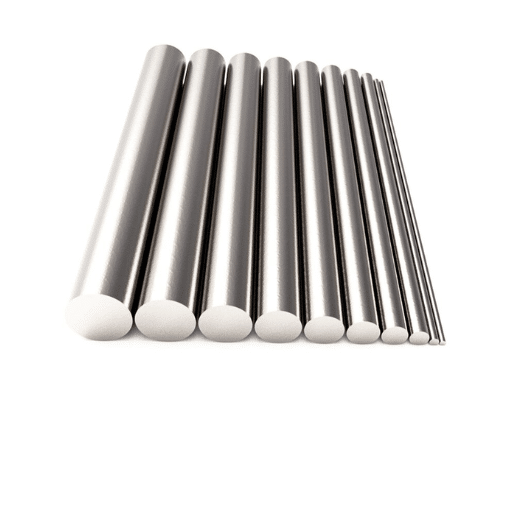
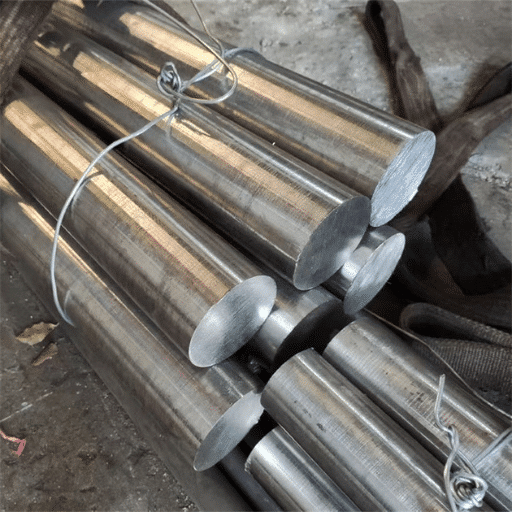
For most buyers, titanium jewelry wins on sensitive skin, weight, and active wear; 316L stainless steel jewelry wins on price, shine, and plating flexibility. Neither metal is perfect. The right choice depends on who will wear the piece, how it will be finished, and what the line needs to cost.
Here is a fact that surprises many buyers: a lot of jewelry sold as “titanium steel” is not titanium at all. It is usually 316L stainless steel with a gray PVD finish. That naming trick is one reason the titanium vs stainless steel jewelry decision, and specifically the titanium steel vs stainless steel jewelry confusion, is harder than it should be.
In this guide, we compare the two metals grade by grade. You will learn which alloy is truly hypoallergenic, how much lighter titanium really is, why titanium costs more, and what jewelers, importers, and buyers need to know before placing an order. For the broader material comparison, see our guide to titanium vs stainless steel.
Key Takeaways
- Titanium jewelry is 100% nickel-free and hypoallergenic; 316L stainless steel contains 10-14% nickel and can trigger reactions in severe allergy sufferers.
- Titanium is roughly 40-45% lighter than stainless steel, which matters for large rings, earrings, and necklaces.
- 316L stainless steel is typically 30-50% cheaper than titanium and takes PVD gold, rose, and black plating better.
- ASTM F-136 implant-grade titanium is the standard for fresh piercings; 316L is generally used for healed piercings and fashion jewelry.
- “Titanium steel” is usually stainless steel in disguise. Check the grade, not the marketing label.
Titanium vs Stainless Steel Jewelry: Quick Comparison

Use this table to compare the two metals across the decision points that matter most for titanium vs stainless steel rings, earrings, necklaces, and body jewelry.
|——–|——————|——————————|
| Nickel content | 0% | ~10-14% (tightly bound) |
| Hypoallergenic rating | Excellent | Good for most |
| Weight vs same-size steel | ~55-60% | 100% baseline |
| Mohs hardness | ~6.0 | ~5.5-6.0 |
| Tarnish resistance | Excellent; no traditional tarnish | Very good; may dull over years |
| Typical finish | Matte grey, gunmetal | Bright mirror polish |
| Color options | Anodized (blue, purple, bronze) | PVD plated (gold, rose, black) |
| Resizing | Very difficult or impossible | Difficult but possible |
| Price vs comparable piece | 30-50% higher | Lower |
| Best for | Sensitive skin, active wear, body jewelry | Fashion jewelry, plated lines, budget |
Is Titanium or Stainless Steel Better for Jewelry?
Choose titanium jewelry when the wearer has sensitive skin, when the piece will be worn during sports or swimming, or when the jewelry is intended for fresh piercings. Its zero nickel content, light weight, and corrosion immunity make it the safer long-term choice.
Choose 316L stainless steel jewelry when the goal is a bright, mirror-like finish, a lower price point, or a PVD-plated color collection. It is the workhorse of fashion jewelry because it machines, polishes, and plates easily at volume.
Most consumers will be happy with either metal for everyday fashion pieces. The difference becomes critical for body piercings, severe nickel allergies, and premium lines where weight and finish are selling points.
Material Grades Used in Jewelry
Not all titanium is equal, and not all stainless steel is 316L. The grade stamped on the metal determines whether the piece is safe, durable, and worth the price.
Titanium Grades for Jewelry
- Commercially pure titanium (Grade 1 / Grade 2): Soft enough to machine, 100% nickel-free, and widely used for rings, earrings, and necklaces.
- Ti-6Al-4V, Grade 5: Stronger and slightly darker than CP titanium. Used where extra hardness matters, though it is less common for delicate jewelry.
- ASTM F-136 (Ti-6Al-4V ELI): The implant-grade standard professional piercers recommend for fresh piercings. “ELI” stands for Extra Low Interstitial, which improves toughness and biocompatibility.
If a supplier simply says “titanium” without a grade, ask for certification. Implant-grade and commercially pure titanium are not the same as titanium-coated steel.
Stainless Steel Grades for Jewelry
- 316L / surgical steel: The jewelry industry standard. The low carbon content reduces corrosion, and the nickel is tightly bound in the alloy matrix, so nickel release is low.
- 304 stainless steel: A common lower-cost alternative. It is still corrosion-resistant, but it contains slightly more nickel and is less resistant to chloride exposure than 316L. For a full grade profile, see our 304 stainless steel guide.
- 201 / 430 stainless steel: Budget grades often used in cheap fashion jewelry. 201 can release more nickel, and 430 is ferritic (magnetic) with lower corrosion resistance. Avoid these for body jewelry or long-wear pieces.
For the premium corrosion-resistant grade, our 316 stainless steel guide covers specifications and jewelry applications in detail.
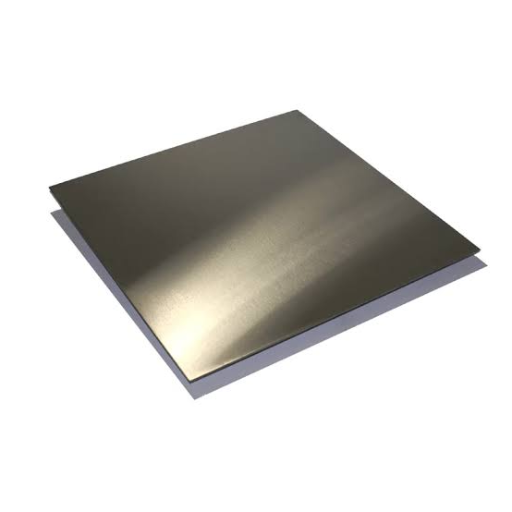
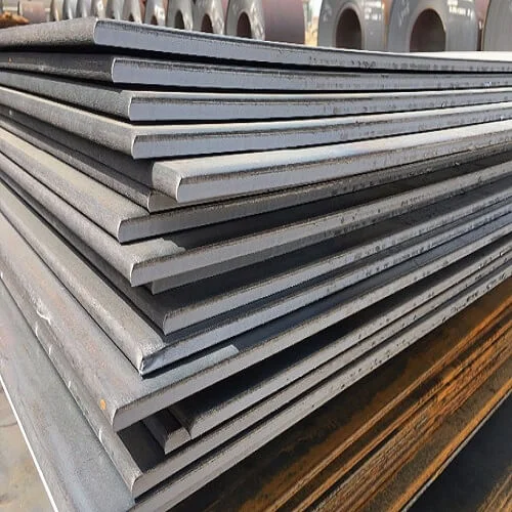
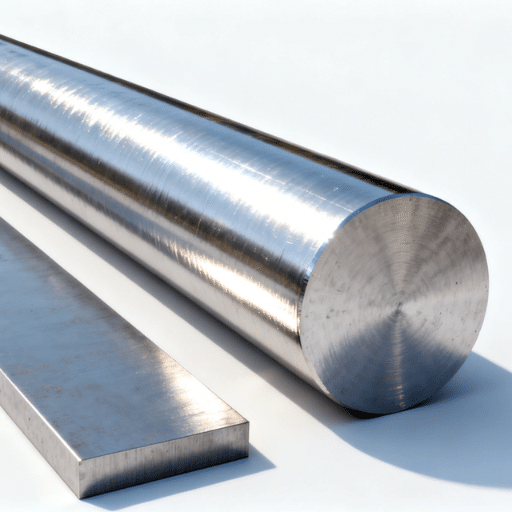
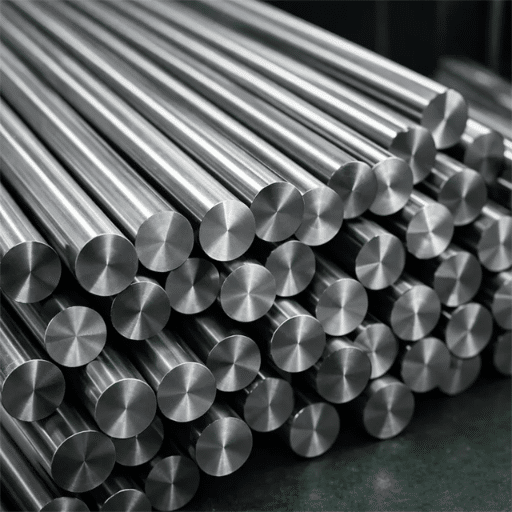
For buyers sourcing raw material, LIANYUNGANG DAPU METAL supplies 316 stainless steel products and 304 stainless steel products in sheets, coils, rods, and tubes for jewelry manufacturing.
Durability, Scratch Resistance, and Tarnish

Both metals are durable, but they age differently.
Titanium forms a thin titanium dioxide (TiO2) layer that protects it from corrosion. It does not tarnish in the traditional sense, and it stands up to sweat, saltwater, chlorine, and skincare products. The trade-off is that titanium is harder to polish. Surface scratches on titanium tend to stay, giving the metal a matte or brushed patina over time.
316L stainless steel is highly scratch-resistant and easy to buff back to a bright shine. It resists rust and tarnish under normal conditions, though it can dull after years of contact with oils, soaps, and lotions. Prolonged saltwater or chlorine exposure can increase the risk of pitting, so rinsing after swimming is good practice.
Mini-Story: The Active Wearer
In 2024, a customer named James bought a titanium wedding band before a triathlon season. He swam, cycled, and showered with it daily for 18 months. The ring picked up fine scratches but never tarnished, corroded, or turned his finger green. His previous 201 stainless steel ring had started to dull after six months of gym wear.
Hypoallergenic Properties and Nickel Content
This is the most important factor for many buyers searching for hypoallergenic titanium vs stainless steel jewelry.
Titanium contains no nickel. It is considered biocompatible and is used in medical implants. For people with nickel allergies or sensitive skin, titanium is usually the safest metal choice. Brilliant Earth’s hypoallergenic metals guide lists titanium among the best options for sensitive skin.
316L stainless steel contains nickel, typically 10-14% by weight. The nickel is tightly alloyed, so release rates are low, which is why 316L is often marketed as hypoallergenic. However, it is not nickel-free. People with severe nickel allergies may still react. Shiny Steel Jewelry’s hypoallergenic guide explains that 316L is safe for most wearers but not guaranteed for everyone.
“Hypoallergenic” is not a regulated term. A product can claim hypoallergenic status even if it contains nickel. The safest approach is to specify the grade and, for sensitive users, recommend a nickel test kit.
For fresh piercings, professional piercers usually recommend ASTM F-136 titanium. 316L is generally acceptable only for healed piercings, and even then, titanium is preferred for allergy-prone clients.
Weight and Comfort
Titanium’s low density is one of its biggest advantages in jewelry. A titanium ring or earring weighs roughly 55-60% of an identical 316L piece. That matters more than buyers expect for large rings, statement titanium vs stainless steel earrings, and chunky necklaces.
The weight difference is small for a thin band but becomes noticeable for wide rings, large pendants, or hoops. For the exact density numbers behind the difference, see our titanium vs stainless steel weight guide.
Some wearers actually prefer the heavier feel of stainless steel because it feels more substantial. Others find titanium almost unnoticeable, which is ideal for all-day comfort and active wear.
Mini-Story: The Earring Line Buyer
Maya, a buyer for an online accessories brand, tested sample hoop earrings in both titanium and 316L stainless steel. Customer feedback was split: the titanium hoops sold better to athletes and travelers because they were light, while the stainless steel hoops appealed to buyers who wanted a “premium weight” feel. She split the line by use case instead of choosing one metal.
Color, Finish, and Customization
The visual difference between the two metals is obvious once you look closely.
Titanium has a natural matte grey, slightly gunmetal appearance. It cannot be electroplated in the same way as stainless steel, but it can be anodized. Anodizing creates an oxide layer that reflects color without adding a coating, producing shades of blue, purple, bronze, and gold. The color is surface-level and can wear on high-contact areas over time.
316L stainless steel takes a bright mirror polish more easily and is the better base for PVD plating. Physical vapor deposition applies a thin, durable layer of gold, rose gold, black, or other colors. PVD finishes on 316L are common in fashion jewelry because they look premium at a lower cost than solid precious metals.
For jewelers deciding between the two, the question is often: do you want natural titanium color and anodized accents, or do you want mirror shine and plated color options?
Price and Manufacturing Economics
Comparable titanium jewelry typically costs 30-50% more than 316L stainless steel. The gap comes from three places:
- Raw material cost: Titanium is more expensive per kilogram than stainless steel.
- Machining and finishing: Titanium is harder to cut, drill, engrave, and polish. It wears tooling faster and requires specialized equipment.
- Resizing and repair: Titanium’s hardness makes rework difficult, which raises warranty and service costs.
Stainless steel, by contrast, is abundant, easy to machine, and compatible with standard jewelry polishing and plating workflows. That makes it the default metal for high-volume fashion lines.
For a deeper breakdown of the material cost difference, read our titanium vs stainless steel cost guide.
Sourcing jewelry-grade materials in volume? Contact LIANYUNGANG DAPU METAL to request a quote.
Resizing, Repair, and Jewelry-Making Considerations
Jewelers need to think beyond the sale. Maintenance affects customer satisfaction and repeat business.
Titanium rings are notoriously difficult to resize. Many jewelers cannot resize titanium at all. If a customer orders the wrong size, a replacement is often the only practical option. Laser engraving is possible, but traditional ring sizing tools will not work. This makes titanium a better fit for made-to-order lines with accurate sizing than for mass-market stock.
Stainless steel is also harder to resize than gold or silver, but it is more forgiving than titanium. Standard polishing equipment can restore a scratched stainless steel piece, and PVD-plated items can sometimes be re-plated if the finish wears.
For body jewelry, titanium’s biocompatibility usually outweighs the repair challenge. For fashion rings and bracelets sold in volume, stainless steel’s serviceability is a practical advantage.
When Jewelers and Importers Should Choose Each

Use this framework when sourcing materials or planning a jewelry line.
Choose titanium when:
- The target market includes people with sensitive skin or nickel allergies.
- The line includes body jewelry or fresh-piercing pieces.
- The pieces will be marketed as waterproof, active, or travel-friendly.
- Weight and comfort are selling points.
- The brand can absorb a higher material cost for a premium positioning.
Choose 316L stainless steel when:
- The line is price-sensitive fashion jewelry.
- You need a bright mirror finish or PVD-plated colors.
- Production volumes are high and margins are thin.
- The pieces need to be easy to polish, plate, or repair.
- The target audience does not have known nickel allergies.
Mini-Story: The Importer’s Warning
In early 2025, an importer named Lin received a shipment of rings labeled “titanium steel.” Her client assumed they were solid titanium and priced them accordingly. Lab testing showed the rings were 316L stainless steel with a titanium-colored PVD coating. Lin now requires suppliers to specify the exact grade and alloy composition before any order ships.
Conclusion
The titanium vs stainless steel jewelry choice comes down to three questions: Who is wearing it? How will it be finished? And what does it need to cost?
Titanium is the safer, lighter, more corrosion-resistant choice. It is ideal for sensitive skin, fresh piercings, and active lifestyles. 316L stainless steel is the more affordable, shinier, more versatile choice for fashion jewelry and plated collections.
Both metals can be excellent. If you are still asking is titanium better than stainless steel for jewelry, the honest answer is: it is better for skin sensitivity and active wear, while stainless steel is better for budget and finish flexibility. The risk is mislabeling: “titanium steel,” unspecified “surgical steel,” and budget grades like 201 can create quality problems and customer complaints. Specify the grade, verify the material, and match the metal to the use case.
For help selecting the right titanium or stainless steel grade for your jewelry line, contact LIANYUNGANG DAPU METAL to request a quote.
Titanium vs Stainless Steel Jewelry: FAQ
Is titanium or stainless steel better for jewelry?
Titanium is better for sensitive skin, fresh piercings, and active wear because it is nickel-free and corrosion-proof. 316L stainless steel is better for budget fashion jewelry, bright mirror finishes, and PVD-plated collections.
Does titanium jewelry tarnish?
No. Titanium does not tarnish in the traditional sense. It forms a protective oxide layer that resists corrosion from sweat, saltwater, chlorine, and skincare products. Surface scratches can develop a matte patina, but the metal itself does not discolor.
Is stainless steel jewelry hypoallergenic?
316L stainless steel is often marketed as hypoallergenic because its nickel is tightly bound, so release rates are low. However, it still contains nickel. People with severe nickel allergies may still react. Titanium is the safer choice for confirmed nickel allergies.
Why is titanium jewelry more expensive than stainless steel?
Titanium jewelry typically costs 30-50% more because titanium raw material costs more, it is harder to machine and polish, and it is difficult to resize or repair. Stainless steel is cheaper to source, finish, and rework at volume.
Can you shower or swim with titanium or stainless steel jewelry?
Yes. Both metals are safe for showering and swimming. Titanium is virtually immune to saltwater and chlorine. 316L stainless steel is highly resistant but can dull over time; rinsing after saltwater or chlorine exposure helps maintain its finish.