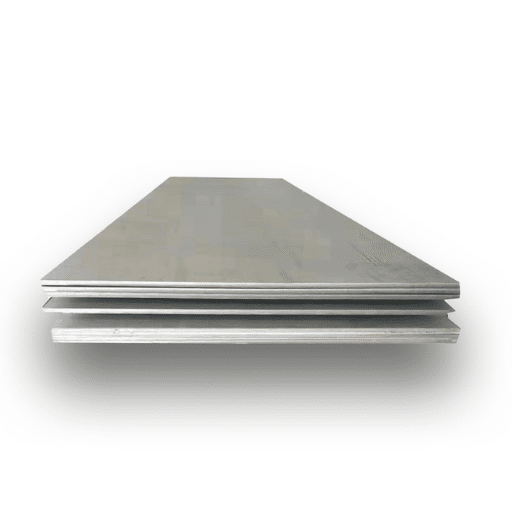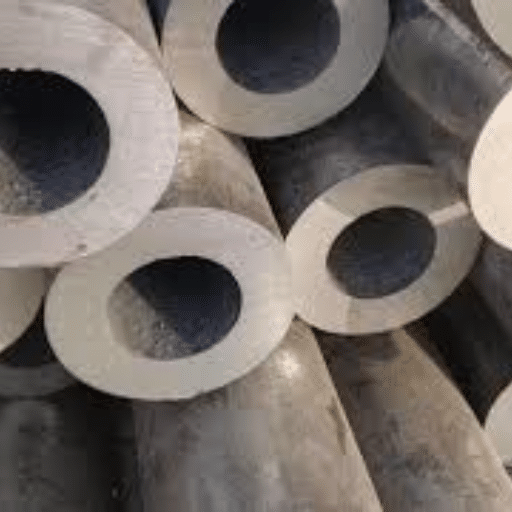
The Schedule 120 pipe specifications show that the pipe wall thicknesses measure 0.719 inches at NPS 8″, 0.844 inches at NPS 10″, and 1.000 inches at NPS 12″. An 8-inch Schedule 120 pipe handles roughly 3,335 PSI at room temperature, compared with 2,319 PSI for Schedule 80. The pressure advantage of Sch 120 makes it the preferred material for high-pressure steam operations, chemical process pipelines, and essential oil and gas pipeline systems.
Yet most engineers can’t find a dedicated reference for Schedule 120. The system exists between the fully documented information of Schedule 80 and the extreme information of Schedule 160. The Sch 120 data that procurement teams need will help them discover the information because it exists as a single entry within enormous wall-thickness databases, which do not provide any details about pressure ratings or product availability or guidelines for choosing between it and neighboring products.
This article fills that gap. The article provides complete dimensions of Schedule 120 pipes together with their wall thickness and pressure rating information. The Sch 120 specifications show the optimal application for Sch 120, their excessive capacity for specific requirements, and the lead time information you need.
Key Takeaways
- Schedule 120 pipe wall thickness ranges from 0.562″ at NPS 6″ to 1.000″ at NPS 12″ under ASME B36.10M.
- Pressure capacity is approximately 30-50% higher than Schedule 80 for the same NPS.
- Schedule 120 is not always stocked by distributors and often requires a made-to-order lead time of 4-8 weeks.
- ASTM A53 Grade B seamless Schedule 120 at NPS 8″ handles ~3,335 PSI at room temperature, dropping significantly at elevated temperatures.
- The -12.5% ASTM wall thickness tolerance applies to Schedule 120, so always verify mill test certificates for critical service.
What Is Schedule 120 Pipe?

Schedule 120 pipe is an intermediate heavy-wall pipe schedule defined by ASME B36.10M for carbon and alloy steel. It sits between Schedule 80 and Schedule 160 in the schedule hierarchy. For any given nominal pipe size, Schedule 120 shares the same outside diameter as Schedule 40 or Schedule 80. The difference is the heavier wall, which reduces the inside diameter and increases pressure capacity.
The relationship between schedule number and wall thickness isn’t linear. Schedule 120 isn’t simply 50% thicker than Schedule 80. At NPS 8″, Sch 80 has a 0.500-inch wall while Sch 120 has a 0.719-inch wall, a 44% increase. At NPS 12″, Sch 80 has a 0.688-inch wall while Sch 120 has a 1.000-inch wall, a 45% increase. For a full explanation of how schedule numbers work, see our pipe schedule meaning guide.
Schedule 120 is typically defined for NPS 6″ and larger in B36.10M. Smaller sizes either don’t have a Sch 120 designation or aren’t often produced. If your project requires heavy-wall pipe below NPS 6″, you will usually specify Schedule 160 or XXS instead.
If you need help selecting the right schedule for your pressure requirements, our technical consultation team can review your specifications and material standards.
Schedule 120 Pipe Dimensions and Wall Thickness
The table below lists standard Schedule 120 pipe dimensions for carbon steel under ASME B36.10M. It covers the commonly produced sizes from NPS 6″ through NPS 12″.
Schedule 120 Pipe Dimension Table
| NPS | OD (in) | Wall (in) | ID (in) | Weight (lb/ft) | OD (mm) | Wall (mm) | Weight (kg/m) |
|---|---|---|---|---|---|---|---|
| 6″ | 6.625 | 0.562 | 5.501 | 36.4 | 168.3 | 14.27 | 54.2 |
| 8″ | 8.625 | 0.719 | 7.187 | 54.7 | 219.1 | 18.26 | 81.4 |
| 10″ | 10.750 | 0.844 | 9.062 | 74.6 | 273.1 | 21.44 | 111.0 |
| 12″ | 12.750 | 1.000 | 10.750 | 88.6 | 323.9 | 25.40 | 131.8 |
This table shows two important patterns. First, wall thickness increases with NPS. Second, the inside diameter shrinks significantly as the wall gets thicker. A 12-inch Schedule 120 pipe has an inside diameter of only 10.750 inches. That reduction in flow area matters for pump sizing and pressure drop calculations.
For more complete wall thickness data across all schedules, see our pipe wall thickness chart.
Schedule 80 vs Schedule 120 vs Schedule 160 Wall Thickness
| NPS | Sch 80 Wall | Sch 120 Wall | Sch 160 Wall | Sch 80 to 120 Increase | Sch 120 to 160 Increase |
|---|---|---|---|---|---|
| 6″ | 0.432″ | 0.562″ | 0.719″ | 30% | 28% |
| 8″ | 0.500″ | 0.719″ | 0.906″ | 44% | 26% |
| 10″ | 0.594″ | 0.844″ | 1.125″ | 42% | 33% |
| 12″ | 0.688″ | 1.000″ | 1.312″ | 45% | 31% |
The jump from Schedule 80 to Schedule 120 is larger than the jump from Schedule 120 to Schedule 160. That non-linear relationship surprises some engineers. It also explains why Sch 120 is often the most cost-effective heavy-wall choice when Sch 80 is insufficient.
Schedule 120 Pipe Pressure Rating
Pressure ratings for Schedule 120 pipe depend on material grade, temperature, and whether the pipe is seamless or welded. The values below are calculated using Barlow’s formula for ASTM A53 Grade B seamless pipe at room temperature (100°F).
Schedule 120 Pressure Rating by NPS (ASTM A53 Grade B, Seamless, Room Temp)
| NPS | Wall (in) | OD (in) | Max Pressure (PSI) | Max Pressure (bar) |
|---|---|---|---|---|
| 6″ | 0.562 | 6.625 | 3,395 | 234 |
| 8″ | 0.719 | 8.625 | 3,335 | 230 |
| 10″ | 0.844 | 10.750 | 3,138 | 216 |
| 12″ | 1.000 | 12.750 | 3,137 | 216 |
These ratings assume seamless construction with a joint efficiency factor of 1.0. Welded ERW pipe carries an E = 0.85 joint efficiency under ASME B31.3, which reduces allowable pressure by approximately 15%. For a 10-inch Schedule 120 ERW pipe, the allowable pressure drops from 3,138 PSI to roughly 2,667 PSI.
Schedule 80 vs Schedule 120 Pressure Comparison
| NPS | Sch 80 Pressure (PSI) | Sch 120 Pressure (PSI) | Increase | % Increase |
|---|---|---|---|---|
| 6″ | 2,608 | 3,395 | 787 | 30% |
| 8″ | 2,319 | 3,335 | 1,016 | 44% |
| 10″ | 2,207 | 3,138 | 931 | 42% |
| 12″ | 2,157 | 3,137 | 980 | 45% |
For comparison with Schedule 80 ratings, see our Schedule 80 pipe pressure rating guide. For lighter-duty applications, our Schedule 40 pipe pressure rating guide covers the industrial default schedule.
Temperature Derating
The pressure capacity of materials decreases because of increased operating temperatures. ASTM A53 Grade B generally isn’t recommended for continuous service above 750°F. The allowable stress for A53 Grade B at 750°F decreases by approximately 40%, which results in equal pressure rating reductions above this temperature. The pressure capacity of an 8-inch Schedule 120 pipe which has a room temperature rating of 3,335 PSI will decrease to about 2,000 PSI when operating at 750°F.
Engineers select ASTM A106 Grade B for high-temperature applications that exceed 750°F because it provides greater stress limits at high temperatures. Always verify the material specification matches your operating temperature before finalizing a Schedule 120 order.
Schedule 120 Pipe Materials and Specifications

Carbon steel Schedule 120 pipe is manufactured to ASTM A53 Grade B or ASTM A106 Grade B. The ASTM A53 standard describes both seamless and welded pipe production methods, while ASTM A106 only permits seamless pipes for high-temperature applications. API 5L Grade B is also common for oil and gas applications.
The market demand for Schedule 120 stainless steel remains lower than that for carbon steel. ASME B36.19 provides dimensions for stainless steel, but Sch 120 stainless steel pipes do not exist in all available grades. Engineers typically request Schedule 80S or Schedule 160S heavy-wall stainless steel pipe when they need it, or they select custom seamless pipe that meets ASTM A312 Grade 304 or 316 standards. For stainless steel pipe products, see our stainless steel pipe catalog.
Mill tolerance matters for Schedule 120 just as it does for lighter schedules. The ASTM A53 and A106 standards permit wall thickness to measure 12.5% less than the standard nominal value. The 12-inch Schedule 120 pipe with a 1.000-inch nominal wall must maintain a minimum wall thickness of 0.875 inches. The 0.125-inch difference results in a pressure capacity decrease that matches the percentage decrease.
The actual wall thickness of critical high-pressure lines must be confirmed through the mill test certificate.
Weight, Cost & Availability of Schedule 120
Schedule 120 pipe is significantly heavier than Schedule 80. That weight affects everything from pipe supports to shipping costs.
Weight Comparison: Schedule 80 vs Schedule 120
| NPS | Sch 80 (lb/ft) | Sch 120 (lb/ft) | Increase (lb/ft) | % Increase |
|---|---|---|---|---|
| 6″ | 28.6 | 36.4 | 7.8 | 27% |
| 8″ | 28.6 | 54.7 | 26.1 | 91% |
| 10″ | 40.5 | 74.6 | 34.1 | 84% |
| 12″ | 49.6 | 88.6 | 39.0 | 79% |
The weight jump is dramatic at NPS 8″ and above. A 100-foot run of 8-inch Schedule 120 pipe weighs 5,470 pounds, compared with 2,860 pounds for Schedule 80. Your pipe supports, anchors, and structural steel must be designed for that additional load. For more precise weight data across all schedules, see our steel pipe weight chart.
The cost of materials increases in proportion to their weight. Schedule 120 has a price increase of 25-35 percent when compared to Schedule 80 for identical NPS specifications and it costs 15-20 percent less than Schedule 160. The cost difference between two products accumulates at a fast rate during large projects. The procurement team will incur higher expenses when they specify Sch 120 for 2,000 feet of 10-inch pipe because Sch 80 would have been adequate.
James Okafor, a procurement officer at a Nigerian oil services firm, learned about Schedule 120 availability the hard way. The team needed main replacement pipes for their high-pressure water injection manifold project in 2024. The specification required Schedule 120 piping at NPS 8.
James believed his regular distributor would provide the pipe from inventory because they had done so for Schedule 40 and Schedule 80.
He spent three days calling distributors before he found out that local businesses did not stock Sch 120 in that particular size. The manufacturer required eight weeks to produce the item because it had to be made to order.
The project delay cost his company $12,000 in standby labor. Schedule 120 isn’t always on the shelf.
Applications: Where Schedule 120 Excels

Schedule 120 pipe fills a specific niche. The material does not function as the primary selection for general industrial piping use. The system functions as an upgrade option when Schedule 80 materials fail to withstand operational pressure and mechanical forces.
The primary uses of the system involve high-pressure steam and boiler feedwater applications. The power plants and industrial boiler systems operate at pressure levels that Sch 80 equipment can only support under normal conditions. The system design of Sch 120 gives users extra protection yet avoids the excessive expenses and weight associated with Sch 160.
Critical process lines that transport corrosive fluids under pressure are maintained by chemical processing plants and refinery operations through Sch 120. The thicker wall provides both pressure capacity and additional corrosion allowance.
A Louisiana refinery expansion project selected Sch 120 for a 10-inch hydrocracker feed line after engineering calculations demonstrated that Sch 80 would operate at 8 percent of its stress limit under design pressure conditions. The project engineer, Chen Wei, selected Sch 120 rather than Sch 160 because the 160 wall would’ve reduced the inside diameter below the minimum required for flow velocity. Sch 120 was the only schedule that satisfied both pressure and flow requirements.
Oil and gas gathering lines use Sch 120 for NPS 8″ through 12″ trunk lines in high-pressure gathering systems. The schedule handles the wellhead pressures without requiring the extreme wall of Sch 160, which would make installation and welding more difficult.
Fire protection mains that serve high-rise buildings and industrial facilities usually require Sch 120 to provide sufficient pressure handling capacity for their standpipe systems at base building levels.
For carbon steel pipe products in standard and heavy-wall schedules, see our carbon steel pipe catalog.
Schedule 120 vs Schedule 80 vs Schedule 160
Choosing between Schedule 80, 120, and 160 requires more than comparing pressure ratings. You must also consider flow area, weight, cost, and availability.
Side-by-Side Comparison at NPS 10″
| Property | Sch 80 | Sch 120 | Sch 160 |
|---|---|---|---|
| Wall thickness | 0.594″ | 0.844″ | 1.125″ |
| Inside diameter | 9.562″ | 9.062″ | 8.500″ |
| Weight per foot | 40.5 lb | 74.6 lb | 104.1 lb |
| Pressure rating (PSI) | 2,207 | 3,138 | 3,958 |
| Flow area (in²) | 71.8 | 64.5 | 56.7 |
The table shows the advantages and disadvantages of the situation. Schedule 160 handles 26% more pressure than Schedule 120, but its weight increases by 39% and its flow area decreases by 12%. The flow reduction causes both increased pump head requirements and higher operating costs throughout the system’s lifetime. Schedule 120 provides a middle ground: 42% more pressure capacity than Sch 80, with less weight and flow restriction than Sch 160.
When to specify each schedule:
- Schedule 80: General industrial piping, low to moderate pressure, available from stock.
- Schedule 120: High-pressure process lines, boiler systems, and critical applications where Sch 80 is insufficient but Sch 160 is overkill. Often made to order.
- Schedule 160: Extreme pressure service, critical high-pressure hydraulics, and code-mandated heavy-wall systems. Highest cost and weight.
Frequently Asked Questions About Schedule 120 Pipe
What is Schedule 120 pipe used for?
Schedule 120 pipe serves six specific applications, which include high-pressure steam lines and boiler feedwater systems and chemical process piping, oil and gas gathering lines, and critical industrial applications that require more than Schedule 80 pipe can handle for pressure operations. The pipe functions as a heavy-wall intermediate option that exists between Schedule 80 and Schedule 160.
What is the wall thickness of Schedule 120 pipe?
Schedule 120 pipe wall thicknesses depend on nominal size. The NPS 6″ pipe has a wall thickness of 0.562 inches. The NPS 8″ pipe has a wall thickness of 0.719 inches. The NPS 10″ pipe has a wall thickness of 0.844 inches. The NPS 12″ pipe has a wall thickness of 1.000 inches. The ASME B36.10M table provides the precise values that must be consulted for exact measurements.
What is the pressure rating of Schedule 120 pipe?
The 8-inch Schedule 120 seamless carbon steel pipe, which meets ASTM A53 Grade B standards, can withstand 3,335 PSI pressure at room temperature. The 10-inch pipe can withstand approximately 3,138 PSI. The ratings decrease when temperatures rise and welded construction shows lower ratings because of joint efficiency factors.
Is Schedule 120 stronger than Schedule 80?
The comparison between Schedule 120 and Schedule 80 reveals that Schedule 120 offers superior strength. Schedule 120 exhibits 30 to 50 percent greater thickness than Schedule 80 throughout its NPS range while demonstrating 30 to 50 percent better pressure resistance. At NPS 8″, Sch 120 has 44% more pressure capacity than Sch 80.
What sizes does Schedule 120 pipe come in?
ASME B36.10M defines Schedule 120 for NPS 6″ through 24″ and larger dimensions. The most commonly produced and stocked sizes are NPS 6″, 8″, 10″, and 12″. The Standard Schedule 120 designation applies only to sizes above NPS 6″.
Conclusion
The practical heavy-wall option between Schedule 80 and Schedule 160 exceeds requirements. The product delivers a 30 to 50 percent pressure improvement when compared to Schedule 80yet it requires less weight and cost and provides better flow capacity than Schedule 160. The system operates effectively between 30 and 100 percent of its maximum capacity which makes it suitable for high-pressure steam and chemical process lines and essential oil and gas operations.
You must confirm inventory status before you can use Schedule 120 as a specification. Regional distributors do not keep this product in stock for all areas which distinguishes it from Sch 40 and Sch 80. Products made through custom manufacturing typically require 4 to 8 weeks for delivery. You should establish your procurement timetable based on your current requirements.
Use an ultrasonic gauge to measure wall thickness at delivery and then verify your measurements against the mill test certificate. The -12.5% ASTM tolerance applies to all schedules, including Sch 120. The fault tolerance range becomes essential for high-pressure pipeline operations.