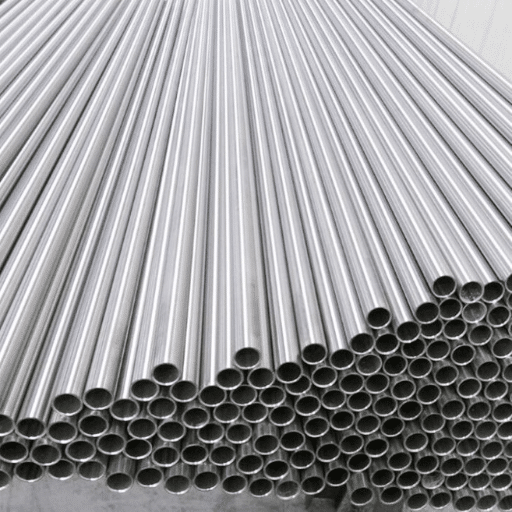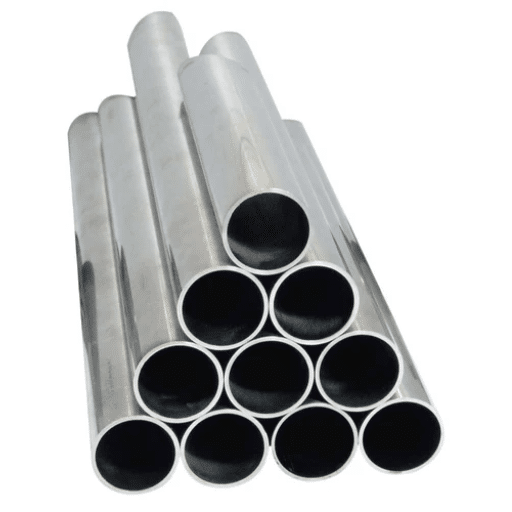
A 6-inch Schedule 40 carbon steel pipe weighs 18.97 pounds per foot. The same size in Schedule 80 weighs 28.60 pounds per foot. The 50% weight increase that results from this design change will increase shipping expenses by thousands of dollars during the execution of a single project. A 2-inch Schedule 40 pipe weighs just 3.65 lb/ft, while a 12-inch Schedule 40 pipe weighs 53.52 lb/ft.
The weight of piping materials becomes crucial during piping design. Engineers use weight to establish freight costs, determine crane requirements, calculate support distances, and estimate structural weight requirements. Most engineers still rely on their memory or basic estimation techniques to calculate pipe weight. The estimates that engineers create usually contain a 10-20% error, which leads to shipping budget overruns and pipe support undersizing.
The complete steel pipe weight chart for carbon and stainless steel is in this article. The document provides weight tables which display nominal sizes and schedules together with a pipe weight formula that includes a worked example and practical information about how weight impacts shipping and handling and structural design.
Key Takeaways
- Steel pipe weight varies by nominal size, schedule, and material grade. A complete steel pipe weight chart is essential for accurate estimates.
- Pipe weight formula: W = 10.68 x (OD – Wall) x Wall gives lb/ft for carbon steel pipe in inches.
- Schedule 80 pipe weighs roughly 40-70% more than Schedule 40 for the same NPS, directly increasing freight and installation costs.
- Stainless steel pipe is slightly heavier than carbon steel per identical dimensions because 304 and 316 have higher density.
- Mill tolerances allow wall thickness up to 12.5% below nominal, so actual shipping weight can be 5-10% lighter than theoretical chart values.
How to Calculate Pipe Weight: The Formula

Before you use the steel pipe weight chart, it helps to understand where the numbers come from. Pipe weight is simply the volume of steel in the pipe wall multiplied by the density of the material.
For carbon steel pipe, the standard formula in imperial units is:
W = 10.68 x (OD – t) x t
Where W is weight in pounds per foot, OD is the outside diameter in inches, and t is the wall thickness in inches. The constant 10.68 combines the density of steel (approximately 490 lb/ft³) with the unit conversion factors.
In metric units, the formula becomes:
W = 0.02466 x (OD – t) x t
Where W is weight in kilograms per meter, OD and t are in millimeters, and 0.02466 incorporates the metric density of steel (7,850 kg/m³).
Here is a worked example for NPS 4, Schedule 40:
- OD = 4.500 inches
- Wall thickness = 0.237 inches
- W = 10.68 x (4.500 – 0.237) x 0.237
- W = 10.68 x 4.263 x 0.237
- W = 10.79 lb/ft
That matches the standard table value exactly. You can use this formula when a steel pipe weight chart does not list the weight of a non-standard size or when you have the actual measured wall thickness from a mill certificate rather than the nominal value.
For a deeper look at how pipe dimensions and schedules work, see our pipe schedule meaning guide.
Steel Pipe Weight Chart: Carbon Steel (ASME B36.10M)
The table below shows the theoretical weight per foot for the most commonly specified carbon steel pipe sizes and schedules under ASME B36.10M. These values assume a plain-end pipe with a nominal wall thickness.
Carbon Steel Pipe Weight by NPS and Schedule
| NPS | OD (in) | Sch 40 (lb/ft) | Sch 40 (kg/m) | Sch 80 (lb/ft) | Sch 80 (kg/m) | Sch 160 (lb/ft) | Sch 160 (kg/m) |
|---|---|---|---|---|---|---|---|
| 1/2″ | 0.840 | 0.85 | 1.27 | 1.09 | 1.62 | 1.31 | 1.95 |
| 3/4″ | 1.050 | 1.13 | 1.68 | 1.47 | 2.19 | 1.94 | 2.89 |
| 1″ | 1.315 | 1.68 | 2.50 | 2.17 | 3.23 | 2.84 | 4.23 |
| 1-1/2″ | 1.900 | 2.72 | 4.05 | 3.63 | 5.41 | 4.86 | 7.24 |
| 2″ | 2.375 | 3.65 | 5.44 | 5.02 | 7.48 | 7.46 | 11.11 |
| 3″ | 3.500 | 7.58 | 11.29 | 10.26 | 15.29 | 14.32 | 21.33 |
| 4″ | 4.500 | 10.79 | 16.07 | 14.99 | 22.33 | 22.51 | 33.54 |
| 6″ | 6.625 | 18.97 | 28.26 | 28.60 | 42.62 | 36.39 | 54.22 |
| 8″ | 8.625 | 28.55 | 42.55 | 43.43 | 64.71 | 67.76 | 100.94 |
| 10″ | 10.750 | 40.48 | 60.31 | 64.49 | 96.11 | 104.13 | 155.14 |
| 12″ | 12.750 | 53.52 | 79.73 | 88.71 | 132.15 | 143.68 | 214.08 |
These weights are theoretical values for plain-end pipe. Actual shipping weight may vary slightly depending on the specific material grade and manufacturing tolerances.
Schedule 40 vs Schedule 80 Weight Difference
| NPS | Sch 40 Weight | Sch 80 Weight | Weight Increase |
|---|---|---|---|
| 2″ | 3.65 lb/ft | 5.02 lb/ft | 38% heavier |
| 4″ | 10.79 lb/ft | 14.99 lb/ft | 39% heavier |
| 6″ | 18.97 lb/ft | 28.60 lb/ft | 51% heavier |
| 8″ | 28.55 lb/ft | 43.43 lb/ft | 52% heavier |
| 12″ | 53.52 lb/ft | 88.71 lb/ft | 66% heavier |
The weight gap between Schedule 40 and Schedule 80 widens as nominal pipe size increases. For small pipe, the difference is manageable. For large-diameter lines, the extra weight can require larger cranes, stronger supports, and more expensive freight.
Stainless Steel Pipe Weight Chart

The weight chart for stainless steel pipes shows their weights according to ASME B36.19 schedules, which differ from B36.10M for larger pipe sizes. The density of stainless steel exceeds that of carbon steel by a small amount. The density of Grade 304 measures 495 lb/ft³ (7,930 kg/m³) while carbon steel has a density of 490 lb/ft³ (7,850 kg/m³).
304 Stainless Steel Pipe Weight (Schedule 40S and 80S)
| NPS | OD (in) | Sch 40S (lb/ft) | Sch 40S (kg/m) | Sch 80S (lb/ft) | Sch 80S (kg/m) |
|---|---|---|---|---|---|
| 1/2″ | 0.840 | 0.85 | 1.27 | 1.09 | 1.62 |
| 1″ | 1.315 | 1.68 | 2.50 | 2.17 | 3.23 |
| 2″ | 2.375 | 3.65 | 5.44 | 5.02 | 7.48 |
| 4″ | 4.500 | 10.79 | 16.07 | 14.99 | 22.33 |
| 6″ | 6.625 | 18.97 | 28.26 | 28.60 | 42.62 |
| 8″ | 8.625 | 28.55 | 42.55 | 43.43 | 64.71 |
| 12″ | 12.750 | 49.56 | 73.84 | 88.71 | 132.15 |
The wall thickness of Schedule 40S and Schedule 40S are identical in measurement matches their weight properties for all pipe sizes below NPS 8. At NPS 12, Schedule 40S is thinner than Schedule 40 (0.375″ vs 0.406″), so the stainless steel weight drops to 49.56 lb/ft compared to 53.52 lb/ft for carbon steel Schedule 40.
For severely corrosive environments where stainless steel pipe is required, always verify the actual schedule designation. B36.19 S-suffix schedules are not interchangeable with B36.10M schedules for NPS 10 and above.
Pipe Weight in Real Applications
Data from a steel pipe weight chart is not just a reference number. It directly affects procurement, logistics, installation, and structural engineering on every industrial project.
Shipping and Freight Cost Impact
The standard method of pricing ocean freight for steel pipe requires measurement of steel pipe weight in metric tons. The weight of a single shipment, which contains 5,000 feet of 6-inch Schedule 40 pipe, reaches approximately 142 metric tons. The same length in Schedule 80 weighs about 214 metric tons. The current freight costs from China to Europe and the Middle East result in an additional shipping expense of 4,000 to 8,000 because of the 72-metric-ton weight difference.
Li Wei, who works as a procurement manager for a construction company based in Dubai, discovered this information during his work on a chilled water piping project in 2024. The specification required Schedule 80 throughout the project to provide mechanical protection. Li Wei obtained quotes for both Schedule 40 and Schedule 80. The material cost difference observed between them remained moderate. The shipping cost difference was not. The Schedule 80 pipe weighed 50% more, which caused the shipment to enter a higher freight cost category. The value-engineering process, which he implemented, saved 200 in shipping costs and decreased his on-site crane rental expenditures through his choice of non-essential branches to Schedule 40. The change had no impact on system safety because the operating pressure was well below the Schedule 40 capacity.
Structural Load and Support Design
Pipe weight determines support spacing, anchor loads, and seismic forces. A 100-foot run of 8-inch Schedule 40 pipe weighs 2,855 pounds. The same run in Schedule 80 weighs 4,343 pounds. That additional 1,488 pounds requires:
- Stronger pipe supports at closer spacing
- Larger anchor bolts and base plates
- Additional structural steel in the building frame
- Higher seismic bracing capacity
In seismic zones, the importance of weight is multiplied. Seismic forces are proportional to mass. A 50% heavier pipe creates 50% higher lateral forces during an earthquake. Engineers sometimes specify Schedule 40 over Schedule 80 for non-critical lines specifically to reduce seismic loads on the structure.
Handling and Installation Labor
The installation process requires extra equipment and additional personnel for handling heavier pipes. The weight of a 12-inch Schedule 40 pipe equals 53.5 pounds for every foot of its length. The weight of a 20-foot single length equals 1,070 pounds. The maximum lifting capacity for that object requires two people to handle it. The same size in Schedule 160 weighs 143.7 lb/ft. The weight of a 20-foot length equals 2,874 pounds. The installation process requires a forklift or crane for each joint.
The installation process will experience delays because of the variations between the two different elements. Workers can easily move lightweight pipes because they need no special equipment. The installation process requires workers to use rigging equipment because heavy pipes need special handling.
For guidance on selecting the right schedule for your weight and pressure requirements, see our Schedule 40 pipe pressure rating guide.
Pipe Weight Tolerance and Mill Certificates

The weight difference between steel pipe weight charts and actual shipping weights results from manufacturing tolerances. ASTM A53 and ASTM A106 permit wall thickness to be up to 12.5% thinner than the nominal value. Schedule 40 pipe allows a nominal 0.237-inch wall to measure as thin as 0.207 inches.
The wall thickness of a pipe determines its weight because pipe weight directly relates to wall thickness. A 12.5% thinner wall means that the pipe contains 12.5% less steel material. The total weight difference on a large shipment will reach important levels.
Mill test certificates exist to assure product quality. The MTR tracks actual wall thickness measurements together with weight calculations that apply to a particular heat lot. Your shipping estimate will result in a weight overestimate between 5-10% if you use theoretical chart values. Theoretical weight provides a safe option for freight budgeting purposes. The mill certificate’s actual weight should be used for accurate structural calculations.
Nominal weight represents one of the standard pipe markings. The stencil shows a nominal weight of 18.97 LB/FT through the NPS 6 SCH 40 18.97 LB/FT marking. The MTR provides actual weight information, while you can also measure a sample length using a certified scale.
Frequently Asked Questions About Pipe Weight
How much does Schedule 40 pipe weigh?
The weight of Schedule 40 pipe depends on its nominal size according to steel pipe weight charts. The weight of 2-inch Schedule 40 pipe reaches 3.65 pounds per foot. The weight of a 4-inch pipe reaches 10.79 pounds per foot. The weight of a 6-inch pipe reaches 18.97 pounds per foot. The weight of an 8-inch pipe reaches 28.55 pounds per foot. The steel pipe weight chart provides complete weight information for all pipes used in this article.
What is the formula for pipe weight calculation?
The formula W = 10.68 x (OD – t) x t calculates carbon steel pipe weight in imperial units. The formula uses W as weight in lb/ft and OD as outside diameter in inches and t as wall thickness in inches. The metric formula W = 0.02466 x (OD – t) x t calculates weight in kg/m using millimeter dimensions.
What is the weight of a 6-inch steel pipe?
The weight of Schedule 40 carbon steel pipe for 6-inch nominal pipe size reaches 18.97 lb/ft (28.26 kg/m). The same size in Schedule 80 weighs 28.60 lb/ft (42.62 kg/m). The weight of stainless steel Schedule 40S equals the weight of carbon steel Schedule 40 at this size.
Is stainless steel pipe heavier than carbon steel pipe?
The answer is yes because 304 stainless steel has a greater weight than carbon steel. Grade 304 stainless steel has a density of approximately 495 lb/ft³ compared to 490 lb/ft³ for carbon steel. For identical dimensions, 304 stainless steel pipe weighs about 1% more than carbon steel pipe. The weights for NPS 8 and below pipes need to be treated as equivalent weights according to most practical applications.
What is the weight difference between Schedule 40 and Schedule 80?
Schedule 80 pipe weighs 40-66% more than Schedule 40, depending on nominal size. The difference is smallest for the small pipe (38% for NPS 2) and largest for the large pipe (66% for NPS 12). The weight increase directly impacts three areas, which include shipping expenses, support system design and installation workforce needs.
Conclusion
Every phase of a piping project requires pipe weight as a fundamental specification. The steel pipe weight chart in this article gives you the theoretical values for carbon and stainless steel pipe across the most common schedules and sizes. The pipe weight formula helps you calculate non-standard sizes and confirm table values.
Theoretical weights exist only as theoretical concepts. The actual weight of an object will change between 5 and 10 percent because of manufacturing tolerances, material density variations, and end preparations. Use the chart values for freight estimates. The mill test certificates must be used to conduct accurate structural calculations.
The choice between Schedule 40 and Schedule 80 is not just a pressure decision. The decision requires weight calculations that will impact shipping costs and handling expenses and support design and installation expenses. Schedule 40 meets pressure requirements for most applications while providing lower weight and cost benefits.
Request a quote for carbon steel or stainless steel pipe with accurate weight data for your shipping and structural calculations. LIANYUNGANG DAPU METAL CO., LTD supplies standard and custom pipe sizes with full mill certifications, theoretical and actual weight documentation, and global delivery to your project site.