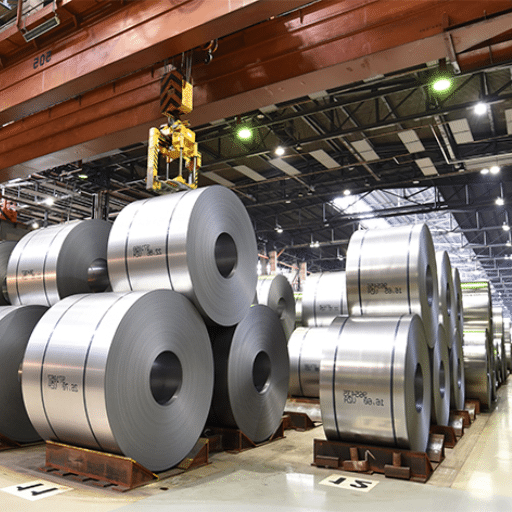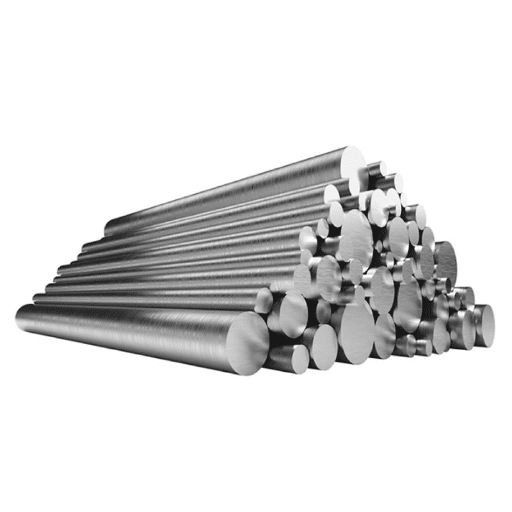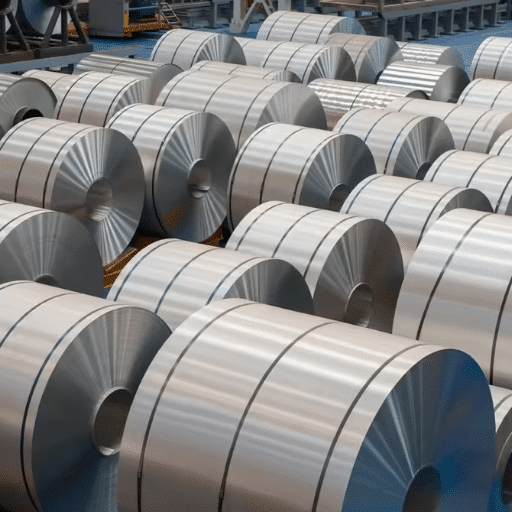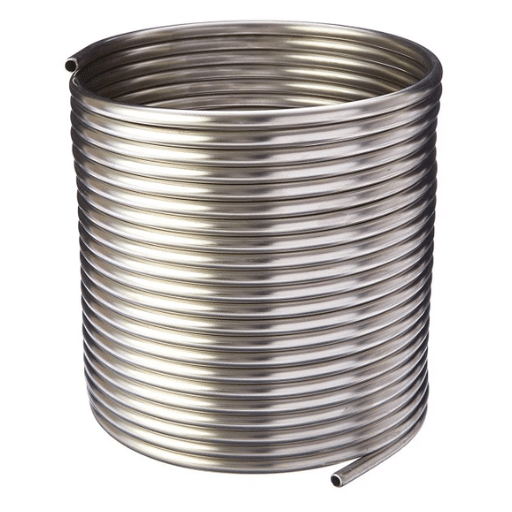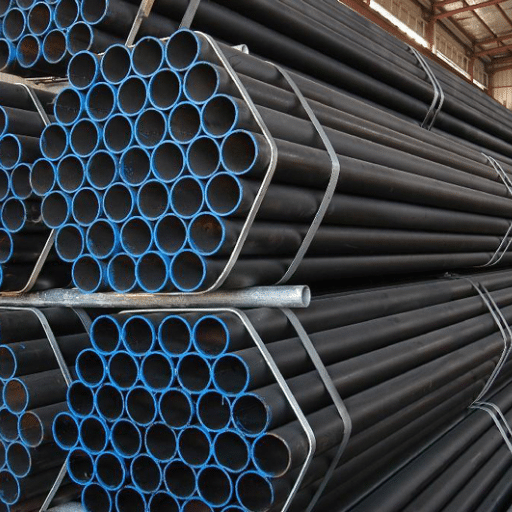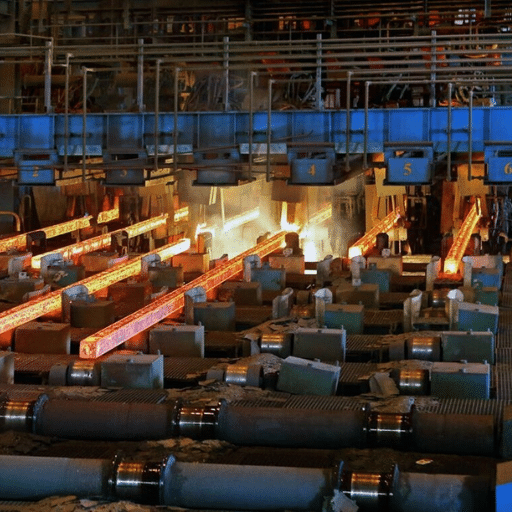
Steel serves as the essential foundation which supports all contemporary construction activities and automotive production and shipbuilding operations and energy infrastructure development and heavy industrial work. The global steel industry in 2024 undergoes development because of two factors which include increasing market needs and requirements for sustainable practices. The world produced about 1.9 billion metric tons of raw steel in 2022, with China accounting for over half of that total production. The article provides information about the biggest steel manufacturers in the world while describing essential industry market developments and showing both present-day challenges and future business prospects which will shape the industry’s upcoming development.
Key Statistics at a Glance
1.9B
Metric Tons Produced (2022)
50%+
China’s Share of Global Output
3–5%
Projected Market Growth 2024
30%+
Rise in Green Steel Searches (YoY)
Introduction to Steel Production
The Importance of Steel in Global Industries
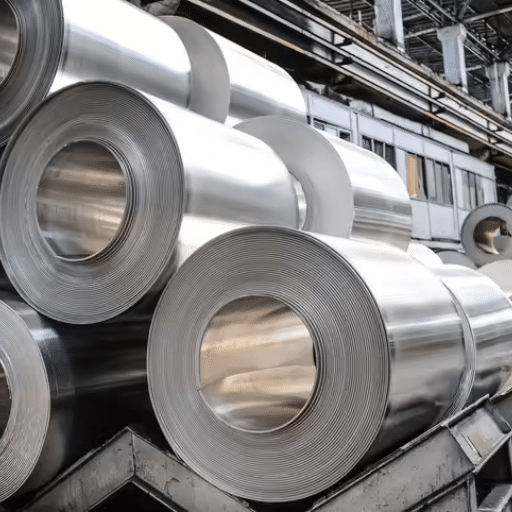
Steel serves as the primary material for urban development projects and heavy manufacturing operations and new environmentally sustainable technologies. The industrial demand for steel has grown because it serves various purposes in building wind turbine towers and electric vehicle frames. Emerging economies — particularly China and India — continue to drive the bulk of production and consumption, reinforcing steel’s role as the material foundation of modern economic growth.
Steel Market Trends for 2024
The steel market of 2024 exists because its operators must fulfill rising market needs while they maintain their environmental protection obligations. The industry now must adopt hydrogen-based production methods as its main approach for low-emission steelmaking which creates the most important structural change. The production methods for iron ore and coking coal now face changes because of new trade policies and supply chain expansion efforts. The industry forecasts a 3 to 5 percent growth rate for 2024 because construction and energy sector activities will serve as the main growth engines.
Industry Insight
Hydrogen-based steelmaking is rapidly transitioning from pilot projects to commercial investment, with major producers allocating significant R&D budgets to achieve carbon-neutral production by 2030.
Key Metrics in Crude Steel Production
The steel industry requires performance assessment through monitoring interconnected performance indicators. The Asian countries produced 70% of the 1.9 billion metric tons which constituted global crude steel output in 2023. The efficiency measurement system uses metric tons per worker-hour combined with raw material utilization, while sustainability progress tracking depends on carbon emissions per ton and electric arc furnace production share. The industry adapts its operations to fulfill market demands while maintaining its environmental protection commitments.
Top Steel Producers in the World

Ranking the Largest Steel-Producing Countries
- 1
China
The undisputed world leader, producing more than 50% of global steel output. Sustained by an extensive industrial base and extraordinarily high domestic demand across construction, infrastructure, and manufacturing.
- 2
India
Rapidly expanding production capacity driven by urbanization, infrastructure investment, and a booming construction sector.
- 3
Japan
Renowned for producing high-grade specialty steel. Japanese manufacturers are central suppliers to the global automotive and high-tech sectors.
- 4
United States
A strong fourth place, driven by investment in electric arc furnaces and robust demand from automotive and construction industries. Companies like Nucor and U.S. Steel lead domestic innovation.
- 5
Russia
Sustained by abundant natural resources and developed manufacturing infrastructure. Companies such as Evraz and NLMK maintain Russia’s top-five standing.
Key Players in the Global Steel Industry
A small number of multinational companies together with government-owned businesses operate most of the world’s steel production. South Korea’s POSCO exports premium steel to global automotive and shipbuilding markets. Nucor and U. S. Steel lead sustainable production research efforts throughout the United States. Tata Steel and JSW Steel from India operate their advanced environmentally friendly factories at full capacity. The competitive evaluation process now uses decarbonization metrics as a new standard together with traditional cost and output assessment methods.
Insights on the Top 10 Steel Producers

The top 10 steel producers collectively account for more than half of total global output. The table below summarizes their approximate production capacities and strategic priorities.
| Rank | Company | Country | Est. Capacity (MT/yr) | Strategic Focus |
|---|---|---|---|---|
| 1 | China Baowu Group | China | 120M+ | Mergers & acquisitions, scale |
| 2 | ArcelorMittal | Luxembourg | 88M | High-strength steel, sustainability |
| 3 | Nippon Steel | Japan | 50M | High-quality steel, carbon reduction |
| 4 | POSCO | South Korea | 43M | Hydrogen steelmaking R&D |
| 5 | HBIS Group | China | ~40M | Domestic demand, export growth |
| 6 | Ansteel Group | China | ~38M | Infrastructure supply chain |
| 7 | Tata Steel Group | India | ~35M | Clean energy integration |
| 8 | JSW Steel | India | ~30M | Eco-friendly facilities |
| 9 | NLMK | Russia | ~18M | Resource-backed manufacturing |
| 10 | Evraz | Russia | ~15M | Vertical integration |
Market Share and Production Capabilities

Analysis of Market Share Among Steel Producers
A small number of dominant companies command the lion’s share of global steel capacity. China Baowu Steel Group’s output has exceeded 119 million metric tons in recent reporting periods cementing its position at the top of the global rankings. China produces more than 50% of the world’s crude steel while India Japan and the European Union represent the next tier. Asian markets remain the central engine of global production and consumption and this is not expected to change in the near term. The market share distribution will change in the future according to the adoption of green steel technology and the availability of raw materials and the existing economic conditions.
Contribution of Top Steelmakers to the Global Economy
The economic footprint of the world’s major steel producers extends beyond their actual production capacity. The companies ArcelorMittal HBIS Group and Nippon Steel operate as major employers across different continents while their supply chains extend into mining and logistics and finishing operations. Their substantial R&D investment is accelerating the commercialization of green technologies and their trade agreements create economic changes which affect the territories where they conduct business. The companies establish themselves as sustainability leaders to fulfill their environmental responsibilities while building their future market position.
Trends and Challenges in the Steel Industry

Current Trends
- →
Widespread adoption of electric arc furnaces and hydrogen-based steelmaking - →
AI and advanced automation integrated into production operations - →
Surging demand for high-strength, lightweight steel in EVs and green buildings - →
30%+ annual growth in searches for “green steel production”
Key Challenges
- ✕
Raw material price volatility (iron ore, coking coal) compressing margins - ✕
Capital-intensive green technology investments under stricter environmental regulation - ✕
Workforce shortages and rising energy costs reducing operating margins - ✕
Competition from lower-cost emerging markets and alternative materials (aluminum, composites)
Best Practices for Industry Resilience
Industry experts consistently point to three pillars for long-term competitiveness: sustained investment in innovation, active participation in collaborative sustainability frameworks, and the organizational agility to respond to rapidly shifting consumer and regulatory expectations. Producers that integrate smart manufacturing and AI-based monitoring early will be best positioned to reduce operational costs while maintaining quality and compliance standards.
Future Outlook for the Global Steel Industry
The global steel industry will experience a compound annual growth rate between 3 and 4 percent until 2030 because emerging economies will build new infrastructure and the renewable energy sector will require steel for its operations. Leading producers throughout the world now consider green steel production which uses hydrogen-based and electrified manufacturing methods to be their top strategic goal because environmental regulations become stricter and institutional investors demand stronger corporate sustainability performance.
Digital transformation will function as a crucial factor because smart manufacturing platforms together with AI-powered monitoring systems will provide businesses with capabilities to perform real-time quality assessment and predictive maintenance and cost savings through their operations. The steel companies that align their operations with the broader objectives of sustainable urban development and the clean energy transition will be the ones that define the industry’s next chapter.
Frequently Asked Questions
Reference Sources
-
Steel Market and Global Trends of Leading Geo–Economic Players
Explores global steel trends and production dynamics of major steel-producing regions.
-
The Iron and Steel Industry: A Global Market Perspective
Provides insights into the global steel market, including merger and acquisition trends among top producers.
-
Economic and Qualitative Determinants of the World Steel Production
Analyzes economic and qualitative factors influencing global steel production.