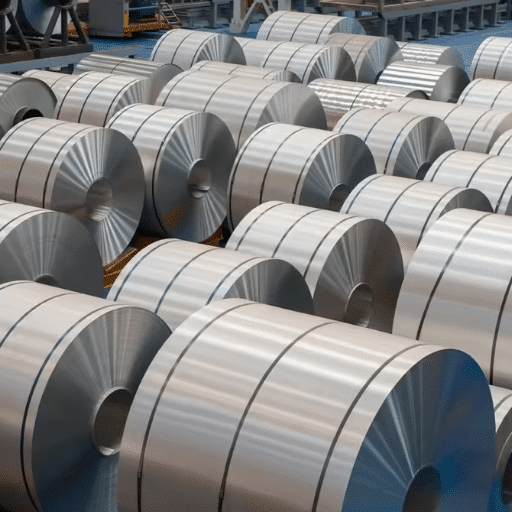
The global steel export industry stands at its present moment between three different forces which create business opportunities while they create technological innovations and operational disruptions. Steel remains an essential material which drives economic development through its use in infrastructure construction, manufacturing processes, and technological innovations.
Overview of Steel Export

Definition and Importance of Steel Export
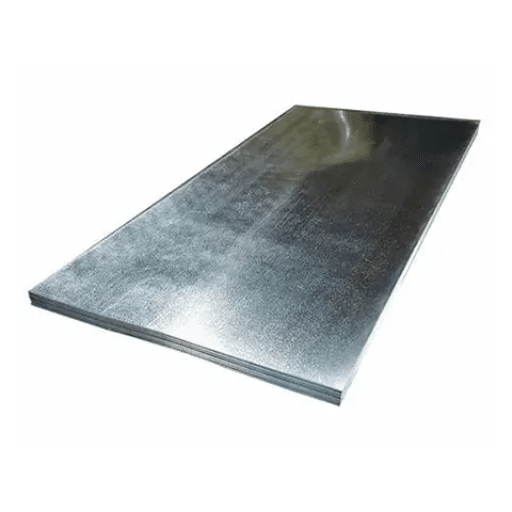
Steel export refers to the process of producing and shipping steel products from one country to another for commercial use, construction, manufacturing, or other industrial purposes. The global economy relies on this element because it functions as a fundamental component that supports both infrastructure development, urbanization initiatives, and technological progress.
Key Market Statistics
50+ Million Metric Tons: China’s annual steel export volume in recent years
- China, India, and Japan dominate the steel export market
- International trade partnerships support economic growth worldwide
- Major industries served: automotive, construction, and energy fields
Benefits of Steel Export Operations
- For Exporting Nations: Job creation, foreign exchange earnings, improved industrial capacity
- For Importing Countries: Access to high-quality steel packages for critical industries
- Global Impact: Supports infrastructure development and technological advancement
Key Players in the Steel Export Market
The steel export market is driven by several major companies that dominate production quantities, technological progress, and export capacity. According to the latest industry data as of 2023, China remains the largest steel producer and exporter globally, benefiting from its expansive industrial base and government-backed initiatives to drive production.
| Region/Country | Key Players | Market Position |
|---|---|---|
| China | Government-backed producers | Largest global producer and exporter |
| Japan & South Korea | Nippon Steel, JFE Holdings, POSCO | Advanced technology and high-quality practices |
| European Union | ArcelorMittal, Germany, Italy, Belgium | Substantial export volumes, automotive and construction focus |
| India | Tata Steel, JSW Steel | Rapidly expanding export operations |
| United States | Domestic producers | Primary exporter to neighboring countries |
Market Dynamics: The steel export market displays a competitive environment that includes both established industry leaders and new market entrants who develop their operations through sustainability practices, international trade partnerships, and their ability to create low-carbon steel products.
Historical Context: Steel Production Trends Since 2021
Global steel production experienced dynamic changes since 2021 because economic conditions, environmental factors, and geopolitical events changed. The COVID-19 pandemic caused demand to fluctuate because economies began reopening although different regions experienced various recovery rates.
Key Developments Since 2021
- China: Production declines due to government policies controlling production levels and emissions
- Europe & North America: Adoption of sustainable practices integrating electric arc furnace technologies
- Decarbonization Efforts: Development of new low-carbon steel production methods supporting climate treaties
- Green Technology: Germany and Japan investing in green hydrogen technologies
- Trade Patterns: Tariffs and protectionist measures shaping international trade dynamics
Global Steel Production and Export Trends

Top Steel Producing Countries
The newest steel production statistics show that the leading countries for global steel production operate through their developed industrial systems and their plentiful natural resources. China produces most of the world’s steel by generating over 50 percent of all crude steel output.
China
50%+ global crude steel output, main supplier for construction
India
Second largest producer, automotive and construction focus
Japan
Third position, high efficiency and advanced technology
China’s Dominance in the Steel Export Market
The world designates China as its main steel exporting nation because China supplies most of the global steel market. The World Steel Association compiled figures which show that China exported more than 67 million metric tons of steel during 2022 according to recent industry data.
China’s Competitive Advantages
- Large-Scale Production: Economies of scale enabling cost advantages
- Modern Facilities: Advanced production capabilities with affordable methods
- Infrastructure: Developed ports and rail systems handling large shipments efficiently
- Key Markets: Southeast Asia, Middle East, and Africa with fast industrial growth
- Challenges: Anti-dumping measures from other countries creating market complexities
Steel Production Forecast for 2024
China will increase its steel production in 2024 through domestic policy and international market demands which will drive moderate growth. Market research and industry data from recent studies predict that the growth rate will stay within the 2% to 3% range, which compares to 2023 figures.
2024 Production Drivers and Constraints
Growth Drivers
- Infrastructure and renewable energy development needs
- Emerging markets strategic projects
- Developed countries pandemic recovery
Growth Constraints
- China’s “Dual Carbon” emission reduction objectives
- Economic slowdowns and raw material price changes
- Geopolitical conflicts and ongoing trade disputes
Challenges Facing the Steel Export Industry

Impact of Tariffs on Steel Exports
Tariffs create barriers which restrict market access and prevent steel markets from reaching their full capacity. Recent data derived from search trends indicates a substantial surge in inquiries related to “tariff impacts on steel pricing” and “trade policy uncertainty in manufacturing.”
| Tariff Impact | Effect on Exporters | Response Strategy |
|---|---|---|
| Increased Costs | Direct impact on export costs and competitiveness | Cost optimization and efficiency improvements |
| Market Access | Restricted access to key markets | Exploring new markets and diversification |
| Trade Patterns | Shift in global trade flows | Value-added manufacturing and regional trade agreements |
Strategic Necessity: The steel industry needs advanced market intelligence and flexible supply chain systems because geopolitical problems create complex connections between tariffs and steel export practices.
Decline in Demand: The Effect on Exports and Imports
The global steel market has experienced a decline because of decreased demand, economic stagnation, and supply chain interruptions. According to the latest data trends analyzed through search engines, interest in steel-related keywords—such as “steel demand forecast” and “global steel market trends”—has seen a notable decrease over the past quarters, mirroring the broader economic downturn.
Producer Response Strategies
- Reduce production levels to match market conditions
- Improve inventory control systems for efficiency
- Devote resources to domestic market development
- Implement operational performance improvements
- Use specific methods for entering new markets
Documentation and Compliance Issues in Steel Export
Steel exporters face various documentation problems and compliance difficulties which disrupt their business activities. Businesses must comply with international standards which include ISO 9001 and ASTM classifications to fulfill the technical requirements set by importing nations.
Essential Compliance Requirements
- Certificates of Origin: Documenting product source and origin country
- Customs Documentation: Complete paperwork for international shipments
- Environmental Compliance: Proof of emission regulation and sustainable sourcing adherence
- Technical Standards: ISO 9001 and ASTM classifications compliance
- Digital Tools: Automated systems for efficient document generation and compliance tracking
Opportunities in the Steel Export Market

Emerging Markets: Opportunities in Mexico and Beyond
Mexico has established itself as a leading nation in worldwide steel exports through its advantageous geographical position, extensive manufacturing capabilities, and trade deals which include the USMCA. Current data shows that steel requirements in construction, automotive, and renewable energy sectors continue to rise throughout Latin America and North America.
Mexico
Advantageous geographical position, USMCA trade advantages, rising demand in construction, automotive, and renewable energy sectors.
Other Emerging Markets
Brazil, India, and Vietnam offering infrastructure development projects and growing domestic market needs.
Success Strategies for Emerging Markets
- Build partnerships with local distributors for market penetration
- Understand country-specific compliance requirements thoroughly
- Monitor shifts in import/export tariffs continuously
- Use digital tools for market research and logistics optimization
Innovations in Steel Production and Exporting
The latest developments in steel production methods have brought about major advancements which strengthen operational effectiveness while maintaining environmental standards and producing better quality steel goods.
| Innovation | Technology | Benefits |
|---|---|---|
| Electric Arc Furnace (EAF) | Scrap metal recycling technology | Lower energy consumption than blast furnaces |
| AI & Machine Learning | Predictive maintenance and energy control | Cost savings and reduced carbon emissions |
| Blockchain Technology | Supply chain tracking and visibility | Enhanced transparency and shipment monitoring |
| Real-Time Analytics | Data-driven operations adjustment | Minimize tariff impacts and geopolitical risks |
Sustainable Practices in Steel Export
The steel export industry needs to implement sustainable practices because current consumer demand and regulatory standards require this transformation. The newest data shows that “green steel” and “sustainable steel exporters” have become more popular search terms which demonstrate a growing trend towards environmentally friendly sourcing.
Essential Sustainable Practices
Carbon Emission Reduction
Implement low-emission technologies and transition to renewable energy sources in production processes
Circular Economy Development
Implement closed-loop systems with increased scrap steel recycling capabilities
Transparent Reporting
Monitor and report sustainability metrics including emissions levels and energy efficiency improvements to build trust and align with ESG goals
Regulatory Landscape for Steel Export

Global Regulations Impacting Steel Trade
The worldwide trade of steel continues to experience significant effects from multiple changing rules, which aim to solve economic problems, environmental issues, and geopolitical conflicts.
| Regulatory Framework | Purpose | Impact on Exporters |
|---|---|---|
| WTO Guidelines | Fair competition and trade dispute resolution | Binding trade regulations and standards |
| EU CBAM | Carbon tariffs for emission compliance | Strict emissions requirements for market access |
| US Section 232 | National security protection | Major challenges for global producers |
| Paris Agreement | Climate change mitigation | Low-carbon steel demand and certification requirements |
Sanctions and Their Effect on Steel Exports
The international steel export market has suffered severe impacts from sanctions which were imposed on major steel-producing nations because these restrictions disrupted existing supply chains and changed traditional trading methods. The latest data reveals that economic sanctions against Russia and Iran have increased production expenses and restricted these countries from access to international markets.
Impact and Response Strategies
- Export declines forcing secondary markets to change sourcing methods
- Steel-importing companies establishing multiple supplier relationships
- Implementation of better risk assessment methods
- Continuous monitoring of current trade rules and regulations
Documentation Requirements for Steel Exporters
The success of steel export operations relies on businesses meeting documentation requirements, which serve two purposes: regulatory compliance and operational efficiency.
Essential Export Documentation
Commercial Invoice
Primary sales contract including buyer/seller information, product description, quantities, and payment terms
Certificate of Origin
Authorized certification showing steel’s originating country for tariff eligibility and treaty compliance
Packing List
Detailed packaging specifics including dimensions, weight, and container details for customs inspections
Bill of Lading (BOL)
Cargo receipt and shipping document with method details, recipient information, and destination port
Export License
Government approval required for restricted or controlled goods per national export laws
Quality Assurance Documents
Mill test certifications and product testing results proving ASTM or ISO specifications compliance
Frequently Asked Questions (FAQ)
How does China’s role affect global steel export dynamics and supply chains?
China’s role in global steel production directly affects all aspects of international steel trade, pricing mechanisms, and market dynamics. Chinese steel manufacturers export various products which include hot-rolled coils, semi-finished steel, and pipe materials that impact market operations of smaller competing suppliers. The international market share of Chinese production capacity depends on trade laws, currency fluctuations, and purchasing trends from primary import markets which include the EU and US. The global machinery and construction industries use Chinese export trends to modify their supply chain and purchasing procedures.
What types of steel products are most commonly exported and what drives demand?
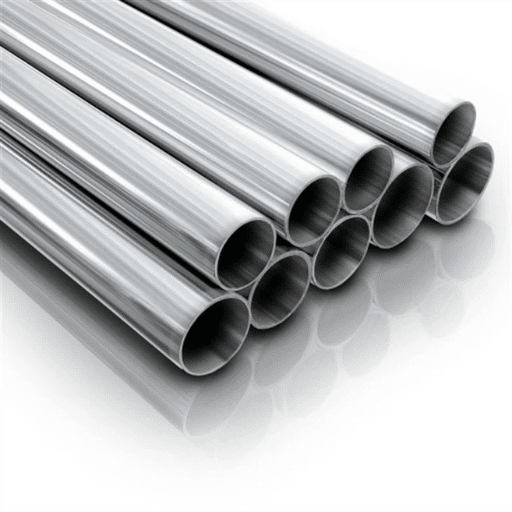
The export market includes half-finished steel products and structural steel and hot-rolled coil and tube and pipe and special steel grades and stainless steel grades which manufacturers create to meet particular industrial requirements. The construction industry and infrastructure sector and automotive industry and machinery manufacturing industry maintain ongoing requirements for particular material grades and reliable supply of materials. The combination of industrial capacity across multiple nations with their upcoming projects leads South America and the EU and Iraq to require both structural and specialty building materials. Suppliers will achieve contract success based on three factors which include price competitiveness and logistics expenses and trade restrictions that involve tariffs. Producers need to develop higher-value grades and coated or engineered products because they face unpredictable conditions in the commodity market.
Which countries are in the top 10 steel producing countries and how does that influence export patterns?
The top 10 steel producing countries which include China, India, Japan, the United States, Russia, South Korea, Germany, Turkey, Brazil, and Iran, produce steel which affects trade patterns between different regions. Countries that have high domestic consumption tendencies will reduce their export activities, whereas nations that have excess production capabilities will establish themselves as significant export markets, which will influence both pricing and international trade patterns. Brazil and Turkey export semi-finished steel and flat products to their neighboring markets, whereas Germany exports higher-grade specialty steels and steel components for machinery. The world production level which scientists measure in million tonnes and billion tonnes provides essential information about regions that experience supply excess and supply shortage. The domestic steel industry protection trade regulations which policymakers create, depend on the rankings which they use to track international steel import levels.
How do iron raw materials and imports of iron affect steel export capacity?
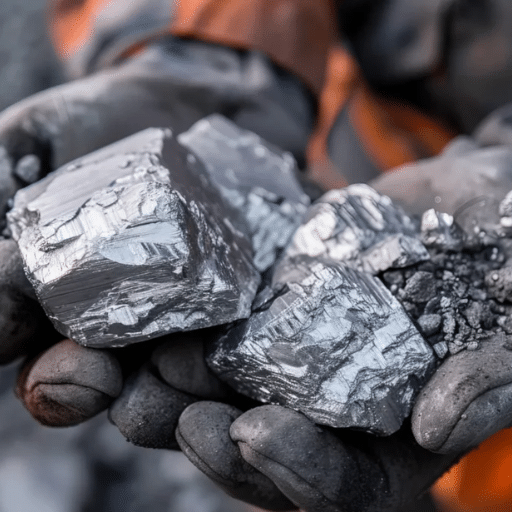
Steel production needs access to iron ore, iron concentrates, or pellets which it imports because these resources determine how much steelmaking operations can export and compete in international markets. Countries that have insufficient iron resources for production must rely on raw material imports because this practice increases their manufacturing expenses while limiting their ability to export goods. Producers use high-value specialty grades with semi-finished steel products as their main products because they want to maintain profit margins which iron price changes and supply interruptions affect. Iron production efficiency for exporting steel products depends on multiple factors which include trade routes, port capacity, and bulk material handling machinery. Exporters who want to access US and EU markets establish stable feedstock systems through long-term contracts which they develop with integrated supply chain systems.
What is the relationship between the broader metal market and steel export trends?
The metal market, which includes alloys and non-ferrous metals, connects with steel markets because they share construction, automotive, and heavy machinery industries as their common demand drivers. Price changes in other metals establish substitution patterns which affect consumer decisions, leading to increased consumption of particular steel grades or decreased consumption when people choose alternative materials. The production of finished steel products which include tube and pipe and structural steel faces delays because supply chain problems impact metal fabrication machinery and essential materials. Export demand receives influence from global economic indicators, regional recovery in South America and the Netherlands, and from infrastructure spending plans. Traders use metal indices and steel-specific metrics to anticipate export volume and pricing information.
How do combined iron and steel trade statistics help understand export balances?
The combined statistics of iron and steel production provide complete information about raw material movement and finished product shipment while demonstrating the points in which value creation occurs. The high levels of iron imports which some countries display together with their substantial steel exports demonstrate that these nations possess domestic processing and metallurgical production capabilities. Analysts compare figures from benchmark years like 2020 and projections for 2025 to detect trends in tonne-based shipments and shifts in production locations. The analysis of net exports together with surplus capacity and product distribution which includes hot-rolled and cold-rolled products as well as stainless steel enables businesses to assess their market position. The domestic metal production together with imported metal products explains how machinery production and downstream manufacturing rely on metal supply.
Reference Sources
- An Alloy of Steel and Information and Communication Technology (ICT): Does It Facilitate Trade? – Explores how ICT impacts steel export capabilities and trade facilitation.
- Summer Training Project Report – Discusses international marketing research and export potential estimation for steel products.
- Steel Industries in Underdeveloped Countries – Analyzes the challenges and costs of steel exports in underdeveloped regions.