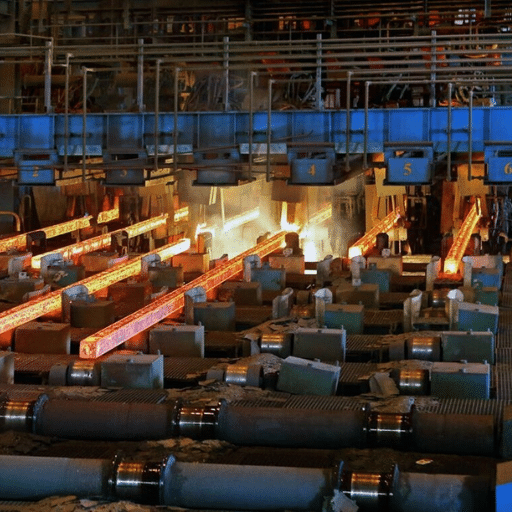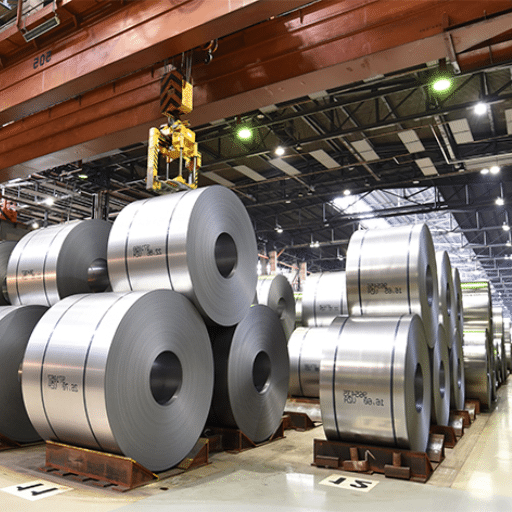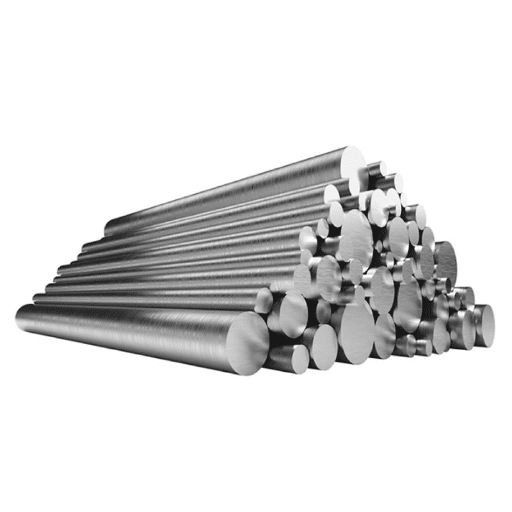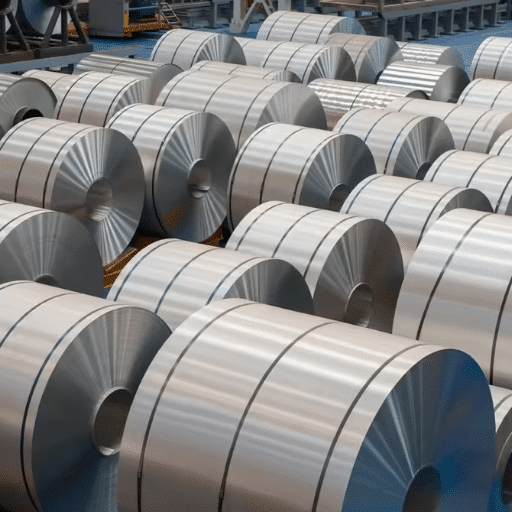
The global steel industry serves as a foundational pillar for contemporary infrastructure which drives technological progress and construction activity and broader economic growth. In 2024, understanding which producers lead the market and why offers direct insight into both competitive dynamics and the long-term trajectory of industrial development. The article studies how leading producers preserve their market positions through their successful operations which depend on two main forces that drive technological progress and sustainable development in an industry that generated 1.8 billion metric tons of steel in 2023.
1.8B
Metric Tons Produced (2023)
70%
Asia’s Share of Global Output
>50%
China’s Share of World Production
50%
Steel Used in Construction
Introduction to Steel Production
Overview of the Global Steel Market
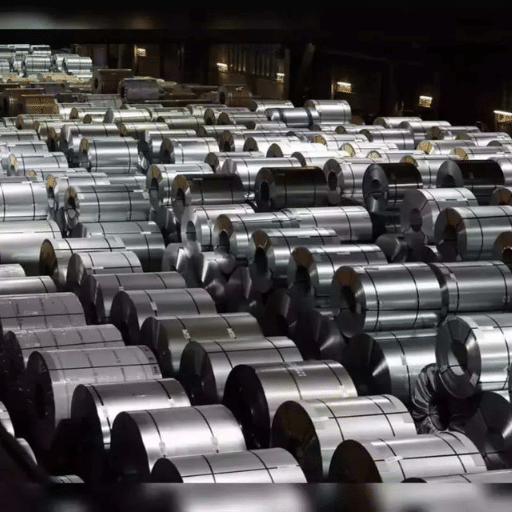
The global steel market operates as an essential base which supplies construction materials needed for modern infrastructure development and transportation networks and manufacturing processes. The global steel production for 2023 reached about 1.8 billion metric tons, with Asian countries responsible for approximately 70 percent of total production. China produces more than half of the world’s steel while India Japan and the United States follow as the next largest steel producers. The current level of production continues because cities expand and industries grow and people seek environmentally friendly permanent building materials. The creation of green steel technologies together with renewable energy systems establishes new standards which enable businesses to achieve environmental compliance while experiencing industrial growth.
Importance of Steel in Modern Industries
The construction sector uses steel to fulfill around 50 percent of total worldwide steel consumption which demonstrates that steel serves as the fundamental material for constructing long-lasting skyscrapers and bridges and transportation systems. The automotive industry depends on steel as its primary structural material to produce lightweight vehicles that meet increasingly stringent fuel efficiency standards. Steel functions as a fundamental element in machinery manufacturing and energy system development and household appliance production beyond its applications in construction and transportation. The combination of strength and durability and versatility makes this material essential for industrial operations while it serves as a core element that drives both industrial development and sustainable progress.
Technical Note: Units of Measurement
Industrial reports use “million tonnes” and “metric tons” interchangeably — both refer to the same unit of measure (1,000 kg or 2,204.62 lbs). The total global steel production for 2022 reached 1,878 million tonnes which China and other leading producers together produced more than half of this amount. The use of “million tonnes” as a standardized reporting unit enables international collaboration and market benchmarking to occur in a consistent manner.
Current Landscape of Steel Producers in 2024

Top Steel-Producing Countries
China maintains its status as the top steel producer worldwide because of its vast industrial infrastructure and substantial internal steel consumption. India occupies the second position since its economy continues to expand and its workplaces progress through industrial development. The three countries Japan, the United States, and South Korea complete this group through their highly developed technological skills and productive manufacturing systems which serve global markets. The market for steel now prioritizes sustainable environmental solutions because steel markets have adopted green steel technologies which include hydrogen-based production methods that replace coal. The expanding renewable energy sector which includes wind turbine and solar panel systems increases the need for steel that manufacturers produce using sustainable methods.
Comparison of Major Steel Producers
Historical Trends in Steel Production

Evolution of the Largest Steel Producers
Three main forces have shaped the growth of major steel companies through their journey from industrialization to economic development before they started to fulfill international market requirements. The United States and Germany achieved exceptional technological advancement and extensive infrastructure development during the industrial revolution which allowed them to become the leading global powers in production. The second half of the 20th century marked the emergence of Japan and South Korea as major international players thanks to their revolutionary manufacturing methods and their growing global trade connections. China became the principal power of the current period through its extensive infrastructure development and state-sponsored industrial expansion which allowed it to dominate more than half of worldwide production. India has achieved substantial progress in recent times because its cities have grown and its people have demanded more products and its government has implemented strategic manufacturing initiatives. Brazil and Russia and the European Union remain vital players through their unique resource capabilities and manufacturing approaches.
Impact of Economic Factors on Steel Production
Steel production directly responds to changes in macroeconomic conditions. The production process of steelmaking operations undergoes immediate changes to production efficiency and profit margins when the costs of raw materials especially iron ore and coking coal undergo fluctuations. Trade policies with their tariffs and subsidies create competitive advantages for some markets while they restrict access to other markets between different nations. The two main ways that economic cycles influence steel consumption are through demand reduction during economic downturns and through demand increase from construction and infrastructure expansion. China maintains its leadership position through extensive infrastructure spending and disciplined cost management, while the EU and India and the United States pursue sustainable production models to remain competitive in an increasingly regulated global market.
Key Players in the Steel Industry

Analysis of the Largest Steel Producers
Luxembourg · Global
ArcelorMittal
The international community recognizes ArcelorMittal for its innovative steel products which the company plans to achieve net-zero emissions by 2050. The company operates sustainable production processes while funding environmentally friendly technologies throughout its international manufacturing operations.
China · World’s Largest
China Baowu Steel Group
Baowu operates as the largest steel producer in the world while using China’s industrial needs and government-backed growth initiatives to develop its business operations. The company is increasing its investments for environmentally friendly steel production technologies which will establish new industry standards.
Japan · Innovation Leader
Nippon Steel Corporation
Nippon Steel maintains a sustained investment in technological research to produce premium-quality steel products. The company leads hydrogen-based steelmaking development which establishes Japan as a top nation in global low-carbon industrial production methods.
Top 10 Steel-Producing Countries in 2024
1
China
Accounts for more than half of global steel production, driven by vast infrastructure projects and industrial scale.
2
India
Rising production capacity fueled by strong domestic market demand and expanding industrial infrastructure.
3
Japan
Maintains its status as a top producer of premium steel through technological expertise and operational excellence.
4
United States
Modern production facilities combined with a commitment to environmentally friendly steel manufacturing methods.
5
Russia
Maintains production levels supported by an extensive natural resource base despite ongoing economic headwinds.
6
South Korea
Advanced integrated manufacturing provides critical supply to the automotive and shipbuilding industries globally.
7
Germany
Leads Europe through innovative production processes with a particular emphasis on environmentally sustainable output.
8
Turkey
Sustains consistent growth in its steel industry supported by diverse and expanding industrial activity sectors.
9
Brazil
South America’s production leader, benefiting from abundant raw material reserves and cost-effective operations.
10
Iran
Completes the global top ten through growth in domestic manufacturing capacity and increasing export activities.
Steel Industries: Technological Progress

Current technological advancements in steelmaking are fundamentally redefining production processes to meet the demands of efficiency, sustainability, and operational flexibility. China, the EU, and the United States have emerged as leaders in low-carbon steel research, while automation and data analytics are transforming plant operations across all major producing nations.
Technology 01
Electric Arc Furnaces (EAF)
EAF technology permits scrap steel recycling with less energy requirements compared to conventional blast furnaces which results in lower greenhouse gas emissions and allows for flexible production across different manufacturing capacities.
Technology 02
Hydrogen-Based Steelmaking
Green hydrogen replaces carbon-based reducing agents in the production process which results in significant CO₂ emissions reduction. China, the EU, and the US drive global research initiatives for this groundbreaking technology.
Technology 03
AI & Machine Learning
AI and ML systems handle predictive maintenance together with quality control tasks which results in enhanced production efficiency while decreasing material waste at integrated steel facilities and automated plants.
Technology 04
Big Data Analytics
Big data platforms enable companies to track their supply chains which helps them make better operational choices and manage their inventory more effectively. The producers use real-time data streams to manage their resources while responding to demand changes.
Regional Spotlight: South Korea & Asia-Pacific
The global steel industry depends on South Korea because its industrial activities combine advanced technologies with integrated manufacturing systems. The companies POSCO and Hyundai Steel use electric arc furnaces together with AI-driven production optimization to achieve better production results while decreasing their environmental footprint. The Asia-Pacific region which extends beyond South Korea leads the world in production capacity because accelerating industrial growth and urban expansion in China India Vietnam and Indonesia. Southeast Asian economies that are developing into emerging markets attract overseas investments while growing their labor force to build their participation in both regional and international steel supply chains.
Future Outlook for Steel Production

Predicted Trends
Companies will start using hydrogen-based steelmaking and electric arc furnaces for their green technology adoption because they need to achieve net-zero carbon targets. The implementation of recycling and circular economy solutions will enhance resource efficiency while artificial intelligence and automation technologies will decrease operational expenses. Urbanization and infrastructure development will make emerging economies the main factors driving demand in global markets.
- Shift toward hydrogen-based & EAF production
- Circular economy and recycled-content expansion
- AI and automation reducing production costs
- Demand growth in emerging-economy infrastructure
Opportunities for Growth
The environmental rules now generate market demand for green steel which benefits producers that implement hydrogen-based systems before their competitors. The development of wind turbines and solar mounting structures as renewable energy infrastructure will create an increasing need for steel products. Developing countries maintain their demand for high-quality steel products which active construction and infrastructure development projects require. The increasing search interest for sustainable steel solutions together with renewable energy materials demonstrates the ongoing transformation of the market.
- Green steel premium pricing opportunities
- Renewable energy structure components
- Developing-nation construction demand
- Sustainability-compliance differentiation
Challenges Facing Steel Producers
- !
Raw material price volatility
Unpredictable fluctuations in iron ore and coking coal prices — amplified by geopolitical conflicts and supply chain disruptions — create persistent challenges for maintaining profit margins. - !
Intensifying environmental regulations
The steel industry ranks among the largest CO₂ emitters globally, facing mounting regulatory pressure to adopt sustainable technologies and transition to hydrogen-based production processes. - !
Competition from alternative materials
Automotive and construction industries are increasingly substituting steel with aluminum and composite materials, creating structural demand risk particularly in high-value application segments. - !
Global trade policy uncertainty
Tariff implementations and export restrictions continue to introduce market volatility, while advanced automation investment requirements disadvantage smaller producers against better-capitalized global competitors.
Frequently Asked Questions
Reference Sources
Source 01
Steel Market and Global Trends of Leading Geo–Economic Players
Explores global steel market trends and the production dynamics of major steel-producing regions and their economic actors.
Source 02
The Iron and Steel Industry: A Global Market Perspective
Focuses on steelmaking technologies and international steel market structures, providing a comprehensive analytical framework.
Source 03
Economic and Qualitative Determinants of the World Steel Production
Analyzes the economic and qualitative factors — including trade policy, raw material dynamics, and demand cycles — that influence global steel production levels.