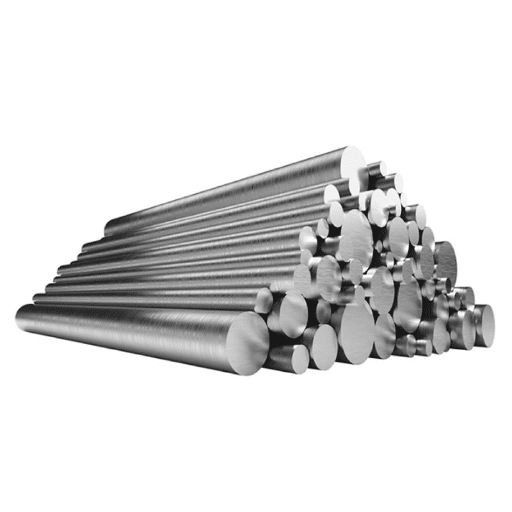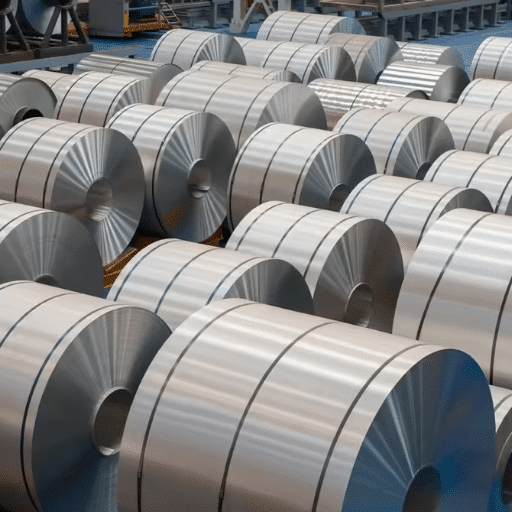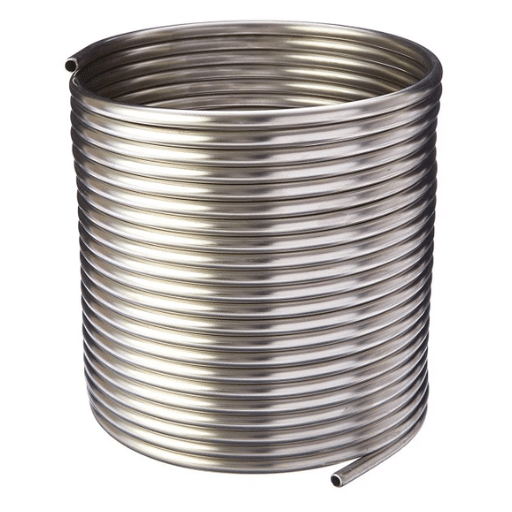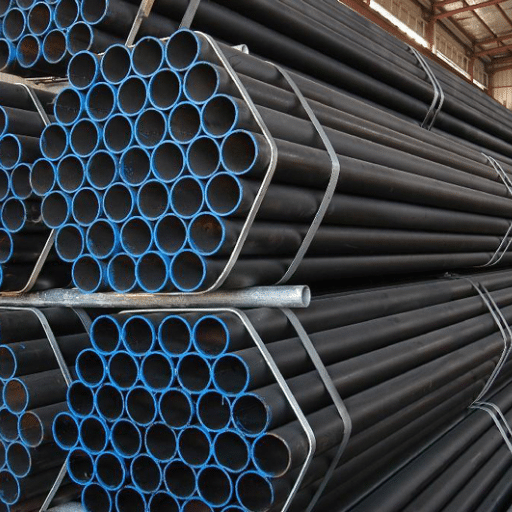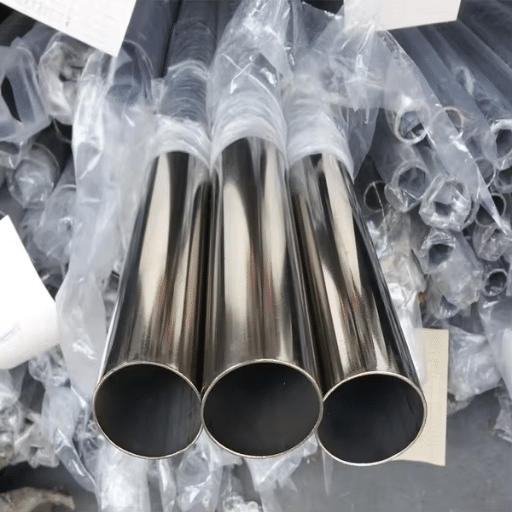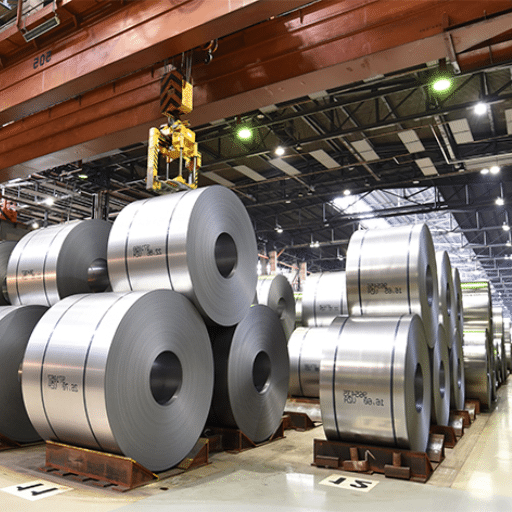
This article investigates industry dynamics resulting from technological progress, sustainability initiatives, changing trade regulations, and market requirements. We explain essential elements determining steel industry development together with their economic effects on worldwide business and industrial sectors. This detailed study on the present state of the iron and steel industry provides useful information helping professionals, investors, and general readers understand the global economic system.
Overview of the Global Iron and Steel Industry

Current Trends in Steel Production
Steel production requires three main elements which include technological progress and environmental regulations and changing international market demands. The latest industry data demonstrates that manufacturers are adopting decarbonization through the implementation of green steel production methods which use hydrogen-based direct reduction technology.
Key Production Trends
- Leading Producers: China India and Japan produce almost 50 percent of the world’s steel.
- Decarbonization Focus: The industry is adopting green steel production techniques which use hydrogen-based direct reduction methods.
- The steel industry has increased its scrap metal recycling through recycling programs and initiatives which support circular economy development.
- The organization faces operational difficulties because of two main factors which include rising energy costs and disruptions in their supply chain.
- The European Union and North America use sanctions and tariffs to regulate trade patterns which create geopolitical problems.
Major Players in the Steel Industry
The steel industry operates through various essential companies which together dominate the market while driving research and development activities.
| Company | Headquarters | Key Strengths |
|---|---|---|
| ArcelorMittal | Global (60+ countries) | Largest steel producer, cutting-edge technologies |
| China Baowu Steel Group | China | Asia’s top producer, infrastructure focus |
| Nippon Steel Corporation | Japan | Advanced materials, sustainable manufacturing |
| POSCO | South Korea | Advanced technologies, eco-friendly methods |
| U.S. Steel Corporation | United States | Domestic market support, sustainable tech |
| Tata Steel | India | Europe & Asia facilities, quality focus |
| JFE Holdings | Japan | Regional market leadership |
| Shagang Group | China | International market influence |
The steel industry will progress through these companies which combine sustainable practices with technological progress and continuous business transformations.
Regional Insights into Iron and Steel Companies
The development of the global iron and steel industry needs to consider regional factors which establish primary drivers through resource distribution, economic development, and technological progress.
🌏 Asia
China leads as top global producer with Baowu Steel Group. India’s Tata Steel focuses on quality and minimal environmental impact.
🌍 Europe
ArcelorMittal uses advanced technologies achieving operational excellence with sustainability objectives driving global operations.
🌎 North America
U.S. Steel and Nucor Corporation create sustainable products through advanced R&D efforts.
🌎 Latin America
Gerdau operates as dominant market player using extensive distribution network for sustainable development programs.
Steel Production Processes

Traditional Methods of Steel Production
Steel production depends mainly on two fundamental techniques: blast furnace operations together with basic oxygen furnace (BOF) procedures.
Traditional Production Methods
Blast Furnace Process
Produces molten iron through combination of iron ore, coke, and limestone undergoing high-temperature heating. This method has operated as primary technique for decades enabling efficient mass production.
Basic Oxygen Furnace (BOF)
Refines molten iron by blowing oxygen through it, reducing impurities such as carbon and transforming it into high-quality steel. Essential for mass production efficiency.
Environmental Concerns: The industry needs to reconsider established practices because of environmental worries linking to carbon emissions and power usage. Latest data shows implementing cleaner technologies like carbon capture and storage (CCS) alongside increasing reliance on renewable energy sources can significantly mitigate environmental impact.
Modern Advancements in Steel Casting
Latest advancements in steel casting technology developed during recent years focus on achieving sustainable operations delivering efficient production of high-quality results.
Key Technological Advancements
🤖 AI & Machine Learning
AI systems analyze vast datasets in real-time, identifying patterns and suggesting adjustments to improve precision, reduce waste, and lower energy consumption.
🖨️ 3D Printing Technology
Allows development of accurate molds and prototypes requiring fewer resources, making production more efficient.
⚡ Electric Arc Furnaces (EAFs)
Enable carbon emissions reduction by operating with renewable energy sources. Recent reports show using these technologies can decrease emissions up to 50%.
Steel casting achieves production goals together with environmental sustainability objectives through use of clean energy resources, modern digital technologies, and sustainable materials.
Safety Measures in Steel Manufacturing
The steel manufacturing industry needs to make safety its main priority because its operations face multiple imminent dangers which arise from extreme heat work conditions and high-weight equipment use and dangerous substance handling.
Critical Safety Protocols
- Personal Protective Equipment (PPE): Workers need to use helmets and gloves together with heat-resistant clothing to ensure their safety.
- Advanced Monitoring: The system provides equipment failure detection and gas leakage detection through its real-time monitoring capabilities.
- Automation & Digital Solutions: IoT devices together with AI-based analytics systems identify safety hazards before they progress into dangerous events.
- Comprehensive Training: The program teaches emergency response skills together with equipment handling expertise and workplace hazard identification.
- Integrated Approach: The system connects historical safety practices with modern technological advancements to create an effective safety system.
Global Trade Dynamics

Steel Exports and Imports
Steel serves as a vital element for international commerce, as every major nation depends on steel imports and exports to meet its market requirements.
| Category | Leading Countries | Market Position |
|---|---|---|
| Top Exporters | China, India, South Korea, Japan | China remains biggest steel exporter globally |
| Top Importers | United States, Germany, Italy | Strong industrial base and basic material needs |
| Trade Factors | Tariffs, Trade Disputes, Sustainability | Section 232 tariffs impact global patterns |
Global steel trade operations remain affected by ongoing trade disputes and U.S. Section 232 tariffs. Supply chain difficulties and sustainable development issues have emerged as major factors shaping international trade regulations, as nations are dedicated to using environmentally sustainable and recycled steel materials to fulfill climate targets.
Steel Trade Patterns from Emerging Economies
The global steel trade experiences important changes from emerging markets expanding their industrial base, building urban centers, and constructing essential infrastructure facilities.
Emerging Market Trends
- India’s Rise: World Steel Association reports India becoming second-largest producer of crude steel
- Growing Markets: Steel consumption increased in India, Brazil, and Vietnam
- Market Focus: Price-effective solutions with adaptable distribution capabilities
- Domestic Manufacturing: Policies boost domestic production reducing reliance on Chinese steel
- Future Impact: Emerging markets will determine future global policies across sector
Steel Market Trends in 2025
Technological breakthroughs, new manufacturing methods, and sustainable development objectives will drive major changes in the global steel industry by 2025.
2025 Market Projections
- Green Steel Technologies: Increased acceptance of hydrogen-based production cutting carbon emissions
- Financial Commitments: Industry and government bodies investing in environmentally friendly manufacturing
- Digital Technologies: AI and IoT systems work together to reduce material waste while they enhance operational efficiency
- Regional Demand: The infrastructure and urban development needs of Southeast Asian and African emerging markets drive market demand
- Circular Economy: The practice of recycling and producing scrap steel has become more widely accepted throughout the industry
Sustainability in the Iron and Steel Industry

Environmental Impacts and Carbon Emissions
The iron and steel industry is one of the largest contributors to global carbon emissions, totaling approximately 8% of worldwide greenhouse gas emissions. Production processes requiring high energy consumption create environmental damage because reduction of iron ore in blast furnaces depends on coal and other fossil fuels.
Environmental Solutions
🌱 Hydrogen-Based Direct Reduction
Technology being tested more extensively than ever before for cleaner steel production
♻️ Carbon Capture, Utilization & Storage (CCUS)
Systems currently tested for large-scale implementation to reduce emissions
⚡ Electric Arc Furnace Technology
Enhanced implementation of recycled steel reducing carbon footprint significantly
Shifts Towards Greener Operations
The steel industry is actively transitioning to more environmentally friendly operations by implementing new technologies and eco-friendly practices.
Industry Transformation: The newest information demonstrates that global search queries for sustainable and low-carbon steel production methods have risen because more people want to find sustainable solutions. Current trend proves steel production needs to use renewable energy sources such as wind and solar power to decrease fossil fuel consumption. The entire industry requires partnerships among stakeholders together with financial backing and continuous research efforts to reach its environmental sustainability objectives.
Role of Technology in Enhancing Sustainability
Technology provides various industries with sustainable development solutions enabling businesses to reduce environmental impact while achieving better operational efficiency.
📊 Advanced Data Analytics
Track energy consumption, waste production, and resource utilization in real-time
🤖 AI Technologies
Manufacturing and agriculture achieve energy savings up to 20% in certain operations
🌐 IoT Technology
Connects smart devices for environmental monitoring and energy-efficient management
Technological Innovations in the Steel Industry

Integration of Automation in Steel Production
Automation has transformed the steel industry through its ability to enhance operational efficiency while decreasing material waste and improving production efficiency.
Automation Benefits
Advanced Robotics & AI Systems
Manage material handling tasks together with quality assessment and process observation duties formerly requiring human workers.
Smart Sensors & Real-Time Analytics
Create usable information maintaining accurate control over temperature, pressure, and chemical composition during entire manufacturing process.
Predictive Maintenance Systems
Identify potential equipment breakdowns helping decrease operational interruptions while extending machinery asset operational periods.
Sustainability Impact
Automating energy-intensive operations results in substantial decreases of both carbon emissions and resource consumption while enhancing workplace security.
AI and Its Influence on Steel Manufacturing
Artificial Intelligence (AI) has enabled the steel manufacturing industry to improve operational processes through process optimization, quality control enhancement, and cost reduction.
AI Applications in Steel Manufacturing
- Predictive Maintenance: Algorithms forecast equipment failures which enables maintenance work to be done before problems occur and this leads to decreased equipment downtime and lower operational expenses
- Quality Control: Computer vision technology detects product defects with exceptional precision which allows production processes to maintain their established quality standards
- Process Optimization: The system increases operational efficiency by eliminating unnecessary operational activities and decreasing power consumption
- Sustainability Support: The system creates more environmentally friendly methods for producing steel through its sustainable practices.
Challenges and Opportunities for Future Growth
The steel industry faces three main obstacles which it must overcome to achieve growth through innovative solutions in a market requiring both enhanced competition and environmentally friendly practices.
⚠️ Key Challenges
- Carbon footprint reduction without jeopardizing financial performance
- High energy requirements making green transition difficult
- Supply chain interruptions
- Changing raw material prices
💡 Growth Opportunities
- Green technologies (hydrogen-based production, carbon capture)
- Growing demand from emerging markets
- Urban area expansion creating new opportunities
- AI-powered data insights and analytics
Frequently Asked Questions
How is steel production evolving in the global iron and steel sector?
Steel production around the world experiences changes because electric arc furnace methods and contemporary manufacturing technologies get adopted by different countries. The World Steel Association annual reports together with the 2023 world crude steel production data demonstrate that output patterns have shifted because China and India maintain their steel production dominance while Japan and various Asian and African countries adjust their manufacturing capacities. Producers are establishing research and development initiatives while developing cutting-edge material science technologies to achieve two goals which include producing finished steel products and decreasing emission intensity. National sustainable output strategies depend on energy and raw materials management and optimization of blast and oxygen furnace operations. The new developments create effects that change both the worldwide steel supply and the competitive position of major steel firms against their supplier companies.
What challenges does the modern steel industry face regarding sustainability and emissions?
The steel industry must decrease its emissions from traditional blast and oxygen furnace routes while establishing more sustainable methods for recycling and producing low-carbon steel products. The national steel corporation Nippon Steel together with other companies publishes sustainability reports which detail their investments in hydrogen technology and electric arc furnace development and carbon capture research. Organizations require financial backing to execute their sustainable infrastructure projects which include furnace upgrades and fuel system transformations and manufacturing process improvements. Organizations experience operational difficulties because they need to protect the environment while economic factors and ownership models and supplier relationships prevent them from making essential transformations. Institutes and research centers work together to develop new technologies which reduce emissions while they track progress until 2025 and beyond.
How does world steel trade, exports and imports, influence national economies?
Steel-producing nations depend on international trade through their steel material imports and exports together with their raw material imports and exports which determine their national industrial development plans. China, as biggest steel exporter historically at times, and other leading producers shape global trade flows, while import-dependent countries rely on steady supplies for infrastructure and manufacturing. The movement of crude steel and finished steel between countries is affected by tariffs and anti-dumping measures and bilateral agreements according to trade data and annual reports. The steel market tracks demand changes from the construction sector and automotive industry which results in economic growth and job growth within the manufacturing sector. Trade statistics provide governments and companies with information which they use to calculate production levels and export volumes according to current global market conditions.
Which casting and production techniques are currently being utilized by steel manufacturers in their production processes?
Development of new casting technologies progresses through enhanced continuous casting procedures and secondary metallurgy methods and automated systems that boost product yield and steel product quality. Digital monitoring and process control systems along with advanced furnace technologies are being implemented by manufacturers to minimize production defects while achieving optimal energy efficiency during their crude steel and finished steel manufacturing processes. Steel companies and research institutes are extending product offerings through research into new alloys and material compositions which enable both infrastructure development and specialized use cases. Current trend shows increased implementation of recycled scrap material in electric arc furnaces which enhances both production sustainability and recycling capability. Industry reports show operational improvements through comparison of work time between years 2017 and 2023.
What safety measures are prioritized in the iron and steel industry to protect workers and operations?
The steel industry safety practices focus on controlling dangerous situations which arise from both high-temperature activities and heavy equipment operation and raw material handling. The facilities establish strict safety procedures which govern all operations of blast furnaces and electric arc furnaces, while they provide training programs and protective gear and monitoring tools to minimize safety risks. The safety programs protect workers and surrounding communities because they combine with sustainability initiatives and emission reduction technologies. Steel production plants collaborate with national research institutions and safety organizations to develop safety benchmarks and operating rules that match contemporary industry standards. Organizations achieve operational benefits from continuous safety enhancements because they maintain their ability to operate large-scale steel production facilities.
How do exports and imports affect the steel market outlook and company strategies?
The steel market conditions together with corporate strategies receive their formation through the direct effects which exports and imports bring to steel prices and operational efficiency and corporate decision-making. The companies use international steel association data together with national trade statistics to forecast future demand which helps them decide production capacity and inventory management methods for both crude steel and finished steel products. Trade imbalances create conditions which lead to ownership structure changes and domestic production investments and export market development as businesses try to achieve output stability. The combination of tariffs and currency exchange rate changes together with planned infrastructure development creates a framework that determines which countries will become key manufacturing hubs and critical supply chain partners. The international trade patterns which exist today drive corporations to select their research and development areas which they use to create business practices that support sustainable company growth.
Reference Sources
- Iron and Steel Industry Emissions: A Global Analysis of Trends and Drivers – Research focusing on global emissions from the iron and steel industry, including pollutants and CO₂.
- International Comparison of CO₂ Emission Trends in the Iron and Steel Industry – A study comparing CO₂ emission trends and reduction opportunities across different countries.
- International Competition in Iron and Steel, 1850–1913 – Historical analysis of international competition in the iron and steel industry during the industrial revolution.