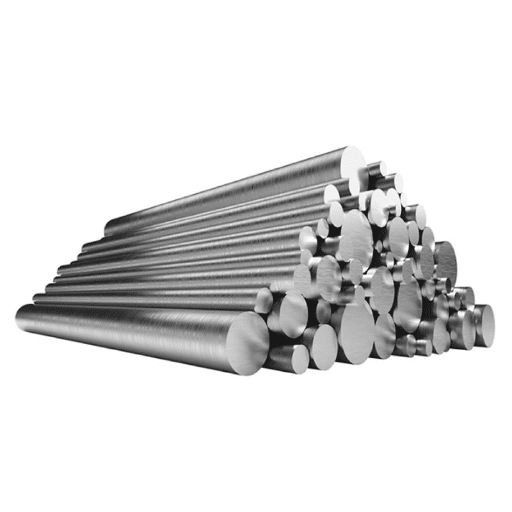
Due to the availability of various lengths, gauges and even strengths, the stainless steel round bar which is normally called a rod has a very wide application range. Since grade 304 and grade 316 also have a well-documented background and also incorporate features making them very popular for sale within differentiated and levels of applications, between these two types of non-degradable stainless steel plates some of the core ones are bought quite a lot. Between the two stainless steel round bars, do you know which one you will need for your project? Stainless steel round bar of both 304 and 316 grade has been compared, their properties have been described and a reasoning has been given for the proper use of this particular bar of stainless steel in construction works, manufacturing and industrial practices.
Understanding Stainless Steel Round Bar
1Aspects and Constituents
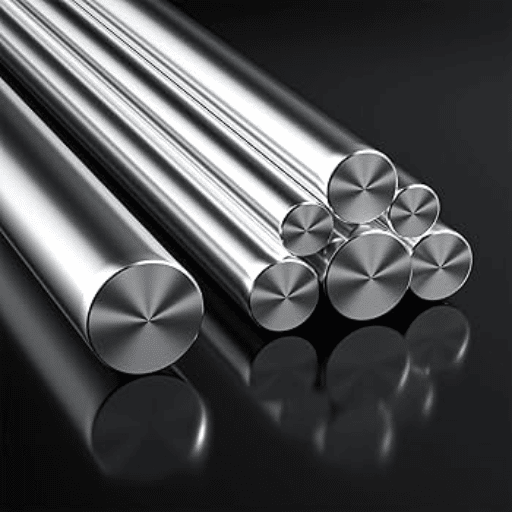
Round metal cylinders known as stainless steel round bars are often used in many industries due to their strength, resistance to rust, and multipurpose nature. Understanding their composition is essential for selecting the right material for specific applications.
Primary Components:
- Iron: Principal component providing the base metal structure
- Chromium: Exceeding 10.5% for stainless steel property and corrosion resistance
- Nickel: Enhances hardness and tenacity
- Molybdenum: Improves performance in extreme temperatures
- Manganese: Contributes to resistance to oxidizing agents
| Grade | Composition | Primary Features | Typical Applications |
|---|---|---|---|
| 304 | 18% Chromium, 8% Nickel | General purpose, high corrosion resistance, good machinability | Interiors, common manufacturing, food processing |
| 316 | 16% Chromium, 10% Nickel, 2% Molybdenum | Enhanced pitting/crevice corrosion resistance | Marine environments, chemical processing, wet conditions |
As per current information, the composition variations determine their application limitations. Grade 304 is preferred where interiors and common manufacturing are concerned, while 316 is preferred in environments with marine, chemical, and wet conditions requiring superior corrosion resistance.
2Various Types of Stainless Steel Round Bars
Different compositions, grades, and uses characterize the categorization of stainless steel round bars. Understanding each type helps organizations determine which stainless steel round bar best suits their specific needs.
Common Stainless Steel Round Bar Types
304 SS Round Bars
Widely recognized for their adaptable nature and cost-effectiveness. Commonly applied in food-processing, kitchen equipment, and the building industry. Excellent reputation as corrosion-resistant and workable materials for diverse applications.
316 Stainless Steel Round Bars
Molybdenum content enhances resistance against chloride corrosion. Suitable for applications in salt water conditions, chemicals, and hospital equipment requiring superior corrosion protection.
303 Stainless Steel Round Bars
Increases engineering and manufacturing efficiency allowing easier cutting operations. Generally employed in precision manufacturing activities including fasteners like bolts and screws and fittings.
17-4PH Stainless Steel Round Bars
Precipitation-hardening grade offering exceptional strength and corrosion resistance. Used in high-stress manufacturing processes involving critical components for aerospace industry, valves, and demanding applications.
416 Stainless Steel Round Bar
Noteworthy for remarkable machinability coupled with fair resistance to corrosion. Finds utilization in manufacture of gears, shafts, and automotive components.
3Essential Characteristics of 304 and 316 Stainless Steel
Two of the most frequently used alloys across industrial applications are 304 and 316 stainless steel because of the different characteristics each possesses. Both uphold good levels of strength and durability while offering excellent corrosion resistance—there are, however, minor distinctions that prove useful in certain environments and applications.
⚙️
Stainless Steel 304
This is the most viable solution when it comes to cost-effective corrosion resistance. It consists of a kind of steel in which the major alloying elements are chromium (18 – 20%) and nickel (8-10.5%) making it the non-magnetic stainless steel category with a very stable metallurgical phase. They are easy to process and for making, this type, round bar stainless steel, typical furniture, kitchen utensils, shelves also used indoors suitable where there are moderate conditions is fabricated.
🔧
Stainless Steel 316
304 as well as 316 stainless steel have something very similar in common, namely, 316 stainless steel round bar has chlorides and exhibits excellent durability in corrosive environments. This additional property originates from molybdenum which is 2- 3 percent in the composition in comparison to 304 ss. Its higher resistance to pitting and crevice corrosion makes it applicable in the marine environment, pharmaceutical processes and chemical industries.
There are a number of things a business evaluates when it comes to choosing between the two options such as the cost, the breathability for wearing, and the need for performance. 304 is easy to find as the most common choice while 316 is usually the most advanced in extreme conditions. Because both types don’t wear away easily in a given condition, cosmetic appeal and the required degree of functionality are attained concurrently.
Applications of Stainless Steel Round Bar

Uses in Various Sectors
Stainless steel round bars play an important role in numerous industry sectors and areas due to their strength, durability, and versatility. Latest reports confirm extensive use across multiple critical applications.
🏗️ Construction
Used as frameworks, fasteners, and reinforcements requiring long-term strength
⚡ Oil & Gas
Supporting pipelines and parts requiring corrosion resistance in aggressive environments
🚗 Automotive & Aerospace
Manufacturing shafts, gears, and fasteners under stress and heat
🏥 Food & Pharmaceutical
Equipment requiring cleanliness, durability, and resistance to wear
Construction and Fabrication Uses
Stainless steel round bars are essential to construction and fabrication industry, bringing unmatched performance in terms of strength, durability, and corrosion resistance.
Construction Applications:
- Structural Members: Beams, columns, and railings for long-term exposure resistance
- Architectural Work: Modern urban environments appreciating clean aesthetics and minimal maintenance
- Machinability & Weldability: Permits intricate designs and custom applications
- Fabrication Flexibility: Enables engineers to venture into different project types
Based on search trends analysis, there is increasing demand for stainless steel round bar in modern architectural work, especially in urban built environments where aesthetic materials are appreciated for their clean outlook and minimal maintenance requirements.
Uses in Marine and Aerospace Industries
Stainless steel round bars have proven invaluable in the marine as well as aerospace industries, where strength, corrosion resistance, and lifespan are critical requirements.
| Industry | Environmental Challenges | Component Applications | Material Benefits |
|---|---|---|---|
| Marine | Maximum saltwater exposure | Shafts, fasteners, structural supports | Corrosion resistance, longevity |
| Aerospace | Extreme temperature and pressure changes | Structural components, fastening systems | Lightweight, high strength, durability |
Search trends reveal a rise in interest related to stainless steel round bar in these particular industries, seeking to exploit the materials for lightweight and strong products that align with emerging technologies in the material sector promising to fulfill high requirements.
Technical Specifications of Stainless Steel Round Bar

Grades and Quality
For stainless steel round bar, various grades and alloys come together providing specific usefulness and efficiency in different operations and tasks. Understanding grade specifications is crucial for optimal material selection.
Popular Stainless Steel Grades
Grade 304
Excellent corrosion resistance, packed with versatility making it suitable for general use. Most economically viable and preferred solution for general usage applications.
Grade 316
Better version of 304 with superior resistance to chloride attack, very important in marine and chemical engineering applications.
17-4PH
Amazing strength characteristics with high hardness level; popular in high-performance applications such as aviation and pressure-bearing components.
Search engine analysis reveals many people searching for dual-certified grades like 304/304L and 316/316L, offering excellent strength while complying with high specification levels. Engineers and designers should choose grades appropriate to the given environment and operating conditions.
Availability of Sizes and Lengths
Diameters and lengths of stainless steel round bar vary, making it possible for different applications across industries. Understanding standard and custom sizing options helps project planning.
Standard Size Ranges:
- Diameters: Commonly from 1/8 inch to 24 inches
- Lengths: Typically from 12 feet up to 20 feet
- Custom Sizes: Special dimensions available upon request for specific projects
- Dual-Certified Grades: 304/304L and 316/316L providing flexibility for normal and advanced applications
Measures of Strength and Hardness
Assessing stainless steel characteristics, strength as well as hardness emerge as chief parameters, mostly reflected in tensile strength and hardness indexes (Brinell or Rockwell).
Key Strength Specifications:
The tensile strength for grades like 316/316L is approximately 70,000 psi, while 304/304L grades demonstrate slightly different values. Search engine resources show many sectors seek products that are long-lasting and cannot deform easily under pressure. Higher hardness grades like 440C may be needed for cutting tools or bearings where wear resistance is critical. These attributes determine the correct grade for situations depending on strength, workability, and environmental requirements.
Corrosion Resistance and Durability

Factors That Affect Corrosion Resistance
Understanding corrosion resistance factors is imperative for material selection and long-term performance. Multiple elements contribute to how well stainless steel resists corrosion in various environments.
Key Corrosion Resistance Factors
1. Environmental Conditions
Exposure to humidity, salty surroundings, or lower pH balance leads to faster corrosion rates. Marine environments result in greater corrosion due to prolonged salt exposure. Industrial settings with chemical clouds present more material injury.
2. Material Properties
Chromium content creates a protective oxide layer shielding the metal. Addition of molybdenum and nickel enhances resistance in extreme environments, particularly in stainless steel round bar applications.
3. Surface Preparation and Finishing
Protective coatings (paints, galvanizing, powder coatings) insulate surfaces from aggressive environments. Passivation treatment and anodizing finishes enhance anti-corrosion properties significantly.
4. Maintenance and Housekeeping
Routine maintenance and cleaning remove contaminants (dirt, salt, aggressive agents). Regular upkeep prevents barrier breaks that lead to corrosion development.
5. Design Considerations
Good design prevents water or contaminant entrapment. Smooth, sloping surfaces and shallow curves prevent moisture retention, helping material durability.
Search trends indicate industry preference for stainless steel alloys with high nickel and molybdenum content for marine and chemical applications, emphasizing the merger of material content appreciation with operational and environmental flexibility.
Difference Between Grade 304 and Grade 316 Stainless Steel
304 and 316 Stainless Steels are extensively used across industries due to their desirable properties for specific applications. Latest search data shows increasing demand for clarity about primary disparities between these two categories.
| Characteristic | Grade 304 | Grade 316 |
|---|---|---|
| Composition | 18% Chromium, 8% Nickel (“18-8”) | Higher nickel, 2-3% Molybdenum added |
| Corrosion Resistance | High resistance, acceptable in mild conditions | Superior pitting/crevice resistance, especially saltwater |
| Cost | More affordable, reasonable pricing | More expensive than 304 |
| Best Applications | Household utensils, automotive, indoor decorative | Marine environments, medical implants, chemical processing |
| Machinability | Excellent, preferred for complex shapes | Good, slightly more challenging |
According to search data analysis, 304 stainless steel remains the most economically viable solution for general usage, whereas 316’s capability to withstand extreme environments drives consumption in contemporary construction materials for severe conditions. Understanding which is better depends on environmental operation factors and cost implications.
Guidelines for Proper Care of Stainless Steel Round Bars

Preserving Stainless Steel Round Bars
Keeping stainless steel round bars in tip-top condition without deteriorating quality, appearance, and functionality requires good maintenance practices. The following current practice suggestions help maintain such standards.
Maintenance Best Practices
1. Clean Regularly
Use neutral detergent, plain soap, or water to effectively grimless stainless steel round bar on a regular basis. Use the special tender cleaners for stainless steel for tough cleaning. Do not use metal wool or materials with rough ends that could destroy the coating.
2. Corrosion Inhibition
Avoid prolonged contact with chlorine-containing materials such as seawater and chemical substances. When unavoidable, wash bars thoroughly with fresh water and allow complete drying to prevent localized corrosion.
3. Regular Scheduled Checks
Perform routine monitoring for deterioration, discoloration, or metal decay. Recognizing and fixing problems on time prevents worse deterioration. Pay special attention to joints and welds.
4. Proper Storage
Keep bars in clean, dry conditions minimizing contamination and rust risk. Avoid storing with different metal types to prevent electrolytic corrosion. Never place directly on floors or in moist areas.
5. Protective Coating
Consider painting or spraying protective coatings to prevent rusting and maintain polished surfaces. This method applies particularly in aggressive environments such as marine or industrial settings.
These practices allow for efficient use of stainless steel round bar while keeping wear and tear at a minimum and preventing unsightly appearance issues that affect fit and function.
Emerging Trends in Stainless Steel Round Bar Production

Character of Contemporary Manufacturing
The introduction of high-technology-based manufacturing processes has transformed the sector. Understanding these advancements helps appreciate modern production capabilities.
Robotic Systems: Automated lathes, milling machines, lasers, and printers for precision manufacturing
AI Integration: Machine learning for real-time process tracking and quality optimization
Material Optimization: Data-driven approaches for efficient resource utilization
Eco-Friendly Measures in Manufacturing
Search engine data reveals visible trends toward sustainable steel manufacturing. Companies are increasingly adopting environmentally responsible production methods.
Sustainability Initiatives:
- Electroarc furnace: for melting or recycling of metal or scraps into new kind of stainless steel round bar by utilization of renewable sources
- Renewable Hydrogen: promoting the overall reduction of energy needs and production processes sediments
- Carbon Capture and Storage: Ensuring minimal environmental pollution even in the existing plants where such technologies are
- Recycling initiatives: There exists a line of products that boast more than 85% scrap metal
- Zero Emission Target: High yield is maintained while low carbon emission or savings goals are being met
Prospects for Stainless Steel Round Bars in the Future
The prospects for stainless steel round bars are quite bright due to technological advancement, growing consumption, and global commitment to sustainable development.
Future Outlook:
The existing statistics and market reviews show an increasing demand from constructions, automobile, aircraft production and energy industries. Sustainability will be a strong force in this market as recyclable materials and zero emission production processes become the norm. There will be lighter and stronger alloys due to development and application of engineering technology for material development. In the case of developed economies, the growth appears to be sustainable due to the expansion in urbanization and infrastructure development which encourages stainless steel round bar in the production of economically and environmentally areas of the globe.
Frequently Asked Questions
What can I expect in terms of stainless round bar dimensions and availability from suppliers?
A standard measure of stainless steel round bar frequently spans from thin rod stock up to larger bar stock for machining and is available in many suppliers’ storages. Complete finishing of bars is placed on preorder stocks which are available for secondary re-touching in particular turning or grinding. Delivery periods shall put many factors into pressure such as UNS group, heat treatment, and condition of the bar whether it is annealed or hardened. Confirm percentage of carbon, conventional specifications of low carbon steels, or special steel types such as 17-4 as these will affect the strength and physical characteristics. For some providers, they show even requirement for finishing that their specifications guarantee. Retsoking and shipping information need verification beforehand so that the process production does not stop or get delayed.
What are the impacts of different heat treatment methods such as precipitation hardening and annealing on hardness and ductility?
Annealing is a process primarily intended to relieve strain or other stresses in the internal structure, enhancing the mechanical performance of the stainless steel round bar. Such heat treatment procedures require microstructural reactions that accompany phase transformation of the stabilized stainless steel. Precipitation hardening (17-4 PH stainless steel for example) has mechanisms to eliminate or minimize such effects by appropriate precipitation levels. Such alloys can be either magnetic or non-magnetic, but the alloy can get too hard, reducing its ductility. A one heat treatment shall determine a certain level of ultimate hardness and resistance of high temperatures from a point of view of corrodibility. Take into account the tensile strength and ductility arising from further deformation and finishing of the surface. Search for specific UNS numbers and make sure that the heat treatment process practiced by the supplier is suitable for its purpose.
How does magnetic behavior change after machining and heat treatment?
Magnetization ability depends on chemical composition and heat treatment. Austenitic stainless steel grades (type 300) including stainless steel round bar show no magnetism when fully annealed; however, progressive cold working may demonstrate low magnetism. Martensitic and precipitation hardening grades like 17-4 stainless steel conditions are magnetic with high strength propensity. If maintaining nonmagnetic properties is important, specify alloy requirements or request supplier certification after heat treatment. Note that magnetism may change during/after cold work, requiring annealing to maintain nonmagnetic state. For sensitive electronics or magnetic positioning sensors, always verify rod stock final state condition.
What affects anti-corrosive properties of stainless steel rods?
Apart from the surrounding pH levels, acids, chlorides, or oxidizing atmospheres exposure, the inherent corrosion resistance is largely determined by the alloy type. Generally, when subjected to such application conditions, the ferritic grades are more resistant to corrosion than the austenitic grades. As for local / precipitation corrosion occurring around the room temperature in acidic / low pH conditions, it is suggestible to passivator or apply high anti-corrosion alloy concentration for mitigating the effect. An increase in the contents of chromium, molybdenum, or nickel in such media is effective in improvement. The mill finish is rather grainy and hence rust grows faster and the surface is more vulnerable to contamination / damage. When in doubt as far as corrosion is concerned, one can readily understand the expected performance simply by using the UNS numbers.
Can stainless steel round bar be used in high-temperature applications?
Specific stainless steel round bars are constructed with the objective of more specific performances including high temperatures applications, maintaining strength unlike others which may lose or weaken and/or tend to creep. Prevalent is the addition of chrome in ferritic and some austenitic grades in order to retain oxidation effects after short periods of operation but during long exposure scaling, precipitation and embrittlement may occur. Capability is based on the heat treatment, the carbon content and the level of the stabilizing element; choose the extreme hotwork containing steel. If the thermal cycling process or the operation is in corrosive environments, then coated or higher alloy content materials should be used. For the current service temperature, refer to the supplier tables or selection charts indicating tensile or mechanical strength, or creep. Allow for design elongation and post-heating weakening of the structure to preclude failure over a short period of time.
What are machining and finishing considerations for free-machining versus standard rod stock?
Stainless steel round bar containing elements like sulphur or selenium for improved chipping and machinability is far more efficient and destroys tools slower than simple stock rod. Free-machining grades can provide slightly less corrosion resistance and lower toughness where better machining outweighs material durability. Mill finished bars need grinding, turning, or polishing for desired surface smoothness and precision, while magnetic nature and hardness may change upon heat. Consider carbon content, final product corrosion, oxidation, or other substances during free-machining versus standard grade selection. Provide mechanical characteristics and surface coating specifications so suppliers propose applicable UNS and suggested annealed or tempering states. Select appropriate tools, lubrication, and machine settings for efficient production and stainless round bar protection.