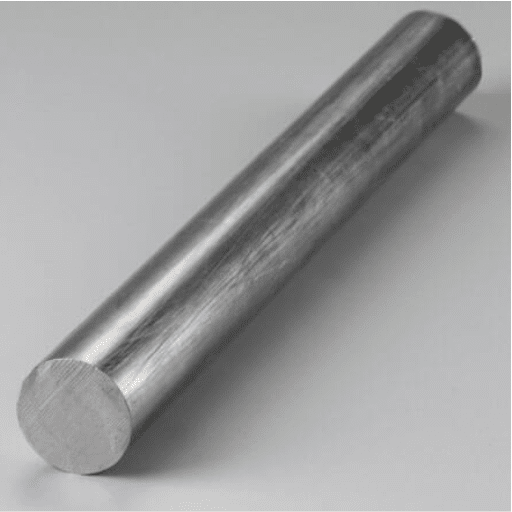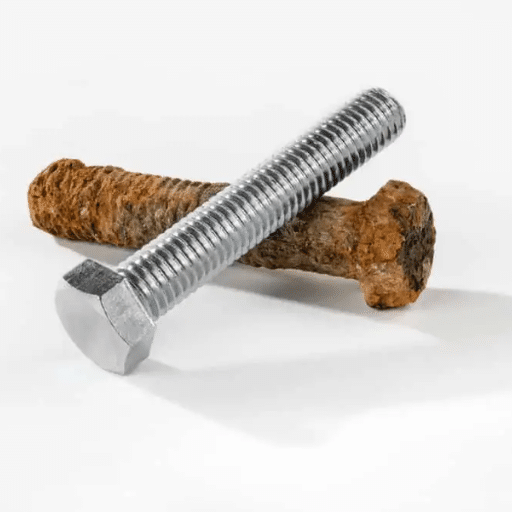
Your training includes data up to the month of October in the year 2023. Professional engineers understand that stainless steel possesses the property of “stainless,” but it cannot completely prevent all stains. The Florida pool contractor incurred a $50,000 loss because he selected 304 stainless steel for his oceanfront deck project to reduce material expenses. The handrails developed visible pitting within 18 months after installation. The complete replacement of all structural elements became necessary after three years. The project would have needed 30% more money for 316 stainless steel but it would have maintained operational excellence to this day.
People working in materials engineering treat stainless steel’s corrosion resistance as its most misunderstood characteristic. All stainless steel materials contain chromium, which creates a protective passive layer, but their performance levels differ based on their alloying elements, the conditions they encounter, and the methods used to maintain them. People need to understand these factors because they protect against expensive failures while maintaining building safety during its entire lifespan.
This guide provides a complete framework for understanding, preventing, and managing corrosion in stainless steel applications. The training will demonstrate passive layer functionality, show methods for measuring corrosion resistance through PREN values, explain the situations that require 304 to 316 material upgrades, and present maintenance procedures that will increase operational lifespan by multiple decades.
How Stainless Steel Resists Corrosion

The Passive Layer Explained
Steel that is stainless steel protects itself from rust thanks to a natural chromium oxide coating which develops on its surface at a thickness of 1 to 5 nanometers. The protection layer functions as a chemical neutral barrier which protects the metal from external elements. The layer is transparent and invisible to the naked eye yet it blocks oxygen water and corrosive ions from reaching the base metal.
The protective film needs a chromium content of 10.5 percent to form. This is why stainless steel must contain at least this amount of chromium to qualify as “stainless.” The presence of higher chromium levels in materials leads to better protection against corrosion which explains why 316 grade (16-18% Cr) performs better than 409 grade (10.5-11.75% Cr) in environments that test their limits.
Self-Healing Mechanism
The self-healing property of the passive layer stands out as one of stainless steel’s most impressive features. The exposed chromium on the surface reacts with oxygen whenever users scratch or damage the material through mechanical means. The process of regeneration under normal atmospheric conditions with sufficient oxygen takes approximately 24 to 48 hours to reach completion.
However, this self-healing capability has critical requirements:
- Oxygen availability: The environment must contain sufficient oxygen for chromium oxidation
- Clean surface: Contaminants like free iron particles, sulfides, or oil residues inhibit proper film formation
- Non-reducing environment: Strong reducing agents or oxygen-depleted zones prevent regeneration
Understanding these limitations explains why stainless steel can still corrode despite its “stainless” designation.
Why Corrosion Still Occurs
Corrosion occurs when the passive layer breaks down faster than it can regenerate. Several factors accelerate this breakdown:
Chloride Attack: Chloride ions penetrate the passive layer, causing localized breakdown. This is the primary mechanism behind pitting and crevice corrosion in marine environments.
Oxygen Starvation: In crevices or tight spaces where oxygen cannot circulate, the passive layer cannot regenerate after minor damage. This explains why corrosion often initiates at joints, under gaskets, or in threaded connections.
Surface Contamination: Free iron particles from fabrication tools, grinding wheels, or adjacent carbon steel embed in the surface. These particles rust, creating “tea staining” that spreads if untreated.
Sensitization: Improper heat treatment during welding can cause chromium carbide precipitation at grain boundaries, depleting nearby areas of chromium and destroying local passivity.
Types of Stainless Steel Corrosion

Understanding corrosion types enables early detection and appropriate response. Each type has distinct visual characteristics, mechanisms, and prevention strategies.
Pitting Corrosion
Pitting represents the most common and insidious form of stainless steel corrosion. It manifests as small, deep cavities that penetrate the metal while surrounding areas remain largely unaffected. Pits often appear as tiny dark spots that can grow to millimeters in depth while remaining millimeters in diameter.
Mechanism: Chloride ions break through the passive layer at microscopic defects or inclusions. Once penetration occurs, the chemistry inside the pit becomes increasingly acidic and aggressive, accelerating localized attack while the surrounding surface shows no damage.
Prevention: Select grades with higher PREN values. For chloride environments above 200 ppm, 316 (PREN 23-28) performs significantly better than 304 (PREN 18-20). For seawater exposure, specify grades with PREN ≥ 32.
Crevice Corrosion
Crevice corrosion occurs in narrow gaps where bulk solution cannot easily circulate—under washers, at flange interfaces, beneath deposits, or inside threaded joints. It resembles pitting but specifically targets confined spaces.
Mechanism: Inside the crevice, oxygen becomes depleted as it consumes during passive layer maintenance. This creates an electrochemical cell where the crevice interior becomes anodic (corroding) while the surrounding surface acts as a cathode. Chloride ions migrate into the crevice, accelerating the attack.
Visual Identification: Look for attack patterns adjacent to fasteners, under gaskets, or where debris accumulates. The corrosion appears as grooves or trenches following the crevice geometry.
Prevention: Design to eliminate crevices through continuous welding rather than bolting. Ensure drainage to prevent standing liquid. Specify grades with higher molybdenum content, which improves crevice corrosion resistance.
Stress Corrosion Cracking (SCC)
SCC combines tensile stress with specific corrosive environments to produce catastrophic cracking. It can reduce load-bearing capacity by 90% while remaining visually undetectable until failure occurs.
Mechanism: Three factors must coincide—tensile stress (applied or residual from welding), susceptible material, and specific environment. For austenitic stainless steels, chloride ions at elevated temperatures (above 60°C/140°F) trigger SCC. The cracks propagate rapidly and are often branched and transgranular.
Prevention: Use duplex or lean duplex grades for chloride environments. These have microstructures that resist SCC propagation. Stress-relief heat treatment after welding removes residual stresses. Keep chloride concentrations and temperatures below critical thresholds.
Galvanic Corrosion
Galvanic corrosion accelerates when stainless steel contacts less noble metals in the presence of an electrolyte. The stainless steel becomes cathodic (protected) while the other metal becomes anodic (corroding).
Common Scenarios: Carbon steel bolts in stainless steel structures, aluminum brackets supporting stainless panels, or copper piping connected to stainless tanks.
Prevention: Isolate dissimilar metals using non-conductive gaskets, washers, or coatings. Design systems so the less noble metal has larger surface area relative to the stainless component. Use compatible fasteners throughout assemblies.
Intergranular Corrosion
Intergranular corrosion attacks along grain boundaries rather than through the grains themselves. It results from chromium depletion near grain boundaries due to carbide precipitation during improper heat treatment.
Mechanism: When heated to 425-815°C (800-1500°F) during welding or improper heat treatment, carbon migrates to grain boundaries and forms chromium carbides. This leaves adjacent areas chromium-depleted (below 10.5%), destroying their passivity.
Prevention: Use low-carbon grades (304L, 316L with ≤0.03% carbon) that resist carbide formation. Stabilized grades (321, 347 with titanium or niobium additions) prevent chromium depletion. Proper welding procedures that minimize heat input and time in the sensitization temperature range.
General (Uniform) Corrosion
General corrosion attacks the entire surface uniformly, gradually reducing thickness. It is relatively rare in stainless steels compared to carbon steel but can occur in strongly acidic or alkaline environments.
Typical Causes: Prolonged exposure to strong mineral acids, hot alkaline solutions, or environments that keep the passive layer in a constant state of breakdown without opportunity for regeneration.
Management: Material selection charts indicate maximum concentration and temperature limits for specific chemicals. When general corrosion risk exists, consider higher-alloyed grades or alternative materials.
PREN Values: Quantifying Corrosion Resistance

The Pitting Resistance Equivalent Number (PREN) provides a quantitative method for comparing corrosion resistance across stainless steel grades. This numerical index helps engineers select appropriate materials for specific environments.
PREN Formula Explained
The standard PREN formula for austenitic and duplex stainless steels is:
PREN = %Cr + 3.3 × %Mo + 16 × %N
Where:
- Cr (Chromium): Forms the passive layer; contributes 1.0× its percentage
- Mo (Molybdenum): Dramatically improves chloride resistance; contributes 3.3× its percentage
- N (Nitrogen): Stabilizes the passive layer; contributes 16× its percentage (high impact despite small percentages)
For ferritic grades, the formula excludes nitrogen:
PREN = %Cr + 3.3 × %Mo
An extended version including tungsten (W) for some super duplex grades:
PREN = %Cr + 3.3 × (%Mo + 0.5 × %W) + 16 × %N
PREN Values by Grade
| Grade | Type | PREN Range | Key Alloying Elements |
|---|---|---|---|
| 304/304L | Austenitic | 18–20 | 18% Cr, 0% Mo |
| 316/316L | Austenitic | 23–28 | 16-18% Cr, 2-3% Mo |
| 317L | Austenitic | 27–30 | 18-20% Cr, 3-4% Mo |
| 2205 | Duplex | 33–35 | 22% Cr, 3% Mo, 0.15% N |
| 904L | Super-austenitic | 33–37 | 20% Cr, 4.5% Mo, 1.5% Cu |
| 2507 | Super duplex | 40–45 | 25% Cr, 4% Mo, 0.3% N |
| AL-6XN | Super-austenitic | 45–48 | 20% Cr, 6% Mo, 0.22% N |
| 254 SMO | Super-austenitic | 43–46 | 20% Cr, 6% Mo, 0.2% N |
This table reveals why 316 outperforms 304 in marine environments: the addition of 2-3% molybdenum increases PREN by approximately 7-10 points, representing a 35-50% improvement in pitting resistance.
Environment Thresholds
PREN values translate to real-world performance thresholds:
| Environment | Chloride Level | Minimum PREN | Recommended Grades |
|---|---|---|---|
| Indoor/mild | < 50 ppm | 18+ | 304, 430 |
| Coastal atmospheric | 50–200 ppm | 20+ | 316, 2205 |
| Marine splash | 200–1000 ppm | 25+ | 316, 2205 |
| Seawater immersion | 19,000 ppm | 32+ | 2205, 2507, 904L |
| Chemical processing | Variable | 35+ | 904L, AL-6XN |
| Offshore platforms | Severe | 40+ | 2507, super duplex |
The critical threshold of PREN ≥ 32 for seawater applications reflects industry experience that grades below this level suffer unacceptable pitting and crevice corrosion rates in continuous marine exposure.
PREN Limitations
While PREN provides valuable guidance, it has important limitations:
- Temperature effects: PREN does not account for temperature; higher temperatures accelerate corrosion at equivalent PREN levels
- Surface finish: Rough surfaces initiate corrosion faster than polished surfaces at identical PREN values
- Velocity effects: High flow rates can cause erosion-corrosion not predicted by PREN
- Other corrosion types: PREN only predicts pitting/crevice resistance, not SCC or general corrosion
- Heat treatment: Improper processing can degrade performance of high-PREN grades
Use PREN as a screening tool for initial grade selection, then validate with corrosion testing or historical performance data for critical applications.
Grade Selection by Corrosion Resistance

Selecting the appropriate grade balances corrosion performance against cost, availability, and mechanical requirements. This section provides selection guidance for common industrial grades.
304 Stainless Steel: The Cost-Effective Baseline
304 stainless steel serves as the workhorse grade for moderate environments. With PREN values of 18-20, it provides excellent corrosion resistance in indoor applications, food processing, and urban atmospheric exposure away from coastal influence.
Appropriate Applications:
- Indoor architectural elements
- Food processing equipment (non-chloride environments)
- Chemical processing with mild chemicals
- General industrial equipment in controlled environments
Limitations:
- Susceptible to pitting in chloride levels above 200 ppm
- Not recommended for marine environments or swimming pool areas
- Surface rust can develop in coastal atmospheric exposure within 6-12 months
304 represents the most economical choice where corrosion conditions remain mild. However, the initial cost savings disappear quickly if premature replacement becomes necessary. Explore 304 stainless steel products for appropriate applications.
316 Stainless Steel: The Marine Grade Standard
316 stainless steel adds 2-3% molybdenum to the 304 composition, increasing PREN to 23-28. This molybdenum addition transforms performance in chloride environments, making 316 the industry standard for marine applications, chemical processing, and coastal construction.
Cost-Benefit Analysis:
- Material cost: 20-40% premium over 304
- Service life in marine environments: 10-15× longer than 304
- Lifecycle cost: Often lower than 304 when replacement and downtime costs factor in
When 316 is Essential:
- Direct seawater exposure or splash zones
- Swimming pool environments (chlorine/chloride exposure)
- Coastal construction within sight of ocean
- Chemical processing with halide salts
- Pharmaceutical equipment requiring frequent sterilization
2205 Duplex Stainless Steel: High Strength + High PREN
Duplex 2205 combines approximately equal amounts of austenite and ferrite in its microstructure, delivering twice the yield strength of 304 or 316 while achieving PREN values of 33-35. This combination enables thinner sections, reduced weight, and superior corrosion resistance.
Advantages Over 316:
- Higher strength allows material savings (thinner walls, less weight)
- Superior resistance to SCC
- Better fatigue and corrosion-fatigue performance
- Cost-competitive with 316 for equivalent performance
Applications:
- Heat exchangers (high strength resists pressure)
- Chemical processing vessels
- Marine structural components
- Desalination equipment
- Pulp and paper processing
2507 Super Duplex: Extreme Environment Protection
Super duplex 2507 achieves PREN values of 40-45 through higher chromium (25%), molybdenum (4%), and nitrogen (0.3%) content. This grade resists even aggressive seawater and high-chloride chemical environments.
Applications:
- Offshore oil and gas platforms
- Seawater injection systems
- Chemical tankers
- Flue gas desulfurization systems
- High-pressure marine equipment
904L Super-Austenitic: Acid Resistance
904L provides exceptional resistance to reducing acids (sulfuric, phosphoric) alongside chloride resistance. With PREN of 33-37 and high nickel content (23-25%), it serves chemical processing and fertilizer production where both acid and chloride exposure occur.
Selection Matrix by Application
| Application | Environment | Recommended Grade | PREN Target |
|---|---|---|---|
| Kitchen equipment | Mild indoor | 304 | 18+ |
| Coastal handrails | Salt spray | 316 | 24+ |
| Boat hardware | Seawater splash | 316, 2205 | 28+ |
| Submarine pipelines | Seawater immersion | 2205, 2507 | 35+ |
| Chemical reactors | Acids + chlorides | 904L, AL-6XN | 35+ |
| Heat exchangers | Chloride + pressure | 2205 | 33+ |
When evaluating lifecycle costs, remember that premature failure of under-specified grades often costs 5-10× the initial material savings.
Environmental Factors Affecting Corrosion

Corrosion rates depend on interactions between multiple environmental variables. Understanding these factors enables accurate material selection and operational controls.
Chloride Concentration
Chloride ions represent the primary aggressor against stainless steel passive layers. They penetrate the oxide film at weak points, initiating pitting and crevice corrosion.
Critical Thresholds:
- Below 50 ppm: Most grades perform well with proper design
- 50-200 ppm: 304 suitable for short-term exposure; 316 preferred for continuous
- 200-1000 ppm: 316 minimum; 2205 preferred for critical applications
- Above 1000 ppm: Super-austenitic or duplex grades required
Seawater contains approximately 19,000 ppm chlorides, explaining why only high-PREN grades survive continuous immersion. Even tap water can contain 50-250 ppm chlorides depending on source and treatment.
Temperature Effects
Higher temperatures accelerate all corrosion mechanisms. The relationship is roughly exponential—a temperature increase of 10°C often doubles corrosion rates.
Critical Considerations:
- SCC risk increases dramatically above 60°C in chloride environments
- Passive layer regeneration slows at elevated temperatures
- Hot chloride solutions attack even high-grade stainless steels
- Temperature gradients create electrochemical cells that accelerate attack
For high-temperature applications, stabilized grades (321, 347) resist sensitization, and nickel-based alloys may become necessary above 300°C in aggressive environments.
pH Levels
Stainless steels perform best in neutral to mildly alkaline conditions (pH 6-10). Both strong acids and strong bases can attack the passive layer.
Acidic Environments:
- pH < 4: Risk of general corrosion increases
- Oxidizing acids (nitric): Moderately tolerated by 304/316
- Reducing acids (hydrochloric, sulfuric): Require high-molybdenum grades or nickel alloys
Alkaline Environments:
- pH > 12: Risk of caustic SCC, especially at elevated temperatures
- Caustic stress corrosion cracking occurs above 100°C in concentrated alkalis
- Higher nickel content improves caustic resistance
Oxygen Availability
The passive layer requires oxygen for both formation and self-healing. Oxygen-depleted environments prevent regeneration after damage.
Problem Scenarios:
- Crevices and tight joints where circulation is limited
- Submerged components in stagnant water
- Systems sealed without air gaps
- Under deposits or biofilms
Design solutions include ensuring drainage, avoiding sharp crevices, and specifying higher-alloy grades where oxygen starvation is unavoidable.
Velocity and Flow Rate
Fluid velocity creates competing effects:
Beneficial Effects:
- High velocity removes deposits that could cause crevice corrosion
- Fresh solution maintains uniform chemistry
- Reduces biofilm formation
Detrimental Effects:
- Erosion-corrosion occurs when velocity exceeds 15-20 m/s in seawater
- Cavitation damage from turbulence destroys passive layers
- Impingement attack at direction changes
Typical design limits specify maximum velocities of 3-5 m/s for seawater applications with 316, and up to 15 m/s with 2205 or 2507.
Corrosion Prevention Best Practices

Effective corrosion prevention combines proper material selection with design practices and surface treatments that maximize the passive layer’s protective function.
Proper Grade Selection Using PREN
Start with environmental analysis:
- Identify chloride levels in the service environment
- Determine temperature range of operation
- Assess oxygen availability in the system
- Calculate required PREN using environment thresholds
- Select grade with appropriate PREN margin
Add safety margins for critical applications—specifying PREN 35 for seawater (minimum 32) provides insurance against unexpected conditions.
Design Considerations
Thoughtful design eliminates corrosion-promoting features:
Eliminate Crevices:
- Use continuous welding instead of bolted joints where possible
- Design gaskets to exclude liquids from joint areas
- Provide drainage paths that prevent standing liquid
- Avoid sharp corners where debris accumulates
Ensure Ventilation:
- Allow air circulation to maintain oxygen supply
- Design out water traps in piping systems
- Provide access for inspection and cleaning
Manage Galvanic Couples:
- Isolate dissimilar metals with gaskets or washers
- Use compatible fasteners throughout
- Paint the less noble metal when isolation is impractical
Mike Chen, who works as a marine equipment fabricator in Vancouver, learned about design details through practical experience. The installation of 316 handrails at a coastal property with standard carbon steel fasteners resulted in rust streaks showing within three months. The carbon steel bolts produced galvanic cells, which caused accelerated corrosion at every fastener point. The solution to the problem required replacing the 316 fasteners and adding isolation washers, but it resulted in costly remediation work and damage to our reputation with the client.
Passivation Procedures
Passivation enhances the natural passive layer through chemical treatment that removes surface contamination and enriches surface chromium content.
Nitric Acid Passivation:
- Traditional method using 20-25% nitric acid solution
- Treatment time: 20-30 minutes at room temperature
- Highly effective for 300-series austenitic grades
- Requires safety precautions for handling strong acid
Citric Acid Passivation:
- Eco-friendly alternative using 10-20% citric acid
- Treatment time: 30-60 minutes
- Safer handling and disposal
- Approved for food equipment and medical devices
- Effectiveness equal to nitric for most applications
Critical Success Factors:
- Thorough cleaning before passivation removes oils and debris
- Proper acid concentration and temperature control
- Complete rinsing with deionized water after treatment
- Drying to prevent water spots
- Handling with clean gloves to prevent recontamination
Surface Finish Requirements
Surface finish significantly affects corrosion initiation. Rough surfaces trap contaminants and provide more initiation sites than smooth surfaces.
Finish Recommendations by Environment:
| Environment | Recommended Finish | Ra (μm) | Application |
|---|---|---|---|
| Mild indoor | Mill finish, No. 1 | 3-6 | Structural, industrial |
| Coastal atmospheric | No. 4 brushed | 0.4-0.6 | Architectural, visible |
| Marine immersion | 2B cold rolled | 0.2-0.4 | Tanks, vessels |
| Chemical processing | Electropolished | < 0.2 | High purity, pharmaceutical |
| Food/pharmaceutical | Mirror (No. 8) | < 0.05 | Sanitary applications |
Polished finishes improve corrosion resistance but may show scratches more readily. The optimal finish balances corrosion performance, appearance requirements, and cost.
Galvanic Isolation Techniques
When dissimilar metals must contact, implement isolation measures:
- Non-conductive washers: Nylon or EPDM washers between metal surfaces
- Insulating sleeves: Coatings on fasteners to prevent metal-to-metal contact
- Coating systems: Paint or powder coat the less noble metal
- Dielectric unions: Insulated pipe fittings preventing electrical continuity
Maintenance & Inspection

Regular maintenance extends service life dramatically and catches problems before they become failures. This section provides practical protocols.
Routine Cleaning Protocols
Cleaning Frequency by Environment:
| Environment | Cleaning Frequency | Method |
|---|---|---|
| Indoor/mild | Quarterly | Soap and water |
| Urban/industrial | Monthly | Mild detergent, rinse |
| Coastal | Weekly | Fresh water rinse |
| Marine immersion | Continuous | Cathodic protection |
Cleaning Best Practices:
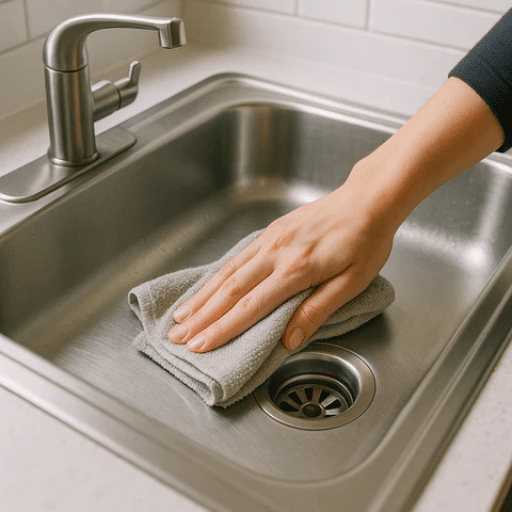
- Use soft cloths or brushes—never steel wool or carbon steel brushes
- Clean with the grain on brushed finishes
- Use neutral pH cleaners (pH 6-8)
- Avoid chloride-containing cleaners (bleach, many industrial cleaners)
- Rinse thoroughly after cleaning
- Dry immediately to prevent water spots
Early Detection Methods
Visual Inspection Checklist:
- Tea staining: light brown discoloration on surface (early warning)
- Pitting: small dark spots, often in chloride-exposed areas
- Crevice attack: corrosion adjacent to fasteners, under gaskets
- Deposit accumulation: rust, dirt, or biofilm trapping moisture
- Weld discoloration: heat tint indicating sensitization risk
- Galvanic corrosion: rust streaks from incompatible fasteners
Tea Staining vs Pitting Identification
Understanding the difference between these conditions guides appropriate response:
Tea Staining:
- Appearance: Light brown, superficial discoloration
- Cause: Surface contamination, often from iron particles
- Severity: Cosmetic only; does not indicate structural damage
- Treatment: Clean with mild abrasive or passivation
- Prevention: Regular cleaning, proper passivation
Pitting:
- Appearance: Dark spots, may have rough surface
- Cause: Chloride attack through passive layer
- Severity: Structural; can penetrate through wall thickness
- Treatment: Grinding and welding for minor pits; replacement for deep pits
- Prevention: Proper grade selection for environment
Maintenance Schedules by Environment
Mild Indoor Environments:
- Monthly: Visual inspection
- Quarterly: Cleaning with soap and water
- Annually: Detailed inspection of welds and joints
- As needed: Touch-up of any damage
Coastal/Marine Environments:
- Weekly: Fresh water rinse
- Monthly: Cleaning with mild detergent
- Quarterly: Detailed inspection including fastener integrity
- Annually: Passivation treatment; evaluation for repassivation
- Every 3-5 years: Professional inspection with ultrasonic thickness testing
Chemical Processing:
- Daily: Visual inspection during operation
- Weekly: Inspection of seals and gasket areas
- Monthly: Thickness measurements at high-risk locations
- Annually: Comprehensive inspection including non-destructive testing
- Shutdown periods: Complete passivation and inspection
When to Re-Passivate
Re-passivation becomes necessary when:
- Tea staining spreads despite cleaning
- Surface shows signs of iron contamination
- After welding repairs or modifications
- Following aggressive cleaning that may have damaged the passive layer
- Every 3-5 years in harsh marine environments
- After exposure to chlorides in concentrations approaching grade limits
Detecting and Repairing Corrosion

Even with proper prevention, corrosion may eventually occur. Early detection and appropriate repair extends service life and prevents catastrophic failures.
Visual Inspection Guide
Stage 1: Early Warning (Tea Staining)
- Light brown or golden discoloration
- Wipes off with mild cleaning
- No surface roughness
- Action: Clean and evaluate passivation status
Stage 2: Surface Initiation (Micro-pitting)
- Dark spots visible on close inspection
- Surface slightly rough to touch
- Limited to superficial layer
- Action: Mechanical cleaning and local passivation; increase monitoring
Stage 3: Active Corrosion (Pitting/Crevice)
- Visible pits with defined edges
- May show white corrosion products
- Measurable depth
- Action: Grinding and welding repair; or component replacement
Stage 4: Advanced Damage
- Through-wall penetration
- Structural deformation
- Widespread attack patterns
- Action: Immediate replacement required
Non-Destructive Testing Options
When visual inspection raises concerns, non-destructive testing (NDT) evaluates damage extent:
Liquid Penetrant Testing (LPT):
- Reveals surface-breaking cracks and pits
- Cost-effective for field inspection
- Requires clean, dry surface
Ultrasonic Thickness Testing (UTT):
- Measures remaining wall thickness
- Tracks corrosion rates over time
- Requires access to one side only
Eddy Current Testing:
- Detects subsurface cracks and corrosion
- Effective for heat exchanger tubes
- Requires skilled interpretation
Radiographic Testing:
- Reveals internal defects and wall loss
- Useful for weld inspection
- Requires radiation safety precautions
Repair vs Replace Decision Tree
Consider these factors when deciding between repair and replacement:
Repair Appropriate When:
- Pitting depth < 20% of wall thickness
- Localized damage with sound surrounding material
- Component accessible for welding
- Grade suitable for continued service
Replacement Required When:
- Pitting depth > 50% of wall thickness
- Widespread corrosion affecting structural integrity
- Cracks present (especially SCC)
- Grade proven unsuitable for environment
Restoration Procedures for Tea Staining
Tea staining restoration returns aesthetic appearance without structural repair:
- Clean surface with mild abrasive pad (non-carbon steel)
- Apply citric acid solution (10-15%) for 15-30 minutes
- Scrub lightly to remove embedded contamination
- Rinse thoroughly with clean water
- Passivate with full passivation procedure
- Protect with appropriate coating if in aggressive environment
When Replacement is Required
Replacement becomes the only viable option when:
- Wall thickness loss exceeds code allowances (typically 20-30%)
- Stress corrosion cracking detected
- Pitting penetrates wall creating leaks
- General corrosion reduces thickness uniformly below minimums
- Cost of repair approaches replacement cost
Maria Santos operates a seafood processing facility as its manager in Chile. She needed to choose between repairing or replacing her 304 processing tanks when they developed pitting after five years of saltwater exposure. Ultrasonic testing showed more than 40% wall thickness loss in certain areas, which exceeded safe repair limits. She installed 316L tanks, and she created monthly passivation procedures. The new tanks have functioned for eight years without major deterioration, which demonstrates that grade selection brings benefits.
Industry-Specific Guidance

Different industries face unique corrosion challenges requiring tailored material selection and maintenance approaches.
Marine & Coastal Applications
Marine environments represent the most aggressive common service condition for stainless steel. Saltwater contains 19,000 ppm chlorides, and coastal atmospheres carry salt spray that deposits chlorides on surfaces.
Grade Selection:
- Above waterline, occasional spray: 316 minimum
- Splash zones, tidal areas: 2205 duplex or 316 with cathodic protection
- Continuous immersion: 2205 minimum; 2507 or 904L preferred
- High-velocity seawater: 2507 or titanium
Design Priorities:
- Avoid crevices where saltwater traps
- Ensure drainage to prevent standing saltwater
- Use compatible fasteners (316 bolts with 316 structures)
- Allow for inspection access
Maintenance:
- Weekly fresh water rinsing when possible
- Quarterly inspection of hidden areas
- Annual passivation treatment
- 3-5 year professional inspection with thickness testing
For marine structural applications, 316 stainless steel represents the minimum acceptable grade.
Food Processing Equipment
Food processing combines corrosion challenges with hygiene requirements. Equipment must resist food acids, cleaning chemicals, and thermal cycling while meeting sanitary standards.
Grade Selection:
- General food contact: 304 (sufficient for most applications)
- High-chloride foods (pickles, sauces): 316
- Aggressive cleaning (chlorinated sanitizers): 316
- Salt processing: 316 or 2205
Surface Requirements:
- Minimum 2B finish for most applications
- No. 4 finish where visual inspection is important
- Electropolish for pharmaceutical or high-purity food
Maintenance Protocol:
- Daily cleaning per HACCP plans
- Avoid chloride-containing sanitizers on 304
- Monthly inspection of seals and gaskets
- Annual passivation or electropolishing refresh
The food grade stainless steel guide provides additional detail on sanitary requirements.
Chemical Processing
Chemical processing requires matching grade to specific chemical exposure. Generic recommendations fail because chemical concentration, temperature, and impurities dramatically affect performance.
General Guidance:
- Nitric acid: 304 handles most concentrations
- Sulfuric acid: 316 for dilute; 904L or C-276 for concentrated
- Hydrochloric acid: Avoid standard grades; use C-276 or titanium
- Caustic soda: 304/316 for dilute; nickel alloys for concentrated/high temp
- Organic solvents: Generally compatible with all grades
Critical Considerations:
- Consult corrosion tables for specific chemical/concentration/temperature combinations
- Consider impurities that accelerate attack
- Account for process upsets that may exceed normal conditions
- Include safety margins for unexpected exposures
Architectural & Construction
Architectural applications balance corrosion resistance with aesthetic requirements and long-term appearance.
Grade Selection by Location:
- Inland, urban: 304 sufficient for most applications
- Industrial atmospheres: 304 with regular cleaning
- Coastal (within 5 km): 316 minimum
- Coastal (direct exposure): 316 or 2205
Finish Selection:
- Mill finish: Industrial/structural where appearance is secondary
- No. 4 brushed: Architectural standard, hides minor scratches
- Mirror polish: High-visibility applications, requires more maintenance
- Coated/painted: Additional protection in aggressive environments
Design for Longevity:
- Specify appropriate grade for actual exposure, not just budget
- Allow for thermal expansion to prevent stress cracking
- Detail joints to prevent water trapping
- Provide access for future cleaning and maintenance
Medical & Pharmaceutical
Medical applications demand the highest standards for corrosion resistance, cleanliness, and material consistency.
Grade Requirements:
- 316L (low carbon) minimum for all applications
- Electropolished surfaces for implants and instruments
- Passivation mandatory after fabrication
Special Considerations:
- Avoid surface defects that trap biological material
- Maintain passivation through repeated sterilization cycles
- Use compatible materials throughout assemblies
- Document material certification and traceability
Maintenance:
- Clean immediately after use
- Passivate on scheduled intervals
- Inspect for damage that could harbor contamination
- Replace instruments showing any corrosion
FAQ
Does stainless steel rust?
Stainless steel can rust under specific conditions, which contradict its name. The protective passive layer breaks down when exposed to chlorides, oxygen-depleted environments, or surface contamination. The term “stainless” describes how the steel will have fewer stains than carbon steel, but it will still develop some stains. The correct grade selection, together with proper maintenance procedures, will protect equipment from rusting in most situations.
What type of stainless steel exhibits the highest corrosion resistance?
AL-6XN and 254 SMO (PREN 43-48) provide the best protection against pitting and crevice corrosion among all common stainless steel grades. The acids 904L and C-276 show extraordinary resistance to general corrosion. The determination of “most resistant” requires analysis of environmental factors because no material demonstrates superior performance across every condition. The environmental conditions should guide grade selection instead of choosing the highest-alloy grade.
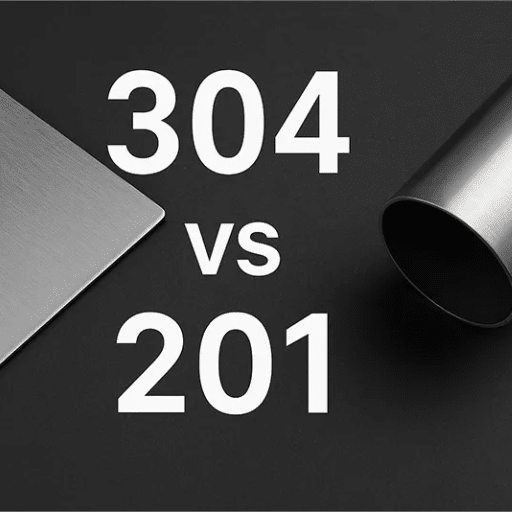
How do I know if I have 304 or 316?
Several methods distinguish 304 from 316:
- Spark test: 316 produces shorter, redder sparks than 304
- Chemical spot test: Molybdenum detection reagents turn red on 316, no color on 304
- XRF analyzer: Provides definitive elemental analysis (requires specialized equipment)
- Mill test certificate: Documentation from supplier specifies grade
- Magnetic response: Both are austenitic and non-magnetic when annealed
For critical applications, request mill test certificates and consider third-party verification.
Can pitted stainless steel be repaired?
The process of repairing shallow pitting involves grinding out the pit and performing welding with matching filler metal followed by the application of passivation. The procedure requires component replacement when deep pitting exceeds 20-30 percent of wall thickness or when widespread pitting occurs. The grade needs replacement because pitting indicates it will not perform well in the specific environment, which requires replacement with a higher-PREN grade.
Why is 316 better than 304 for corrosion resistance?
The material 316 contains 2-3% molybdenum, which 304 lacks completely. The addition of molybdenum provides significant enhancement of resistance against chloride-induced pitting and crevice corrosion because it strengthens the passive layer against chloride penetration. The PREN value increases from 18-20 for 304 to 23-28 for 316, which represents a 25-50 percent improvement. The material 316 provides ten to fifteen times greater durability than 304 in environments that contain chloride.
Conclusion
Understanding stainless steel corrosion resistance prevents the costly failures that occur when specifications fail to match environmental realities. The key principles are straightforward:
- The passive layer is your protection—maintain it through proper design, cleaning, and passivation
- PREN values guide grade selection—calculate required PREN from environmental chloride levels
- 304 suits mild environments; 316 is essential for chlorides above 200 ppm
- Surface finish matters as much as grade—polished surfaces resist initiation better than rough ones
- Maintenance extends service life—regular inspection and cleaning prevent minor issues from becoming failures
The Florida pool contractor replaced his failed 304 installation with 316 handrails and established a monthly fresh-water rinse protocol. The replacement components from five years ago show no major corrosion because engineers selected appropriate materials and performed basic maintenance work.
Your next project, which will work in corrosive environments, should start with contacting our engineering team to receive material selection help. We provide technical consultation, mill test certificates, and corrosion-resistant grades from 304 through super duplex and nickel alloys—ensuring your installation performs reliably for its design lifetime.