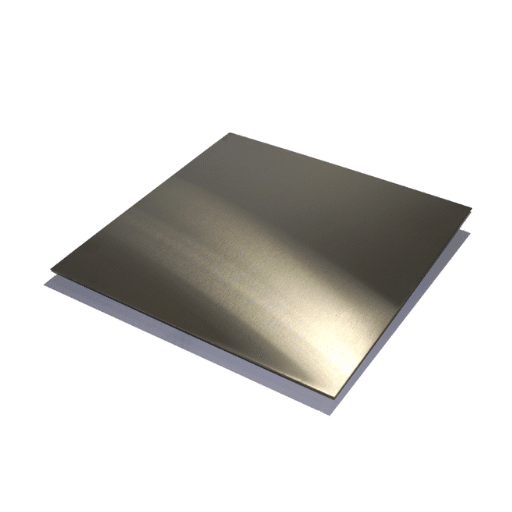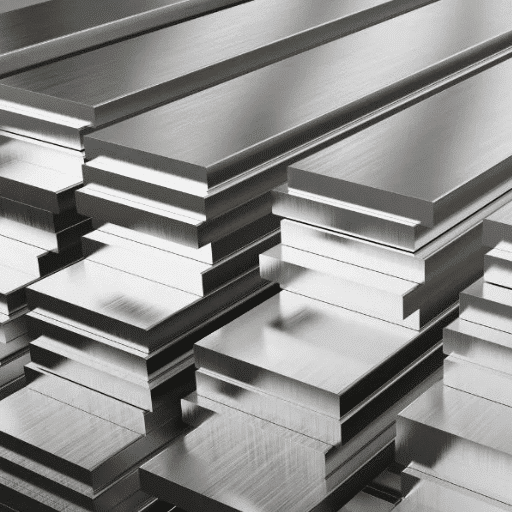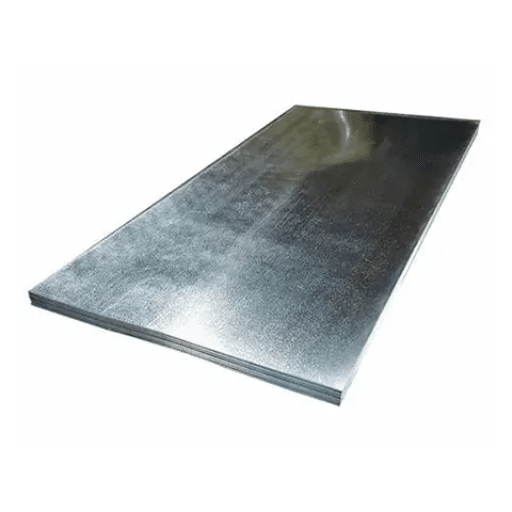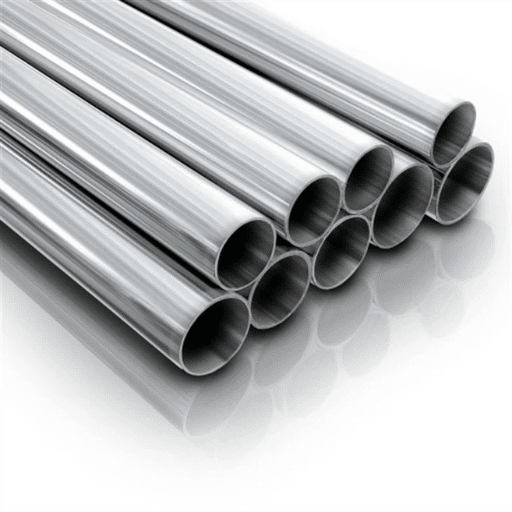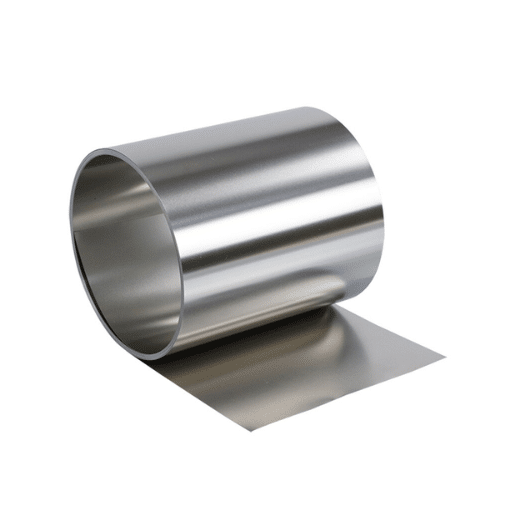
In 2025 the world produced 64.16 million tonnes of stainless steel with China producing 63.7 percent of total global output. This extraordinary material has established itself as a vital component in contemporary industrial applications which range from home kitchen appliances to surgical tools used in medical facilities to architectural structures and offshore oil drilling platforms.
The process of choosing the correct stainless steel grade creates substantial difficulties for manufacturers. The material selection process requires engineers and procurement managers to maneuver through a complicated system which contains 150 different grades that belong to five distinct families and multiple material specifications. The wrong choice leads to three potential outcomes which include early material destruction and unexpected repair expenses and total equipment breakdown. Your project receives advantages from dependable performance that lasts through multiple decades when you make the correct selection.
The complete guide delivers all necessary components for learning about stainless steel which includes its basic properties and five family types together with grade details and selection tools. The latest market data from 2024-2025 and technical standards provide reliable and practical information that you can use to define materials for new building projects and obtain industrial equipment components and learn about this exceptional material.
What Is Stainless Steel?

Stainless steel is a group of iron-based alloys containing a minimum of 10.5% chromium by mass. The chromium content establishes a specific limit which enables the formation of a thin oxide layer that protects the metal surface and generates the stainless steel corrosion resistance.
The discovery of stainless steel dates to the early 20th century with Harry Brearley in Sheffield England credited with developing the first commercial grade in 1913 while seeking a corrosion-resistant material for gun barrels. Stainless steel has become one of the crucial material developments that define contemporary times.
The Passive Layer: Why Stainless Steel Resists Corrosion
The secret to stainless steel’s corrosion resistance exists in the process of passivation. The chromium in the alloy produces an invisible chromium oxide (Cr₂O₃) layer, which grows on the surface as it reacts with oxygen. The passive layer, which measures less than 0.0000001 inch thick, protects against damage with extraordinary power because its thickness equals approximately 1/100,000th the thickness of a human hair.
Unlike the flaky iron oxide (rust) that forms on carbon steel, chromium oxide is:
- Chemically stable: It does not react with water or oxygen
- Self-healing: If scratched or damaged, it immediately reforms when oxygen is present
- Adherent: It bonds tightly to the underlying metal, preventing further degradation
This self-healing property distinguishes stainless steel from painted or coated carbon steel, where damage exposes the base metal to corrosion.
Key Alloying Elements and Their Functions
While chromium provides the fundamental corrosion resistance, other alloying elements enhance specific properties:
| Element | Typical Content | Primary Function |
|---|---|---|
| Chromium (Cr) | 10.5-30% | Forms passive oxide layer; corrosion resistance |
| Nickel (Ni) | 0-20% | Stabilizes austenitic structure; improves toughness and formability |
| Molybdenum (Mo) | 0-6% | Enhances pitting and crevice corrosion resistance |
| Carbon (C) | 0.03-1.2% | Increases strength and hardness (especially in martensitic grades) |
| Manganese (Mn) | 0-10% | Deoxidizer; can partially substitute for nickel in 200-series grades |
| Nitrogen (N) | 0-0.5% | Strengthens austenitic grades; improves pitting resistance |
The specific combination of these elements determines which of the five stainless steel families a grade belongs to, along with its mechanical properties, corrosion resistance, and cost.
Minimum Composition Requirements
For steel to qualify as “stainless,” it must meet strict compositional standards:
- Minimum 10.5% chromium: Below this threshold, the passive layer cannot form reliably
- Maximum 1.2% carbon: Higher carbon content can reduce corrosion resistance by forming chromium carbides
- Controlled sulfur and phosphorus: These impurities must be limited to ensure mechanical properties and corrosion resistance
International standards organizations—including ASTM International, the European Committee for Standardization (CEN), and the Japanese Industrial Standards (JIS)—maintain detailed specifications for stainless steel compositions.
The Five Families of Stainless Steel

Stainless steels are classified into five primary families based on their microstructure—the crystalline arrangement of atoms within the material. This microstructure determines the material’s magnetic properties, response to heat treatment, mechanical characteristics, and corrosion behavior.
Understanding these five families provides the foundation for intelligent grade selection.
Family Overview and Comparison
| Family | Crystal Structure | Magnetic | Key Characteristic | Market Share |
|---|---|---|---|---|
| Austenitic | Face-centered cubic (FCC) | No* | Superior corrosion resistance and formability | ~70% |
| Ferritic | Body-centered cubic (BCC) | Yes | Cost-effective with good oxidation resistance | ~25% |
| Martensitic | Body-centered tetragonal (BCT) | Yes | Heat-treatable for high hardness | ~5% |
| Duplex | Mixed (50% FCC / 50% BCC) | Yes | High strength with excellent chloride resistance | <2% |
| Precipitation-Hardening | Martensitic with precipitates | Yes | Ultra-high strength with good corrosion resistance | <1% |
*Austenitic grades are generally non-magnetic in the annealed condition but may develop slight magnetism after severe cold working.
Selection Framework by Family
- Choose Austenitic when: Corrosion resistance is critical, extensive forming or welding is required, or operating at cryogenic temperatures
- Choose Ferritic when: Cost is a primary concern, magnetic properties are needed, or operating in mild corrosive environments
- Choose Martensitic when: High hardness, wear resistance, or strength through heat treatment is required
- Choose Duplex when: High strength combined with superior chloride corrosion resistance is needed
- Choose Precipitation-Hardening when: Ultra-high strength with reasonable corrosion resistance is required for critical applications
Austenitic Stainless Steel (300 Series)
Austenitic stainless steels represent the most widely used family, accounting for approximately 70% of all stainless steel production. These grades contain sufficient nickel or manganese to stabilize the austenitic crystal structure at room temperature, giving them unique properties that make them indispensable across countless applications.
Key Characteristics
Crystal Structure: Face-centered cubic (FCC)
Magnetic Properties: Non-magnetic in annealed condition
Key Advantages:
- Excellent corrosion resistance across broad environments
- Superior formability and ductility
- Outstanding weldability (no preheat or post-weld treatment required)
- High toughness at cryogenic temperatures
- Good high-temperature strength
Limitations:
- Cannot be hardened by heat treatment (only by cold working)
- Susceptible to stress corrosion cracking in hot chloride environments
- Higher cost than ferritic grades due to nickel content
Grade 304 (UNS S30400 / EN 1.4301 / JIS SUS304)
Grade 304, often called 18/8 stainless steel for its nominal 18% chromium and 8% nickel content, is the workhorse of the stainless steel industry. It represents approximately 50% of all stainless steel produced globally.
Chemical Composition:
- Chromium: 18.0-20.0%
- Nickel: 8.0-10.5%
- Carbon: ≤0.08% (≤0.03% for 304L)
- Manganese: ≤2.0%
- Iron: Balance
Mechanical Properties (Annealed):
- Tensile Strength: ≥515 MPa (75,000 psi)
- Yield Strength: ≥205 MPa (30,000 psi)
- Elongation: ≥40%
- Hardness: ≤201 HB (Brinell) or 92 HRB (Rockwell B)
- Density: 7.93 g/cm³
Applications: Kitchen equipment, food processing machinery, chemical storage tanks, architectural facades, heat exchangers, fasteners, springs, and countless general industrial applications.
304L Variant: The “L” designation indicates low carbon content (≤0.03%), which improves weldability and reduces sensitization (chromium carbide precipitation at grain boundaries) in the heat-affected zone.
304H Variant: The “H” designation indicates higher carbon content (0.04-0.10%), providing improved high-temperature strength for applications above 800°C.
Grade 316 (UNS S31600 / EN 1.4401 / JIS SUS316)
Grade 316 adds 2-3% molybdenum to the 304 composition, dramatically improving resistance to pitting and crevice corrosion in chloride environments. This makes 316 the grade of choice for marine, chemical, and pharmaceutical applications.
Chemical Composition:
- Chromium: 16.0-18.0%
- Nickel: 10.0-14.0%
- Molybdenum: 2.0-3.0%
- Carbon: ≤0.08% (≤0.03% for 316L)
- Iron: Balance
Key Advantage: The molybdenum addition provides superior chloride resistance, making 316 approximately 5-10 times more resistant to pitting than 304 in saltwater environments.
Applications: Marine hardware, coastal architecture, chemical processing equipment, pharmaceutical manufacturing, medical implants, food processing in high-chloride environments, and pulp and paper processing.
Cost: 316 typically costs 20-40% more than 304, but this premium often pays for itself through extended service life in aggressive environments.
Other Important Austenitic Grades
| Grade | Key Features | Primary Applications |
|---|---|---|
| 321 | Titanium-stabilized; resists carbide precipitation | High-temperature applications (800-900°C), aircraft exhaust systems |
| 310 | High chromium (25%) and nickel (20%) | Furnace components, heat treatment equipment, kiln linings |
| 317 | Higher molybdenum (3-4%) than 316 | Severe chemical processing, pulp bleaching equipment |
| 201 | Lower nickel, manganese substituted | Cost-sensitive applications: appliances, kitchenware, automotive trim |
| 904L | High alloy (20% Cr, 25% Ni, 4.5% Mo) | Severe acid environments, sulfuric acid handling |
Ferritic Stainless Steel (400 Series)

Ferritic stainless steels offer a cost-effective alternative to austenitic grades, providing good corrosion resistance in mild environments while eliminating the nickel that drives up costs. These magnetic grades find extensive use in automotive, appliance, and architectural applications.
Key Characteristics
Crystal Structure: Body-centered cubic (BCC)
Magnetic Properties: Strongly magnetic
Key Advantages:
- Lower cost than austenitic grades (no nickel required)
- Excellent resistance to chloride stress corrosion cracking
- Good oxidation resistance at elevated temperatures
- Better thermal conductivity than austenitic grades
- Low thermal expansion
Limitations:
- Lower toughness, especially at cryogenic temperatures
- Reduced weldability (prone to grain growth in heat-affected zone)
- Generally inferior corrosion resistance to austenitic grades
- Cannot be hardened by heat treatment
Grade 430 (UNS S43000)
Grade 430 is the most widely used ferritic grade, offering a balance of corrosion resistance, formability, and cost that makes it ideal for consumer goods and automotive applications.
Chemical Composition:
- Chromium: 16.0-18.0%
- Nickel: ≤0.50%
- Carbon: ≤0.12%
- Iron: Balance
Mechanical Properties:
- Tensile Strength: 450-600 MPa
- Yield Strength: 205-275 MPa
- Density: 7.70 g/cm³ (lower than austenitic grades)
Applications: Refrigerator and dishwasher panels, automotive trim, cooking utensils, architectural decorative elements, and furnace components. Grade 430 offers good oxidation resistance up to 815°C (1,500°F), making it suitable for heat exchangers and furnace parts.
Grade 409 (UNS S40900)
Grade 409 represents the most economical stainless steel option, containing approximately 11% chromium with titanium added to improve weldability.
Applications: Automotive exhaust systems (catalytic converters, mufflers), agricultural equipment, and applications where moderate corrosion resistance suffices and cost is critical.
Other Ferritic Grades
| Grade | Chromium Content | Key Characteristics | Typical Uses |
|---|---|---|---|
| 434 | 16-18% + 0.75-1.25% Mo | Improved pitting resistance | Automotive trim requiring better corrosion resistance |
| 439 | 17-19% + Ti stabilized | Improved weldability | Heat exchangers, furnace components |
| 444 | 17.5-19.5% + 1.75-2.5% Mo | High chloride resistance | Water heaters, food equipment |
| 446 | 23-27% | Maximum oxidation resistance | Furnace components, kiln furniture |
Martensitic Stainless Steel

Martensitic stainless steels occupy a unique position among the five families: they are the only stainless grades that can be hardened by heat treatment. This capability, combined with their magnetic properties and moderate corrosion resistance, makes them essential for applications requiring high strength, hardness, and wear resistance.
Key Characteristics
Crystal Structure: Body-centered tetragonal (BCT) after heat treatment
Magnetic Properties: Strongly magnetic
Key Advantages:
- Heat-treatable to high hardness (up to HRC 60+)
- High strength and wear resistance
- Good machinability in the annealed condition
- Moderate corrosion resistance in mild environments
Limitations:
- Lower corrosion resistance than austenitic or ferritic grades
- Poor weldability (requires preheat and post-weld tempering)
- Reduced toughness in the hardened condition
- Limited formability
Grade 410 (UNS S41000)
Grade 410 is the basic martensitic grade, offering a balance of corrosion resistance, strength, and cost that makes it widely used for general-purpose applications.
Chemical Composition:
- Chromium: 11.5-13.5%
- Carbon: ≤0.15%
- Nickel: ≤0.75%
- Iron: Balance
Heat Treatment Response:
- Annealed: Tensile strength ~480 MPa, relatively soft and ductile
- Hardened: Tensile strength up to 1,400 MPa, hardness HRC 38-45
Applications: Valves, pumps, shafts, bolts, turbine blades, cutlery, and general-purpose tools where moderate corrosion resistance and high strength are required.
Grade 420 (UNS S42000)
Grade 420 contains higher carbon (0.15-0.40%) than 410, enabling higher hardness and better edge retention—properties essential for cutting tools and surgical instruments.
Applications: Surgical scalpels, knife blades, scissors, dental tools, and wear-resistant components. Grade 420 can achieve hardness up to HRC 50+ and takes an excellent polish.
Grade 440C (UNS S44004)
Grade 440C represents the highest hardness achievable among stainless steels, containing approximately 17% chromium and 1.0% carbon.
Properties: Can achieve hardness of HRC 58-60, approaching that of carbon tool steel while maintaining reasonable corrosion resistance.
Applications: Ball bearings, valve seats, razor blades, high-quality cutlery, and precision instruments where maximum wear resistance is essential.
Duplex and Precipitation-Hardening Stainless Steel

These two families represent the high-performance specialty grades of stainless steel, engineered for demanding applications where standard grades cannot deliver the required combination of strength and corrosion resistance.
Duplex Stainless Steel
Duplex grades feature a mixed microstructure of approximately 50% austenite and 50% ferrite, combining beneficial properties from both families. These grades have gained significant market share in chemical processing, oil and gas, and marine applications over the past two decades.
Key Characteristics:
- Yield strength approximately twice that of austenitic grades (typically 450-550 MPa vs. 205-240 MPa for 304)
- Superior resistance to pitting, crevice corrosion, and chloride stress corrosion cracking
- Lower nickel content than comparable austenitic grades (cost advantage)
- Good weldability with proper procedures
- Magnetic due to ferrite content
Limitations: Service temperature range typically limited to -40°C to 300°C; reduced toughness outside this range.
Grade 2205 (UNS S32205 / EN 1.4462)
Grade 2205 is the most widely used duplex grade, containing approximately 22% chromium, 5% nickel, and 3% molybdenum.
PREN Value: Approximately 35 (vs. ~24 for 316, ~18 for 304)
The PREN (Pitting Resistance Equivalent Number) formula—%Cr + 3.3(%Mo) + 16(%N)—quantifies pitting resistance. Higher values indicate better performance in chloride environments.
Applications: Chemical processing equipment, petrochemical plants, desalination facilities, marine piping, offshore platforms, heat exchangers, and pulp and paper processing.
Grade 2507 (Super Duplex, UNS S32750)
Grade 2507 contains higher alloy content (25% Cr, 7% Ni, 4% Mo), earning the designation “super duplex” for its exceptional corrosion resistance.
PREN Value: Approximately 42
Applications: Offshore oil platforms, subsea equipment, chemical tankers, seawater systems, and the most aggressive chloride environments where failure is not an option.
Precipitation-Hardening (PH) Stainless Steel
Precipitation-hardening grades achieve their remarkable strength through a heat treatment process that precipitates copper-rich intermetallic compounds within a martensitic matrix. This mechanism allows these grades to achieve strengths comparable to high-strength low-alloy steels while maintaining stainless properties.
Key Characteristics:
- Tensile strengths of 1,000-1,500 MPa (145-220 ksi) achievable
- Good corrosion resistance (approaching 304 in many environments)
- Excellent dimensional stability during hardening (minimal distortion)
- Good weldability in the solution-treated condition
- Magnetic
Grade 17-4 PH (UNS S17400 / Type 630)
Grade 17-4 PH contains approximately 17% chromium, 4% nickel, and 4% copper.
Heat Treatment: Solution treatment followed by aging at relatively low temperatures (480-620°C) produces high strength without the distortion associated with quenching and tempering.
Applications: Aerospace components, nuclear waste casks, power plant equipment, high-performance machinery, valve stems, and precision instruments requiring high strength with corrosion resistance.
Stainless Steel Properties in Detail
Understanding the properties of stainless steel enables informed material selection. The following sections examine mechanical properties, physical properties, and corrosion behavior across the five families.
Mechanical Properties Comparison
| Grade | Family | Tensile Strength (MPa) | Yield Strength (MPa) | Hardness | Elongation |
|---|---|---|---|---|---|
| 304 | Austenitic | 515-690 | 205-310 | 95 HRB max | 40-50% |
| 316 | Austenitic | 515-690 | 205-310 | 95 HRB max | 40-50% |
| 430 | Ferritic | 450-600 | 205-275 | 85-90 HRB | 20-25% |
| 410 (annealed) | Martensitic | 480-700 | 275-345 | 80-95 HRB | 20-25% |
| 410 (hardened) | Martensitic | 1,000-1,400 | 750-1,200 | 38-45 HRC | 10-15% |
| 2205 | Duplex | 620-880 | 450-550 | 290 HB | 25% |
| 17-4 PH (aged) | PH | 1,000-1,310 | 790-1,170 | 28-44 HRC | 10-18% |
Note: Properties vary by product form, processing history, and specific heat treatment. Values shown are typical for standard mill products.
Physical Properties
| Property | Austenitic (304) | Ferritic (430) | Martensitic (410) | Duplex (2205) |
|---|---|---|---|---|
| Density (g/cm³) | 7.93 | 7.70 | 7.70 | 7.80 |
| Melting Range (°C) | 1,400-1,455 | 1,425-1,510 | 1,480-1,530 | 1,400-1,450 |
| Thermal Conductivity (W/m·K) | 16.2 | 23.0 | 24.9 | 19.0 |
| Thermal Expansion (μm/m·K) | 17.3 | 10.4 | 9.9 | 13.5 |
| Electrical Resistivity (μΩ·cm) | 72 | 60 | 57 | 80 |
These physical properties significantly influence material selection for thermal applications, electrical applications, and environments with thermal cycling.
Corrosion Resistance Mechanisms
Stainless steel’s corrosion resistance derives from the passive chromium oxide layer (Cr₂O₃) that forms spontaneously on surfaces containing at least 10.5% chromium. This passive layer:
- Acts as a barrier: Prevents oxygen and water from reaching the underlying iron
- Is self-healing: Reforms immediately if damaged, provided oxygen is present
- Contains enriched chromium: The surface layer typically contains 2-3 times more chromium than the bulk material
Factors Affecting Corrosion Resistance
Alloying Elements:
- Chromium: Higher chromium content improves general corrosion resistance
- Molybdenum: Dramatically improves pitting and crevice corrosion resistance
- Nitrogen: Enhances pitting resistance, particularly in duplex grades
- Nickel: Improves resistance to reducing acids and stress corrosion cracking
Environmental Factors:
- Chlorides: Break down the passive layer, causing pitting (mitigated by molybdenum)
- Temperature: Higher temperatures accelerate corrosion processes
- pH: Very acidic or very alkaline environments can attack the passive layer
- Oxygen: Required for passive layer formation and maintenance
Pitting Resistance Equivalent Number (PREN)
The PREN provides a quantitative comparison of pitting resistance:
PREN = %Cr + 3.3(%Mo) + 16(%N)
| Grade | PREN | Relative Pitting Resistance |
|---|---|---|
| 304 | ~18-20 | Moderate |
| 316 | ~24-26 | Good |
| 430 | ~17-18 | Moderate (limited by no Mo) |
| 2205 | ~35 | Excellent |
| 2507 | ~42 | Superior |
Higher PREN values indicate better resistance to pitting in chloride environments.
Passivation: Enhancing Natural Corrosion Resistance
Passivation is a chemical treatment process that enhances the natural corrosion resistance of stainless steel by removing surface contaminants and optimizing the chromium oxide layer.
Why Passivation is Necessary:
Manufacturing processes—machining, welding, grinding—introduce contaminants (free iron, sulfides, shop dirt) that inhibit proper passive layer formation. These contaminants can create initiation sites for corrosion.
The Passivation Process:
- Cleaning: Remove oils, grease, and debris with alkaline cleaners
- Acid Treatment: Immerse in nitric acid (20-50%) or citric acid (4-10%) solution for 20-30 minutes
- Rinsing: Thoroughly rinse with deionized water
- Drying: Air dry or heated drying
Benefits:
- Increases corrosion resistance by up to 60%
- Extends component lifespan by 30% in aggressive environments
- Required for medical, aerospace, and food processing applications
Global Stainless Steel Market and Production (2024-2025)

Understanding the stainless steel market provides context for procurement decisions, supply chain planning, and cost forecasting.
Global Production Statistics
2025 Total Production: 64.16 million tonnes (up 2.1% from 2024)
Regional Production Breakdown (2025):
| Region | Production (Million Tonnes) | Market Share | YoY Change |
|---|---|---|---|
| China | 40.87 | 63.7% | +3.6% |
| Asia (ex-China) | 14.43 | 22.5% | +1.2% |
| European Union | 5.70 | 8.9% | -1.9% |
| United States | 2.10 | 3.3% | +7.6% |
| Others | 1.06 | 1.6% | -11.3% |
Source: World Stainless Association, 2025 data
Market Value and Projections
- 2025 Market Size: USD 134-228 billion (varying by source methodology)
- Projected 2034 Market: USD 349-357 billion
- Compound Annual Growth Rate (CAGR): 5.12-6.1%
Key Market Trends
Growth Drivers:
- Infrastructure Development: Urbanization in Asia, Middle East, and Africa driving construction demand
- Automotive Sector: Electric vehicle battery housings, hydrogen fuel cell components
- Renewable Energy: Wind turbine components, solar panel mounting systems
- Water Infrastructure: Desalination plants, water treatment facilities
- Sustainability Initiatives: 100% recyclability supporting circular economy goals
Regional Dynamics:
- Asia: Continues as the growth engine, with China maintaining 60%+ global market share
- Europe: Faces structural challenges from high energy costs and carbon emission regulations
- North America: Reshoring manufacturing driving demand increase
Major Producers
The global stainless steel industry is concentrated among major integrated producers:
- Tsingshan Holding Group (China): 7-10 million tonnes annually
- China Baowu Stainless (China): Combined TISCO and Baosteel operations
- POSCO (South Korea): Major exporter to global markets
- Outokumpu (Finland): Leading European producer, 31% EU market share
- Acerinox (Spain): Significant global presence
Major Applications of Stainless Steel

Stainless steel’s unique combination of properties makes it indispensable across virtually every industrial sector. Understanding these applications informs grade selection and highlights the material’s versatility.
Construction and Architecture
Stainless steel has transformed modern architecture, enabling iconic structures from the Chrysler Building to contemporary skyscrapers.
Key Applications:
- Building Facades: Grade 304 and 316 for exterior cladding, curtain walls
- Structural Elements: Support beams, framing in corrosive environments
- Interior Features: Elevator panels, handrails, decorative elements
- Roofing and Flashing: Long service life with minimal maintenance
Why 304 and 316 Dominate: These grades offer the optimal balance of corrosion resistance (critical for exterior exposure), formability (for complex architectural shapes), and aesthetic appeal (can be polished to various finishes).
Food Processing and Medical Equipment
The hygienic properties of stainless steel—non-porous surface, corrosion resistance to sanitizing chemicals, and ability to be polished to prevent bacterial adhesion—make it essential for health-critical applications.
Food Processing:
- Equipment: Tanks, conveyors, mixers, processing machinery (304 and 316)
- Storage: Silos, refrigerated storage units
- Commercial Kitchens: Sinks, countertops, exhaust hoods
- Beverage Industry: Brewery tanks, wine fermentation vessels
Medical and Pharmaceutical:
- Surgical Instruments: Scalpels, forceps, retractors (420, 440C for hardness)
- Implants: Hip replacements, bone screws (316L, titanium-coated)
- Pharmaceutical Equipment: Bioreactors, mixing vessels, piping systems
- Cleanrooms: Wall panels, furniture, fixtures
Certifications: Food-grade stainless steel must meet FDA requirements (21 CFR) and often NSF/ANSI 51 certification for commercial food equipment.
Automotive and Transportation
The automotive sector utilizes different grades depending on application requirements.
Exhaust Systems:
- Grade 409: Most common for mufflers and catalytic converters (cost-effective, adequate high-temperature resistance)
- Grade 430: Higher-end exhaust components (better oxidation resistance)
- Grade 439: Stabilized grade for improved weldability
Emerging Applications:
- Electric Vehicles: Battery housings (304, 316 for corrosion resistance)
- Hydrogen Fuel Cells: Components requiring corrosion resistance in hydrogen environments
- Lightweighting: Advanced high-strength stainless grades for structural components
Energy and Chemical Processing
These demanding environments require the highest-performing grades.
Oil and Gas:
- Offshore Platforms: Duplex 2205 and super duplex 2507 for seawater exposure
- Subsea Equipment: Super duplex for deep-water pressure and corrosion
- Processing Equipment: 316L for general service, 317L for severe conditions
Chemical Processing:
- Reactors and Vessels: 316L, 317L, or 904L depending on chemical exposure
- Heat Exchangers: 304, 316, or duplex grades
- Piping Systems: Matched to process fluids and temperatures
Nuclear Power:
- Containment Vessels: 304L, 316L for their radiation resistance and corrosion properties
- Fuel Handling: Specialized grades for spent fuel storage
Renewable Energy:
- Wind Turbines: Tower internals, fasteners, hydraulic systems
- Solar: Mounting systems, tracking mechanism components
Consumer Goods and Appliances
Stainless steel’s aesthetic appeal and durability make it a staple in consumer products.
Appliances:
- Refrigerators: Grade 430 for door panels (magnetic, cost-effective, attractive)
- Dishwashers: 430 interior panels, 304 for premium models
- Ranges and Ovens: 430 or 304 depending on grade level
- Microwaves: 430 for interiors (reflects heat, easy to clean)
Consumer Products:
- Cookware: 304 for premium pots and pans
- Flatware: 18/10 (304) or 18/0 (430) depending on price point
- Jewelry and Watches: 316L for hypoallergenic properties
Selecting the Right Stainless Steel Grade
Selecting the optimal stainless steel grade requires systematic evaluation of application requirements across multiple dimensions. The following framework guides this decision-making process.
Selection Framework
Step 1: Define the Operating Environment
| Environmental Factor | Questions to Ask | Grade Implications |
|---|---|---|
| Corrosive Media | What chemicals, salts, or acids will be present? | Chlorides require molybdenum (316, duplex) |
| Temperature | Operating temperature range? | High temps: 321, 310, 309; Cryogenic: 304, 316 |
| Atmosphere | Indoor, outdoor, marine, industrial? | Marine/coastal: 316 minimum; Industrial: 304 or higher |
| Exposure Duration | Constant or intermittent exposure? | Continuous exposure requires higher grades |
Step 2: Evaluate Mechanical Requirements
| Requirement | Considerations | Appropriate Families |
|---|---|---|
| Strength | Yield strength, tensile strength needed? | Duplex, PH grades for high strength |
| Hardness | Wear resistance required? | Martensitic grades (hardenable) |
| Formability | Complex shapes, deep drawing? | Austenitic grades (304, 316) |
| Toughness | Impact resistance, low temperatures? | Austenitic grades (excellent cryogenic properties) |
Step 3: Assess Fabrication Needs
| Fabrication Process | Requirements | Grade Considerations |
|---|---|---|
| Welding | Extent of welding, quality requirements | Use L-grades (304L, 316L) to prevent sensitization |
| Machining | Precision requirements, volume | Free-machining grades (303, 416) or annealed martensitic |
| Forming | Bending, stamping, deep drawing | Austenitic grades for best formability |
Step 4: Consider Economic Factors
| Cost Factor | Impact | Strategy |
|---|---|---|
| Material Cost | Initial purchase price | Ferritic grades for lowest cost; balance performance vs. price |
| Life Cycle Cost | Maintenance, replacement, downtime | Higher-grade upfront investment often reduces long-term costs |
| Availability | Lead times, standard sizes | Common grades (304, 316) readily available; specialty grades may require longer lead times |
Selection Decision Matrix
Use this matrix for initial grade screening:
| Application Type | Recommended Starting Point | Upgrade If |
|---|---|---|
| General indoor | 304 | High chloride exposure |
| Marine/coastal | 316 | Severe salt spray, submersion |
| Chemical processing | 316L | Strong acids, chlorides |
| High temperature (500-800°C) | 321, 310 | Cyclic heating, sulfur present |
| Food processing | 304 | High salt, acidic foods |
| Medical/surgical | 316L, 420 | Sterilization requirements |
| Structural, high strength | 2205 | Weight reduction critical |
| Wear-resistant tools | 440C | Corrosion also required |
Stainless Steel Specifications and Standards

Stainless steel production and use are governed by comprehensive international standards that ensure consistency, quality, and interoperability across global supply chains.
Major Standards Organizations
ASTM International (USA):
- ASTM A240/A240M: Standard Specification for Chromium and Chromium-Nickel Stainless Steel Plate, Sheet, and Strip for Pressure Vessels and for General Applications
- ASTM A276: Standard Specification for Stainless Steel Bars and Shapes
- ASTM A312/A312M: Standard Specification for Seamless, Welded, and Heavily Cold Worked Austenitic Stainless Steel Pipes
- ASTM A967: Standard Specification for Chemical Passivation Treatments for Stainless Steel Parts
European Standards (EN):
- EN 10088-2: Technical delivery conditions for sheet/plate and strip of corrosion resisting steels
- EN 10088-3: Technical delivery conditions for semi-finished products, bars, rods, and sections
- EN 10216-5: Seamless steel tubes for pressure purposes—technical delivery conditions
Japanese Industrial Standards (JIS):
- JIS G4304: Hot-rolled stainless steel plate, sheet, and strip
- JIS G4305: Cold-rolled stainless steel plate, sheet, and strip
Chinese Standards (GB):
- GB/T 24511: Stainless steel plates, sheets, and strips for pressure equipment
- GB/T 4237: Hot-rolled stainless steel plate, sheet, and strip
Grade Cross-Reference Table
| AISI/ASTM | UNS | EN | JIS | GB (China) | Common Name |
|---|---|---|---|---|---|
| 304 | S30400 | 1.4301 | SUS304 | 06Cr19Ni10 | 18/8 |
| 304L | S30403 | 1.4307 | SUS304L | 022Cr19Ni10 | – |
| 316 | S31600 | 1.4401 | SUS316 | 06Cr17Ni12Mo2 | – |
| 316L | S31603 | 1.4404 | SUS316L | 022Cr17Ni12Mo2 | – |
| 430 | S43000 | 1.4016 | SUS430 | 10Cr17 | – |
| 410 | S41000 | 1.4006 | SUS410 | 12Cr13 | – |
| 2205 | S32205 | 1.4462 | SUS329J3L | 022Cr23Ni5Mo3N | Duplex |
This cross-reference enables global procurement and ensures that engineers can specify equivalent grades regardless of the standards system used by their supplier.
Quality Assurance Documentation
When procuring stainless steel for critical applications, request the following documentation:
Mill Test Certificate (MTC): Provides chemical composition and mechanical properties for the specific heat/lot
Material Test Report (MTR): Detailed test results including tensile testing, hardness, and impact testing
Third-Party Inspection: SGS, Bureau Veritas, or equivalent verification of material compliance
Positive Material Identification (PMI): XRF or other testing to verify alloy composition matches specification
Sustainability and Recycling
Stainless steel stands out among engineering materials for its exceptional environmental profile. As industries worldwide prioritize sustainability, stainless steel’s recyclability and durability position it as a material of choice for circular economy applications.
100% Recyclability
Stainless steel is 100% recyclable without loss of quality or performance. Unlike many materials that degrade during recycling, stainless steel can be remelted and reformed indefinitely while maintaining its corrosion resistance and mechanical properties.
Global Recycling Rate: Approximately 70% of stainless steel produced globally comes from recycled scrap. This high recycling rate reduces:
- Energy consumption (recycling uses ~70% less energy than primary production)
- Raw material demand (less virgin ore required)
- Landfill waste
- Carbon emissions
Life Cycle Advantages
Stainless steel’s durability creates environmental benefits throughout its life cycle:
Long Service Life: Stainless steel components often last 50+ years with minimal maintenance, reducing replacement frequency and associated resource consumption.
Low Maintenance: Unlike carbon steel, stainless steel does not require painting, coating, or corrosion protection systems that consume additional resources and generate waste.
Design Efficiency: High strength-to-weight ratios in duplex and PH grades enable material optimization, reducing overall material requirements.
Environmental Certifications
Many stainless steel producers now offer products with environmental certifications:
- ISO 14001: Environmental management systems
- Environmental Product Declarations (EPDs): Quantified life cycle assessment data
- Cradle-to-Cradle Certification: Circular economy compliance
Emerging Sustainable Applications
Green Hydrogen: Stainless steel (316L, duplex) is essential for electrolyzers and hydrogen handling equipment in the emerging green hydrogen economy.
Carbon Capture: Stainless steel components in carbon capture and storage systems require corrosion resistance to acidic CO₂ environments.
Nuclear Fusion: Advanced stainless steels are being developed for fusion reactor applications, potentially enabling clean energy generation.
Frequently Asked Questions
What materials are used to produce stainless steel?
Stainless steel consists of iron as its main component together with a minimum chromium content of 10.5% which creates a protective oxide layer that covers the metal surface. The majority of grades include nickel which provides structural stability and enhances corrosion protection together with carbon which increases strength and additional elements that vary by grade such as molybdenum and manganese and nitrogen. The 304 grade represents the most widely used stainless steel which contains 18% chromium and 8% nickel but common usage identifies it as “18/8” stainless steel.
Is stainless steel magnetic?
The grade determines the magnetic properties of the material. The austenitic grades 304 and 316 exhibit non-magnetic behavior when they exist in their annealed state but their magnetic properties increase with extensive cold-working. All ferritic grades which include 430 and 409 and all martensitic grades which include 410 and 420 and all duplex grades which include 2205 and all precipitation-hardening grades exhibit magnetic properties. Choose ferritic or martensitic grades for applications which require magnetism because these materials work for magnetic separation and electromagnetic devices.
Why doesn’t stainless steel rust?
The protective chromium oxide layer which forms passively on stainless steel functions as the main reason why the material prevents rusting. The chromium content in the steel reacts with oxygen to produce a thin transparent protective chromium oxide Cr₂O₃ layer that covers the steel surface. The protective layer functions as a barrier that stops oxygen and moisture from penetrating to reach the base iron material. Chromium oxide presents a dense and sticky material which maintains its shape because it heals itself when scratched through exposure to oxygen while rust iron oxide creates a porous and flaky pattern.
What distinguishes 304 stainless steel from 316 stainless steel?
The main distinction between the two materials comes from their differing molybdenum levels. The 316 grade contains 2-3% molybdenum while the 304 grade contains virtually no molybdenum. The addition of molybdenum to 316 enhances its ability to withstand pitting and crevice corrosion attacks which occur in chloride climates that include seawater and salt air and chemical processing environments. The nickel content of Grade 316 exceeds 10-14% while Grade 316 contains 8-10.5% nickel which leads to better overall corrosion protection. The price of Grade 316 stainless steel increases by 20-40% compared to other materials.
Can stainless steel rust?
Under normal conditions, stainless steel does not rust due to its protective passive layer. However, stainless steel can corrode under certain conditions:
- Exposure to chlorides: Saltwater or de-icing salts can cause pitting (use 316 or duplex grades)
- Lack of oxygen: The passive layer needs oxygen to form and heal (problematic in crevices or under deposits)
- Contact with carbon steel: Iron particles from fabrication can rust and stain the surface
- Extreme environments: Strong acids or bases can attack even high-grade stainless steels
Proper grade selection and maintenance prevent these issues.
Which stainless steel is strongest?
The strongest stainless steel exists as a combination of multiple alloying elements which enhance its strength properties. The highest strength of precipitation-hardening grades reaches 1310 MPa through the complete aging process of 17-4 PH. The most economical option for strength is duplex 2205 because it provides double the yield strength of standard 304. Martensitic grades like 440C can achieve high hardness (HRC 60) after heat treatment, making them ideal for wear applications. The best combination of structural properties exists in duplex grades which deliver high strength and essential performance characteristics.
Can stainless steel be recycled?
Stainless steel exists as 100% recyclable material which maintains its original quality through unlimited recycling processes. The steel industry produces around 70% of its stainless steel output by recycling scrap materials. The recycling process consumes about 70% less energy than producing stainless steel from virgin raw materials. The combination of stainless steel exceptional recyclability and its extended service life which exceeds 50 years establishes it as one of the most environmentally friendly engineering materials.
How much does stainless steel cost?
Stainless steel pricing varies significantly by grade, form, and market conditions:
- Ferritic grades (409, 430): Lowest cost, approximately 20-30% less than 304
- 304: Baseline commodity pricing, most common grade
- 316: 20-40% premium over 304 due to nickel and molybdenum content
- Duplex (2205): 30-50% premium over 304
- Super duplex (2507): 80-120% premium
- Specialty grades (904L, 6Mo): Can be 3-5x the cost of 304
Pricing is also influenced by nickel market volatility, as nickel represents a significant cost component in austenitic grades.
Conclusion
Stainless steel has earned its position as one of the most important engineering materials of the modern era. Stainless steel provides exceptional performance from the skyscrapers that shape our city boundaries to the medical tools that protect human health and the chemical manufacturing facilities that create vital products and the renewable energy technologies that will generate power for future generations.
The five families of stainless steel-austenitic ferritic martensitic duplex and precipitation-hardening-each provide unique material attributes that enable engineers to choose the most suitable material for their particular needs. Grade 304 serves as the general-purpose material for various applications while the specialized grades 316 and 2205 and 17-4 PH which serve marine and high-strength and aerospace functions respectively demonstrate the material’s exceptional capacity to adapt to different applications.
Stainless steel production now exceeds 64 million tonnes each year while the market value approaches 250 billion dollars. The rising demand for electric vehicles and hydrogen energy and renewable power systems drives the need for advanced materials which have specific performance characteristics. Stainless steel functions as a basic element of the sustainable circular economy because it can be completely recycled and has a recycling rate that exceeds 70 percent.
For your upcoming project evaluate stainless steel through its complete life cycle value assessment instead of focusing solely on its starting material expense. The material’s long-lasting nature and its need for few repairs and its green attributes make it worth the extra cost when compared to other materials.