Polished stainless steel sheets are among the various materials that have been refined to meet the requirements of today’s world, one of which is a super calendered condition. Basically, the polished stainless steel sheets possess a perfect combination of durability, attractiveness, and versatility in their use. The sections that follow elaborate on the attributes, uses, and coatings of polished stainless steel, which is one of the truly multipurpose materials. If you are an architect wanting a material that will give a clean and modern look or a manufacturer needing rustproof and extremely durable choices, it is important to know these things. Reading this article will give you a lot of knowledge about the scenario where polished stainless steel would be the right option as it provides both quality and adherence to the industry standards.
Introduction to Polished Stainless Steel Sheets
What exactly is Polished Stainless Steel?
Summary of Stainless Steel Grades
Stainless steel is classified into various grades mostly depending on the elements it is made of and the certain characteristics that can meet different industrial requirements. One of the most commonly used grades is 304, 316 and 430. Grade 304 has a considerable amount of chromium and nickel and it is recognized for the superior corrosion resistance that it provides. This is the primary reason for its widespread usage in the food and chemical processing industries. Grade 316 has molybdenum in its composition, and this element increases its resistance to corrosion considerably and, therefore, it is used in marine environments and medical applications where the presence of aggressive chemicals is frequent. At the same time, grade 430, being a ferritic stainless steel, is more economical and provides average corrosion resistance, which makes it suitable for use in manufacturing of household appliances and automotive applications.
Key Insight: The latest search engine data shows that there is an increasing demand for 316 grade because of the green practices in the renewable energy and healthcare sectors where sometimes high material performance is the issue. The people’s concern when researching these grades mainly lies in the trade-off between long-term durability and resistance to the environment which is influencing the manufacturing standards of the industry to evolve further. This all points to a continuing shift in the market towards highly adaptable and application-specific stainless steel solutions.
Significance of Polishing in Stainless Steel Sheets
The polishing process is an integral part of stainless steel cards’ that is why they are widely used in industries like construction, medical, and food processing due to their long life span and cleanliness. From the technological perspective, polished stainless steel surfaces are more corrosion resistant as imperfections and dirt that might attract corrosive agents are gone. This technical superiority is of great help in the demanding worlds of construction, healthcare, and food processing where material hygiene and longevity are the most important factors. Polishing also reduces roughness and improves the above-mentioned factors of handling, cleaning, and maintenance; hence, it becomes particularly beneficial in high-precision settings.
Industry Trends
According to the latest information obtained from the search engine, there has been a noticeable increase in the demand for polished stainless steel in the architectural and industrial applications, as the users are looking for materials that provide both aesthetics and functionality. Mill or satin finishes, which are considered high-polish finishes, are commonly associated with premium-grade steel and are preferred because of their ability to impart modernity and professionalism. Moreover, from the environmental aspect, polished stainless steel promotes improved recyclability and lowered lifecycle costs, which is in line with the rising sustainability trends. These observations point out that polishing is not only a cosmetic procedure but rather an essential process in the area of optimizing the utility and value of stainless steel sheets in various markets.
Manufacturing Processes for Polished Stainless Steel Sheets

Fabrication Techniques for Stainless Steel
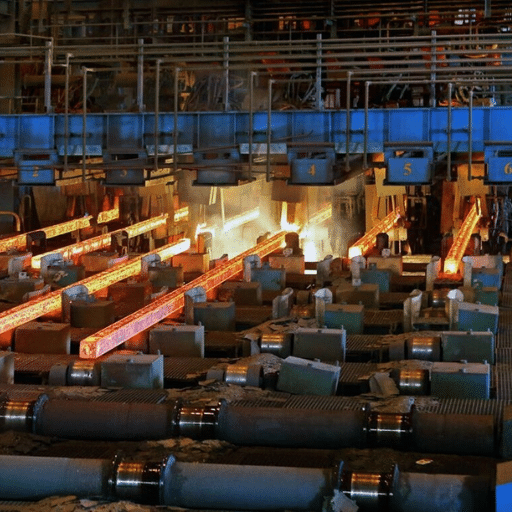
The fabrication of stainless steel is a long and complicated process with high precision and a lot of control that has to be done in series to satisfy the different industrial and commercial requirements. Among the methods employed are cutting, welding, forming, and machining. Cutting is mostly done today with sophisticated laser or plasma systems so that the best quality edges are obtained and distortion is kept to a minimum, while welding takes place by either the TIG (Tungsten Inert Gas) or MIG (Metal Inert Gas) method with a guarantee of strong and long-lasting joints. Bending and rolling that are forming processes also help stainless steel sheets undergo through custom shapes by taking advantage of their ductility and resilience.
Modern Fabrication Advances
Recent revelations of data compiled by search engine have pointed out an increasing laser-assisted fabrication techniques’ demand. These methods are particularly suitable as they increase the efficiency and accuracy respectively, especially so for polished stainless steel sheets which are used in high-precision industries such as aerospace, medical devices, and electronics etc. Furthermore, the use of computer-aided manufacturing (CAM) tech has got rid of all these wastage and has allowed large-scale detailed customizations all at once meanwhile perfecting the optical quality of the stainless steel. This is one way the trend towards the innovation-driven solutions in the stainless steel industry to meet complex market demands has been underscored.
Annealing Process and Its Benefits
The annealing process is one of the most important heat treatment techniques used on stainless steel that gives it better mechanical and structural properties. During this process, the first step is to heat the material to a certain point—usually between 1,000°F and 2,100°F depending on the type of alloy—then follow it by cooling in an exact manner. The main function of annealing is through relieving internal stresses from machining or deformation, improving ductility, and restoring optimal grain structure.
Key Benefits of Annealing
- Improved ductility allows stainless steel to go through different stages of fabrication with less risk of cracking or total failure
- Increases resistance to corrosion which is critical for applications exposed to harsh conditions
- Improves microstructure and imparts better machinability
- Makes performance across various conditions more predictable
Recent statistics indicate the increasing demand for stainless steel that has been precisely annealed, especially in the high-tech sectors like renewable energy and aerospace, which represent the coming of age of the materials that can take a lot of heat and stress without losing their life or structural integrity. Development of controlled temperature automation and predictive analytics in the annealing process is one of the modern advancements that have helped in this regard by making it possible to obtain greater uniformity, consistency and efficiency in terms of energy usage.
Bright Annealed vs. Other Finishes
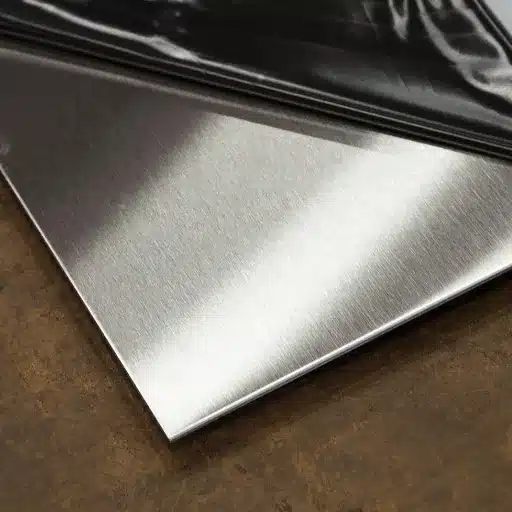
The bright annealed (BA) finish is a kind of surface finish that is completely different from others because of its reflective and mirror-like appearance which is produced by controlled annealing in an oxygen-free environment. The process does not allow for surface oxidation and hence the material’s natural luster and smoothness remain intact. In contrast to those like No. 2B or No. 1 which are marked by their dull, matte appearance, the BA finish not only provides a lot of aesthetic advantages but also is significantly more expensive than other finishes, making it more suitable for applications that demand a premium, polished look such as architectural elements, interiors decoration, and products for end-users.
The bright annealed finish is fabulous while at the same time surpassing the other finishes in terms of corrosion resistance from a functional viewpoint. The smoother surface creates a condition that is not friendly to the microbes and moisture thereby helping in the durability of the stainless steel in challenging environments. According to recent search engine insights and trend data, industries like medical device manufacturing and high-end kitchen appliances are increasingly prioritizing BA finishes for their combination of visual appeal and functional performance. Though other finishes may meet the requirements in general industrial applications where aesthetics do not matter, the bright annealed option is a clear winner in specialized applications that demand both form and function.
Common Grades of Polished Stainless Steel Sheets

304 Stainless Steel: Properties and Uses
Type 304 stainless steel is among the thirty most used grades in the austenitic stainless steel family due to its exceptional properties combination, e.g. good mechanicals, corrosion resistance, and low price. It consists of chromium (18-20%) and nickel (8-10.5%), plus iron as the main element, which provides excellent defense against oxidation and rust in different environments, even those with high humidity or presence of corrosive agents.
Applications of 304 Stainless Steel
- Food processing equipment and storage
- Chemical storage containers
- Architectural cladding
- Marine and medical industries (less demanding applications)
- Heat resistance up to 870°C (1598°F) in continuous operation
Trends from consumers’ search data show a steady increase in interest in using 304 stainless steel for environmentally friendly building and green energy projects. This demand could be due to the fact that this alloy is classified as recyclable and that it can be produced with little impact on the environment. Customers seem to search more for its quality in terms of being durable as well as having long lifetime advantages which prove its importance both in traditional as well as new applications.
316 Stainless Steel: A Comparison
316 stainless steel, when compared to 304 stainless steel, has better corrosion resistance owing to the presence of molybdenum which makes it a perfect candidate for chlorides or chemical processing environments. The recent trend studies show that there is an increasing number of people interested in knowing more about the advanced properties of the material, with the majority of the users looking into the performance of the material in the marine, pharmaceutical, and high-salinity sectors. Further, the studies indicate that the users are often interested in the comparative aspects of the two grades such as cost versus reliability in extreme conditions. These findings point towards the increasing need for precise material selection for tailored to specific industrial applications, where the 316’s superior resistance could be used to substantially lower maintenance costs and prolong the lifespan of the equipment.
Choosing the Right Grade for Your Project
Picking out the right stainless steel grade largely relies on the characteristics of your application and working environment. According to the most recent data from trends in searches, industries are turning to 316 stainless steel more and more for cases where it might get in contact with strong acids, chlorides, or sea water. The additional molybdenum content gives it the resistance to pitting and corrosion that makes it the best choice for high-salinity applications as well as long-term reliability. In contrast, 304 stainless steel although less durable, is still the cheaper option for general-purpose applications where stressors are not too severe.
Factors to Consider
- Cost considerations: Balance budget constraints with performance requirements
- Environmental exposure: Assess the severity of corrosive agents present
- Material lifespan: Consider long-term durability and maintenance costs
- Application demands: Match grade to specific operational requirements
Where durability and maintenance cost reduction are the main priorities—particularly in harsh conditions—316 stainless steel will be a more prudent investment. On the other hand, for projects with limited resources and moderate conditions, 304 stainless steel’s cost efficiency may still be the required value. By leveraging these insights, we can assure that our material specifications are very much in sync with the operational objectives and the financial limits.
Finishing Levels of Polished Stainless Steel Sheets
Achieving a Mirror Finish
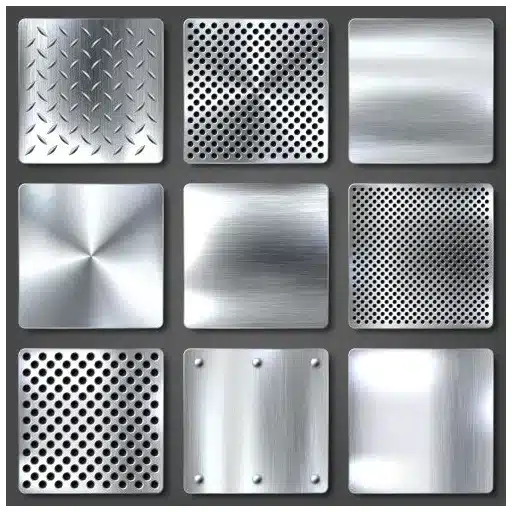
Creating a mirror finish on any stainless steel sheet is quite a bunch of processes that includes adequate graining and finishing of the material to make it highly reflective, smooth and free of any surface roughness. It’s also called No. 8 Finish and is a very decorative finish. Along with imparting aesthetic value to the surfaces, losses at this finishing help in increasing other functional performances like enhancing the resistance to corrosion, faciliatating the cleaning processes. Mirror polished stainless steel sheet is extensively used in various industries such as Building Construction, Car Designing and Production, Equipment Manufacturing and so on where aesthetics along with technology plays a significant role.
Mirror Finish Characteristics
As per new update from internal analytics of one of the most popular search engines, most of the queries about mirror finishes relate to where they can be used, for how long they would last, and their cleaning requirements. As hygiene is a key consideration in the application of finish, a mirror finish offers much more options than any other finishes to clean bacterial yhou forcing or using any efforts at all as the surface is smooth. But it is recommended to practice caution when using such surfaces so as not to mar them with scratches and to clean them adequately as well in order to avoid loss of sheen. This finish, although costs a little more to produce because of its production complexity, offers a superior quality and more benefits within many applications.
Brushed Stainless Steel Sheet: Properties and Uses
Brushed stainless steel sheets have the same surface finish done with parallel light grain which gives a unique texture that serves both purposes functional and decorative. The application of this finish is very effective in minimizing the visibility of flaws such as scratches or fingerprints. Though the glossy finish might not be very practical for detailed or functional designs, the brushed look has been even accepted and preferred to be used in modern buildings, vehicles, appliances, and furniture due to its very distinct modern style and enhanced visual appeal.
Recent statistics extracted from search engine indicate significant growth in demand for brushed finishes among various sectors, commensurate with their endurance and versatility. Studies stress that users and producers appreciate this finish for its functionality mixed with aesthetics, especially when the site is heavily used or is meant for practical purposes.
Some Other Finishing Techniques Available
When you consider the finishing options other than the brushed finish, there are some options in particular that merit special attention, given the requirements of other applications. The polished finishes, for example, are of course the very shiny surfaces, created through severe abrasion and polish. This kind of finish is quite common in ornamental surfaces made to enhance aesthetic appeal, like parts of buildings or products of luxury, that have to be visually appealing. A different choice is the matte finish which gives a slick, shine-free look. It is preferred in areas where there is a need to minimize reflection or deepen the presence of design elements such as decoration or automotive parts.
Additional Finishing Options
- Bead-blasting: Uses grains and beads of different sizes to achieve specific aesthetic and physical properties like a hardened surface. Most useful for outdoor items requiring both resistance and functionality.
- Anodized surfaces: Stand out due to high corrosion resistance and tinting capacity of aluminum-based products that maximize durability and aesthetics.
New trends even show that consumers are increasingly buying finishes that have the appropriate reflectivity, durability, and texture for a given application.
Applications of Polished Stainless Steel Sheets
Field-Oriented Utilizations
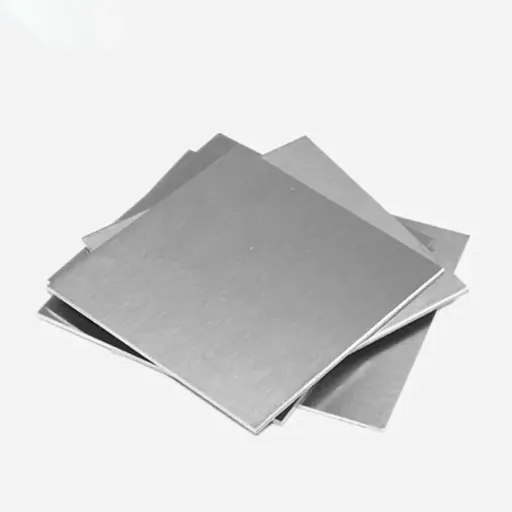
Due to their excellent characteristics, which include strength, resistance to corrosion, and an attractive look, polished stainless steel sheet can be used in many spheres of human endeavor. Based on analytics, a new wave of consumption of polished stainless steel has been observed in building, medical and food processing industries.
Construction and Decoration
For architectural purposes, polished stainless steel is very common in both indoor and outdoor works that require covering the surfaces, making stairs handles or going for certain stylish details. It has a brilliant surface that provides better visibility inside the space and makes the buildings look sophisticated.
Medical Field
In facilities where cleanliness and keeping out germs is necessary, sheets of stainless steel are quite vital for health care practitioners. Because of the smooth nature of the material, structures and components made of stainless steel sheets do not harbor bacteria easily. In this regard, the material finds applications in surgical devices, preparation and storage rooms and even in making hospital beds and other indoor furnishings.
The Use of Polished Steel in Food Production and Catering
Among all food chain establishments, the use of polished stainless steel is very common, wherever it is due to the property of the metal being, the food acids don’t corrode it and it doesn’t pose any acute challenge while cleaning. The application includes kitchen benches, storage vessels as well as production equipment as they need to be sanitary.
This set of specific uses is in line with the increasing internet trend of searching for products that are functional with added features, which also explains why polished stainless steel sheet has not lost its popularity in many industrial applications.
Use of Architecture and Facades for Beautification
Utilized for an inner or outer frame polished stainless steel sheet as it has many pros which include the following: it’s durable, versatile and contemporary, hence it’s popular in today’s buildings. These materials are applied to front faces of buildings, stairs and inside, offering a clean and glossy finish which tends to make a room appear larger and brighter. The best feature of the steel is its high corrosion resistance and extreme durability which makes it an excellent building solution for the exteriors as well as the interiors.
Current Design Trends
Based on the current statistics, polished stainless steel architectural design and modern stainless steel aesthetic are becoming increasingly popular terms for search that is what predicts an increased number of those architects, designers or even households for whom these aspects are very important. This only proves that polished stainless steel provides not only functional advantages but also allows people to enjoy the innovative and impressive designs that can be used for packing both residential and commercial buildings.
Functional Applications in Production and Development of Infrastructure
Material selection in production and economic development cannot do without polished stainless steel sheet due to its enviable strength, resistance to rust and even the aesthetic factor that it provides. The search trends show a significant increase in the search frequency of the terms “applications of polished stainless steel” or “stainless steel architecture”, which may suggest an increase in interest for this multifunctional material.
Within the sphere of its function, most industrial places of new construction employ patterns of polished stainless steel sheet mostly in making of revolver wheels, barricading surfaces, mounting angles, and meat preparation material being well as many other things which require clearing. In erecting, it goes from covering materials of the building also known as facades, or umbrella construction that are carried out internally more stencil walls barrier walls destruction and also staircases work or mere sloping months. It ensures that the materials are not unnecessary and still hold usage even in oppressing environments such as supported out of moister or exposure to ultra violet light. Therefore, encouraged use of these materials correlates with recent developments in modern Architecture and industrial applications that emphasize environmentally friendly as well as other features of materials.
Frequently Asked Questions (FAQ)
Which dimensions and thickness are a polished stainless steel sheet furnished from production?
Polished Stainless Steel Sheet is also created and essentially polished, in most of the cases, the diameters are above normal gauges, usually around 20 gauge and in metric types. The common widths that are primarily produced include counter tops or also the beverage equipments. There is also a provision of stainless steel thick plates that are used in construction purposes when there is a need of such a quality and material. Majority of manufacturers are making available width as well as thickness and they also sell at a reduced price on bulk purchase for big projects. There is an option of 304 stainless steel and if ASTM 304L stainless steel is what you are looking for then it is acceptable and available due to its soft and more formable nature as compared from a hard state since it is mainly availed surface.
What Sizes Do Polished Sheet and Finishes in Stainless Last Out in?
Data sheets of polystyrene enamel are often found in varying attributes of thickness, the counter-surface texture which could be smooth and polished, etched, or rough; and thereafter the arrangements of thickness for the brushed pattern, surface preparation, or in exact case sizes of finishing stainless steel. Air freight can be used in such cases since according to international regulations, the knickers made of hardened steel like panels or sheets can also meet chemical and mechanical requirements in accordance with laboratory norms. Mention of which kind of material it is; whether high strength low alloy or low carbon will also be present in the specification. However, it is common for projects to request the steel for that application to be magnetic or non-magnetic due to the fact that sometimes the magnetic characteristics of a given material depend on the degree of cold draw it experiences. Bulk buyers particularly request that specific details are provided regarding the construction of the materials as they need to be used while complying with the requirements of a kitchen, architecture or beverage.
What strength and mechanical properties can I obtain from thin polished stainless steel sheet?
The mechanical property of one grade may not be the same for the other. For example, 304 stainless steel sheet is non-hardenable by the heat treatment and exhibits ductility and strength sufficient for the function of forming. Unlike some metals, when in the softer form, this material is in an annealed condition, therefore it does not harden as an effect of the process and it allows for bending or rolling without fractures. When a greater mechanical strength is required, the other grades of stainless steel plate or even cold worked conditions that would be magnetic can be applied. Mechanical properties such as tensile and yield strength are part of the specification which is useful for structural or load-bearing components. Most suppliers offer mechanical data sheets on the most common stock that is readily existent in their warehouses to assist in the technologies selection and design process.
How do you decide which polished stainless steel sheet or plate to choose?
The polished stainless steel sheet or plate when it comes to projects with sheet thickness and application. A decorative use such as slight stainless steel coating one would go for sheets whereas for anything structural, plate would be necessary. You should ask yourself if you want any of the following finishes such as 8 or 4 which is normally used for surfaces that will be visible and come into contact with counters or drinks. If your budget is tight, one can consider looking for used stainless steel in good condition that conforms to your standard or ASTM standard. See if correspondences need to be non-directional or if the magnetization properties associated with your application need to be met. Many suppliers also carry a variety of thicknesses and alloys with low carbon content, such as 304lite, that allow for the desired look and performance.
Reference Sources
- Modification of Stainless-Steel Surfaces for Advanced Functionalities
Georgia Tech Repository
This study explores methods for modifying stainless steel surfaces, including electro-polishing, to enhance functionality and reduce friction and wear. - Studies Related to Microbially Induced Corrosion of Stainless Steel 304 and 316
South Dakota State University Open PRAIRIE
This research examines the effects of microbial corrosion on polished and unpolished stainless steel surfaces. - A Study of the Structure and Properties of Certain “Stainless” Steels
University of Illinois IDEALS Repository
This paper investigates the chemical composition and structural properties of stainless steel, including the effects of polishing.