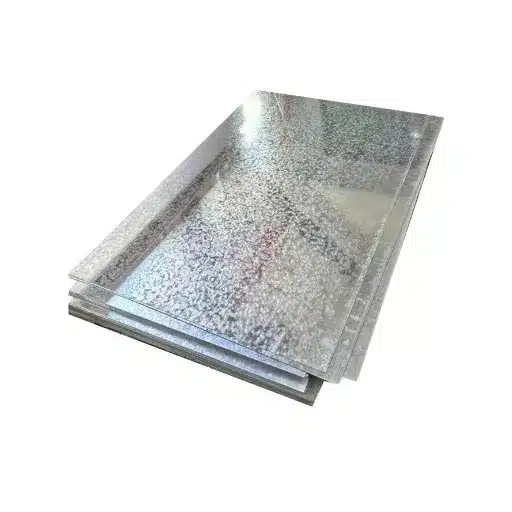
When discussing construction and DIY projects, galvanized sheet metal is regarded as an affordable and highly durable material with many uses. Sheets measuring 4×8 feet have become the go-to for almost all applications, ranging from roofing to building siding, providing excellent resistance to the effects of nature and other factors like abrasion. However, several aspects determine their cost. This comprehensive guide explores pricing, advantages, and different uses of galvanized sheet metal, helping you make informed decisions while staying within budget. Whether you’re an architect, contractor, or DIY enthusiast, understanding these key factors will set your projects up for success.
Current Pricing Trends for Galvanized Sheet Metal
Overview of 4×8 Galvanized Steel Sheet Price
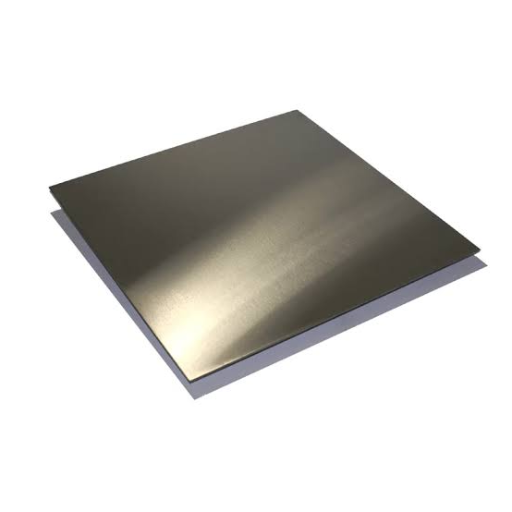
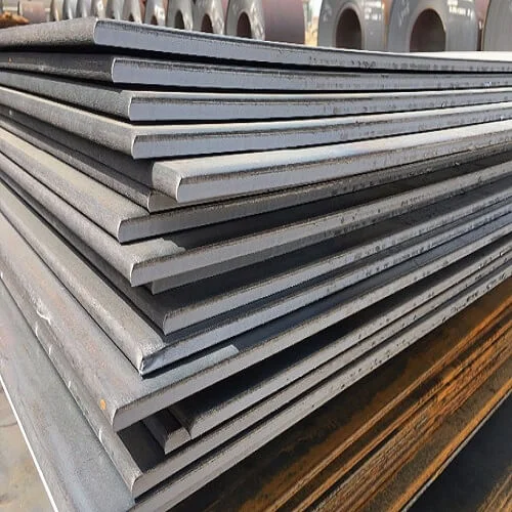
The price associated with a galvanized steel sheet of 4×8 size is not fixed but ranges widely from $50 to $150 typically, depending on the quality, market demand, and pricing by the particular supplier. The lower-end prices are generally for thinner or lower-grade sheets, while the higher end is for thicker and higher-quality sheets used for more demanding applications.
💡 Price-Influencing Factors
- Shipping and handling costs
- Type of galvanization (hot-dip or electro-galvanized)
- Regional availability
- Sheet thickness and quality grade
Hot-dip galvanized sheets, for example, generally cost more because of the extra durability and corrosion resistance the process confers on the product.
💰 Money-Saving Tips: Look at various suppliers and check for lower prices or discounts for bulk purchases. Also, follow steel market trends, since significant price fluctuations might be caused by global events or supply chain disruptions. With these strategies, you can plan your budget wisely and still meet your project’s requirements.
Historical Price Fluctuations in the Market
Historically, steel sheet prices have been characterized by considerable fluctuations, driven by various global and local factors. The most important factor impacting these price changes is the cost of raw materials, particularly the price of iron ore and coking coal. Quite often, when the supply of these natural resources gets limited due to regulatory changes, mining disruptions, or transportation problems, the prices of steel products, including sheets, tend to go up. Conversely, a situation of oversupply of raw materials could result in a drop in prices.
The global economic condition has been another significant factor affecting steel sheet prices. Periods of economic growth usually mark an increase in demand for construction, automotive, and manufacturing industries, which in turn leads to the upsurge of steel prices. On the contrary, during times of economic downturn or recession, demand becomes weaker, and prices tend to drop as a result. Tariffs and trade policies have also played a major role in shaping the steel market, with protective measures in some countries sometimes resulting in different price levels within regions.
Besides, unexpected occurrences—for instance, natural calamities, pandemics, or political unrest—have also been determinants for steel sheet price changes. A pandemic like COVID-19 created temporary supply chain disruption and resulted in price hikes due to shortages. Careful tracking of these historical trends enables buyers and suppliers to foresee price changes and adapt their actions to effectively reduce costs.
Regional Cost Variations in Galvanized Sheet Metal
The price of galvanized sheet metal is greatly impacted by the particular characteristics of every region. Among these, the most significant ones are the availability of raw materials, the cost of labor, and the infrastructure for the manufacturing process.
📍 Raw Material Availability
Places where raw materials like iron ore or zinc can easily be accessed usually have lower production costs, and the price of sheet metal reflects this. Regions that depend on imported materials might spend more due to transportation costs and tariffs.
👷 Labor Costs
Areas with low labor costs can produce galvanized sheet metal at more competitive prices than those with high wages. This often makes manufacturing hubs in developing countries more attractive for wholesalers needing large supplies.
🏭 Industrial Infrastructure
Companies in developed regions with cutting-edge technology and effective production systems can often make galvanized sheet metal at cheaper prices. Less industrialized areas with limited access to state-of-the-art equipment may have higher production costs.
Understanding regional conditions helps firms purchase wisely and obtain the best price-quality ratio, achieving cost-effectiveness.
Factors Affecting the Price of Galvanized Sheet Metal
Impact of Raw Material Prices on Costs
The cost of raw materials is a significant determining factor for the overall price of galvanized sheet metal. Any changes in the prices of materials will definitely influence production costs and, therefore, the final price to consumers. Here are five significant raw materials that are responsible for pricing:
1
Steel Prices
Steel is the main raw material for galvanized sheets. Fluctuating global demand for steel, production output, and the imposition of trade tariffs determine the price of steel and consequently influence the price of galvanized sheets.
2
Zinc Prices
Zinc is the main raw material that provides corrosion resistance to steel in the galvanization process. The price of zinc is heavily influenced by global market trends, mining output, and geopolitical issues, making it a very important cost factor in the overall price.
3
Energy Costs
The galvanized sheet metal production process requires substantial energy, particularly in processes like heating and coating. Changes in energy prices for electricity and fuel can result in higher costs for the manufacturing sector.
4
Chemical Additives
Production costs increase due to the use of additional chemicals in the galvanization bath, such as fluxes. The price and availability of these chemicals may vary depending on supply chain conditions and global demand.
5
Logistics and Transportation
Transportation of raw materials from suppliers to manufacturing plants is necessary. An increase in transportation costs due to fuel price hikes or logistical disruptions may result in higher overall manufacturing costs.
📊 Key Insight: Understanding the impact of these raw material prices empowers businesses to predict production costs more accurately and control their supply chain strategically to counter financial risks.
Global Supply Chain Disruptions and Their Consequences
Disturbances in the global supply chain have turned out to be a vital problem that greatly affects industries worldwide. The seamless and smooth movement of goods and raw materials has been considerably disrupted by events like geopolitical tensions, natural calamities, pandemics, and the demand-supply imbalance of fluctuating nature. For example, the COVID-19 pandemic was an eye-opener as far as global supply chains’ vulnerabilities are concerned. Manufacturing delays, shortage of shipping containers, and labor constraints, among others, contributed to the already existing problem of delays and escalation of costs.
⚠️ Economic Impact
One of the most significant impacts the economy has to contend with is the cascading effect of these disruptions. An unstable supply chain leads to a situation where businesses experience production delays, ordering fewer stocks, and incurring more operational costs. For consumers, it often means higher prices and longer wait times for products. The automotive and technology industries that rely heavily on just-in-time manufacturing models are especially vulnerable to these bottlenecks.
Adaptation Strategies: Companies are making their move to adapt by:
- ✓ Nearshoring: Bringing production closer to end markets
- ✓ Supplier diversification: Reducing dependency on single sources
- ✓ Advanced technology investment: Using AI and blockchain to improve supply chain visibility and resilience
By taking proactive steps and handling potential disruptions, companies can lessen the impact and build a stronger structure for future challenges.
Tips for Purchasing Galvanized Sheet Metal
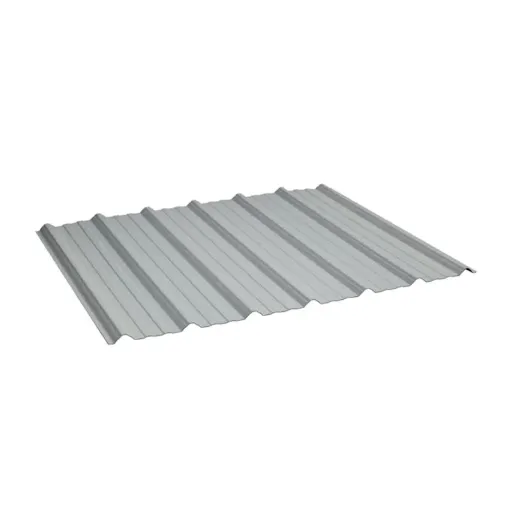
Negotiating Bulk Discounts Effectively
Negotiating bulk discounts while purchasing large quantities of galvanized sheet metal can lead to significant savings for your business. Suppliers are mostly ready to cut per-unit pricing to some extent as they get better logistical control and sales volume for larger orders.
🎯 Effective Negotiation Strategies
📋 Research & Compare
Research market standard prices and ask for quotes from different suppliers. This gives you information to compare costs and show competitive prices during discussions.
🔄 Long-Term Commitment
Let suppliers know about your long-term purchasing requirements. They’ll most probably give discounts to customers who have the potential to place repeat orders.
📊 Tiered Pricing
Check out tiered pricing options. Many suppliers give discounts based on order size, providing better rates for larger quantities.
💰 Favorable Terms
Include in the negotiation terms like extended payment plans or free shipping that can further bring down your overall costs.
💻 Technology-Driven Negotiation
Leveraging technology and data-driven tools can immensely support your ability to negotiate well. Predictive pricing tools or current market data will allow you to foresee changes such as raw material costs going up or down that can cause fluctuations in supplier prices. This tactic helps you stay armed with the most up-to-date information and protects you from market instability. Besides, keeping suppliers in the loop regarding your requirements can help develop strong relationships, giving you access to upcoming promotions or price changes for more opportunities to make savings.
The combination of these tactics will allow your business to be served with galvanized sheet metal in the most efficient way and at the lowest prices in the market.
Assessing the Quality of Galvanized Steel Sheets
The durability, performance, and applicability of galvanized steel sheets are mainly influenced by their quality factors. Here’s what to evaluate:
🔬 Zinc Coating Quality
The thickness and uniformity of the zinc coating directly influence protection. Sheets with consistent coating ensure even protection over their entire area, reducing the possibility of weak spots and rust in the long run.
✅ Industry Standards
Compliance to industry standards and certifications like ASTM, ISO, or EN ensures that the steel sheets have undergone thorough quality control regarding their strength and performance.
👁️ Surface Inspection
Check the surface of the sheet for obvious faults such as cracks, wavy surfaces, or irregular finishes, which can be signs of production errors that might impair the sheet’s performance.
💪 Mechanical Properties
The tensile strength and ductility of the steel should be assessed. Sheets should be able to bear mechanical stresses and be reshaped or joined through welding without losing their load-bearing capacity.
📄 Pro Tip: Many manufacturers provide online data sheets featuring detailed specifications of their products, which is a great help in comparing and selecting the best quality material that meets your requirements. Base your decisions on reliable information to acquire galvanized steel sheets that are highly compatible with your project’s specifications.
Common Uses and Benefits of Galvanized Sheet Metal
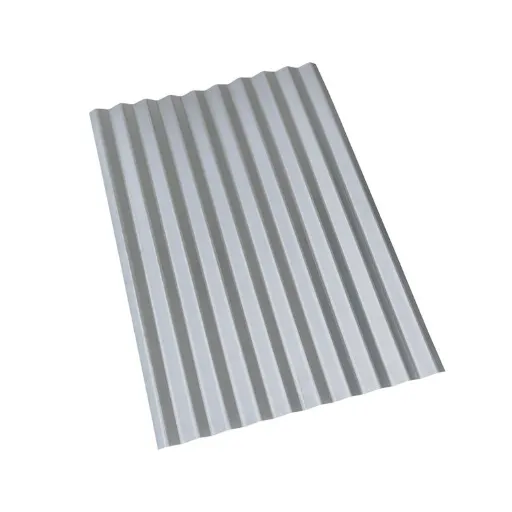
Applications in Construction and Building
Galvanized sheet metal is a material that architects widely use in the construction and building industry for its excellent properties like durability, corrosion resistance, and cost-effectiveness. Here are the five most common applications:
1
Roofing and Siding
Galvanized sheets are the main material for roofing and siding because they can withstand the worst weather conditions of rain, wind, and sunlight. The protective layer of zinc prevents the formation of rust and keeps the product performing for very long periods.
2
HVAC Systems
Galvanized sheet metal is the material of choice for duct systems of heating, ventilation, and air conditioning (HVAC) because it can endure moisture without corroding. This not only helps maintain air quality but is also a factor in the durability of the airflow networks.
3
Structural Framework
One of the frequent uses of galvanized sheets is in the framework of structures, such as beams and supports, in both commercial and residential buildings. The sheets’ high tensile strength guarantees they will be able to carry loads while gaining from resistance to environmental stresses.
4
Fences and Railings
The feature that makes galvanized sheets the perfect material for fences and railings is the zinc coating. This material suits both domestic and industrial applications. The biggest advantage is keeping them rust-free no matter if they’re in a rainy or humid area.
5
Bridges and Overpasses
Infrastructure projects such as bridges and overpasses use galvanized sheet metal to provide a protective layer against the elements, thus reducing maintenance costs and prolonging these structures’ lifespans.
The application of galvanized sheet metal in these cases allows architects and engineers to reap the benefits of its cost-efficiency, durability, and trustworthiness, which makes it a core material in today’s construction techniques.
Role in Automotive Manufacturing
Galvanized sheet metal has a major part in the automobile industry for manufacturing because of its great resistance to corrosion, durability, and low price. Car makers depend on this material to make cars last longer and at the same time keep the structure strong and safe. Here are five main applications:
Body Panels
Galvanized sheet metal is widely used for auto body panels such as doors, hoods, and roofs. The coating of zinc not only prevents rust on these parts but also ensures they last through different environmental conditions.
Chassis Construction
The chassis, which is the structural frame of the vehicle, commonly consists of galvanized sheet metal which promises long-lasting strength and atmospheric wear-and-tear resistance.
Exhaust Systems
Galvanized metal is used in making exhaust systems which are subjected to extreme conditions of heat and moisture, thus delaying the process of corrosion and prolonging the exhaust system’s life.
Fuel Tanks
Some fuel tanks are made of galvanized sheet metal that acts as a firewall against rust and pollution, thus keeping the fuel up to standard.
Crash-Resistant Parts
Galvanized sheet metal is used in making safety-critical parts like reinforcements in crumple zones due to its property of taking considerable stress and thereby protecting occupants during a crash.
By using galvanized sheet metal in these areas, car makers are able to produce vehicles that not only meet strength and safety standards but also can keep their integrity over time and under different conditions.
Home Improvement Projects and Practical Advantages
Galvanized sheet metal is crucial in many home improvement projects for its long-lasting, inexpensive, and anti-corrosive nature. Below are the five main advantages and uses that are practical and beneficial to home improvement with galvanized sheet metal:
1
Roofing and Gutters
The roof and gutter systems generally contain galvanized sheet metal, thanks to its endurance against extreme weather and drying of rust. The zinc-coated layer gives the metal a barrier against the assault of water, thus greatly prolonging installation life.
2
HVAC Systems
Galvanized sheet metal serves HVAC units for ducts and outer parts. Its lightness and rust-resistance properties best fit the lifetime of air-conditioning systems along with their operational efficiency.
3
Fencing and Outdoor Structures
Galvanized sheet metal is the go-to material for outdoor items like fences, sheds, and storage for garden tools. It not only gives a neat and modern look but also shields against the elements, offering an enduring and no-maintenance-required solution.
4
Appliance Housing
Galvanized sheet metal is used for the outer casings of many household appliances like refrigerators, washing machines, and microwaves. Its strength and resistance to damage make it ideal for supporting the structure and being aesthetically pleasing.
5
DIY Furniture and Decor
Galvanized sheet metal material has gained popularity in DIY furniture making and decorative home projects. The material’s modern, industrial charm spans from work tables to wall panels, while being functional and quite easy to work with.
Homeowners can use galvanized sheet metal in these projects to maintain reliability for the long term, save costs, and also get an aesthetically improved look for different areas of their properties.
Comparing Galvanized Sheet Metal with Alternative Materials
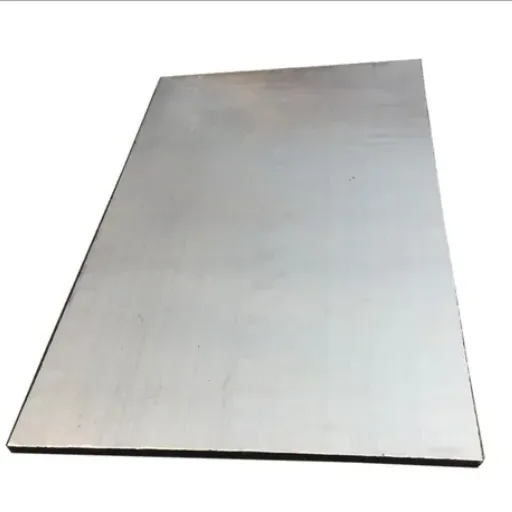
Pros and Cons of Stainless Steel vs. Galvanized Steel
Stainless steel, although more costly, possesses greater strength, has ten times the resistance to corrosion, and is more popular in terms of appearance, whereas galvanized steel is cheaper, easier to manipulate, and good for environments with less demanding conditions.
Weighing Aluminum Against Galvanized Sheet Metal
Aluminum and galvanized sheet metal have different properties, so depending on the final application, that would be the way to consider them.
✨ Aluminum Advantages
- 💨 Lightweight: Ideal for structural needs where mobility or weight restriction matters
- 🛡️ Superior Corrosion Resistance: Excellent for high humidity or coastal areas with salty air
- ⚡ Durability: Non-corrosive characteristics provide long-term protection
- 🌊 Weather Resistance: Outstanding performance in harsh environmental conditions
💰 Galvanized Steel Advantages
- 💵 Cost-Effective: Great for budget-conscious projects
- 🔧 Better Malleability: Easier to bend and shape for various applications
- 🛡️ Decent Protection: Zinc coating gives good protection from rust for standard applications
- 💪 Structural Strength: Offers excellent structural flexibility
🎯 Decision Making Guide
At the end of the day, aluminum and galvanized sheet metal have to be selected according to each project’s specifications:
- Choose Aluminum if durability, weight reduction, and superior resistance to weather are priorities
- Choose Galvanized Steel for projects where affordability and malleability are vital
Both materials have their strengths, so selecting the right one comes down to balancing priorities in the given context.
📚 References
- MIT – Doshi Steel Prices: This document provides a catalog of steel sizes and pricing, which includes sheet metal options.
- University of North Texas System – Kerr Hall Dining Renovation Pricing: This source includes pricing details for sheet metal-related projects and renovations.
- Ohio Procurement – Willis and Sons Price List: This price list outlines various sheet metal products and their associated costs.
- Click here to read more.
Frequently Asked Questions (FAQ)
Q: What factors influence the galvanized sheet metal 4×8 price?
A: Galvanized sheet metal 4×8’s price can be different according to many factors like the thickness of the metal, the kind of finish (such as hot dip or cold rolled), and the size (standard or custom). Also, the rise and fall of raw material prices and the cost of the delivery service might also play a role in the overall price.
Q: What is the difference between 22 gauge and 24 gauge galvanized sheet metal?
A: The thickness is the main difference between 22 gauge and 24 gauge galvanized sheet metal. 22 gauge has a higher thickness than 24 gauge, which means that it is more durable and stronger so it can be used for different applications. This thickness can also affect the price of the galvanized sheet metal 4×8, as thick sheets are usually more expensive.
Q: Can I order custom sizes of galvanized sheet metal?
A: Yes, most suppliers have custom sizes of galvanized sheet metal, including the 4×8 sheets. The custom size may cause the price of the galvanized sheet metal 4×8 to go up, as the specific dimensions may take more time to process or handle.
Q: What are the common applications for galvanized corrugated sheet metal?
A: The corrugated sheet metal that has been galvanized is used in roofing, siding, and as wall panels in various construction sites most often. Its durability and resistance to corrosion combine to make it an ideal material for outdoor projects and, therefore, its use in such various applications.
Q: What is the benefit of using aluminum-zinc coated sheet steel compared to galvanized options?
A: The aluminum-zinc coated sheet steel has the ability to fight corrosion better than the traditional galvanized ones. Even though a galvanized sheet metal 4×8 will keep you covered, aluminum-zinc coatings will make the material last longer, especially in harsh environments.
Q: Are there differences between GI and galvanized sheet metal?
A: GI or Galvanized Iron is zinc-coated steel that is less susceptible to rust and corrosion. The main difference of both GI and galvanized sheet metal is that both have the same protective properties but GI is usually heavier and a specific type of galvanized material. The price of the galvanized sheet metal 4×8 could differ by the type and quality of the coating.
Q: What is the typical galvanized sheet metal 4×8 price range?
A: The price range for galvanized sheet metal 4×8 is typically from $50 to $150 per sheet depending on the gauge, type, and supplier, but it is always best to confirm with local suppliers regarding the most precise pricing including any extra delivery or service fees.
Q: How does the cold rolled process affect galvanized sheet metal?
A: The cold rolled method refers to the treatment of the metal at ambient temperature, which gives a brighter surface and more precise tolerances. The galvanized sheet metal gets a better look and is more plastic, thus the price of the galvanized sheet metal 4×8 could be higher than that of hot rolled products due to the cold rolled silky smooth fineness.