
ASTM A36
Carbon Structural Steel
The most versatile low-carbon steel for construction. Offering excellent weldability and machinability. Stock ready in Plates, Beams, Angles, and Bars.
- 36 ksi Yield Strength
- Easy to Weld & Machine
- Cut-to-Size Service
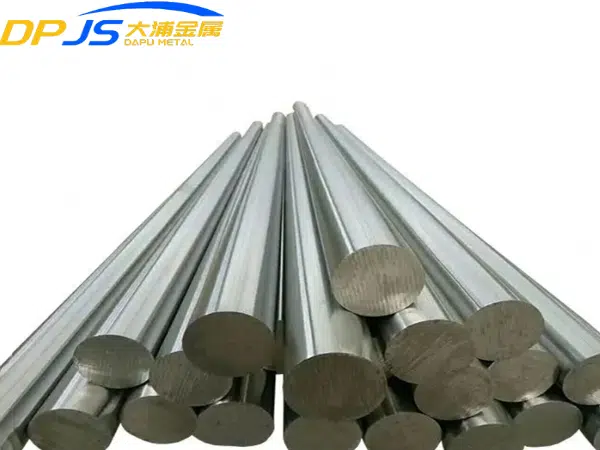
Available Forms
Supply Forms & Sizes
We stock one of the largest inventories of A36 steel in various shapes, ready for immediate cutting and shipping.
A36 Steel Plate
- Thickness: 3mm - 200mm
- Width: 1500mm - 3500mm
- Length: 6000mm - 12000mm
- *Flame cutting to size available
Structural Shapes
- Beams (I/H/W): Standard & Wide Flange
- Channels (C/U): Various Depths
- Angles (L): Equal & Unequal Leg
- *Pre-drilled holes service available
Carbon Steel Bars
- Round Bar: Dia 6mm - 300mm
- Flat Bar: Custom Widths
- Square Bar: Solid Stock
- *Polished or Black finish
Technical Specifications (ASTM A36)
Verify the material properties to ensure A36 meets your engineering requirements.
1. Chemical Composition (Max %)
| Element | Symbol | Percentage |
|---|---|---|
| Carbon | C | 0.25 - 0.29% |
| Manganese | Mn | 0.80 - 1.20% |
| Phosphorus | P | 0.04% Max |
| Sulfur | S | 0.05% Max |
| Silicon | Si | 0.40% Max |
| Copper | Cu | 0.20% Min (Optional) |
2. Mechanical Properties
| Property | Value (Imperial) | Value (Metric) |
|---|---|---|
| Yield Strength (Min) | 36 ksi | 250 MPa |
| Tensile Strength | 58 - 80 ksi | 400 - 550 MPa |
| Elongation (in 8") | 20% Min | 20% Min |
| Elongation (in 2") | 23% Min | 23% Min |
| Brinell Hardness | 119 - 159 | 119 - 159 HB |
Why Choose A36 Structural Steel?
ASTM A36 is the most popular hot-rolled carbon steel for a reason. Its carbon content is strictly controlled below 0.29%, making it one of the easiest metals to weld without the need for expensive pre-heating or post-weld heat treatment.
It behaves predictably during machining, cutting, and forming, making it the cost-effective backbone for skyscrapers, bridges, and general machinery.
- Excellent Weldability: Compatible with all standard welding methods (MIG, TIG, Stick).
- Ductility: Elongates up to 20% before fracture, providing safety in structural loads.
- Cost-Effective: Lower price point compared to cold-rolled grades like 1018.
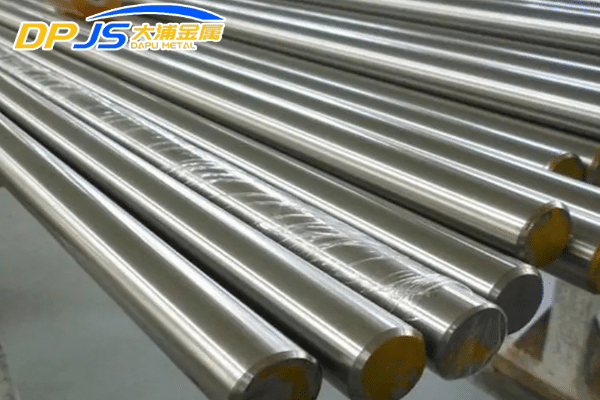
Selection Guide: ASTM A36 vs. AISI 1018
Understanding the difference between Hot Rolled (A36) and Cold Rolled (1018) steel.
| Feature | ASTM A36 (Structural) | AISI 1018 (Precision) |
|---|---|---|
| Process Type | Hot Rolled (Processed at high temp) |
Cold Rolled (Processed at room temp) |
| Surface Finish | Rough, Scaly finish (Blue/Grey) | Smooth, Shiny, Sharp corners |
| Cost | $$ (Lower Cost) Best Value | $$$ (Higher Cost) |
| Yield Strength | 36,000 psi (36 ksi) | 54,000 psi (54 ksi) |
| Best Application | Structural Frames, Beams, Bridges | Precision Shafts, Pins, Machined Parts |
Custom Processing & Finishes
Don't just buy raw steel. We provide ready-to-use A36 components treated to resist corrosion and cut to your exact specifications.
Hot-Dip Galvanizing
Protect your A36 structural steel from rust. We offer ASTM A123 compliant hot-dip galvanizing, ideal for outdoor beams, bridges, and infrastructure projects.
Flame & Plasma Cutting
Need specific shapes? We provide high-precision CNC flame and plasma cutting for plates up to 200mm thick. Custom profiles and base plates burned to print.
Pickling & Oiling (P&O)
Remove the mill scale (oxide layer) for a cleaner surface. P&O A36 sheet is preferred for parts that require painting, powder coating, or laser cutting.
Precision Saw Cutting
Production saw cutting for bars, angles, and channels. We deliver tight tolerance lengths (+/- 1.0mm) to save you processing time on-site.
Drilling & Punching
Pre-fabrication services for structural connections. We can punch holes in angles or drill heavy flanges on beams to your CAD drawings.
Shot Blasting & Priming
Surface preparation to SA 2.5 standard followed by a shop primer. Protects the steel during transit and storage before final erection.
Industries Powered by A36 Steel
Due to its versatile properties and cost-effectiveness, A36 is the backbone of countless structural and industrial applications.

Building Construction
The primary choice for structural steel columns, beams, and girders in commercial buildings due to its dependable strength.
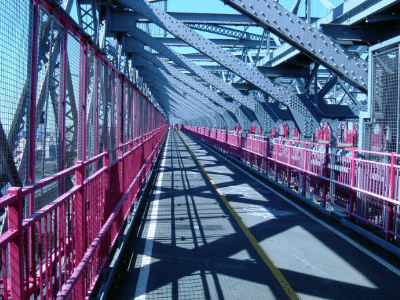
Bridges & Infrastructure
Used extensively in short-span bridge girders, pedestrian walkways, and platforms where weldability is crucial.
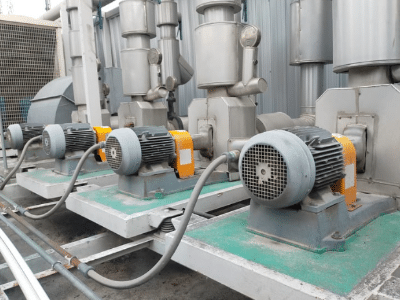
Machinery Base Plates
Thick A36 plates are the standard material for heavy machinery foundations, mounting plates, and equipment frames.
Heavy Equipment & Ag
Utilized in the manufacturing of frames for agricultural machinery, trailers, and truck chassis brackets requiring durability.
Frequently Asked Questions about A36 Steel
Common questions regarding properties, equivalents, and fabrication.
Is ASTM A36 steel magnetic?
What is the equivalent grade for A36 steel?
- Europe (EN): S235JR (EN 10025)
- China (GB): Q235B
- Japan (JIS): SS400