Yield Strength Analysis
(Higher Bar = Stronger Material)
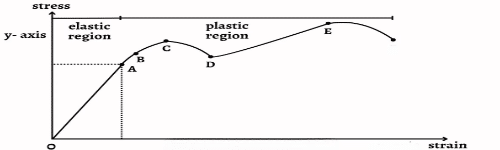

The backbone of construction. We supply certified A36 plates and bars featuring the standard 29,000 ksi (200 GPa) elastic modulus for predictable structural performance.
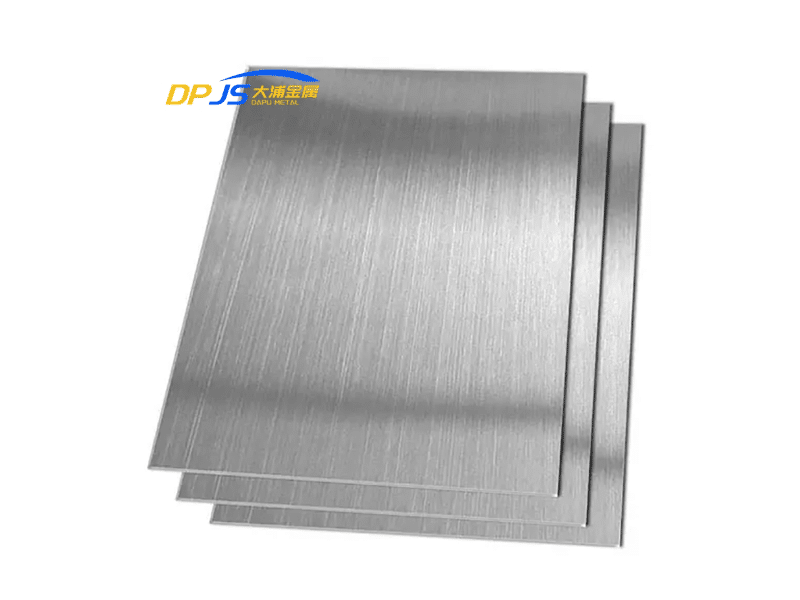
Understanding "Stiffness" vs. "Strength" in Structural Engineering.
Also known as Young's Modulus (E), it measures the "stiffness" of the steel. It defines how much the material will stretch or bend under a given load before it permanently deforms.
Think of A36 steel as a very stiff spring. The Modulus (29,000 ksi) tells you how hard you have to pull that spring to stretch it.
| Unit System | Value | Common Usage |
|---|---|---|
| Imperial (US) | 29,000 ksi | Structural Design |
| Imperial (Alt) | 29 x 10⁶ psi | Lab Testing |
| Metric (SI) | 200 GPa | International |
| Metric (Alt) | 200,000 MPa | Mechanical Eng. |
Myth: High-strength steel (like A572-50) is stiffer than A36.
Fact: They have the same Elastic Modulus (29,000 ksi). Using expensive high-strength steel won't reduce deflection (bending). For stiffness-driven designs, A36 is the most cost-effective choice.
Elastic Modulus (29,000 ksi) is constant, but Yield Strength defines the grade.
Utilizing the 29,000 ksi Elastic Modulus for structural stability and deflection control.
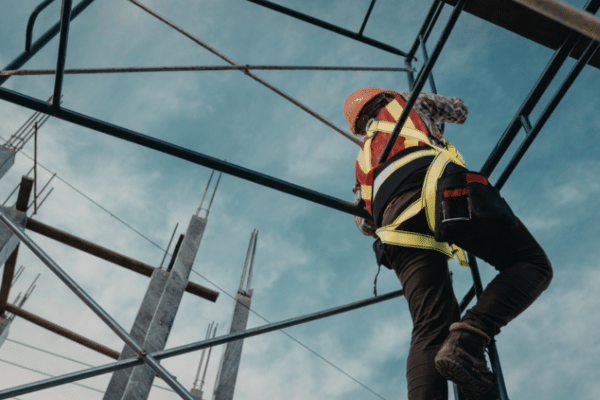
The standard choice for I-beams, H-beams, and channels in warehouse and high-rise construction where loads are static.

Used for short-span bridge girders, pedestrian walkways, and guardrails where weldability and safety are paramount.

Heavy A36 plates (up to 12" thick) provide a rigid, flat foundation for mounting motors, pumps, and generators.

The "go-to" steel for storage tanks, agricultural equipment, and truck frames due to its low cost and ease of modification.
Standard stock items ready for immediate shipment. All materials include Mill Test Reports (MTRs).
Common engineering queries regarding thermal and physical properties.
E = 29,000 ksiE ≈ 20,000 ksi (Approx 30% reduction)AWS D1.1 standards. Pre-heating is generally not required for sections thinner than 3/4".
Hot Rolled with a rougher mill scale finish.Cold Rolled (Cold Finished), offering tighter dimensional tolerances, a smoother surface, and slightly higher yield strength (~54 ksi) due to work hardening.