
AISI 440C High Carbon • High Chromium • High Hardness
The "Tool Steel" of Stainless. Capable of achieving HRC 60 after heat treatment. Engineered for high-end cutlery, bearings, and surgical instruments.
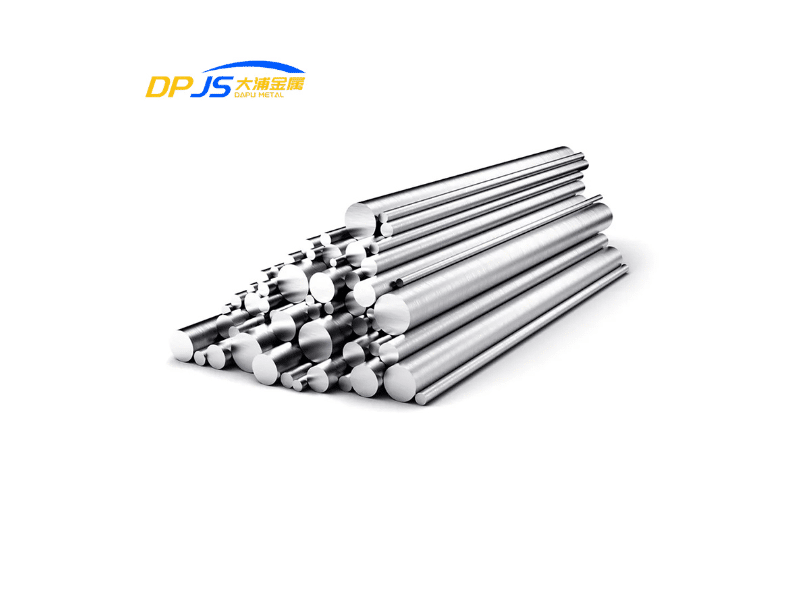
The 440 Family: A, B, or C?
Carbon is the key. As carbon content increases, hardness and wear resistance increase, while toughness slightly decreases.
AISI 440A
Entry Level- Hardness (Max) ~56 HRC
- Corrosion Res. Excellent
- Machinability Good
AISI 440B
Intermediate- Hardness (Max) ~58 HRC
- Corrosion Res. Good
- Machinability Fair
AISI 440C
Premium Grade- Hardness (Max) 60 HRC
- Wear Resistance Superior
- Machinability Fair (Annealed)
Engineered for Hardness
Performance profile after Heat Treatment (Quench & Temper).
Heat Treatment Potential
Unlock the full potential of 440C. Correct heat treatment yields HRC 58-60.
Supply Condition: Annealed
Material is supplied in the Annealed state (approx. 269 HB). It is soft enough to be machined, drilled, and ground before hardening.
Hardening (Quench)
Heat slowly to 1010°C - 1065°C.
Quench in warm oil. (Air cooling is possible for thin sections, but oil is preferred for maximum hardness).
Tempering
Temper immediately after quenching. Do not temper below room temperature. See the chart for Hardness vs. Temperature trade-offs.
Tempering Data
Typical hardness after oil quench| Temperature | Resulting Hardness |
|---|---|
| 150°C (300°F) | 60 HRC |
| 205°C (400°F) | 59 HRC |
| 260°C (500°F) | 58 HRC |
| 315°C (600°F) | 56 - 57 HRC |
| 370°C (700°F) | 54 - 55 HRC |
Industries Powered by 440C
When applications demand the ultimate combination of hardness, wear resistance, and moderate corrosion protection.

High-End Cutlery
The preferred choice for premium tactical and hunting knives. It takes a razor-sharp edge and holds it longer than almost any other stainless steel.
Edge Retention
Rolling Element Bearings
Used in high-load precision bearings and races that require extreme hardness (HRC 60) to resist deformation and wear under stress.
High Load Capacity
Medical & Surgical
Ideal for surgical cutting tools like scalpels and chisels. It provides the necessary hardness for cutting bone and tissue with adequate sanitation properties.
Surgical Sharpness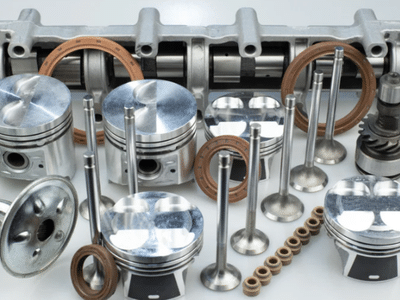
Valve Parts & Nozzles
Components exposed to abrasive fluids or high-wear sliding action. 440C resists erosion better than standard 300-series stainless.
Erosion ResistanceStock Forms & Sizes
Available for immediate shipment.
Round Bar
- Diameter (Metric) 6mm - 350mm
- Diameter (Imperial) 1/4" - 14"
- Standard Length 2m - 6m (Random)
- Tolerance h9 / k11 / DIN 1013
Flat Bar & Sheet
- Thickness 2mm - 60mm
- Width 10mm - 600mm
- Finish Hot Rolled / Milled
- Application Knife Blanks / Molds
Technical Q&A
Common questions regarding corrosion, magnetism, and processing.
Does 440C stainless steel rust?
Yes, it can. While it is "stainless," the extremely high carbon content (1.1%) required for hardness sacrifices some corrosion resistance. It is excellent for fresh water and food acids but is NOT marine grade. It will rust in saltwater environments if not maintained. For better corrosion resistance (but lower hardness), consider 440A or 17-4 PH.
Is 440C magnetic?
Yes, strongly magnetic. Unlike 300-series (Austenitic) stainless steels which are non-magnetic, 440C is Martensitic. It is magnetic in both the annealed and hardened conditions. It can be held firmly on magnetic chucks for grinding.
How difficult is it to machine?
In the Annealed condition, machinability is rated at roughly 45% of B1112. It machines similarly to High-Speed Steel (HSS). It forms tough, stringy chips. Once hardened (HRC 60), it cannot be milled or turned effectively and must be ground using ceramic or diamond wheels.
Comparison: 440C vs. D2 Tool Steel?
Both are popular knife steels. D2 is a "semi-stainless" tool steel that is slightly harder and holds an edge longer but is prone to staining/rusting. 440C is a true stainless steel; it is easier to sharpen, easier to machine, and offers significantly better rust protection than D2.