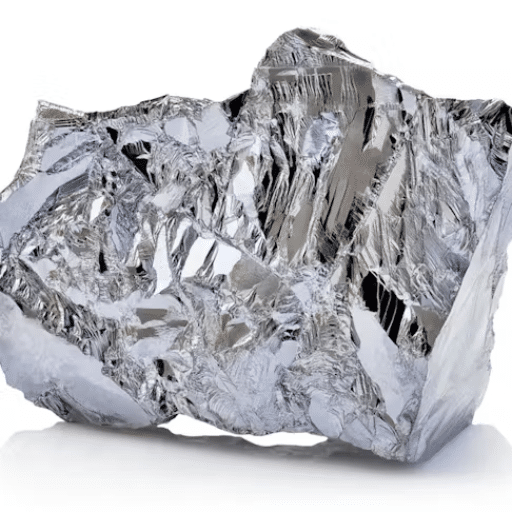
When it comes to materials that excel in extreme heat environments, two contenders often emerge as top choices: nickel alloy and stainless steel. The two metals provide essential industrial solutions because they combine exceptional durability with heat resistance and multiple industrial applications in aerospace and power generation and manufacturing. The process of selecting suitable materials for high-temperature applications presents multiple challenges for engineers. Which material performs better under severe heat conditions? The blog examines how nickel alloy and stainless steel differ through their extreme condition performance and their respective strengths and weaknesses. The end result will provide you with useful information that helps you choose the best option which meets your particular requirements.
Introduction to Nickel Alloys and Stainless Steel

Overview of Nickel Alloys
Nickel alloys are engineered metals that primarily consist of nickel combined with other elements such as chromium, iron, molybdenum, and copper. The material properties of these mixtures create substances which protect against elevated temperatures and complete protection against corrosion and oxidation which makes them suitable for welding applications in aerospace and power generation and chemical processing industries. Recent research shows that nickel alloys offer better mechanical strength and thermal stability than conventional materials because they can withstand extreme temperature conditions.
The data indicates that nickel alloys outperform stainless steel when assessing which material performs better in extreme heat conditions which exceed 1000°F. The material provides optimal performance for turbine blades and heat exchangers because it maintains structural integrity under these conditions while displaying complete resistance to thermal expansion and cracking. Your decision about which product to use needs to consider both the temperature range and the environmental conditions which will occur during your specific application.
Overview of Stainless Steel
Stainless steel is an alloy which people use in various applications because it combines multiple benefits including its ability to resist corrosion and its strong physical properties and its ability to serve different purposes. The material contains mostly iron with chromium as the critical component which must make up at least 10.5% of the total weight. Chromium forms a protective oxide layer which safeguards the material against rust and oxidation even under extreme conditions. The specific grade of stainless steel determines which additional elements are used to improve its performance for specific purposes because the metal contains nickel and molybdenum and manganese as common supplementary materials.
People often inquire about the temperature limits which stainless steel can operate because they want to know whether the metal will retain its functionality after being exposed to extremely high heat. The latest data confirms that stainless steel can maintain its functionality across multiple temperature ranges although specific grades of the metal can withstand temperatures up to 1,500°F (815°C). The austenitic stainless steel grades 304 and 316 show excellent heat resistance which makes them suitable for use in chemical processing and power generation and food equipment. Nickel-based alloys remain the preferred choice when applications require materials which need to withstand both high temperatures and heavy stress conditions. The process of material selection requires three essential factors to be evaluated which include operational temperature ranges and corrosive material contact and mechanical strength requirements.
Importance of Material Selection in Extreme Heat Applications
The procedure for choosing materials in extreme heat applications directly affects all three operational components which include safety measures and operational efficiency and equipment lifespan. According to recent data, industries such as aerospace and chemical processing and power generation require materials that can withstand temperatures exceeding 1000°F (537°C) while maintaining their strength and stability and protection against oxidation and corrosion. In these situations, nickel-based superalloys and cobalt-based superalloys emerge as the most effective superalloy solution because they deliver exceptional performance in high-temperature environments while maintaining their mechanical properties under different stress conditions.
The specialized applications of ceramics and refractory metals which include tungsten and molybdenum have gained popularity because these materials provide outstanding heat protection in situations where metals would fail. The combination of computational modeling and material science progress enables scientists to create and choose modern composite materials and protective coatings which provide better heat protection and stronger durability. The selection of suitable materials requires multiple decision-making steps which need to assess various elements such as thermal conductivity and weight and cost-effectiveness and environmental effects.
Composition of Nickel Alloys and Stainless Steel

Key Components of Nickel Alloys
Nickel alloys consist of nickel combined with additional elements which improve their strength and corrosion resistance and heat resistance capabilities. The main components of the material typically include these elements:
- Nickel (Ni): The primary element, which creates strong protection against both oxidation and corrosion.
- Chromium (Cr): The element which scientists add to materials because it enhances their ability to resist oxidation at high temperatures.
- Iron (Fe): The element which occurs in nickel-based alloys because it improves their structural integrity.
- Molybdenum (Mo): The element which enables materials to resist chemical attacks, particularly from acidic substances.
- Copper (Cu): The metal provides outstanding protection against environments which contain reducing acids.
- Cobalt (Co): The metal introduces magnetic characteristics while it increases material strength at elevated temperatures.
- Other Elements: The material allows industrial professionals to incorporate elements such as aluminum and titanium and carbon for specific industrial applications.
Nickel alloys serve multiple industries because their key components support operations in aerospace and power generation and chemical processing which demand both durability and high performance.
Key Components of Stainless Steel
Stainless steel stands out as an essential industrial material because of its ability to resist corrosion and its strong physical properties and multiple uses. The fundamental elements of the material determine its essential characteristics:
- Iron (Fe): The base element of stainless steel production provides its essential structural framework.
- Chromium (Cr): A crucial element, typically making up at least 10.5% of the alloy, chromium forms a thin, stable oxide layer on the surface to prevent corrosion.
- Nickel (Ni): The material base nickel provides better corrosion protection while making the metal more flexible and increasing its ability to resist extreme heat.
- Molybdenum (Mo): The element protects against pitting and crevice corrosion to enhance metal performance in extreme marine and acidic conditions.
- Carbon (C): Carbon exists in minor quantities which create harder and stronger material when exposed to heat treatment processes.
- Manganese (Mn): The element increases material strength and hardness while supporting steel production through its deoxidizing and sulfur elimination functions.
- Nitrogen (N): The element increases strength and pitting resistance in stainless steel, especially for duplex grades.
Through the combination of these elements, stainless steel achieves various grades which include austenitic, ferritic, martensitic, duplex, and precipitation-hardening types, to satisfy particular industrial and environmental requirements. The specific classifications and compositions of stainless steel make it essential for industrial applications in construction, automotive, medical devices, and food processing by providing both functional capabilities and extended durability.
Comparative Analysis of Chemical Composition
Industrial applications require stainless steel grades because their chemical makeup exhibits substantial differences between different grades. The elemental makeup of austenitic stainless steel grade 304 contains iron as its main element together with 18 to 20 percent chromium and 8 to 10 percent nickel and only tiny amounts of carbon, which gives the material its exceptional ability to resist corrosion and high workability. The ferritic grade 430 contains 16 to 18 percent chromium but uses no nickel, which reduces production costs while providing some corrosion protection but fewer benefits in specific circumstances.
Duplex stainless steels combine austenitic and ferritic structural elements, which give them chromium content between 20 and 25 percent along with nickel content that ranges from 1 to 7 percent and the addition of molybdenum for enhanced strength and defense against stress corrosion cracking. The special makeup of duplex grades makes them suitable for extreme conditions that exist in chemical processing and marine environments. The combination of 1 percent carbon content and 11.5 to 13.5 percent chromium content produces exceptional hardness and wear resistance in martensitic grade 410 steel but this combination results in reduced corrosion resistance.
The differences in material composition demonstrate that proper stainless steel grade selection is essential for achieving optimal product performance in specific applications which require either corrosion resistance or strength or cost efficiency.
▸ Stainless Steel Grade Composition Comparison
| Grade | Chromium % | Nickel % | Notable Additions | Key Characteristic |
|---|---|---|---|---|
| 304 | 18–20% | 8–10% | Trace carbon | Excellent corrosion resistance and formability |
| 316 | 16–18% | 10–14% | Molybdenum 2–3% | Enhanced pitting and crevice corrosion resistance |
| 430 | 16–18% | None | — | Cost-effective; limited corrosion protection |
| Duplex | 20–25% | 1–7% | Molybdenum, Nitrogen | High strength; resists stress corrosion cracking |
| 410 | 11.5–13.5% | None | High carbon up to 1% | Outstanding hardness and wear resistance |
Mechanical Properties at High Temperatures

Heat Resistance of Nickel Alloys
Nickel alloys demonstrate exceptional heat resistance capabilities which enable their utilization in high-temperature applications that exist within aerospace power generation and chemical processing sectors. Their special composition enables them to sustain their strength while blocking scaling at temperatures exceeding 1,000°F (538°C) through their use of chromium and molybdenum and aluminum components. The material benefits from this combination because it creates stable oxide layers which shield the material from oxidation and degradation during extreme conditions.
Recent data shows that nickel alloys such as Inconel 718 and Hastelloy X perform exceptionally well in environments that exceed 1,300°F (704°C). The materials protect jet engines and gas turbines and heat exchangers through their ability to withstand thermal stress. The alloys demonstrate two key advantages because they can withstand thermal fatigue and protect against high-temperature gas corrosion which allows them to operate reliably in challenging conditions.
Heat Resistance of Stainless Steel
Stainless steel functions as a material which withstands extreme heat conditions, making it suitable for use in high-temperature environments. The oxidation resistance of stainless steel and its ability to preserve its physical structure depend on its grade, which enables it to withstand heat up to 1,600°F (870°C) and 2,000°F (1,093°C). A work environment needs to find the specific performance requirements which austenitic stainless steels meet at 1,500°F (815°C) and specialized heat-resistant grades 310 and 446 reach their maximum operating temperatures. The manufacturing process uses chromium and nickel elements to create materials which maintain their physical properties during high-temperature industrial applications, especially in petrochemical plants and power generation facilities.
Recent advancements suggest that improved alloy compositions have pushed the thermal capabilities of certain stainless steel grades even further. The current process of developing new products uses molybdenum and silicon to create materials which maintain their structural integrity and protect against corrosion at extremely high temperatures. The material properties of stainless steel enable its use in applications which require extended contact with high-temperature environments while maintaining dependable performance.
Melting Points and Their Implications
Stainless steel melting points vary according to its alloy composition because the metal melts between 2,500°F and 2,800°F which corresponds to 1,370°C and 1,540°C. The material’s high melting point makes it suitable for aerospace power generation and industrial manufacturing applications which need materials that can withstand extreme heat. The steel maintains its shape because it withstands high temperatures, which enables production of turbine blades and furnace components and exhaust systems. The material maintains its structural integrity during thermal stress, which allows it to perform safely in high-risk situations. Ongoing development of new alloy formulations enables stainless steel to exceed the requirements of current engineering challenges.
Nickel Alloys — Heat Profile
Operating Threshold
Above 1,000°F (538°C)
Peak Grades
Inconel 718, Hastelloy X
Excellent Performance At
Exceeds 1,300°F (704°C)
Primary Advantage
Thermal fatigue resistance; protection against high-temperature gas corrosion
Stainless Steel — Heat Profile
Operating Threshold
Up to 1,500°F (815°C)
Peak Grades
Grade 310, Grade 446
Melting Range
2,500–2,800°F (1,370–1,540°C)
Primary Advantage
Deformation resistance; structural integrity under thermal stress; broad grade availability
Oxidation and Corrosion Resistance

Corrosion Resistance of Nickel Alloys
Nickel alloys possess outstanding resistance to corrosion which enables their use in situations where other materials would not survive. The alloys demonstrate strong resistance to pitting and crevice corrosion and stress corrosion cracking under extreme conditions which include contact with acidic and alkaline solutions and seawater and elevated temperatures. Adding chromium and molybdenum and iron to the alloy composition improves the protective oxide layer which blocks corrosive substances from reaching the alloy surface.
The latest information and technological progress demonstrate that nickel alloys like Hastelloy and Monel and Inconel deliver exceptional performance across chemical processing and marine engineering and aerospace sectors. The materials demonstrate superior defense capabilities against sulfuric acid and hydrochloric acid and oxidizing agents which threaten stainless steel performance. The critical needs for durable materials that resist corrosion over extended periods establish nickel alloys as vital components for essential industrial uses.
Corrosion Resistance of Stainless Steel
Stainless steel achieves its outstanding ability to resist corrosion through the development of a protective chromium oxide layer, which forms a thin shield that covers its exterior. The passive film layer protects the steel from aggressive corrosion which results from the presence of moisture and oxygen and all types of chemical substances. The different grades of stainless steel show various levels of corrosion resistance because different stainless steel compositions provide protective abilities that increase through higher chromium and molybdenum levels which especially protect against dangerous environments with high chloride concentrations.
The latest research shows that stainless steel provides excellent corrosion protection for common uses which include kitchen utensils and building materials and industrial applications which encompass food processing and medical device manufacturing. The extreme environmental conditions which involve continuous contact with acids and saltwater and high-temperature environments require the use of 316 and duplex stainless steel specialty grades because they provide enhanced durability. The longevity of stainless steel’s ability to resist corrosion depends on both regular maintenance and proper cleaning methods.
Oxidation Behavior in Extreme Environments
Stainless steel exhibits exceptional oxidation resistance under extreme conditions because its chromium oxide layer provides protective shielding. Oxidation rates experience rapid acceleration when materials are exposed to extreme conditions which occur during high-temperature industrial processes and marine applications. The material will lose its integrity at temperatures above 800°F (427°C) unless stainless steel components from heat-resistant grades 310 and 446 are used. Pitting and crevice corrosion develop in chloride-rich environments such as saltwater, which forces the use of highly alloyed stainless steels that include duplex and super duplex stainless steel types.
The most effective method for preventing oxidation during extreme conditions involves using surface treatments and coatings together with alloys that contain increased amounts of chromium and nickel and molybdenum. The field of metallurgical engineering continuously drives innovation by developing customized stainless steel grades which deliver peak performance in extreme operational conditions. The implementation of environmental monitoring together with dedicated maintenance procedures for specific materials will enhance oxidation resistance while maintaining operational capabilities and material lifespan.
Technical Note: Oxidation Thresholds
Standard stainless steel begins to lose integrity at temperatures above 800°F (427°C) in oxidizing environments without the use of heat-resistant grades. Heat-resistant grades 310 and 446 extend performance beyond this threshold. In chloride-rich environments, duplex and super duplex stainless steel are required to prevent pitting and crevice corrosion. Nickel alloys including Hastelloy, Monel, and Inconel are preferred where sulfuric acid, hydrochloric acid, or oxidizing agents are present.
Cost-Effectiveness of Materials

Market Prices of Nickel Alloys
The global market offers nickel alloys at changing prices which depend on two main factors: the current supply and demand situation and the geopolitical situation that affects production expenses. The most recent data shows that nickel prices has traded between $20,000 and $22,000 per metric ton during recent months. The production costs for premium nickel alloys used in high-performance applications exceed standard costs because of necessary extra refining and alloying work. The increased need for nickel alloys in aerospace and electronics and renewable energy applications has created market trends that lead to price changes. The pricing of nickel alloys requires continual industry report monitoring and market index tracking.
Market Prices of Stainless Steel
The market prices of stainless steel are influenced by several key factors which include the raw material costs of nickel and chromium and iron together with global demand and energy price fluctuations. International trade uncertainties and supply chain changes which began in October 2023 resulted in moderate price fluctuations for stainless steel between October 2023 and the present day. The current average price for grade 304 stainless steel hovers around $2,600 to $2,800 per metric ton while grade 316 which contains more nickel and molybdenum can range between $3,800 to $4,200 per metric ton. The specific needs of the industry together with local market conditions determine the exact numbers which will be used. Market reports and reliable index sources need to provide up-to-date information for effective tracking of stainless steel price movements.
Cost vs. Performance Analysis
The material selection process requires organizations to choose materials which meet their specific application needs when they want to evaluate the complete costs and operational characteristics of various stainless steel grades. The economical costs of grade 304 stainless steel make it suitable for applications that only require basic corrosion protection and product longevity without any risk from chemical or saltwater contact. The pharmaceutical manufacturing and chemical processing and maritime industries use grade 316 stainless steel because its nickel and molybdenum content enables it to resist pitting and crevice corrosion more effectively than other materials.
The research findings from current studies demonstrate that 304 stainless steel requires lower initial costs which fall between $2,600 and $2,800 per metric ton. The price of 316 stainless steel ranges from $3,800 to $4,200 per metric ton but this material offers extended product lifespan and reliable performance in extreme conditions which results in lower future operational and replacement expenses. The selection process requires organizations to weigh their budget limitations against the operational standards needed for the project, which makes organizations need to conduct thorough cost-benefit assessments to reach their final choice.
▸ Cost vs. Performance: Material Selection Guide
| Material | Approx. Price / Metric Ton | Max Operating Temp. | Best For | Key Trade-off |
|---|---|---|---|---|
| SS Grade 304 | $2,600–$2,800 | ~1,500°F (815°C) | Food processing, general industrial, construction | Limited in high-chloride or aggressive acid environments |
| SS Grade 316 | $3,800–$4,200 | ~1,500°F (815°C) | Marine, chemical processing, medical devices | Higher cost; limited at ultra-high temperatures vs. nickel alloys |
| SS Grade 310/446 | Higher — grade dependent | Up to 2,000°F (1,093°C) | Furnaces, high-temp industrial processes | Premium cost; fewer suppliers |
| Nickel Alloys (base) | $20,000–$22,000 | Exceeds 1,300°F (704°C) | Aerospace, turbines, heat exchangers | Significantly higher cost; requires specialized fabrication |
Frequently Asked Questions
Q.
What key heat properties nickel alloy material bring to manufacturing process needed to determine operational capacity of built systems?
Nickel alloy heat properties include thermal conductivity specific heat thermal expansion and high-temperature stability which determine alloy performance in practical use. The thermal properties of nickel materials serve as crucial elements in materials engineering because they enable engineers to develop alloys which provide specific thermal expansion control and precise temperature maintenance for scientific instruments. Engineers choose alloys for industrial uses which include chemical processing equipment and heating elements because those materials can endure extreme operational conditions while delivering dependable functionality. The different formulations of nickel provide good ductility together with high strength which enables components to resist cracking during thermal cycling. Typical applications include oil and gas mining and electronic devices where precise temperature behavior and durable materials are required.
Q.
How does nickel alloys use in high-temperature environments get affected by their heat resistance and high-temperature stability properties which alter their ability to resist corrosion?
The corrosion resistance of materials depends on their heat resistance and high-temperature stability because elevated temperatures accelerate chemical reactions which lead to corrosive attacks in hostile environments. Alloys that maintain stable oxide films at high temperatures provide better corrosion protection in caustic or aggressive environments encountered in chemical processing equipment. The characteristic composition of chromium which frequently appears in alloys functions to improve oxidation resistance while enabling materials to develop strength retention at elevated temperatures. The two applications use alloys which deliver high-temperature stability and extreme condition durability in heating elements and oil and gas system components. Engineers determine which properties to analyze based on the product type because they need to measure high electrical conductivity or low thermal expansion for instruments and wires and structural components.
Q.
Which nickel alloy mechanical properties are most important for high-strength, durable components?
The mechanical properties of nickel alloys that provide strength and durability to components serve as the most critical characteristics for industrial applications. The combination of yield strength and tensile strength and creep resistance and hardness determines the suitability of an alloy for producing high-strength and durable components. Alloys provide high-strength materials that maintain good ductility which enables their use in welding and forming operations as well as for extended equipment loading in mining and oil and gas industry applications. Specific nickel formulations can be selected to produce controlled thermal expansion which will harden through heat treatment for applications that need to endure extreme conditions. Materials engineering prioritizes reliable performance through thermal stress defense which prevents component deformation while preserving corrosion protection. Nickel alloys possess these properties which make them widely used in electronic connectors and wires as well as structural components that must endure both mechanical and thermal stresses.
Q.
How does the melting point and coefficient of thermal expansion affect selection of nickel alloys?
The process of connecting different materials together with the creation of assemblies that need to withstand temperature fluctuations, which require both melting point and coefficient of thermal expansion (CTE) as fundamental components. The use of low thermal expansion alloys together with controlled thermal expansion materials allows electronic devices and precise systems to function correctly because their components do not experience thermal expansion-related stresses. The melting point of a substance establishes the correct production techniques for brazing and welding because it determines whether an alloy can function in high-temperature heating elements. The composition of nickel alloys, which includes chromium content, allows for the control of their melting behavior and CTE characteristics. Designers evaluate these properties together with electrical conductivity and chemical resistance when choosing alloys for environments exposed to caustic or corrosive substances.
Q.
What chemical characteristics make nickel alloys suitable for corrosive environments and chemical processing equipment?
Nickel alloys achieve their chemical resistance through the combination of chromium and their secondary alloy components which create protective barriers that withstand acid and alkali and salt attacks in corrosive environments. The properties of nickel make it possible for alloys to be used in chemical processing equipment because the material delivers both resistant properties and protective performance against corrosion. Nickel alloys sustain their structural strength at elevated temperatures which enables their application as heating components and in equipment that operates at extreme temperatures. The oil and gas industry and mining industry and electronic industry rely on specific nickel grades which deliver their users with effective protection against corrosion and trustworthy mechanical durability. Engineers choose alloys that combine chemical resistance with high strength and low thermal expansion to achieve dependable performance over extended periods.
Q.
How do nickel alloy properties impact performance of heating elements and electronic components?
The heating elements and electronic components require nickel alloy properties which include high electrical conductivity and stable resistivity across different temperatures and controlled thermal expansion. Nickel-based alloys show specific engineered properties which enable predictable performance at high temperatures while pure nickel exhibits better electrical conductivity than most alloys. Electronic applications benefit from materials that combine good ductility with dependable mechanical strength and controlled expansion because they produce minimal stress on joints and soldered connections. Materials engineering selects alloys that can either harden or maintain ductility based on the requirements of wire and connector and instrument applications. The products serve two main functions which include making resistive heating elements and sensors and creating durable electronic components that work in corrosive environments and withstand high temperatures.
Reference Sources
High-Temperature Thermophysical Properties of Alloys
A study on thermal diffusivities, specific heats, and thermal conductivities of nickel-vanadium alloys.
Thermodynamic Properties of Al, Ni, NiAl, and Ni3Al
Research on thermodynamic properties and thermal expansion coefficients of nickel.
Detailed data on specific heat and thermal conductivity of nickel.