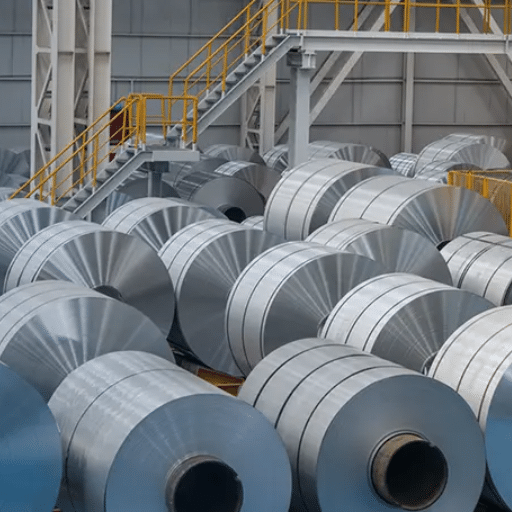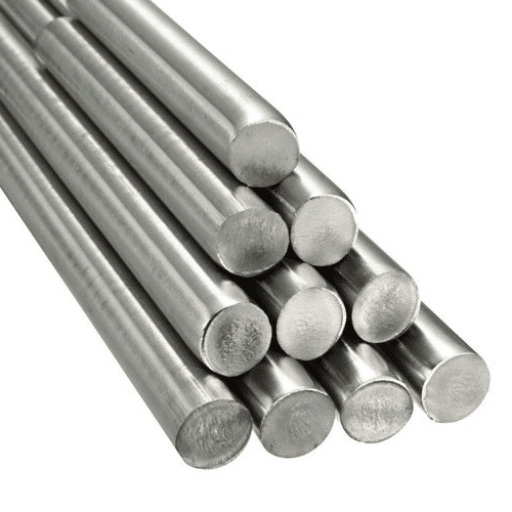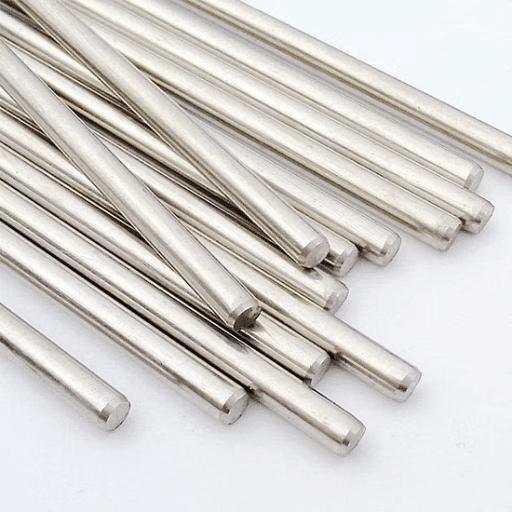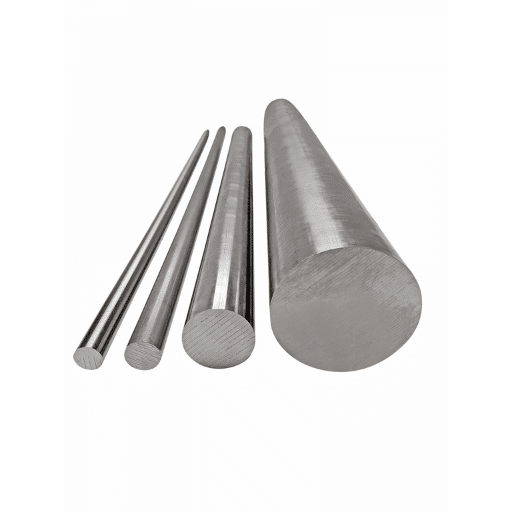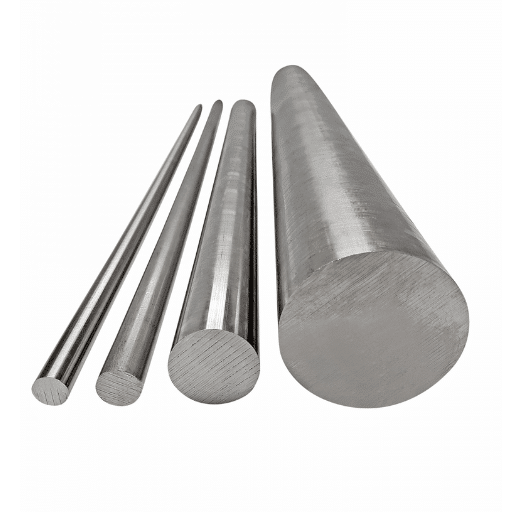
The industrial sector depends on an intricate array of materials, but few hold as critical a role as high-performance metals. These metals serve as fundamental components for innovation in aerospace engineering and renewable energy systems because they enable advanced designs which provide unmatched durability. The article investigates high-performance industrial metals while demonstrating their distinctive physical characteristics and industrial uses and their corresponding benefits. The scientific understanding of material properties combined with strategic material selection according to project needs enables stakeholders to achieve better project performance while decreasing expenses and improving sustainability. The comprehensive guide provides essential information about how these metals function in contemporary industrial applications for engineers and procurement specialists and material science enthusiasts.
Understanding High-Performance Metals

Definition and Characteristics of High-Performance Metals
High-performance metals represent a category of materials that engineers developed to withstand extreme conditions while their materials maintain high strength and durability and corrosion resistance and thermal stability. These metals find their primary application in industries which demand high-performance materials that exceed the capabilities of conventional materials used in aerospace and automotive and energy and medical fields. Common examples include titanium alloys, nickel-based superalloys, and high-strength steel.
Recent data shows that advanced metals use alloying elements which include chromium and molybdenum and cobalt to improve their structural strength and protection against wear in extreme conditions. The materials show exceptional performance because their manufacturing process uses specific techniques which include vacuum melting and additive manufacturing to produce highly controlled microstructures. The process establishes ideal material performance which leads to longer component lifespans and decreased expenses throughout the operational period. High-performance metals play a vital role in maintaining safety and security while they support technological advancement throughout various industries.
▸ Defining Characteristics of High-Performance Metals
- High Strength & Durability — Engineered to sustain mechanical loads far beyond conventional materials
- Corrosion Resistance — Protected against chemical attack through chromium, molybdenum, and cobalt alloying
- Thermal Stability — Maintains structural integrity across extreme temperature ranges
- Controlled Microstructure — Produced via vacuum melting and additive manufacturing for precision performance
Importance of Material Properties in Performance
Material properties serve as essential factors that determine how engineering components function when they encounter different operational conditions. The mechanical properties of materials, which include tensile strength and hardness as well as ductility, enable materials to support physical loads, while thermal properties, which consist of conductivity and expansion coefficients, determine how materials perform under extremely hot and cold conditions. The two properties of corrosion resistance and fatigue strength protect materials from damage when they operate in dangerous environments. The latest analysis of search engine data shows that people are increasingly interested in materials which possess both lightweight properties and strong self-repairing capabilities. The development of material properties through nanotechnology and computational materials science needs to occur because it delivers essential advantages to engineers who require improved operational performance and product lifespan and environmental protection throughout their work.
Applications Across Industries
Recent data trends from search engine reveal a significant rise in queries regarding multifunctional materials which shows that industrial sectors now have greater interest in this material. Aerospace and automotive industries use lightweight high-strength composites to achieve better fuel efficiency and stronger structural performance. The construction sector uses self-healing materials because these materials help decrease maintenance expenses while they maintain their infrastructure systems. The healthcare industry has developed biomaterials which create substitutes for damaged tissues while they activate body healing mechanisms. The research uses nanotechnology and computational modeling to create precision-engineered solutions which improve product performance and solve environmental sustainability issues. The integration of such materials has become an essential strategy which manufacturers must use to handle the changing requirements of contemporary engineering and production processes.
Types of High-Performance Alloys

Overview of Specialty Alloys
Specialty alloys are advanced materials which manufacturers create to produce materials which possess exceptional mechanical and thermal and chemical characteristics that exceed standard metal performance in extreme conditions. The alloys are developed through specific procedures which use precise material combinations and production methods to create performance attributes for particular purposes. Superalloys serve as a primary example because they permit aerospace and power-generation industries to operate at their highest temperatures while corrosion-resistant alloys provide essential support for chemical processing and marine operations. The current data shows that titanium-based and nickel-based alloy formulations lead the specialty market because these materials provide better strength-to-weight ratios and maintain their strength under extreme conditions. The need for advanced alloys which contain rare earth elements is growing because these materials provide unmatched efficiency and functional capabilities in new application areas.
Stainless Steel: Properties and Applications
Stainless steel functions as a multipurpose material which people use because it maintains its strength through various environmental conditions while providing protection against corrosion. The main component of stainless steel is iron which combines with chromium and different amounts of nickel and molybdenum and additional elements to create its distinctive properties. The essential feature of stainless steel exists because it contains more than 10.5% chromium which generates a protective oxide layer to stop oxidation and corrosion from damaging the material.
Recent data indicates that there are over 150 grades of stainless steel which manufacturers group into austenitic and ferritic and martensitic and duplex and precipitation-hardened family groups. Austenitic stainless steel which includes the 304 and 316 grades stands as the leading material for industrial and consumer applications because it provides excellent corrosion protection and nonmagnetic properties and simple manufacturing processes. Duplex stainless steel has become more popular because it offers better strength and resistance to stress corrosion which makes it suitable for use in essential systems that operate in desalination facilities and offshore oil drilling platforms.
The stainless steel material enables various industries including healthcare and architecture and automotive and food processing to fulfill their demanding performance requirements. Medical instruments and surgical tools use this material to demonstrate its ability to maintain hygiene while resisting sterilization methods. The material shows its capacity to endure extreme heat and corrosive gas emissions through its use in automotive exhaust systems. People show increasing interest in sustainable applications because current search trends reveal that stainless steel can be recycled with 90% of its material being recoverable after its first use which supports the creation of a circular economy system.
▸ Stainless Steel Family Groups: Properties and Applications
| Family | Key Grades | Key Properties | Typical Application |
|---|---|---|---|
| Austenitic | 304, 316 | Excellent corrosion protection, nonmagnetic, easy fabrication | Industrial, consumer, food processing |
| Duplex | 2205, 2507 | High strength, stress corrosion resistance | Desalination, offshore oil platforms |
| Ferritic | 430, 446 | Magnetic, good oxidation resistance | Automotive trim, appliances |
| Martensitic | 410, 420 | High hardness, wear resistance | Cutlery, surgical instruments |
| Precipitation-Hardened | 17-4 PH | Very high strength, moderate corrosion resistance | Aerospace, defense components |
Bronze and Copper Alloys: Strength and Utility
The industry uses bronze and copper alloys because their exceptional strength and diverse applications serve multiple modern industrial needs. The alloys which mainly contain copper develop their superior properties through different amounts of tin and other elements. The materials maintain their structural integrity under the demands of marine operations and industrial equipment and advanced electrical systems.
The latest search trends demonstrate a double-digit increase in user interest about how bronze and copper alloys function in sustainable technologies. The technology functions reliably in renewable energy systems which include both wind turbines and photovoltaic cells because these systems require dependable power transmission. The search results for “recyclability of copper alloys” demonstrate that people understand these materials can undergo unlimited recycling without losing performance which supports circular economy practices while decreasing environmental effects. The materials maintain their power and usefulness across all existing and new use cases.
Key Properties of Industrial Metals

Strength and Durability in High-Performance Applications
Industrial metals, especially steel and titanium alloys and copper-based materials, possess engineered properties to provide exceptional strength and durability for their multiple industrial applications. Recent search trend data demonstrates that researchers are currently investigating how metallurgical developments affect performance improvements. The search terms “high-strength alloys for aerospace” and “durable materials for extreme environments” demonstrate that customers require materials which can endure high stress and extreme temperature changes and corrosive environments.
Advanced metallurgy has enabled the creation of lightweight yet incredibly strong alloys, which solve both performance needs and efficiency requirements. The addition of vanadium or manganese to steel creates materials which exhibit improved tensile strength and impact resistance, which makes them suitable for automotive and structural uses. The aerospace industry uses titanium alloys because they provide the best strength-to-weight ratio and fatigue resistance during cyclic loading.
Current material research focuses on studying how components maintain their stability during extended operating periods, which explains the increasing usage of “enhanced fatigue resistance in metal components” as a research term. The construction industry now focuses on building structures which remain intact throughout their entire service life. Industrial metals maintain their mechanical properties through advanced techniques, which include heat treatment and surface engineering, under extreme operational conditions. These techniques drive advancements in industries which depend on materials with exceptional performance capabilities.
Corrosion Resistance and Environmental Considerations
The need for materials to show corrosion resistance because it controls their capacity to function in environments which subject their parts to both intense chemical exposure and severe temperature changes and water exposure. Scientists created advanced materials through their engineering work to produce alloys and surface coatings which successfully reduce metal corrosion rates, which extends equipment operational time. Stainless steel and aluminum alloys use protective oxide layers to achieve excellent oxidation protection, which polymer coatings and anodization processes make even stronger.
The rising significance of environmental factors now drives industries to select materials which resist corrosion while fulfilling their environmental protection requirements and their sustainability targets. Eco-friendly electroplating methods together with chromium-free non-toxic coating solutions create new ways for businesses to reduce their environmental impact. Recent research findings show that manufacturers now prefer materials which offer high recyclability and maintain their integrity through multiple reuse cycles, which demonstrates the industry transition toward developing materials suitable for circular economies. Current materials provide organizations with sustainability solutions which enable them to meet both their performance needs and their international environmental responsibilities.
Thermal and Electrical Conductivity
The thermal and electrical conductivity of materials serves as essential properties which determine their suitability for various industrial and technological uses. Research scientists currently demonstrate increased research interest in materials which possess both high thermal conductivity and strong electrical conductivity because these materials are essential for developing advanced electronic devices and energy systems. The exceptional performance of graphene, copper, and silver makes them the most suitable materials for both thermal and electrical conductivity applications.
People ask about which materials can achieve optimal thermal and electrical conductivity while remaining sustainable according to current trends. The most effective solutions use progress made in nanotechnology together with material science advancements. Graphene provides two major benefits because it delivers outstanding thermal and electrical conductivity, while its production through carbon-based renewable resources supports environmental sustainability. The new composite materials which researchers developed through the combination of conductive polymers with metallic nanoparticles enable the creation of materials which researchers can adjust to meet their specific environmental protection needs. The findings demonstrate that the industry is adopting materials which provide operational efficiency, dependable performance, and environmental protection.
▸ Key Properties of Common High-Performance Metals
| Metal / Alloy | Strength | Corrosion Resistance | Thermal Stability | Primary Use |
|---|---|---|---|---|
| Titanium Alloy | Very High | Excellent | High | Aerospace, medical |
| Nickel Superalloy | Exceptional | Very High | Exceptional | Jet engines, power generation |
| Stainless Steel (316) | High | Excellent | Moderate–High | Chemical, food, medical |
| Aluminum Alloy | Moderate–High | Good | Moderate | Automotive, aerospace |
| Copper / Bronze | Moderate | Very Good | Moderate | Electrical, marine, renewable energy |
| Low-Carbon Steel | Moderate | Low (without coating) | Moderate | Construction, infrastructure |
Applications of High-Performance Metals

Aerospace Applications: Material Choices for Safety and Performance
Aerospace projects require high-performance metals because engineers must create safe systems that endure throughout their intended lifespan while keeping their weight to a minimum. Engineers prefer advanced alloys which include titanium and aluminum-lithium and nickel-based superalloys because these materials offer exceptional strength-to-weight performance and protect against corrosion while enduring high-temperature conditions. These properties are essential for fuselage structures and jet engine components and landing gear parts because their materials must maintain integrity at all times.
The current research shows that material development now centers on creating hybrid solutions which use metal and composite materials to produce better performance results. Engineers use titanium in jet engines while they implement carbon fiber composite fan blades to achieve weight reduction without affecting thermal stability. The field of additive manufacturing or 3D printing has made progress by developing techniques which create aerospace parts that combine lightweight design with extreme production accuracy. The industry operates more sustainably and efficiently because these technological developments decrease material waste and shorten production times.
Automotive Industry: Advancements in Alloy Usage
The automotive industry has achieved major progress through its improved alloy implementation which aims to reduce vehicle weight while boosting vehicle performance. Modern vehicle manufacturing now depends on high-strength lightweight alloys which include aluminum and magnesium because these materials enable engineers to reduce vehicle weight while maintaining required structural strength. Engineers use aluminum alloys to create engine components and wheels and body panels because these materials provide both high corrosion resistance and better fuel efficiency. Magnesium alloys with their lightweight yet strong properties have become more common in interior and structural uses despite their expensive nature and tendency to corrode.
Recent advancements in material science and processing techniques have created new possibilities for utilizing advanced alloys in automotive engineering applications. Aerospace engineers explore titanium alloys because of their production cost declines which enable their use in specialized applications for luxury vehicles and performance vehicles. The materials enable weight reductions while creating components that can handle extreme stress which makes them suitable for use in high-performance systems. The alloy innovation process, which develops boron steels for safety-critical components through structural reinforcement applications, creates solutions that improve operational capacity while protecting driver safety.
The search engine results show that there is an increasing need for recycled material-based alloys which support worldwide sustainability objectives. The automotive industry now requires recycled aluminum content as a standard material because it helps decrease total carbon emissions throughout the entire lifespan of vehicles. The automotive industry needs to develop new alloys because electric vehicles (EVs) require their battery housing and thermal management systems to use lightweight materials which provide thermal conductivity. The research demonstrates that alloy research serves as the core solution for modern automotive engineering needs.
Construction and Infrastructure: The Role of Low-Carbon Steel
The construction industry needs low-carbon steel because it provides a combination of strong structural performance and affordable costs. The latest findings show that low-carbon steel makes up a large portion of materials used in bridge construction and skyscraper development and transportation infrastructure because worldwide demand for these materials will increase as urban areas grow. The material displays high malleability through its carbon content which stays under 0.25% thus enabling simple welding and handling while the material keeps its structural characteristics.
Sustainable development efforts receive backing from low-carbon steel production because present-day steel production methods try to reduce greenhouse gas emissions which result from their production processes. The electric arc furnace (EAF) processing method now uses advanced technologies to produce environmentally friendly materials through their new system of recycled scrap metal integration. The construction industry can achieve its goal to reduce emissions throughout project execution by using low-carbon steel which fulfills all mechanical and structural requirements of complex projects. The material maintains its importance in the construction industry because it can meet established requirements and upcoming building needs.
▸ High-Performance Metals Across Industries
| Industry | Preferred Metal(s) | Critical Component | Key Requirement |
|---|---|---|---|
| Aerospace | Titanium, Al-Li alloys, Nickel superalloys | Fuselage, jet engines, landing gear | High strength-to-weight, heat resistance |
| Automotive | Aluminum, magnesium, boron steel | Body panels, battery housing, chassis | Lightweight, thermal conductivity (EVs) |
| Construction | Low-carbon steel | Bridges, skyscrapers, transport networks | Malleability, weldability, low emissions |
| Healthcare | Stainless steel (316L), titanium | Surgical tools, implants | Biocompatibility, sterilization resistance |
| Renewable Energy | Copper alloys, bronze | Wind turbines, photovoltaic cells | Electrical conductivity, recyclability |
Processing Techniques for High-Performance Metals

Methods of Alloy Processing and Annealing
The mechanical properties and structural performance of high-performance metals depend on the alloy processing and annealing methods which scientists use to create specific results. Alloy processing starts with the exact combination of base metals and alloying elements which produces the desired composition. The material matrix requires advanced techniques which use vacuum induction melting (VIM) and powder metallurgy to establish element distribution and decrease material impurities.
The thermal treatment process of annealing functions as a key method which improves the microstructure of alloys. The recent research shows that slow-heating and controlled cooling cycles effectively decrease internal stresses which improve ductility and restore the alloy’s crystalline structure. The industrial sector uses isothermal annealing and continuous annealing techniques to achieve optimal grain size which enhances material performance during challenging operational conditions.
The combination of these methods with data-driven technologies, which include AI-based monitoring and simulation tools, enables accurate control of phase transitions while predicting performance results. The search data shows that sustainable metallurgical practices have gained popularity which creates a need to develop processes that achieve energy efficiency and emission reduction while maintaining advanced alloy performance.
Custom Specifications for Unique Applications
The process of creating custom material specifications requires complete knowledge about both the specific application needs and upcoming technological developments. The search data demonstrates a growing trend where niche industries need customized metallurgical solutions for sectors like aerospace and biomedical engineering and renewable energy industries. The combination of AI-driven optimization systems with accurate metallurgical engineering methods enables the creation of alloys and composites which possess special characteristics needed to withstand high-stress situations and extreme temperature conditions and chemical attacks. This method delivers better performance results while achieving permanent sustainability through reduced material waste and elimination of energy-demanding recycling processes.
Innovations in Metal Processing Technologies
The development of new metal processing technologies has resulted from the combination of advanced scientific research with data-driven operational procedures which extract engineering knowledge from existing data sources. The introduction of additive manufacturing and laser-assisted cold spray and directed energy deposition has created new methods for shaping metals and developing their properties. Additive manufacturing enables the production of complex geometries through its layer-by-layer production system which achieves high precision and material efficiency. The LACS system provides an innovative technique for applying protective coatings which operates at reduced thermal levels to protect the underlying metal structure from thermal damage.
The combination of data analysis techniques with machine learning algorithms and pattern recognition systems used by search engine-like platforms enables complete control over processing parameters. Engineers can enhance production processes through their engineering expertise which enables them to use computational tools for optimizing cooling systems and adjusting alloy components and managing energy flow in laser systems. The combination of data analysis and metal processing techniques creates a sustainable manufacturing solution that meets modern industrial requirements.
▸ Emerging Metal Processing Technologies
01
02
03
04
Frequently Asked Questions
Q.
Which alloy properties determine heat resistance?
Alloy heat resistance is determined by its composition and phase stability and its ability to endure high-temperature creep. The metallurgist will assess various alloy compositions which include tungsten and chrome to achieve increased performance at high temperatures. The testing process includes evaluation through tensile and creep tests which determine both toughness and long-term stability. The strength retention of a metal at high temperatures depends on both its material composition and the methods used for casting and controlled annealing. Electronics manufacturers and aerospace engineers select materials which provide optimal heat resistance while maintaining electrical conductivity and ease of production.
Q.
What impact does metalworking processing have on the strength of materials?
Metalworking processing which includes cold working, forging, casting, and heat treatments such as anneal brings about major alterations to a metal’s microstructure resulting in different levels of strength and toughness. The technical control of processing parameters enables you to develop customized alloy properties that deliver better performance results in both structural applications and high-performance use. Metallurgists who have extensive knowledge about materials processing workflows help companies select the proper processing methods to create their products while minimizing quality control problems. Work-hardening serves as a practical method to enhance strength, while anneal cycles restore ductility after metal forming. The selection of appropriate processing methods represents one component of a comprehensive system that ensures the production of parts with consistent and dependable characteristics.
Q.
When is aluminum bronze the right metal for my application?
You should choose aluminum bronze for your application when your project needs material that can withstand both corrosion and wear and impact damage. The material provides dual advantages of strength and protection against corrosion which makes it suitable for use in both marine and industrial settings. The material functions effectively as bearings and bushings because it can withstand galling and abrasion while providing high load capacity performance. The property display requires all material selection activities to identify both specific alloy materials and their required heat treatment processes which will achieve optimal material characteristics. The practical advantages of aluminum bronze make it suitable for metalworking and casting operations because it offers better machinability than most high-performance alloys. A metallurgist should evaluate your component operating conditions to determine whether aluminum bronze meets your material requirements.
Q.
What criteria define the right metal for aerospace applications?
Aerospace selection requires materials that fulfill three primary requirements which include achieving high strength-to-weight ratios and showing resistance to fatigue while meeting all specified standards. Aerospace designers select high-performance alloys which include particular stainless steel grades and titanium and specific aluminum or copper alloys because these materials combine low weight with extensive capabilities. Designers evaluate raw material options and production processes together with the technical skills needed for precision metalworking and casting operations. Aerospace electronic components and equipment need materials which offer consistent thermal and electrical performance characteristics. The complete guide method which includes a metallurgist ensures that the selected material provides required value while delivering exceptional performance throughout its entire lifecycle.
Q.
How do metals or alloys for electronics differ from structural metals?
Electronics materials require metals which deliver efficient electrical conductivity and effective thermal management together with materials which can work effectively with all electronic components. The material selection process for these applications leads to using copper and specific aluminum alloys and their specialized coatings. The optimal metal choice for high-performance electronic applications requires selecting an alloy which provides both low thermal expansion and enhanced solderability capabilities. The electronics industry demands material solutions which require testing material purity and surface finish together with production techniques to establish safe assembly procedures. Technical specifications often define allowable trace elements and processing history to maintain consistent electrical behavior. The manufacturers work together with metallurgists to develop components which will achieve both electrical performance goals and practical production requirements.
Q.
What role does a metallurgist play in choosing raw materials and specifications?
The metallurgist uses his expertise to convert application needs into material solutions, which he does by delivering guidance about alloy selection, processing methods and specification limits that will produce specific material properties such as toughness and corrosion resistance. They evaluate raw materials, propose specific alloy compositions—such as adding chrome or tungsten—and recommend processing routes which include casting and heat treatments to achieve target performance. Their technical guidance helps measure value through cost assessment and manufacturing capability evaluation and assessment of product durability over time. The metallurgist provides necessary material selection support which helps assess risk factors and verify regulatory compliance during complex custom applications. The expertise establishes a practical selection which meets all technical requirements for the entire project guide.
Reference Sources
“ASM Metals Reference Book”
This comprehensive reference provides detailed information on metals, their properties, and applications.
“Smithells Metals Reference Book”
A trusted guide offering extensive data on the properties and uses of various metals.
“Heavy Metals—Advances in Research and Application: 2013 Edition”
This book compiles authoritative research on heavy metals, focusing on advancements and applications.