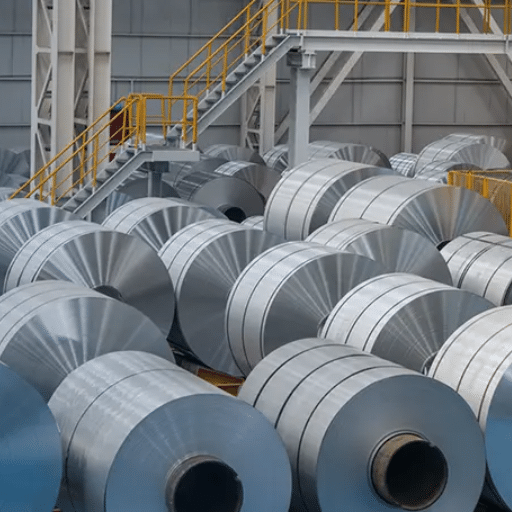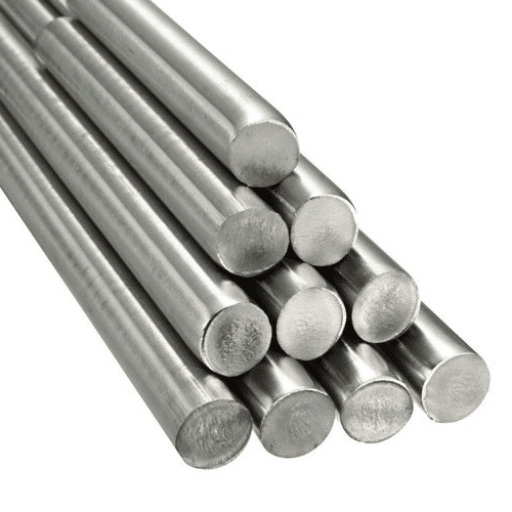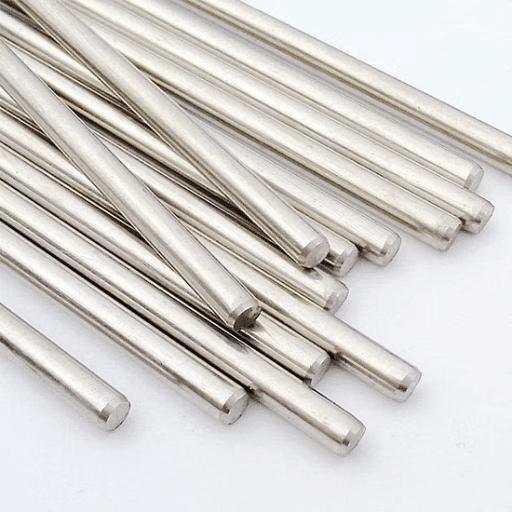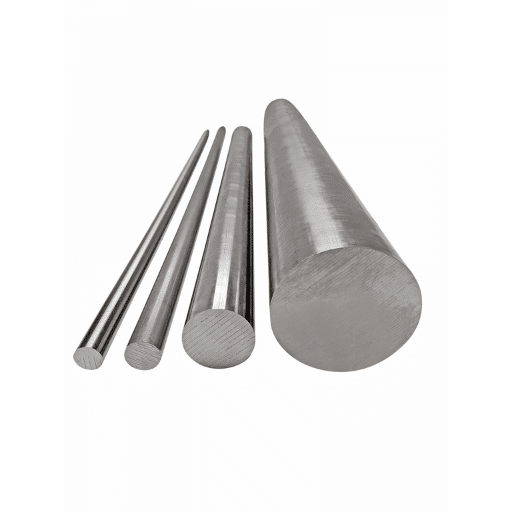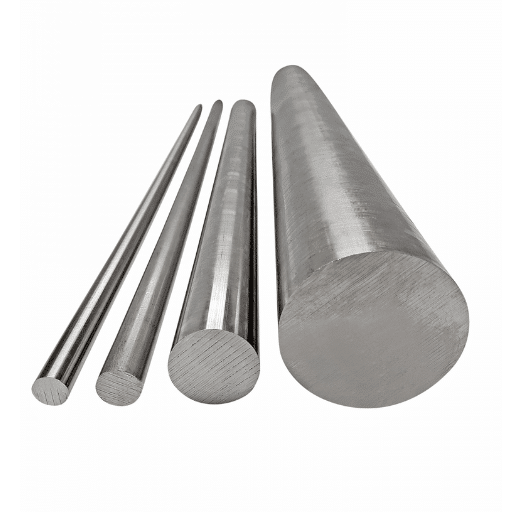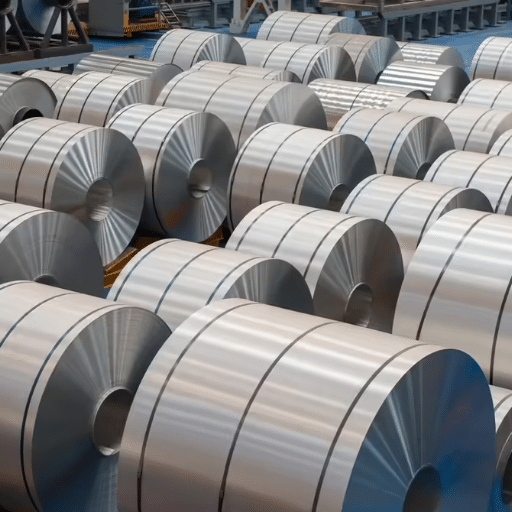
India, the producer of steel in the fourth position worldwide with respect to quantity, has established itself as a significant entity in the export market of steel globally. The entry of India into this rapidly changing industry has been made possible by its excellent resources, modern technology, and low prices. A detailed analysis of the Indian steel export dynamics with the growth factors, key markets, and the industry challenges in maintaining competitiveness as the guide is what this blog post offers. It is a great source of information on India’s role and influence in the global steel supply chain for makers of policies, industry experts, and even those who have just a passing interest in global steel trade.
Introduction to the Indian Steel Industry

Global Standing of Indian Steel
In terms of crude steel production, India is ranked second globally, a title that it has maintained for a long time owing to its large production capacity and the increasing demand in the domestic market. The most recent report of the World Steel Association indicates that India’s crude steel production in 2022 was around 124.7 million tons which is a continuous rise in production compared to the previous years.
🏭 Key Success Factors
- Development of strong infrastructure networks
- Government support through the National Steel Policy 2017
- Availability of raw materials (iron ore and coal)
- Exports directed to major areas: Europe, Middle East, and East Asia
The industry, despite the obstacles, is still a combatant and continuingly progresses by being eco-friendly and applying modern manufacturing technology to its operations, which includes competition with China, the cost of environmental compliance, and the fluctuating prices of commodities.
Overview of Steel Production in India
According to the latest report, India is predicted to produce about 125 million metric tons of steel in 2023. This figure makes India the second-largest steel producer in the world after China. The main consumers of steel in the country are construction and infrastructure projects, and the main factors driving the market are the investments in renewable energy and urbanization.
🎯 National Steel Policy 2017 Target
The government has set a target for the year 2030: to increase production capacity threefold to 300 million tons, thus assuring future growth.
♻️ Technological Progress & Sustainability
Technological progress, especially in the case of electric arc furnaces (EAF) and the digitalization of production processes, has led to the improvement of efficiency and reduction of environmental impacts. Moreover, the industry is not only concentrating on carbon neutrality through green hydrogen usage and recycling but also participating in global environmental initiatives.
These will not only help the world deal with environmental issues but also set the industry alongside the international ones.
The steel industry in India has a dominant role to play even though it is affected by such challenges as the imports of raw materials and fluctuating electricity rates. The Indian steel industry is still a giant in the global pipeline of steel and other products. The sector’s capacity to form strategic alliances between the public and the private sectors, together with its uninterrupted innovation, makes it superior to meet the demand coming from both domestic and international markets in the next decades.
Importance of Exporting in the Indian Steel Sector
Exporting is the backbone of the Indian steel sector’s annual growth and global outreach. India exported 6.7 million tons of finished steel in the fiscal year 2022-2023, data showing that India continues to be one of the largest suppliers of steel worldwide.
The country’s investment in advanced technology and meeting exigent global quality standards has allowed India to be recognized as a reliable supplier of high-grade steel which in turn ensures the long-term sustainability and growth of the steel industry. The effective utilization of exports would be a major factor for India in its aim of being the topmost producer of steel in the world.
Key Export Destinations and Growth Markets

Emerging Markets for Indian Steel Exports
The steel export scenario of India is widening and it is being marked by new markets that display a considerable rise in demand. As per the latest statistics from the Southeast Asian markets, like Vietnam, the Philippines, and Indonesia, the demand for Indian steel has increased significantly. This transpire mainly due to the industrialization and infrastructure development efforts the region is undergoing.
🌍 Emerging Market Opportunities
Southeast Asia
Key Countries: Vietnam, Philippines, Indonesia
Drivers: Industrialization and infrastructure development
Africa
Key Countries: Egypt, Kenya
Drivers: Construction, building materials, infrastructure growth projects
Latin America
Key Countries: Brazil, Mexico
Drivers: Good trade relations and economic diversification
Middle East
Key Countries: UAE, Saudi Arabia
Drivers: Large industrial and urban development projects
If India stays focused on these markets and on their particular requirements, then it can very well become one of the major players in the global steel export competition. To fully utilize the potential that lies in these areas, the trade policies and the strategy adopted by the industry will play a key role.
Trends in Steel Export Data
The latest steel export data trends along with the search engine insights point to a big change in global trade flows and demand. The Asian countries, particularly Vietnam and South Korea have turned into the largest importers and they have recorded the most considerable growth. This is mainly due to the upsurge in infrastructure and manufacturing activities. At the same time, Europe saw a decrease in steel imports owing to stricter sustainability regulations and emphasis on domestic production capabilities.
📊 Search Engine Analytics Insights
The search engine analytics have shown an increasing interest in topics like:
- “Sustainable steel production” – Environment-friendly options are becoming first choice
- “Low-carbon steel export” – Focus on reduced emissions
- “India steel export growth” – Increased involvement in the sector
Countries like Germany and Japan are looking for exporters who can comply with the strictest climate targets and they are therefore forming partnerships with such exporters.
From the analysis of these trends, it is very clear that the markets are changing very fast and the direction of interest is slowly turning towards the high-tech, sustainable and tailor-made steel solutions. Exporters meeting these demands will not only be successful in the traditional markets but will also gain the upper hand in the new areas that are pushed by innovation and sustainability.
Government Policies and Trade Agreements Impacting Exports

Recent Policies Affecting Steel Export from India
Manufacturing policies of government have played an important role in the Indian steel industry by reducing emissions and at the same time letting the consumer pay less for steel products. The most important of these measures was the addition of export duties on iron and steel intermediaries starting in May 2022 which main intent was to pull the prices down in the domestic markets to slowly and gradually edge off local demand.
📌 Key Insight: A conclusive examination of the entire picture presents India’s steel trade as heavily dependent on government actions and ongoing changes in the world trade area. The ever-changing balance between government interventions and market adaptation to demand indicates the complication of finding concurrence between domestic needs and export-led growth strategies.
Trade Agreements and Their Implications for Exporters
Trade agreements are the major givers of the characteristics of the export market by offering exporters the benefits of getting into the markets that have just opened up, lower trade barriers, and more certain regulations. For instance, free trade agreements (FTAs) and bilateral trade pacts can bring down tariffs sharply, improve customs clearance, and promote the development of commercial ties between countries that will be beneficial for both parties.
🤝 Example: India’s Trade Agreements
In the case of India, treaties like the Comprehensive Economic Partnership Agreement (CEPA) with countries such as Japan and South Korea have made it possible for the steel industry to enjoy export opportunities that are competitively positioned in these regions.
Critical Factors for Exporters:
- Origin of goods regulations
- Intellectual property rights
- Non-tariff measures
- Green subsidies and carbon border adjustment mechanisms
However, the recent changes, according to the data from the search and sectors, imply that the exporters need to be prepared for the negotiations and possibilities of their outcomes all the time. Additionally, the continuing discussions on green subsidies and carbon border adjustment mechanisms in the EU and other areas point out the need for the suppliers from India to be eco-friendly. Going along with these trends is not only a way to access the market, but it also makes the company’s long-term survival as the global standards are changing more likely.
Role of Elara Capital in Indian Steel Export
Elara Capital is a major player that provides full support to Indian exporters of steel and guides them to route their operations through the global market mostly in areas of changing regulations and economic environments. By using its capital markets and strategic advisory proficiency Elara Capital helps the steel manufacturing businesses in obtaining finance, improving production efficiency, and discovering of market opportunities for exports which are compatible with the international demand patterns.
📉 2023 Export Challenges
According to the latest facts, there was about a 30% cut down in the Indian steel exports in 2023 when compared to 2022 due to:
- Imposition of export duties
- Global demand for steel becoming lesser
Elara Capital’s Solution: Helping manufacturers by giving insights, diversifying to other markets, and ensuring compliance with mechanisms like the European Union’s Carbon Border Adjustment Mechanism (CBAM). This way, it keeps the Indian steel producers on the global market while contributing to the sustainable trading practices.
Challenges Faced by Indian Steel Exporters

Logistical Issues in Steel Export
The logistical problems that the Indian steel exporters are encountering are minimal but inflexible and disadvantageous to their global rivalry. The first and foremost problem is the insufficient infrastructure at the main ports, which causes congestion and delays in the loading and unloading of shipments.
⚠️ Major Logistical Challenges
Port Infrastructure
Indian ports handle an annual cargo of over 1.2 billion metric tons, but infrastructure development still lags behind the rising export volume, causing congestion and delays.
Transportation Networks
Inefficiencies in railway and road networks connecting production sites and ports cause increased transit times and costs.
Customs Clearance
Despite digital transformations, exporters still deal with red tape and inconsistent interpretation of regulations at different ports. A May 2023 study showed a noticeable rise in searches for “customs delays in Indian exports.”
✅ Recommended Solutions
- Advanced logistics planning implementation
- Digital tools for real-time tracking and regulatory compliance
- Construction of multimodal infrastructure
- Partnerships with international logistics companies
International Competition in the Steel Export Market
The international market for steel exports is undoubtedly a tough one, as it is always changing due to the global demand that shifts, differences in the cost of production, and trade policies that change. The most recent data show that countries like China, Japan, South Korea, and Germany are still the top players in the market because they have very large production capacities and very strong supply chain networks.
India still holds its position as the largest and most rapidly developing steel exporter in the world, with the government leading the way through strategic initiatives such as offering temporary incentives for production and changing tariffs to neutralize the effects of global protectionism. Moreover, the increase of the queries in search engine data regarding cost-efficient and green steel production suggests that both consumers and industries are becoming more discriminating and are taking heed of the green steel options. This trend signifies an international competition that could rotate, in which the market leader will be determined by the use of low-carbon technologies and adherence to the toughest environmental standards. For Indian exporters to not only retain but also to grow their share in the global market, the adoption of new technologies for emissions reduction and synchronisation of the supply chains with the global sustainability standards will be the paramount strategies.
Quality Standards and Compliance Challenges
Quality standards and compliance requirements pose a challenge that needs to be approached from multiple angles when the industries that want to get into the global markets are considered, particularly when those markets are located in the areas where the regulations are very strict. The increase in the international searches for phrases such as “ISO certification requirements” and “sustainable export standards” is pointing out the fact that the world is increasingly demanding and prioritizing transparent and sustainable practices.
📋 Required Certifications
- ISO 14001: Environmental management systems
- ISO 45001: Occupational health and safety
- EU CBAM: Carbon Border Adjustment Mechanism compliance
- Third-party verification of GHG accounting
The most difficult thing for manufacturers, particularly in developing countries, is to acquire the highly valued certifications which quite often necessitate huge amounts of money to be spent on the modernization of the operating systems and the meticulous monitoring of the traceability in the supply chains. Besides, the difficulties of compliance are made more complicated by the different geopolitical regulations, like the European Union’s Carbon Border Adjustment Mechanism (CBAM), for instance, which says that only imports that are compliant with the EU-level carbon pricing mechanisms can enter the EU. For the Indian exporters, compliance means that they have to not only accept but also put into action and keep track of the GHG accounting. Further, they need to make sure that the verifications are done by independent third parties so that they are not driven out of the market or subjected to tariffs. Thus, total compliance is not only an operational change but a more-than-ever strategic necessity to be able to compete with players in a global trade environment that is quickly changing.
Future Outlook for Steel Exports from India

Predictions for Steel Exports in 2025 and 2026
The evolution of global trade in steel and regulatory measures will affect India’s steel exports in 2025 and 2026 positively and negatively at the same time. The international steel demand will have on top of that increase being mainly for new infrastructure in developing countries and a growing switch to renewable energy requiring steel-based parts that are also becoming more complex.
📈 World Steel Association Outlook
The demand for steel in the world will grow in the range of 1-2% every year on average over the next few years, which will be good for exporters.
Nonetheless, the Indian green steel producers’ companies have to face the toughest environmental regulations and trade limitations, the EU’s Carbon Border Adjustment Mechanism being one of them, with it the European Union taxes the imported steel based on its CO2 emission during production. The net effect of the domestic industry being in the midst of changing technologies that cut down on carbon could make the footprints of these regulations quite hard for exporters to bear. On top of that, the developments in geopolitics, including the realignment of trade partnerships and volatile foreign exchange rates, would have the power to market access and the general competitiveness of the players.
🎯 Critical Success Factor: The year 2025 and 2026 will witness Indian producers relying heavily on green steel production methods that are, besides being environmentally friendly, also GHG (greenhouse gas) emissions compliant, cutting-edge, and globally recognized. The market share of these high-value producers will increase significantly while the other producers who remain behind in the journey would be either facing lesser profit margins or simply getting excluded from the top import destinations.
Innovations and Opportunities in the Export Market
India’s steel industry is at a very important turning point where it can really boost its global competitiveness by using new technologies and getting into new markets. A recent study has found that the use of hydrogen in the future to directly reduce the steel industry’s need for coal would bring about a dramatic emission reduction reflecting international sustainability goals such as the Paris Agreement. Besides that, the adopting of supply chain management through digitization by the use of artificial intelligence and blockchain offers not only traceability and operational efficiency but also satisfying the demand for accountability that is rising in global trade.
🚀 Emerging Technologies & Opportunities
Hydrogen Direct Reduction
Dramatic emission reduction, aligning with Paris Agreement goals
AI & Blockchain Integration
Enhanced traceability, operational efficiency, and accountability
Renewable Energy Infrastructure
Growing demand for wind turbine components and photovoltaic supports
Market research indicates the future markets for Indian steel exports are Southeast Asia and Africa. These areas are growing in terms of their infrastructure sectors, which require a large quantity of steel that is of good quality and is competitively priced. For example, it has been found that there has been a marked rise in the search trends related to the products that are made of steel used in renewable energy infrastructure, such as wind turbine components, and photovoltaic supports. The present demand signifies that it is necessary to place export offerings well that they touch the area of the market where the demand is coming from so that they can take advantage of the changing needs. By pairing the innovation-led production with the market strategies targeted, India could be able to secure its status as a top steel exporter by the coming decades.
Strategic Recommendations for Steel Exporters
💡 Five Strategic Pillars for Success
1. Focus on Green Steel Production
Due to the fact that sustainability is becoming a major global concern, the steel exporters have to do green steel production, which is the steel with the lowest carbon footprints, first on their list of priorities. Through the use of renewable energy and the adoption of technology such as hydrogen-based direct reduction, manufacturers would be in line with the international standards for the environmentally-friendly production process.
Market Signal: The change in the popularity of the term “green steel production” in searches is telling of the great market demand and consumer awareness about the subject.
2. Expand into High-Growth Markets
The regions perhaps quite the opposite Southeast Asia, Africa, and Latin America, as per search data, also show significant interest in the keywords “steel for renewable energy,” and “steel in infrastructure projects.”
The strategy: These markets can be best managed by supplying products that fully satisfy their requirements, such as strong steel for infrastructure projects or long-lasting alloys for renewable energy sectors, which can be a source of considerable growth opportunities.
3. Adopt Digital Supply Chain Solutions
Hassle-free and transparent logistics are very much preferred by the global buyers which is reflected by the significant increase in the search for digital supply chain management.
Implementation: Exporters of steel should rely on digital supply chains powered by advanced technologies such as blockchain for traceability and AI for inventory management as this would not only help them in optimizing but also in winning customer trust.
4. Invest in Research and Development (R&D)
The phrases “new steel alloys” and “strong yet light steel” are becoming increasingly popular in searches, which is a sign of an increasing requirement for products that are specific.
Chance: Funds spent on R&D will empower not only the exporters to develop new products that are in line with the market requirements but also to control the premium market segments of the automotive, aerospace, and ships sectors.
5. Strengthen Trade Partnerships and Incentives
The search analytics show that the terms “steel trade agreements” and “export incentives for manufacturers” are becoming more and more popular.
Action Required: Exporters must take the initiative to negotiate with international trade associations and government entities for trade agreements with benefits and financial incentives, thus getting a good price and access to markets.
Steel exporters who focus on the customer and the market will benefit from data-driven insights that help them to grow, innovate, and be globally competitive in an ever-changing environment through the alignment of these strategic initiatives with the recent search data and market trends.
Frequently Asked Questions (FAQs)
❓ Common Questions About Indian Steel Exports
Q1: What HS code should exporters apply for when exporting iron and steel or galvanized steel from India?
Exporters should use the appropriate HS code for each shipment of iron and steel products which will ensure smooth customs clearance and accurate export data reporting. HS codes for iron and steel cover subcategories for hot-rolled coils (hrc), galvanized steel, steel sheets and various finished steel exports, and the correct classification affects duties and compliance with international trade rules.
💡 Pro Tip: Furthermore, using precise HS codes gives access to markets for steel for exporters since it is easy to match product categories with buyer requirements and dispute with importers is reduced as they have come to an agreement. Data providers and customs brokers are the ones that usually help exporters map product description to the correct codes in order not to have a delay. Accurate HS code usage is required to support the reliable statistics of steel export, which in turn is used for market strategies and regulatory monitoring.
Q2: What markets will be the most attractive for the sales of steel to exporters and suppliers from India in 2024 and 2025?
The Middle East, Southeast Asia, and parts of Africa are the main markets for Indian steel exporters in 2024, while the demand from the European Union and the United Arab Emirates could increase in 2025 with the infrastructures and manufacturing sectors recovering.
📊 Key Determinants:
- Tariff regimes and import duties
- Proximity and logistical costs
- Presence of importers requiring coil, hot-rolled coils, or galvanized steel
- Trade agreements and carbon-related regimes like CBAM
Indian exporters and suppliers will be able to conquer market shares not only in the newly developed but also in the already established steel markets thanks to their competitive prices and huge steel production capability.
Q3: How can the export of Indian steel be increased and how can they compete with the world’s biggest exporter?
Indian steel exporters can increase the export volume by investing in capacity, quality control and diversification of products in finished steel exports and long products. To be able to compete with the world’s largest exporter, the Indian steel industry has to make Supply chain integration stronger, Logistics improvement, and Targeted marketing to importers and trade partners.
✅ Competitive Advantages:
- Certification and quality consistency of coil
- Galvanized steel finishing quality
- Monitoring global trade data and import-export data
- Collaboration between steel companies and government support for export promotion
Q4: What export data indicators should stakeholders track to understand India’s steel export market and top supplier trends?
To get a clear understanding of India’s steel export market and suppliers, export data indicators of monthly and yearly export volumes in million metric tons, values by destination, HS code-level shipments, and trends in finished steel exports and hot-rolled coils should be monitored.
📈 Monitoring Steps:
- Monitor export market share
- List the top exporting countries
- Track shifts in steel prices to identify new top suppliers
- Monitor bilateral trade flows with EU and Middle East
- Track domestic steel production and India’s steel imports for supply-demand dynamics
It is critical to partner with trustworthy global trade data providers and customs records for evidence-based market research and strategic planning.
Q5: What compliance and documentation must an exporter and supplier of steel from India provide for international trade in 2024 and beyond?
Exporters and suppliers must issue commercial invoices, packing lists, bills of lading, certificates of origin, and product-specific papers, such as mill test certificates, to prove the quality and safety of their iron and steel products. Compliance also means that the HS code must be declared accurately, the destination country’s import regulations must be followed, and the quality standards for products like galvanized steel and hot-rolled coils must be met.
⚠️ 2024-2025 Requirements:
- Carbon reporting compliance
- Carbon border adjustment mechanism adherence
- Additional certification needed by large importers
- Export import data reporting
- Customs clearances and potential export licenses
- Restrictions on certain steel product categories
Note: Good documentation practices preserve the flow of the international trade process by reducing the time and risks involved with importers.
Reference Sources
-
Green Transformation in the Iron and Steel Industry in India: Rethinking Patterns of Innovation
ScienceDirect
This paper explores the green transformation of India’s steel industry, focusing on innovation patterns and the role of major steel firms and government actors. -
The Iron and Steel Industry in India
JSTOR
This article examines the historical development of India’s iron and steel industry, including its role as both an exporter and importer of steel. -
The Development of the Iron and Steel Industry in India
JSTOR
This study provides insights into the growth of India’s steel industry, highlighting its production capabilities and export dynamics during significant historical periods.