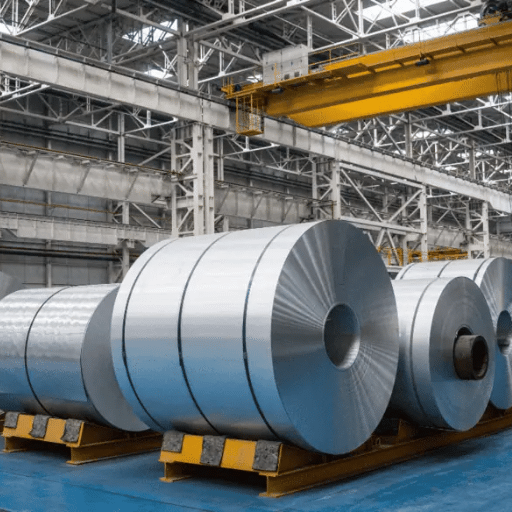
The worldwide steel export business of 2026 will operate within a trading environment that experiences constant changes because of evolving political relationships between countries and new technological developments and rising economic patterns. Steel serves as a fundamental material which supports infrastructure development and construction activities and manufacturing processes in all countries, thus making it essential for international trading. The article will examine 2026 steel export patterns through its analysis of supply chain interruptions and regulatory changes and environmental protection laws. The research will show how producers and exporters together with policymakers need to develop strategies which will help them compete successfully in the modern interconnected global marketplace. The industry stakeholders can use the understanding of these essential forces to create plans which will enable them to succeed in the fast-evolving business environment.
Current Trends in Steel Export

Overview of Global Steel Demand
The global steel industry has faced major demand changes because of three main factors which include worldwide economic conditions and regional industrial development and military conflicts. The latest research indicates that worldwide finished steel demand will increase at a rate of 3% per year which will result in moderate growth during 2026. The market segment expands because developing economies need essential resources to build their infrastructure and urban areas which they are constructing in their Asian and African territories. The developed world will continue its existing consumption patterns while adopting sustainable methods which will enable recycling initiatives.
Market Growth Projection:
2026 CAGR: 3% projected growth in global finished steel demand, driven primarily by emerging economies in Asia and Africa pursuing infrastructure development and urbanization initiatives.
The steel industry will implement decarbonization efforts which will create new demand patterns that require manufacturers to adopt energy-efficient technologies and sustainable steel manufacturing methods. Protectionist trade regulations together with regional supply chain management practices currently determine global demand patterns while cross-border trade requests for vital materials such as iron ore and scrap metal continue to rise. Market participants need to monitor these industry changes because they will enable development of production and export strategies which will fulfill evolving international market demands. Businesses need to execute this strategic adjustment because it will help them maintain their market position while facing economic and environmental challenges during the year 2026 and subsequent years.
Regional Analysis of Steel Export Volumes
Recent data combined with search trends shows different regional patterns which affect steel export demand and associated trade activities. The increased demand for “steel import regulations” and “bulk steel suppliers” search terms originates from the infrastructure development projects which South Asia and the Middle East currently implement. European search activity has increased for terms such as “sustainable steel production” and “low-emission steel exporters” which show the continents commitment to achieving environmental sustainability through its strict policy framework. Exporters require this data because they need to develop strategies that match both current trade volumes and upcoming regional trends which include sustainability practices and innovative developments and infrastructure growth. The industry uses these insights to identify specific markets while they predict upcoming regulatory obstacles and track changes in customer behavior.
| Region | Primary Search Trends | Market Focus |
|---|---|---|
| South Asia | Steel import regulations, bulk steel suppliers | Infrastructure development |
| Middle East | Steel import regulations, bulk steel suppliers | Construction projects |
| Europe | Sustainable steel production, low-emission steel exporters | Environmental sustainability |
Key Players in the Steel Exporters
The steel export industry is dominated by several major players who maintain their market position through advanced technological capabilities and their ability to produce large quantities and their access to specific markets. China maintains its position as the top global steel exporter because of its strong manufacturing base and efficient production methods according to current statistics. South Korea and Japan and Germany and India follow China as the next most important steel exporting nations who each specialize in particular markets such as automotive steel and high-strength alloys. The main companies in South Korea such as POSCO pursue technological progress while the German steel sector focuses on developing sustainable solutions through precise engineering practices.
Top Steel Exporting Nations and Specializations:
1. China
Leading global exporter with strong manufacturing base and efficient production methods
2. South Korea
Technological innovation focus, automotive steel specialization (POSCO)
3. Japan
High-strength alloys and precision engineering
4. Germany
Sustainable solutions through precise engineering practices
5. India
Growing market presence with diverse product offerings
The search engine analysis of search trends indicates a substantial rise in interest about sustainable steel production and circular economy implementation among exporters. Major steel exporters are increasing their investments in environmentally friendly energy production and carbon capture systems and recycling initiatives because consumers and policymakers are demanding more sustainable steel production methods. The main market participants who adjust their operations to adopt sustainable innovations gain two benefits which include satisfying regulatory requirements and complying with new global standards that seek to minimize environmental damage from their industry. Businesses in the steel export industry currently operate under a system that requires them to balance their economic activities with their commitments to protect the environment.
Logistical and Regulatory Challenges in Steel Trade

Common Logistical Issues Faced by Steel Exporters
Steel exporters face various logistical difficulties which decrease their operational trading effectiveness. The shipping industry faces two problems which concern rising freight costs and decreasing service availability. Global port congestion combined with fuel price changes and logistics labor shortages has caused freight rates to fluctuate according to recent data. The disruptions result in two outcomes which include transportation schedule delays and increased operational expenses together with supply chain management inefficiencies.
Critical Logistical Challenges:
- ▪ Rising freight costs and decreasing service availability
- ▪ Global port congestion and fuel price volatility
- ▪ Logistics labor shortages affecting operations
- ▪ Complex customs regulations across international markets
- ▪ Storage and handling requirements for corrosion prevention
- ▪ Geopolitical tensions creating supply chain uncertainty
Companies need to deal with the difficulty of following different customs rules which exist in different international markets. Exporters must handle multiple trade policy changes which include documentation updates and tariff structure modifications that exist across different regions. The digitization of customs processes has developed inconsistently across different countries which has resulted in processing time differences and a higher likelihood of errors when correct procedures are not followed.
Steel exporters must implement storage and handling solutions which specifically match their material needs. Environmental elements which cause corrosion problems must be managed through proper storage methods and protective equipment during transit because steel products face this risk. If the requirements go unmet then products will sustain damage while customers will experience dissatisfaction and the business will incur financial losses.
Geopolitical tensions and economic instabilities create uncertainty about supply chain operations. Exporters face operational interruptions when unexpected trade restrictions or sanctions occur because they must change their shipment routes and supply agreements.
Solution Strategy: The utilization of advanced technologies which include IoT tracking together with blockchain technology will improve supply chain operations through enhanced transparency and efficient performance. The business needs to establish strong ties with reliable logistics partners while actively tracking changes in regulations to achieve operational success in a difficult business environment.
Navigating Regulatory Frameworks in Global Trade
Global trade regulations require organizations to comprehend their compliance requirements which apply to multiple legal systems. The supply chain process experiences disturbances because international trade laws undergo ongoing modifications which include changes to customs regulations and trade sanctions and taxation policies. The implementation of the European Union’s Carbon Border Adjustment Mechanism (CBAM) requires exporters to monitor and record carbon emissions for particular products which shows that sustainability has become more important. The most effective solution for businesses to manage regulatory changes involves using automatic compliance software together with artificial intelligence-based analytics tools. The past year has shown a 22% increase in searches for “global trade compliance tools” because businesses require technologies that enable them to comply with legal standards. The organization needs to stay updated while developing solid compliance frameworks and providing educational resources about international trade regulations because these steps will help them reduce risks and improve their operational processes.
EU CBAM Impact: The European Union’s Carbon Border Adjustment Mechanism (CBAM) implementation requires exporters to monitor and report carbon emissions for designated products which shows that sustainability has become a crucial business requirement. Search trends show a 22% increase in “global trade compliance tools” queries.
Impact of Tariffs on Steel Exports and Imports
Steel export and import tariffs function as primary factors which determine international trade patterns and create economic effects throughout different sectors. Companies that depend on steel to manufacture their products face higher production costs because tariffs increase their expenses. Domestic steel production receives protection because tariffs prevent foreign competitors from offering lower prices which benefits local industries.
The latest search engine data shows that steel tariff impacts and domestic steel manufacturing trends have become popular search topics because businesses and policymakers show increased concern about these matters. The current trade environment has made tariff implications in 2023 a relevant topic which has resulted in an 18% increase in related searches.
| Tariff Impact | Effect on Industry | Strategic Response |
|---|---|---|
| Increased Production Costs | Higher expenses for manufacturers | Diversify sourcing options |
| Domestic Protection | Benefits local steel industries | Monitor trade law changes |
| Trade Imbalances | Supply chain disruptions | Use predictive analytics |
Tariffs create multiple negative effects which result in trade imbalances together with supply chain issues and changes to how companies handle their import and export operations. Flexibility in sourcing operations together with monitoring trade law changes and using analytical tools to predict tariff effects which impact their business model will help companies manage competitiveness challenges in the market.
Strategies for Maintaining a Competitive Edge

New Methods for Steel Production
The steel production industry advances its operations through sustainable practices and cost-effective methods and through the development of high-quality materials. The Electric Arc Furnace (EAF) technology represents a major advancement since it enables efficient steel recycling from scrap materials while decreasing carbon emissions compared to conventional blast furnace operations. The newly developed process establishes a revolutionary approach which combines hydrogen-based direct reduction iron technology with coal-free production operations that use hydrogen as the replacement reducing element.
Innovative Production Technologies:
- Electric Arc Furnace (EAF): Efficient steel recycling from scrap with reduced carbon emissions
- Hydrogen-based DRI Technology: Coal-free production using hydrogen as reducing element
- AI and Predictive Analytics: Data-driven optimization for quality and maintenance
- Carbon Capture and Storage (CCS): CO2 emission capture and underground storage
Steel manufacturing facilities use data-driven solutions which include artificial intelligence (AI) and predictive analytics to enhance their operational performance and maintain product quality and equipment through scheduled maintenance. The production data analysis by AI algorithms leads to the identification of operational inefficiencies and equipment failure predictions which result in maintenance actions that decrease downtime while improving production efficiency.
The rising environmental standards together with market expectations for environmentally friendly steel products have led companies to allocate resources towards developing carbon capture and storage (CCS) systems. The systems capture CO2 emissions generated during steel manufacturing operations and store them in underground geological structures to reduce their environmental effects.
Market Trend Alert: Recent data from search trends shows that public interest in green steel technology is rapidly rising since searches for “low-carbon steel production” and “sustainable steel manufacturing processes” increased by more than 30% during the previous year.
Sustainable “Green Steel” Production Methods
The production of sustainable “green steel” has become an environmental requirement which drives its adoption as an industrial standard backed by empirical evidence. The search trends show rising global interest because people are searching for “low-carbon steel production” and “sustainable steel manufacturing processes” more frequently. The current transition to green steel production creates an essential question about its upcoming importance for both industrial growth and environmental preservation.
One of the most significant carbon emission sources worldwide requires immediate action to decrease its greenhouse gas output. The traditional method of producing steel results in about 7 to 9 percent of worldwide fossil fuel emissions because it uses those fuels directly. The implementation of green steel production which utilizes renewable energy through hydrogen and electricity instead of conventional coal-based methods, provides an effective strategy to decrease environmental emissions. The adoption of green steel technology is currently being driven by two factors, which include the rising requirement for sustainable solutions across different sectors and the financial incentives provided by governments to support emission reduction initiatives. The implementation of hydrogen-based direct reduction processes together with electric arc furnace technologies enables companies to achieve better environmental results while gaining market advantages in sustainability-focused sectors.
Environmental Impact Statistics:
Traditional steel production accounts for approximately 7-9% of worldwide fossil fuel emissions. Green steel production utilizing renewable energy sources through hydrogen and electricity offers a transformative strategy for emission reduction while maintaining industrial productivity.
Steel Export Logistics Through Technology Implementation
Steel export logistics achieve operational advancement through the application of modern technological solutions which enhance their capacity to manage worldwide supply networks. The export operations achieve optimization through the implementation of advanced technologies which include real-time shipment monitoring, AI-driven predictive analysis, and blockchain-based supply chain visibility solutions. The application of predictive analytics uses actual data together with machine learning models to detect upcoming business disruptions which include shipment delays and changes in consumer demand patterns to assist companies in their risk management efforts. The blockchain system provides an unchangeable record of all transactions which establishes a system for secure and open process documentation that decreases fraudulent activities while building confidence between export partners.
Technology Integration Benefits:
- 1.
Real-time shipment monitoring for enhanced visibility - 2.
AI-driven predictive analysis for disruption detection - 3.
Blockchain-based supply chain transparency and security - 4.
Machine learning models for demand pattern analysis - 5.
Reduced carbon emissions through operational precision
The search engine data trends demonstrate an ascending interest for both “smart logistics solutions” and “digital transformation in steel exports” which establishes a new trend of public interest toward technological advancements within this industry. The increase in interest matches the efforts of steel production companies who strive to achieve operational excellence while meeting their environmental responsibility standards. The exporters achieve operational precision through technology implementation while they decrease their logistics carbon emissions and meet the increasing global need for dependable and eco-friendly steel supply chain solutions.
Impact of Global Trade Policies on Steel Production

How Trade Policies Are Reshaping the Steel Industry
The steel industry experiences substantial changes through international trade policies which create new supply chains and change regional competitiveness and production methods. The latest research shows that tariffs and anti-dumping measures serve as essential components for current trade policy systems because China and the United States and the European Union all apply these regulations to their export activities. The United States used Section 232 tariffs to create new trade patterns which now encourage local manufacturing while forcing international steel companies to change their sales approaches.
The Comprehensive and Progressive Agreement for Trans-Pacific Partnership (CPTPP) together with free trade agreements (FTAs) has become essential for global trade today. The member countries of the agreement receive enhanced market access benefits while their sustainable manufacturing operations get developed through cross-border investment opportunities. Environmental regulations together with these policies create decarbonization goals which push the industry to develop new solutions. The manufacturers use advanced production methods which include green hydrogen technology to meet their carbon offset requirements that help them achieve a competitive advantage.
Key Trade Policy Instruments:
- ▪ Section 232 Tariffs (United States)
- ▪ Anti-dumping measures (China, US, EU)
- ▪ Comprehensive and Progressive Agreement for Trans-Pacific Partnership (CPTPP)
- ▪ Free Trade Agreements (FTAs)
- ▪ Environmental regulations and decarbonization goals
The public exhibits increased curiosity about two specific research areas which relate to sustainable steel production and the global price effects of steel tariffs because search data shows a rise in inquiries about these topics. Trade policies determine both the volume of international trade and the speed of the global shift toward sustainable steel production methods that create a more resilient industry.
The Role of Major Steel Producing Countries in Global Trade
China India the European Union and the United States serve as major steel-producing nations which drive international trade patterns across the globe. The latest search engine data shows that the public wants to learn about how China and India compete by searching for “China’s steel export trends 2023” and “India’s rise in steel production capacity.”
| Country/Region | Global Impact | Strategic Focus |
|---|---|---|
| China | Over 50% of global steel production | Domestic demand, 2060 carbon neutrality |
| India | Rising production capacity | Infrastructure projects, export expansion |
| European Union | Green steel leadership | Climate policies, low-carbon production |
| United States | Domestic production focus | Tariffs, trade regulations, import control |
China controls international steel trading because it produces more than 50 percent of all steel which exists in the world. The country creates global market effects through its export restrictions and manufacturing capacity limits together with its environmental standards which shape international trade patterns and establish price and supply chain efficiency and trading activity. India demonstrates its expanding global presence through domestic infrastructure projects which create local demand and its international growth through uncovered export operations. The European Union focuses heavily on green steel production which stems from its strict climate regulations and increasing carbon pricing because these factors shape global adoption of low-carbon steel production methods. The United States establishes protective measures for its steel industry through tariffs and trade regulations which safeguard domestic production while managing international steel shipments.
These nations control international steel movement and pricing systems and sustainability initiatives while their actions determine the future path of steel trading. The upcoming market conditions will become apparent through technological advancements and strategy implementation which stakeholders will monitor.
Future Predictions for Steel Exports and Global Trade
The global steel export market will experience major changes which will take place during the upcoming years according to current market patterns and recent data analysis. The increase of geopolitical conflicts together with protective trade measures will lead countries to decrease their foreign market dependence while they work to strengthening their local sectors. China the biggest steel producer will focus on meeting its internal market requirements because it needs to meet its 2060 carbon neutrality commitment.
Emerging Market Trends:
- ▪
Southeast Asia and Africa emerging as major steel markets - ▪
Infrastructure projects driving demand and production expansion - ▪
Advanced economies investing in green steel technologies - ▪
Low-carbon steel becoming critical for trade policies - ▪
AI-based supply chain management transforming operations
The steel markets of Southeast Asia and Africa are expanding because their infrastructure projects and industrial development work together to create rising demand for steel and simultaneous production growth in those regions. Advanced economies like the United States and European nations are also investing heavily in green steel technologies which can reshape worldwide trading patterns through their development of low-carbon steel production methods that drive trade policies and value chain decisions.
Smart technologies which include AI-based supply chain management and instant market data analysis will aid in developing more efficient and fast-paced international trade operations. The rising demand from consumers who prefer sustainable products will change export patterns because suppliers who meet strict environmental requirements will receive higher market demand. Economic and environmental and technological elements will create both difficulties and possibilities which will affect international stakeholders in the steel export and trade sector.
Frequently Asked Questions (FAQ)
How does metal trade affect a steel exporter’s competitiveness in 2023?
The metal trade from 2023 onward has experienced transformations because of demand fluctuations and export value modifications which led most exporters to change their pricing strategies for protecting their export capabilities. The World Steel Association data together with national statistics data enable a comparison of crude steel production and total export volume which shows yearly changes since 2022. The transportation industry faces two main challenges which include the rising expenses of shipping goods and the limited supply of shipping containers needed for their operations. Exporters who provide multiple product options, including hot-rolled and large flat-rolled stainless steel, can stabilize their business operations during unpredictable market conditions. U.S. markets depend on import demand combined with US steel import patterns to determine how exporters establish their product prices and delivery schedules.
Which factors support a country’s rise to become one of the top 10 steel exporters through its use of different types of steel products?
A diversified steel product mix helps a country climb into the top 10 steel exporters by catering to varied industrial needs from pipe and hot-rolled coil to specialized stainless items. The steel industry uses export value and total exports measured in million tonnes as vital performance indicators to identify top steel exporters and estimate their export capabilities. Countries that balance commodity crude steel volumes with higher-value products and services typically report stronger trade surplus or reduced deficits. The main market access point requires businesses to comply with HS classifications and fulfill buyers’ requirements for imported steel products. The international position of leading steel producers has changed because of two factors which include demand shifts that occurred after 2022 and alterations in economic growth rates.
How do containers and cargo logistics systems function as essential elements for countries that produce steel products to export their products?
Steel companies depend on container logistics as their primary export system for establishing international trade. The export of steel products requires efficient container logistics especially for small and packaged products which use standard containers as their movement method instead of breakbulk cargo handling. The expenses of shipping and the unavailability of containers create obstacles which restrict export activities while raising the shipment costs of steel products to international markets. The handling and port operations for bulk shipments which include pipe and coil products differ from the processes used with containerized stainless and finished goods. Exporters who optimize logistics and offer integrated products and services can mitigate delays and improve margins. Exporters need to deliver their products on time to compete against Chinese exports and other major suppliers because delivery performance carries equal weight to product quality in their industry.
How do exports from China influence global steel trade and steel export strategies?
Exports from China remain a major factor in global steel trade and often set benchmark prices and volumes that other exporters must respond to. The shipment of large quantities of steel materials which includes hot-rolled and large flat-rolled stainless steel products creates supply excess in specific areas which causes other companies to experience decreased export revenues. Countries tracking top steel exporters and the World Steel Association reports watch changes in crude steel output and shipments closely to adjust their strategies. The United States market uses imported steel data together with US steel import information to determine its tariff system and trade regulations. Exporters who want to enter specific market segments use high-quality specialized products and low shipping costs as their means to stand apart from common Chinese exports.
Why do HS codes and product classification matter for a steel exporter’s customs and market access?
The export value together with border cargo clearance procedures faces direct impact from HS codes because they define tariff treatment and statistical classification and regulatory requirements. Proper classification of hot-rolled coil and large flat-rolled stainless steel and pipe products enables accurate export total reporting which prevents container movement delays. The misclassification of products leads to penalties which can result in shipment denial and increased tariffs that make it difficult to compete against imported steel products. Exporters who provide clear product and service documentation ease buyer procurement and support predictable trade flows. Governments and exporters can track trade surplus patterns through accurate HS usage which also helps them observe specific category trade decreases that occurred since 2022.
How can a country with a trade surplus in iron and steel maintain long-term export growth?
The process of maintaining long-term export growth after achieving a trade surplus in iron and steel requires two actions which include product and service value enhancement and operational efficiency development for cost reduction. The product mix improvement move from basic crude steel production to full pipe and large flat-rolled stainless steel product development should increase export value. The monitoring of global demand patterns which include World Steel Association data enables organizations to forecast industry changes while preventing price drops caused by excess supply. New market development together with logistics partnership-based transportation cost reduction strategies help protect profit margins. Domestic economic growth creates ongoing support for upstream supply chains which maintains the production capacity needed for export activities.
Reference Sources
An Alloy of Steel and Information and Communication Technology (ICT): Does It Facilitate Trade?
Description: This research explores how ICT impacts countries’ capabilities to export steel and related articles.
Informing Trade Policy: Interest Group Influences on US Congressional and Executive Steel Trade Protection
Description: A study on the influence of domestic interest groups on steel trade policies in the U.S.
Steel industries in underdeveloped countries
Description: An analysis of the challenges and costs associated with steel industries in underdeveloped regions, including export dynamics.
“`