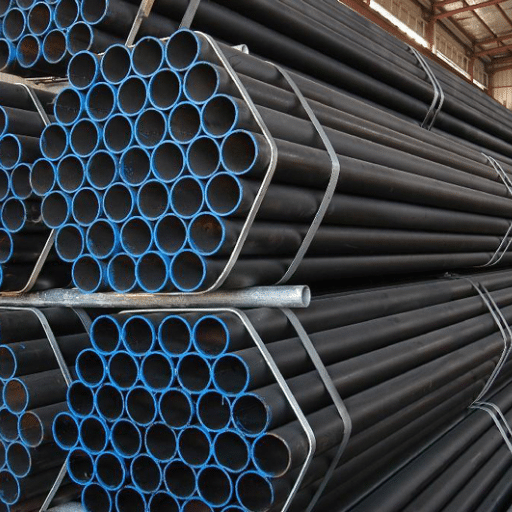
Industrial applications require seamless steel pipes because these pipes deliver essential strength and dependable performance and exact operational capabilities. Companies that need to maintain their highest operational standards face difficulties when they try to obtain high-quality seamless steel pipes. The complete guide shows you the process of finding a trustworthy seamless steel pipe importer who meets your project requirements through educated choices which provide a full analysis of material quality assessment and supplier assessment methods that lead to successful sourcing results.
Understanding Seamless Steel Pipes

What is a Seamless Steel Pipe?
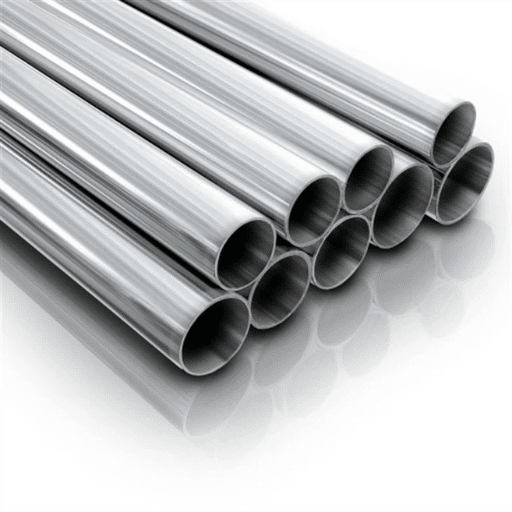
A seamless steel pipe functions as a solid metal pipe which originates from one continuous metallic material that does not contain any connections or welded sections throughout its entire length. This production method produces a pipe that achieves greater strength and extended operational life because it can withstand high pressure in applications that use construction materials for oil and gas and manufacturing purposes.
Manufacturing Process
The production of seamless pipes differs from welded pipes because manufacturers create them through steel billets which they transform into hollow shapes through extrusion or piercing methods. The design which avoids joints enables systems to operate without interruptions because it protects against leaks while maintaining structural integrity during high-pressure operation.
Industry Insight: According to recent industry data, seamless steel pipes are increasingly in demand due to their superior quality and ability to handle extreme conditions, such as high temperatures and corrosive environments.
Benefits of Seamless Steel Pipes
Seamless steel pipes provide multiple benefits that make them the preferred piping option across different industrial applications.
Key Advantages
- ▸
Superior Strength: Consistent structure enables advanced strength properties suitable for high-pressure and high-temperature environments - ▸
Enhanced Corrosion Resistance: Absence of weld seams improves resistance to corrosion, reducing maintenance expenses - ▸
Extended Service Life: Decreased maintenance requirements result in longer operational lifespan - ▸
Improved Flow Efficiency: Smoother internal surface enables fluid movement at higher rates with lower energy expenses - ▸
Reliable Performance: Industries such as oil and gas, power generation, and construction increasingly adopt seamless pipes for extreme conditions
Comparison with Welded Pipes
The evaluation of strength and durability between seamless steel pipes and welded pipes occurs through comparison of their operational capabilities in various situations.
| Feature | Seamless Steel Pipes | Welded Pipes |
|---|---|---|
| Strength | No weak points; superior under high pressure and temperature | Seam may be a potential failure point |
| Cost | Higher initial investment | More affordable; fewer production resources |
| Applications | Oil and gas, power generation, critical infrastructure | Wide pipes with less demanding requirements |
| Production | Extrusion or piercing from solid billets | Welding of steel plates or strips |
| Market Trend | Growing demand for high-stress applications | Retained market share in less critical scenarios |
Selection Criteria: The choice between seamless or welded pipes depends entirely on the project’s particular needs, including budget constraints, environmental conditions, and expected performance results. Recent search trends suggest growing interest in seamless pipes for high-stress applications, while welded pipes retain economic advantages in less critical scenarios.
Key Specifications for Seamless Steel Pipes

Types of Materials: Carbon vs. Stainless Steel
The latest search engine data shows that people increasingly study both carbon steel and stainless steel pipes because their unique properties help meet different industrial needs in various applications.
Carbon Steel Pipes
- ▸
Low cost and high strength - ▸
Withstand extreme pressure conditions - ▸
Ideal for oil and gas industry - ▸
Structural applications - ▸
Best for strength and affordability
Stainless Steel Pipes
- ▸
Superior corrosion protection - ▸
Attractive appearance - ▸
Maintains sanitary conditions - ▸
Food processing and chemical handling - ▸
Medical and pharmaceutical applications
Search trends highlight balanced demand for both materials, reflecting their complementary roles in industrial and commercial settings.
Thickness and Diameter Considerations
Material selection depends on both thickness and diameter because these factors determine how well materials perform in different uses.
Specification Guidelines
| Parameter | Consideration | Application |
|---|---|---|
| Thickness | Greater strength and load-bearing capacity | Heavy-duty applications |
| Thin Wall | Flexibility and weight reduction | Projects prioritizing lightweight design |
| Diameter | Determines system performance and safety | Piping systems and structural frameworks |
The decision-making process needs to follow both technical specifications and operational needs which stem from the particular functional requirements of the project.
Understanding Pipe Tolerances
Pipe tolerances describe the acceptable range of dimensional deviations that a pipe can have from its specified standards, which include diameter, wall thickness, and length.
Critical Tolerance Factors
- Safety and Efficiency: Piping system tolerances establish operating parameters maintained during standard operations
- Industry Standards: Manufacturing processes and material quality comply with ASTM or ISO standards
- Compliance Importance: Non-compliance results in operational problems from leakage, structural failure, and system mismatches
- Operational Reliability: Tolerance compliance improves safety in industrial and commercial operations
Applications of Seamless Steel Pipes

Oil and Gas Industry
The oil and gas industry depends on seamless steel pipes because these pipes can endure extreme pressure, temperature, and environmental challenges.
Primary Applications
- ●
Transportation of oil, natural gas, and other fluids without risk of leakage - ●
Offshore drilling operations requiring extreme durability - ●
Pipeline operations across vast distances - ●
Refinery functions with high-pressure requirements - ●
Both exploratory work and downstream operations
Construction Projects
Modern construction projects depend on seamless steel pipes because these pipes offer exceptional strength, durability, and protection against external forces.
Construction Applications
- ▸
Skyscrapers: Structural integrity for high-rise buildings - ▸
Bridges: Long-term durability against environmental forces - ▸
High-Pressure Systems: Reliable performance under extreme conditions - ▸
Uniform Design: Fewer defects and improved safety for extreme accuracy requirements
Automotive and Energy Sectors
Seamless steel pipes handle crucial functions throughout both the automotive and energy sectors because of their exceptional strength, durability, and precise measurements.
| Sector | Applications | Key Benefits |
|---|---|---|
| Automotive | Drive shafts, cylinder liners, fuel injection systems | Reliable operation under high-pressure circumstances |
| Energy | Oil, gas, and fuel transportation over long distances | Withstand extreme temperatures and pressures without compromise |
Market Trend: Increasing searches for “seamless steel pipes for energy transmission” reflect growing demand for environmentally friendly infrastructure that operates efficiently with optimal safety and operational performance.
Selecting a Reliable Seamless Steel Pipe Importer

Evaluating Experience and Reputation
The assessment process for evaluating the experience and reputation of a seamless steel pipe importer requires the assessment of both qualitative elements and measurable data.
Reputation Assessment Criteria
- Track Record: Review completed projects and demonstrated industry knowledge
- Client Approval: Examine testimonials, reviews, and customer satisfaction ratings
- Certification Status: Verify compliance with industry standards and regulations
- Established Partnerships: Assess relationships with reputable manufacturers and suppliers
- Legal Compliance: Confirm dedication to following regulatory requirements
The sharp increase in searches for “seamless steel pipes for energy transmission” shows that customers need to find trustworthy suppliers with established records of success. Current search information combined with market research indicates that selecting high-visibility importers with trusted reviews leads to products that fulfill rising demands.
Assessing Supply Chain Efficiency
Assessment of supply chain efficiency needs to use current data which search engines provide because it delivers essential information about market patterns, supplier effectiveness, and new business opportunities.
Supply Chain Evaluation Framework
- Discover top suppliers through analysis of popular search terms and user patterns
- Identify industry disruptions affecting delivery timelines and availability
- Evaluate operational efficiency innovations in logistics and distribution
- Use data analysis methods to identify process improvement opportunities
- Synchronize operational procedures with customer requirements for efficient systems
Importance of Quality Standards and Certifications
Businesses and suppliers who want to establish their dependability should use quality standards and certifications as their main evaluation method according to current data from search engines.
| Certification Type | Significance | Industry Value |
|---|---|---|
| ISO Certifications | Demonstrates quality management systems compliance | Universal recognition across industries |
| ASTM Standards | Material specifications and testing protocols | Critical for construction and industrial applications |
| Industry-Specific | Sector-focused quality benchmarks | Shows specialized expertise and commitment |
| Regulatory Compliance | Adherence to legal and safety requirements | Essential for market access and credibility |
Search trends show which certifications are most valuable to consumers and industry leaders, enabling companies to focus on certifications that connect with their target audience while establishing market position and improving credibility through data-driven business standards.
Global Trends in the Seamless Steel Pipe Market

Advancements in Manufacturing Technology
The implementation of advanced manufacturing technologies together with search engine data analysis has delivered the seamless steel pipe industry with a comprehensive plan for innovative development.
Technology Integration
- ①
Automation Systems: Transform manufacturing operations through improved efficiency - ②
Robotic Technology: Reduce product defects and enhance consistency - ③
AI-Based Quality Control: Real-time monitoring and defect detection - ④
Sustainable Practices: Energy-efficient methods and waste reduction techniques - ⑤
Environmental Compliance: Products meeting environmental standards with exceptional quality
Increasing Demand in Emerging Markets
The demand from emerging markets has grown substantially because of changing consumer behavior and better technological accessibility.
Emerging Market Characteristics
- Economic Growth: Increasing purchasing power drives demand for quality products
- Sustainability Focus: Consumers seek products combining low prices with environmental responsibility
- Quality Expectations: Rising standards for product performance and durability
- Innovation Preference: Demand for technologically advanced solutions
- Market Opportunities: Companies developing sustainable products gain competitive advantages
Sustainability Initiatives Impacting Production
Current production methods are shaped by sustainability initiatives which companies adopt based on consumer behavior data from search engine research.
| Initiative | Implementation | Business Impact |
|---|---|---|
| Renewable Energy | Solar, wind, and alternative power sources | Reduced carbon footprint and energy costs |
| Circular Economy | Waste reduction and material recycling | Resource efficiency and cost savings |
| Sustainable Materials | Eco-friendly sourcing and production | Enhanced brand reputation and compliance |
| Green Manufacturing | Reduced emissions and environmental impact | Regulatory compliance and market access |
Consumers increasingly search for eco-friendly products, green manufacturing, and sustainable supply chains, showing heightened awareness of eco-friendly production methods. The combination of these efforts with data trends requires businesses to create new products matching consumer expectations to stay competitive in current market conditions.
Frequently Asked Questions
What seamless pipe sizes and stock do importers typically carry?
Seamless steel pipe importers usually maintain a broad selection of sizes and stock to serve diverse pipe applications across industry sectors. The inventory includes carbon pipe, stainless steel, and carbon steel tubing which contains nominal diameters and various wall thicknesses to meet both specification and mechanical requirements. Many suppliers track inventory by tonnage and can provide details on available ranges, fittings, and flange compatibility. The expected lead and delivery service from a reliable importer depends on both the manufacturer source and current stock levels. Custom needs require tube cutting with specific tolerances which matches both spec requirements and structural or pressure use.
How does carbon pipe import affect material selection and quality?
The process of importing carbon pipe requires knowledge about material specifications, wall thickness requirements, and mechanical property information to determine which pipe applications will meet quality standards. A reputable pipe supplier will provide mill certificates, test reports, and information about the manufacturer and source to verify steel seamless or carbon steel composition. You should consider whether the application needs stainless options or carbon pipe to balance corrosion resistance, cost, and pressure tolerance. Lead and delivery times depend on inventory and stock levels, so you should request information about available tonnage and range that matches your size and OD requirements. Proper selection also involves compatible fittings, flanges, and tubing treatment to maintain integrity in service.
What are common tube cutting and tube services offered by importers?
Seamless steel pipe importers often offer tube cutting, end finishing, threading, and other value-added services as part of their service offerings. These services ensure that tubing and pipe arrive with the correct nominal length, OD, wall thickness, and tolerance for immediate use in pipe applications. Most suppliers can provide flange installation and fittings together with mechanical testing services to satisfy required specifications and quality benchmarks. The stock and location of the supplier determine service availability, which will impact lead and delivery timeframes. The confirmation of supplier experience and capability in tube cutting and assembly will decrease onsite labor while accelerating project timelines.
How do I choose the right stainless steel pipe or stainless seamless option?
The choice between stainless steel and stainless seamless piping systems depends on three factors which include the corrosion resistance of materials and the required operating pressure of the system together with the specific working conditions that will be experienced. The stainless material provides better corrosion protection when compared to carbon pipe because its material specifications, mechanical strength, wall thickness, and diameter range match your needs. The customer should check the supplier’s inventory to understand lead times while assessing which tube cutting services and fitting services are accessible in their area. The manufacturer must deliver appropriate certification documents together with quality control procedures that comply with industry requirements and reliability standards. Stainless seamless tubing serves as a trustworthy permanent solution for both structural and sanitary purposes.
What import logistics information must I understand to assess lead times for seamless steel pipe shipments?
The import logistics process for seamless steel pipe shipments determines lead time requirements based on three factors: the source shipment method, customs clearance procedures, and supplier inventory levels. Local pipe suppliers with available stock inventory provide quicker lead times compared to direct manufacturer imports which need more time for transportation but offer greater product selection and tonnage options. The delivery schedule will experience delays because of the time needed to process activities at the port site and for storage space and tube cutting services and for flange and fitting requests. The right product will arrive when specifications about nominal sizes, mechanical tolerances, and special requirements are clearly communicated. Reliable suppliers provide project updates through inventory information, tracking details, and expected arrival time to help clients manage their work schedule and service needs.
What specifications and tolerances should I request for pressure and structural pipe applications?
For pressure and structural pipe applications, you should request detailed specs including material grade, wall thickness, OD, nominal size, mechanical properties, and tolerance thresholds. These parameters ensure the carbon steel or steel seamless product meets safety and performance requirements under operational pressure and mechanical loads. The pipe supplier or manufacturer must provide mill test reports and certification documents to prove their products meet industry standards and project specifications. The delivery requirements should include all necessary components for fittings and flanges as well as special tube cutting and finishing requirements to ensure the inventory will arrive in a form suitable for installation. The importer can make stock and lead time plans because specifications reduce rework requirements.
Reference Sources
- Stainless Steel Pipes and Tubes from Sweden
Discusses the impact of imports from Sweden on the seamless stainless steel pipe market. - Competitiveness in the Philippine Steel Industry
Analyzes the steel industry’s competitiveness, including import trends and market dynamics. - The Impact of Global Macroeconomic Factors on the Pipe Industry
Explores global trends and macroeconomic factors affecting the seamless pipe industry.