When it comes to buying a 4×8 stainless steel sheet, the knowledge of the factors that determine its cost is very important for the good decision-making process. The high-quality stainless steel has a reputation for durability, corrosion resistance, and nice appearance, but still, the sheets differ from each other. The prices can vary due to the grade, finish, and application, so it’s very important to know what exactly you are spending money on. The following guide will go through the most significant factors that determine the price of a 4×8 stainless steel sheet, starting with the different grades and their properties to the wide range of finishes that serve functional and aesthetic concerns at the same time. No matter if you are planning a building project, making unique designs, or choosing materials for manufacturing, this article will provide you with all the information you need to pick the right stainless steel for your needs.
Factors Influencing the Price of Stainless Steel Sheets
Grade of Material: 304 vs. 430 Stainless Steel
When examining stainless steel grades 304 and 430, it is important to pay attention to the differences between them in order to pick the one most suited to your needs. The 304 stainless steel grade belongs to the austenitic group, which is characterized by being higher in nickel and chromium, which makes it both resistant to corrosion and durable to a large extent. It is non-magnetic and finds many applications in the most demanding areas like food processing, medical, and outdoor due to its being able to stay in contact with moisture and chemicals without catching rust.
Conversely, type 430 stainless steel is a member of the ferritic family and contains less nickel making it cheaper. While it holds up to corrosion reasonably well, it is mainly suited for mild environments. Type 430 is a magnetic metal that is often found in decorative applications, kitchen appliances, and places where the cost is the main concern rather than the need for high resistance to corrosive elements.
Thickness and Dimensions: Getting to know 24ga and 4ft x 8ft
In conversations about stainless steel, the expressions “24ga” and “4ft x 8ft” usually refer to two things: the thickness and the dimensions of the material the manufacturer has set. “24ga” (or 24 gauge) designates a thickness of roughly 0.025 inches (0.635 mm), which is very thin but still durable enough for multiple uses like indoor architectural elements, automotive parts, and kitchen equipment. On the other hand, “4ft x 8ft” gives the dimensions of the standard sheet, which are 48 inches by 96 inches and this provides for a very wide range of applications in different projects.
Key Specifications:
Approximately 0.025 inches (0.635 mm)
48 inches × 96 inches (4ft × 8ft)
Popular Applications:
- ✓ Indoor architectural elements
- ✓ Automotive parts
- ✓ Kitchen equipment
- ✓ Cladding and backsplashes
- ✓ Sophisticated design patterns
📊 Market Insight: 24ga sheets in 4ft x 8ft format are especially favoured by fabricators and builders because of their ease of handling, adaptability, and excellent combination of durability and affordability.
Market Prices and Trends
The demand for 24ga sheets of metal has not changed throughout the years and remained steady. They have been used in various industries, including construction, and it has shown in the interior design and industrial applications adaptability of sheets.
Current Market Trends:
Growing Interest
Increase in searches for “affordable 24ga metal sheets”
Price Sensitivity
Consumers more conscious due to supply chain challenges
Cost-Efficient
Good balance between thickness and functionality
⚠️ Market Note: Although prices have slightly fluctuated due to higher transportation and production costs, 24ga sheets remain a cost-efficient investment compared to thicker alternatives.
Types of Stainless Steel Sheets and Their Characteristics
304 Stainless Steel Sheet: Properties and Uses
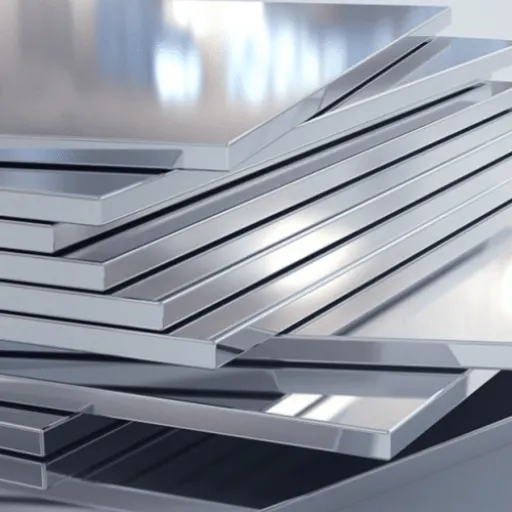
The 304 stainless steel sheet is a type of stainless steel that is extremely practical and is used in large quantities. It is a very strong material and, besides that, its fabrication is also very easy. The sheet is mostly made of iron, chromium (18-20%), and nickel (8-10.5%) which give the steel its resistance to oxidation and a very nice finish. This metal is very durable and thus is used in many different sectors like construction, food processing, and medical devices.
Composition Breakdown:
- Iron: Primary component
- Chromium: 18-20% (provides oxidation resistance)
- Nickel: 8-10.5% (enhances corrosion resistance)
Why 304 for Food-Grade Applications?
- ✓ Non-reactive with most food and beverages
- ✓ Excellent corrosion resistance against acidic/alkaline foods
- ✓ Smooth surface acts as bacteria barrier
- ✓ Hygienic and easy to clean
- ✓ Long-lasting durability
Construction
Structural applications
Food Processing
Kitchen equipment
Medical Devices
Sanitary environments
430 Stainless Steel Sheet: Benefits and Drawbacks
The stainless steel 430 is made of very different materials than the stainless steel 304 but it is still a preferred material for the same application areas namely cost-saving and corrosion resistance among others. It is a ferritic stainless steel that has low nickel, and hence low cost, compared to grades like 304.
Different Finishes: 2B vs. Brushed vs. Cold Rolled
When it comes to the differences in finish between 2B, brushed, and cold rolled stainless steel, each one has some distinctiveness that is more or less tailored to the particular application.
2B Finish
Smooth and reflective, produced by a final light cold rolling pass with polished rolls. It is the most preferred finish in industries with the largest proportion of steel produced worldwide coming with this finish.
Characteristics:
- Clean, low-maintenance aesthetic
- Semi-reflective surface
- Ideal for indoor applications
- Common in equipment and medical tools
Brushed Finish
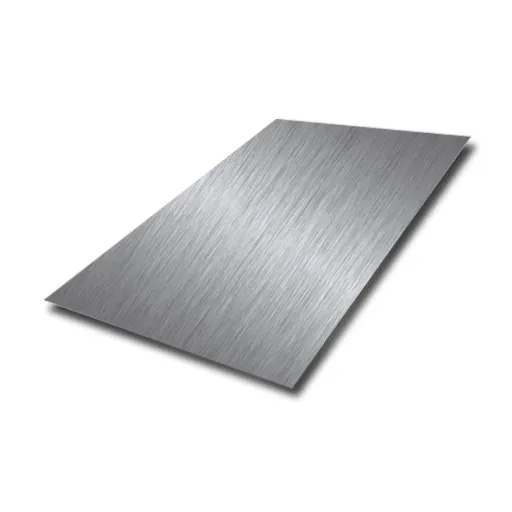
Features fine lines or matte texture created by abrasive belts on the steel surface. Highly popular for decorative purposes.
Characteristics:
- Attractive directional pattern
- Popular for kitchen appliances and handrails
- Used in architectural designs
- Requires frequent cleaning (traps dirt/fingerprints)
Cold Rolled Finish
More of a manufacturing process than a specific surface finish. Cold rolling improves material strength, smoothness, and dimensional accuracy.
Characteristics:
- Enhanced strength and consistency
- Improved dimensional accuracy
- Perfect for structural parts
- Ideal for automotive components
- Precision-focused applications
💡 Selection Tip: All options are designed for specific uses. They are the perfect mix of beauty and utility, and the choice should depend on the project’s needs in terms of resistance, upkeep, and beauty.
Common Applications of Stainless Steel Sheets
Construction and Industrial Applications
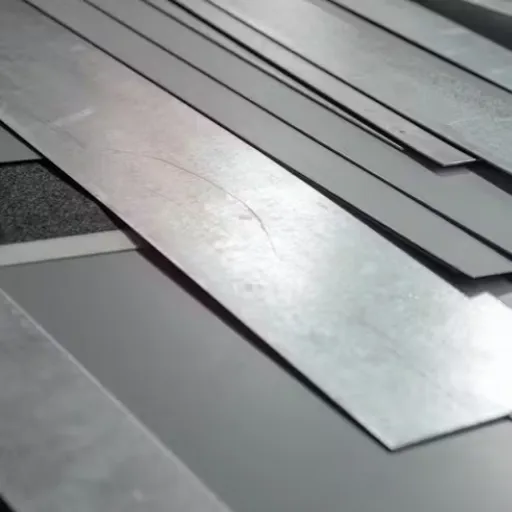
Stainless steel sheets have their drawbacks, but their durability and resistance to corrosion won over the construction and industrial sectors besides their versatility in aesthetics. Besides just using it in structural strength and durability facades, roofing, and components, they are typically positioned. On the other hand, stainless steel is utilized in the chemical and pharmaceutical industries for storage tanks, conveyor systems, and chemical processing units due to its excellent heat and corrosion resistance.
🏢 Construction Uses
- Structural facades
- Roofing components
- Building frameworks
- Architectural elements
🏭 Industrial Uses
- Storage tanks
- Conveyor systems
- Chemical processing units
- Pharmaceutical equipment
Kitchen and Marine Applications
The multifunctional properties of stainless steel make it a necessary material in both kitchen and marine environments. The non-porous surface of stainless steel prevents bacteria from thriving and makes it easy to clean. Hence, its use in kitchen tools, countertops, and appliances is justified. On the other hand, that same property of resisting rust and corrosion renders it perfect for marine applications where salt water and rough weather conditions are unavoidable.
Design and Decorative Uses for Stainless Steel Sheets
Stainless steel sheets have become the go-to material in contemporary design, merging practicality with great looks. These sheets are very adaptable, and they are often applied in the modern kitchen, in the architectural features, and even in the furniture design. The smooth, polished surface can give a sophisticated and clean look, while the textured or colored finishes can be used for more adventurous and artisticapplications.
Trending Applications:
- Stainless steel wall panels
- Decorative stainless steel finishes
- Reflective ceilings
- Accent walls
- Intricate decorative patterns
- Contemporary furniture design
✨ Design Advantage: The growing demand and boundless design possibilities make stainless steel sheets an unparalleled path to timeless, elegant spaces that align with sustainable, long-lasting material trends.
Practical Tips for Purchasing Stainless Steel Sheets
Choosing the Right Supplier and Price Comparison
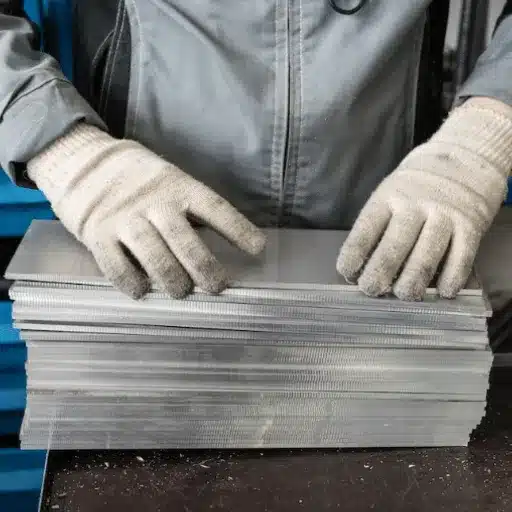
Selecting a supplier for the stainless steel sheets is a very important decision that can either positively or negatively affect your statement of quality and value. The first step is to find industry acknowledged suppliers whose business conduct is proved by the consumers’ good comments.
Supplier Selection Checklist:
- Verify Certifications: Look for ASTM International or ISO certifications
- Read Consumer Reviews: Check business conduct and reputation
- Compare Prices: Use Shopping and price comparison platforms
- Assess Quality Standards: Ensure material compliance with industry standards
- Check Delivery Times: Evaluate shipping and logistics capabilities
- Review Customization Options: Confirm ability to meet project specifications
- Evaluate Customer Support: Test responsiveness and service quality
Considerations for Bulk Purchases as a Means of Cost Reduction
It is necessary to do an analysis of the possible cost savings that may result from the bulk purchase of stainless steel sheets against the needs of the project. Buying in bulk often results in huge discounts per unit as the suppliers provide tiered pricing to the customers who order a large quantity of items.
Benefits
- Significant per-unit discounts
- Tiered pricing advantages
- Cost-effective for long-term projects
Considerations
- Storage space requirements
- Potential logistical challenges
- Inventory management costs
Quality Check
- Verify consistent quality
- Ensure specification compliance
- Request sample inspection
📊 Key Insight: Sustainability of bulk purchases turning into cost-effective solutions for long-term projects greatly depends on balancing these factors effectively.
Quality and Specifications Must Be Assessed Before Purchase
Before purchasing materials and evaluating their quality and specifications, it is necessary to make full use of the information that is out there with modern research tools. By studying recent reviews, performance reports, and comparisons, buyers will be able to tell the reliability and toughness of different products better.
Pre-Purchase Assessment Guide:
1. Research Product Reviews
Search for specific brand/product with “durability test” or “user feedback” keywords
2. Review Performance Reports
Examine independent testing data and certification documents
3. Compare Specifications
Cross-reference manufacturer specifications with actual performance data
4. Verify Compliance
Ensure no gap between advertised features and actual functioning
Frequently Asked Questions (FAQ)
What affects the price of a 4×8 stainless steel sheet and the cost of metal sheets in general?
The price of a 4×8 stainless steel sheet primarily depends on the specific alloy composition, surface treatment (finish), and thickness while the metal market demand around a particular region also takes its share. Stainless steel grades such as 304L, 316, and 201 have been priced accordingly to their differing properties since 316 and 316L have the highest corrosion-resistance while 305L has the least. The cost of a brushed or bright polished surface will increase the costs of handling and processing compared to a 2B or BA surface finish. In addition to buying these sheets, you can also get fabrication services like cutting, welding, etc. which can add up to the total price. The source of supply and transport can also affect the final price — whether you’re getting stainless from a local vendor or importing it.
How does alloy selection like 316 or 304L influence corrosion resistance in corrosive environments?
Opting for 316 or 316L can offer excellent corrosion resistance to the majority of chemical corrodents, as well as industrial atmospheres and marine environments. In chloride-rich environments, the presence of molybdenum in 316 gives the alloy higher durability thus it becomes the choice for marine or food processing equipment. Grade 304L is still a popular alternative because it is cost-efficient and offers satisfactory corrosion resistance to a number of chemical exposures, hence it is widely used as wall panels and kitchen surfaces. For very corrosive chemical environments, special grades such as 321 or 347 are selected for their stability under high temperatures. Besides, one also has to consider the mechanical properties and weldability of the alloys while making a selection.
Is stainless steel sheet metal cut to size for trailer or wall panels projects?
Absolutely, stainless steel sheet metal can be cut to fit trailers, wall panels, and other custom applications utilizing either laser, water jet, or shear cutting methods. Cutting thicker steel plate and sheet may require more robust equipment and create handling and processing considerations. When ordering a 4ft x 10ft or 4×8 sheet, it is imperative to state the exact dimensions needed to limit waste and finish costs. Some alloys like 301 and 410 vary in terms of formability and might need special tooling for bending or edging. Always ask for edge finish status and if a brushed, BA, or bright polished surface is necessary for the end appearance.
Is stainless steel sheet plate magnetic and how does that impact fabrication for food processing equipment?
The extent to which magnetism is present largely depends on the alloy: austenitic grades like 304L and 316L are typically non-magnetic or only slightly magnetic after cold work, while ferritic or martensitic grades like 410 and certain 201 alloys can indeed be magnetic. The slight magnetic property might affect the welding and testing processes for food processing equipment where corrosion resistance and cleanliness are particularly important. For such surfaces, bright polished and BA finishes are usually preferred to reduce the number of crevices and make cleaning easier. One should evaluate tensile strength and ductility for mechanical properties to ensure that panels and mesh components are suitable for the load conditions. Selecting the right alloy guarantees both corrosion resistance and the weldability that is required in food processing settings.
What are the differences in mechanical properties and weldability among 301, 303, and 304 stainless?
301 has very high strength but also good formability when cold worked and may then be slightly magnetized; 303 is a free-machining type with sulfur added that enhances machining but may reduce corrosion resistance; 304 gives a balanced mixture of toughness, corrosion resistance, and weldability. The weldability of 304 is rated excellent; however, depending on the application and thickness, preheating or post-weld treatment may be necessary for 301. Mechanical properties vary in yield strength and elongation in these alloys and should be compiled with project requirements prior to purchasing stainless sheet metal. If you are looking for high-temperature resistance-specific applications, consider 310 or 321 where applicable. Always pair the alloy with the targeted service environment and the fabrication processes.
What impact do surface treatments like 4 brushed finish, BA, or bright polished have on metal sheets in terms of cost and appearance?
Finishes play a major role in determining the total price and the visual effect: 4 brushed finish results in a directional satin look that can cover up minute scratches, while a bright polished finish or BA (bright annealed) gives a mirror-like look but usually is more expensive. In some environmental conditions, surface finish also determines cleaning and corrosion; the smoother finishes are very often the ones used for sanitization in food processing or medical to mention a few. The type of finish can even determine whether further treatment such as passivation or electropolishing is needed. When purchasing steel plate or stainless steel sheet plate ensure to mention the finish in order to get one that is compatible with the installation and maintenance plans. Also, be aware that in some cases the formability might be affected in a small degree during the bending or stamping processes by specific finishes.
Reference Sources
- MIT – Doshi Steel Prices: This document provides an inventory catalog of available steel sizes, including pricing details for stainless steel sheets.
- Johns Hopkins University – Plate N Sheet Professional: Information on stainless steel sheets used for various applications, such as backsplashes and appliances, with details on material specifications.
- SUNY Upstate Medical University – Upstate Procedure Pricing: Pricing data for various materials, including stainless steel sheets, used in technical and medical applications.