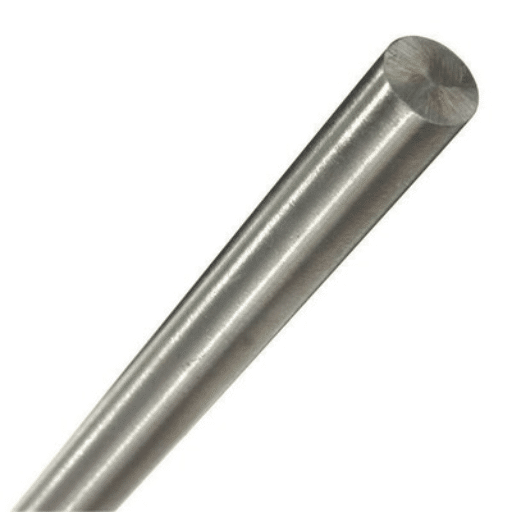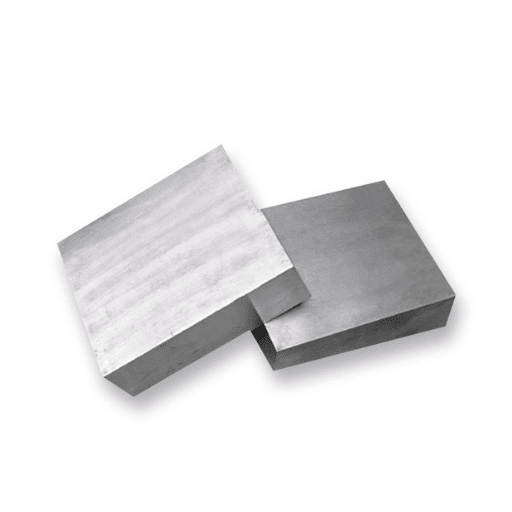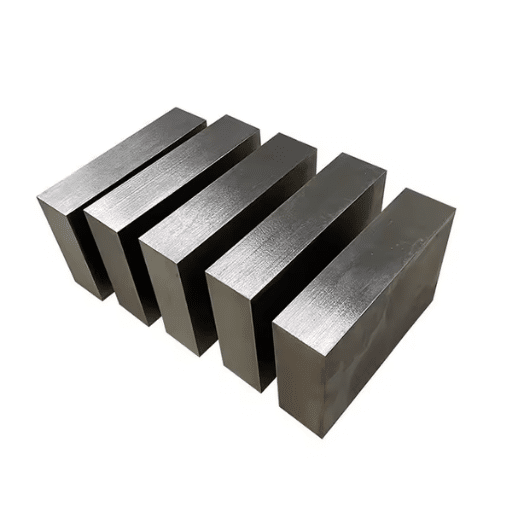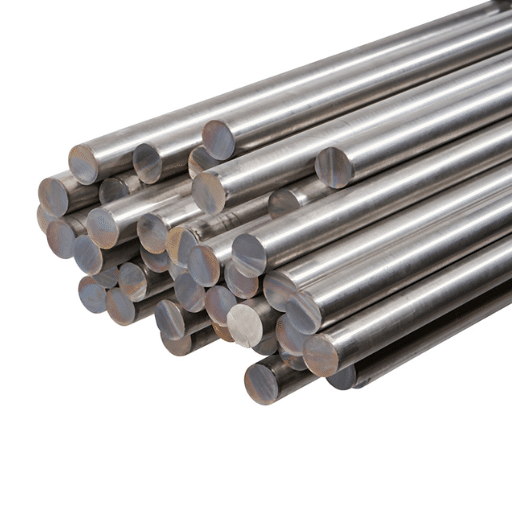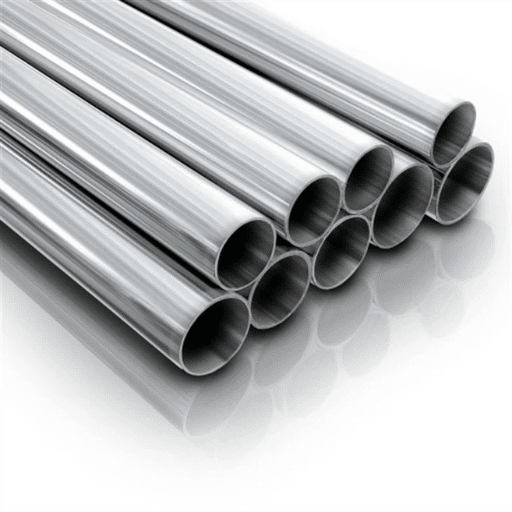
When teams need SUS304 stainless steel for food-grade, medical, architectural, or clean-room gear, they praise its SUS304 corrosion resistance and reliable SUS304 applications. This austenitic alloy pairs 18.0% chromium with 8.0–10.5% nickel to lock in that passive chromium-oxide film, stay nearly non-magnetic in the annealed state, and resist rust in indoor and potable-water environments without the premium price of more exotic grades.
Composition and what it means for performance

- Chromium (18.0%): Builds and repairs the self-healing oxide layer that keeps stainless steel stainless even when scratched.
- Nickel (8.0–10.5%): Stabilizes the austenitic structure so SUS304 stays ductile, non-magnetic, and easy to form.
- Carbon (≤0.08%): Keeps the grade weldable; switch to 304L when chloride exposure or sensitization matters, or pick 304H when creep strength matters.
- Manganese, silicon, phosphorus, sulfur: Controlled trace levels that support deoxidation, machinability, and toughness without eroding corrosion resistance.
Mechanical, thermal, and magnetic behavior
- Strength & ductility: Tensile strength hovers near 505–525 MPa, yield minimum sits at 205 MPa, and elongation beyond 40% makes bending, drawing, and stamping easy. Cold work adds strength through strain hardening.
- Hardness density: Typical hardness around 70 HRB (up to 92 HRB) and density at 7.93 g/cm³ give the alloy heft without sacrificing fabricability.
- Heat & expansion: Thermal conductivity is ~16 W/m·K at 100 °C and linear expansion ranges from 16.6–19.8 × 10⁻⁶/°C, so SUS304 tolerates most foodservice, HVAC, and appliance temperature swings.
- Magnetism: Annealed SUS304 is essentially non-magnetic; magnetism appears only after heavy cold work or welding but remains much weaker than ferritic grades.
SUS304 corrosion resistance and limits

The chromium-rich surface passivates instantly in dry air, indoor atmospheres, and potable water, which is why engineers reach for SUS304 for food, beverage, and medical equipment.
- Chloride sensitivity: Warm chloride solutions (sea spray, de-icing salts) drive pitting and crevice attack once concentration or temperature climbs; marine or aggressive salt-spray service usually calls for SUS316 or duplex alloys.
- Sensitization risk: Welding between approximately 425–860 °C can precipitate chromium carbides at grain boundaries, temporarily depleting chromium and inviting intergranular attack. Use 304L, low-heat filler, or post-weld solution annealing when chlorides are present.
Chloride limit checklist (featured snippet material)
- SUS304 works well when service-water chlorides stay below ~250 mg/L at ambient temperatures (20–25 °C).
- Upgrade to SUS316 or duplex when chlorides exceed 250 mg/L or when service temperatures exceed 60 °C in salt spray, brine, or aggressive chemical loops.
- In cyclic splash or tidal zones, treat the 250 mg/L guideline as conservative—pair regular mechanical cleaning or cathodic protection with shadow-zone flushing.
- After welding, solution-anneal or choose 304L welding consumables so sensitization never erodes the passive film in chloride-bearing environments.
Fabrication and finishes keep SUS304 clean and attractive

- SUS304 welds easily with TIG, MIG, and resistance methods; avoid long heat inputs in chloride settings.
- Cold rolling and forming add strength through work hardening, while annealing restores ductility.
- Surface finishes such as 2B, #4 brushed, and mirror polish keep SUS304 hygienic and visually consistent for exposed gear.
SUS304 versus SUS316 decision guide
- When to stay with SUS304: Indoor, foodservice, pharmaceutical, architectural, and plumbing applications where chloride levels stay modest, cost matters, and formability is key.
- When to upgrade to SUS316: Chloride exposure above ~250 mg/L, service temperatures above 60 °C in salt spray, or offshore/marine duty where molybdenum-enhanced resistance (≈2% Mo) keeps the passive film intact.
- Cost and fabrication: SUS304 is generally cheaper and easier to form than 316, so it wins in general-purpose and potable-water systems. Only move to 316 when corrosion or temperature demands escalate.
SUS304 applications that rely on corrosion resistance and polishability

- Foodservice & pharma: Tanks, manifolds, conveyors, countertops, and cleanroom walls where the surface must resist staining and clean easily.
- Architectural metalwork: Railings, facades, wall panels, and art installations that pair polishability with indoor corrosion resistance.
- Plumbing & HVAC: Piping, fittings, fasteners (A2/18-8), and ductwork that require reliable service in non-severe potable-water systems.
- Medical & clean rooms: Surgical trays, diagnostic racks, and sterilization equipment that demand hygienic surfaces and stability under repeated sterilizing cycles.
FAQ
- Is SUS304 magnetic? In the annealed condition, SUS304 stays nearly non-magnetic. Heavy cold work or welding can introduce ferrite, making short sections weakly magnetic, but the overall response is much softer than ferritic grades.
- Can SUS304 go in seawater? Not for prolonged immersion—seawater typically overwhelms SUS304’s passive film, so either upgrade to SUS316/duplex or isolate SUS304 with fresh-water rinsing and sacrificial anodes.
- Why choose SUS304 over SUS316? SUS304 delivers lower cost, better formability, and equivalent strength for indoor finishing, potable-water, and general-purpose equipment where chlorides are modest; only upgrade to SUS316 when chlorides/temperature exceed the chloride limit checklist thresholds.