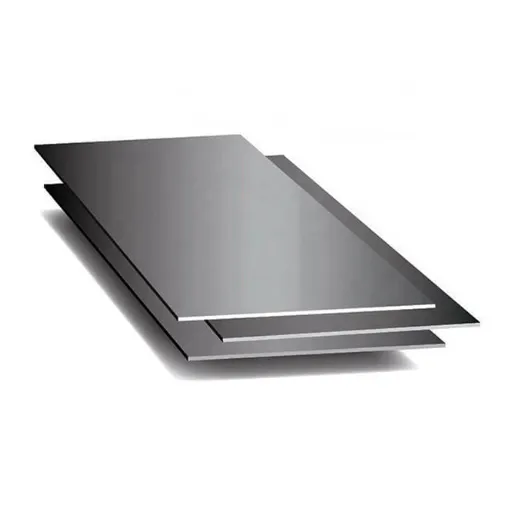
In the modern industries and infrastructures, stainless steel almost appears to be an indispensable material that literally shapes the environment around us. Behind those eye-catching surfaces and awe-inspiring durability of the stainless steel plate is a wonderful and complex manufacturing process involving advanced technology, scientific precision, and skilled artistry. This article takes you behind the scenes into the step-by-step production of stainless steel plates so that you may understand how raw materials are turned into durable, high-quality steel ready for any industrial application. Be it about the science or curious to know about one of the most flexible materials in use today, this guide will surely grant you a few insights into the stainless steel world.
Introduction to Stainless Steel Manufacturing
Overview of Stainless Steel
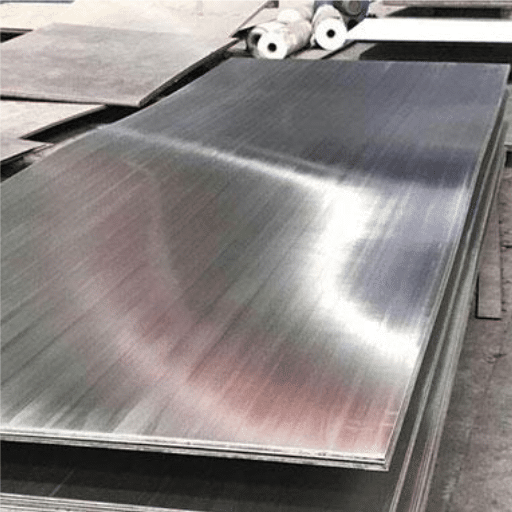
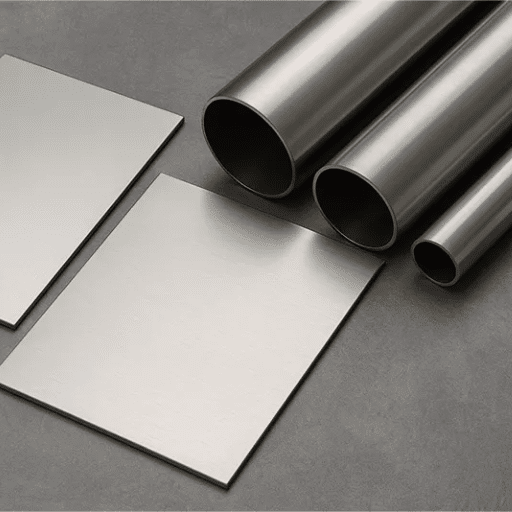
Stainless steel is an alloy made mainly of iron, chromium, and small amounts of other elements, which might include nickel, carbon, and manganese. The defining characteristic of stainless steel is its corrosion resistance and staining property, which is imparted by chromium. Upon exposure to oxygen, the chromium forms a very thin and invisible oxide layer on the steel surface to protect it from rusting and degradation. In this manner, stainless steel is utilized extensively, such as in construction, kitchenware, medical equipment, and industrial machines.
Some of the advantageous features of stainless steel are its strength and durability. It can face any extreme temperature or high mechanical stress, never yielding in any deterioration to the integrity of its structure. Stainless steel is also recyclable, contributing to the economic appeal of using environmentally sustainable materials. The versatility of stainless steel allows it to be manufactured in different grades and finishes depending on its specific applications and industries, contributing to its extensive use in many industries.
Another perk of stainless steel is the aesthetic appeal of this metal. Its sleek, contemporary look attracts architects and designers alike. Besides that, it’ s scratch, stain, and bacteria resistant, which contributes to its usage in bacteria-sensitive industries such as food processing and health care. Thus, stainless steel is a perfect marriage of function, durability, and style-hence among the most prized materials in the modern world.
Importance of Steel Products in Industry
Being versatile and strong, steel products are indispensable to the industrial sector. Steel is largely essential in construction activities when it comes to building skyscrapers, bridges, and other large infrastructure systems. Steel ensures that these structures are strong and can last long, thus making it an essential material in any economy worldwide.
Steel is also necessary in manufacturing as it is required for the building of machinery, tools, and vehicles. For example, steel is a key material for the automotive and aerospace sectors to manufacture lightweight and strong components that provide excellent performance and safety-protective features. Steel is adaptable, wherein it can be formed to fit certain industrial criteria, making it a valuable material for several sectors.
Steel is outside construction and manufacturing activities being vital in the energy production. Pipelines, wind turbines, and power plants maintain the efficient transportation and generation of energy. Such a wide range of use stresses the importance of steel in providing the impetus for innovation and supporting the modern industrial world. Steel is basically a strong, inexpensive, and environmentally viable material worldwide.
Applications of Stainless Steel Plates
All stainless steel plates need no introduction and are famous for their durability, corrosion resistance, and versatility that have proved to be some of the commercially maximized aspects of stainless steel plates. Talking about applications, five particular areas shall be dealt with:
Construction and Architecture
In building, bridge, and infrastructure construction, stainless steel plates are highly used. Considered one of the toughest materials, stainless steel is preferred for exterior facades, roofing, and cladding. Typically, for large structural elements such as beams and columns, stainless steel stands as a waterproofing agent to ensure good serviceability and durability of the components.
Food Processing and Catering
Stainless steel plates are hugely popular in food processing industries because they provide hygienic surfaces. Used in countertops, storage tanks, and food preparation equipment, these plates are believed to resist corrosion, provide easy cleaning, and are non-reactive with foods and beverages.
Chemical and Pharmaceutical Industries
The chemical and pharmaceutical industries require stainless steel plates for manufacturing equipment. Already reactors, storage tanks, and pipelines made of stainless steel endure the corrosion by harsh chemicals and high temperature, ensuring safety and performance for decades.
Marine and Shipbuilding
In offshore irrigation, stainless steel plates are used due to their resistance to salt water corrosion. They are used in the construction of ships and offshore platforms as well as in components for submarines, with the result that the marine environment places a great demand on durability with a reduction in maintenance costs.
Energy
Handling many forms of energy connotes the presence of stainless steel plates. These are used in solar panels’ frames, wind turbines’ components, and energy storage facilities. They are Department of Energy pipelines and heat exchangers in power generation stations, capable of withstanding high pressure and temperature efficiently.
These applications establish the versatility and value of stainless steel plates, especially in industries where safety, longevity, and performance are paramount.
Raw Material Selection in Steel Production
Quality Control of Raw Materials
Quality control of steel production raw materials is paramount to ensure that the final products meet set industry standards and application-specific requirements. The procedure commences with a thorough inspection of the incoming raw materials such as iron ore, coal, and alloying elements to verify their composition and quality. Reliable test methods are applied for this purpose, including spectroscopy and chemical analysis, to identify impurities and check if the raw materials meet set specifications.
Another important facet of quality control is the supervision of the supply chain. Maintaining a good relationship with trusted suppliers is necessary to keep the quality of raw materials consistent. It is normal practice to document and certify the origin of the materials and undergo random checks in the long term. This particular ensure that only the best raw inputs are channeled into the production process, reducing defects and improving product performance.
Finally, storage and handling of raw materials matter a lot in quality maintenance. The correct storage system prevents any contamination or moisture or oxidation from destroying the raw material. So, by implementing these layers of quality control, a steel producer is able to safeguard producing durable steel products that can perform well and meet the stringent application standards of the world.
Types of Materials Used for Stainless Steel
The manufacture of stainless steels involved a series of raw materials carefully interchanged to achieve a determined set of physical and chemical properties. The basic minerals are iron ore, chromium, nickel, and molybdenum, all mixed in varying proportions to prepare stainless grades for various applications.
Iron Ore: Being typical of stainless steel manufacture, iron ore provides the basic skeletal structure. It is mined and processed to give the raw materials to be smelted, which is a steel-making raw material.
Chromium: It is the principal additive responsible for stainless steel’s resistance to corrosion. Mixed usually at a percentage of 10-30%, chromium reacts with oxygen in the atmosphere to form a protective oxide layer at the surface to prevent corrosion and tarnishing of the metal.
Nickel: Incorporated into stainless steels, nickel adds to improved toughness and ductility and resistance to elevated and lowered-temperature extremes. For example, austenitic stainless steels require enormous nickel content, providing remarkable corrosion resistance and formability.
Molybdenum: Its addition to stainless steel is for the enhancement of the pitting resistance to attacks by chlorides and other aggressive chemicals. Hence, it becomes invaluable in those application domains like the marine or chemical processing where corrosion becomes aggressive.
Carbon: While all iron-based metals have small quantities of carbon, even small amounts have a major impact on the hardness and strength of stainless steel. The low-carbon grades provide better weldability, and high-carbon grades yield an increase in tensile strength but less formability.
All these materials are carefully measured and mixed to produce the desired grade of stainless steel, each with definite mechanical and chemical properties appropriate for specific industrial applications.
The Manufacturing Process of Stainless Steel Plates
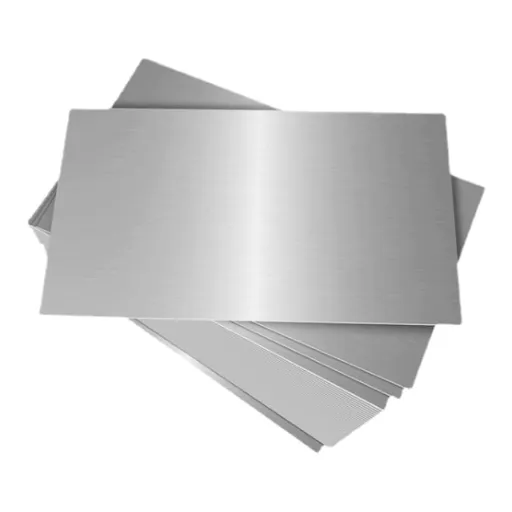
Step 1Melting and Refining
The production of stainless steel plates starts with the melting of raw material. This very important primary step is carried out in an Electric Arc Furnace, or EAF, where scrap metal and alloys are exposed to temperatures exceeding 1700°C. The EAF employs powerful electric currents generating intense heat enough to melt materials into molten steel. This is an efficient technique because it enables recycling through the use of scrap metals, ensuring that stainless steel production is sustainable.
Step 2Casting
Once melted and the refining has gone through, the molten steel is now ready for casting. Such is done by pouring the molten steel into molds to solidify it into the shape of slabs or billets. Different casting methods are performed, of which continuous casting is the most employed in modern manufacturing. During continuous casting, molten steel enters a moving mold where it is gradually cooled, forming a hardened slab. A continual flow of this process guarantees consistency of product while reducing waste and hence increasing efficiency and throughput.
Step 3Hot Rolling
Hot rolling is an essential process in which stainless steel slabs are transformed into the shapes and thickness of various plates. In hot rolling, the steel slabs are heated to temperatures above 1000°C before being passed through a sequence of rolling mills. These mills squeeze the metal, decreasing the thickness while elongating its length. It increases the grain structure of the steel and further enhances its mechanical properties, making it firmer yet more flexible. The outcome of the hot rolling process is stainless steel strips or plates that can be further resized or shaped for different industrial applications.
Step 4Annealing and Descaling
The stainless steel plate is then annealed after hot rolling. Annealing is a form of heat treatment that involves heating the steel to a specific temperature, maintaining it for a certain period, then allowing cooling as a way to relieve internal stresses from rolling, thus enhancing ductility and machinability. Post-annealing is followed by descaling-removal of oxide scale formed on the plate’s surface during heating and rolling. The descaling processes use mechanical methods or chemical baths-such as pickling-to clean the plates, preparing their surfaces for further processing or finishing.
Step 5Cold Rolling (Optional)
Hot rolled stainless steel plate may be subjected to an additional process referred to as cold rolling for some applications that require thinner and more precise gauges of sheet metal. Unlike hot rolling, the cold rolling involves passing of the steel through the rollers but at room temperature. In this process, dimensional accuracy is enhanced with a fine, smooth, and polished surface finish. Cold rolling also has the added benefit of increasing the tensile strength and improving the formability of stainless steel such that it is best suited for demanding applications including parts and components used in the automotive and electronics sectors.
Step 6Surface Finishing
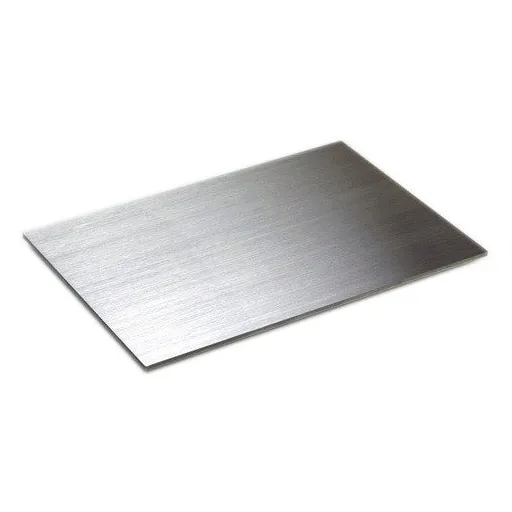
Surface finishing is a crucial step that ensures the stainless steel plate not only meets aesthetic requirements but also performs well in its intended application. Various finishing processes-such as polishing, grinding, and brushing-are used to achieve the desired surface texture and appearance. A polished finish gives the plate a smooth, reflective surface, making it ideal for decorative purposes and applications requiring a clean, sleek look. Meanwhile, matte or brushed finishes are used in industrial settings where friction or glare may be a concern. The choice of finish may also help protect against corrosion or wear by applying specialized coatings or treatments to the plates.
Step 7Cutting and Shaping
Once the surface finish is achieved, the stainless steel plates are cut and shaped to specific requirements. This can involve a variety of methods, from mechanical shearing and plasma cutting to laser cutting, depending on the precision and complexity of the shapes required. Cutting ensures that the plates are tailored to the exact dimensions and specifications needed for various applications, from construction and transportation to consumer goods. Accuracy in this step is critical to maintaining product quality and reducing material waste.
Step 8Quality Inspection and Testing
Quality control is a paramount consideration at every stage of production, and it becomes particularly critical before the final dispatch of stainless steel plates. Inspection and testing processes are employed to ensure that the plates meet strict industry standards and customer specifications. These tests may include checking for dimensional accuracy, testing mechanical properties like tensile strength and hardness, and verifying corrosion resistance. Non-destructive testing methods, such as ultrasonic testing or X-ray analysis, may also be used to detect internal flaws or defects. This step guarantees that only high-quality, defect-free products reach the market.
Key Technologies in Stainless Steel Production
Role of Automation in Manufacturing
Automation has revolutionized the stainless steel manufacturing industry, providing efficiency, precision, and consistency to manufacturers throughout the world. Automated systems can perform repetitive functions with minimal human intervention, such as melting, casting, rolling, and inspection, thereby reducing errors and ensuring uniformity in output. Automation of equipment increases production rates; for example, continuous casting and rolling mills work at a pace and accuracy rate that would be nearly impossible manually.
With the use of robotics and artificial intelligence, manufacturers can monitor and adjust production parameters in real time, thereby optimizing resource utilization and reducing downtime. Such technologies also improve safety by performing hazardous operations, thus reducing the danger of accidents at work. In addition, automation assists in inventory control and logistics, determining the timely delivery of raw materials and finished products. By using such technologies, stainless steel producers not only meet the rising demand globally but also impose new standards on sustainable practices and innovative industrial processes.
Sustainable Manufacturing Practices
In sustainable manufacturing, processes need to be employed that reduce the environmental footprints left by industries, more so in this resource-intensive industry of stainless steel manufacturing. These energy-efficient processes work in waste minimization-with the use of renewable energy-wherever possible. For instance, electric arc furnaces have been in great use and can produce high-quality stainless steel from scrap metal with energy consumption far less than that employed in traditional blast furnace methods. In all, such developments have fewer impacts on the emission of greenhouse gases and in the conservation of natural resources.
And circular economy model implementation plays an important role in sustainable manufacturing. Products are designed for long usage and recycling, manufacturers use fewer virgin raw materials, and encourage the reuse of available resources. Stainless steel is a prime example of that, as it is 100% recyclable. Recovery and recycling systems ensure that the scrap steel gets back into the production cycle rather than being stockpiled or sent to landfills, thereby lessening the need to mine and damaging the environment. Closed-loop systems also reduce water use, thereby enhancing sustainability by conserving a precious natural resource.
Manufacturing sustainability has been brought to new heights through advanced technologies including AI and data analytics. AI monitors energy consumption patterns and predicts a machine’s need for maintenance so that the machine works at maximum efficiency, thus reducing downtime. The data analytics gleaned are applied in resource and waste management strategy to aid manufacturers in fulfilling stringent regulatory norms and achieving cost benefits in the long run. With the incorporation of these sustainable manufacturing practices, stainless steel manufacturers tackle several issues concerning the environment and join the rampage for greener technologies and products worldwide, thus creating opportunities for innovative greener options.
Future Trends in Stainless Steel Production
Stainless steel is being presented an opportunity to see major growth by incorporating advanced technologies and sustainable innovations. Incorporating AI and machine learning applied in production for optimal processes, raw material utilization, and waste generation are among other major trends. These systems can be used to maintain a predictive maintenance schedule for equipment that operators lay waste to; the operators aim to avoid prolonged downtime and optimize lifecycle performance. At the same time, termite methods of recycling are being worked on, so that they may fund their own circular economy, whereby stainless steel can be further recovered and reused without downgrading its quality.
Green hydrogen applied in stainless steel manufacturing is a key growth area, potentially reducing carbon emissions drastically by substituting conventional carbon-intensive processes. Exploration of alternative raw materials such as bio-based binders and the formulation of alloys with improved corrosion resistance are shaping the industry’s future landscape. These creations are all in agreement with global sustainability goals and ever-increasing regulatory standards that require environment-conscious activity.
All in all, the need for stainless in renewables, in electric vehicles, and in advanced building technologies keeps going up. And this growth trend again calls for manufacturers to foster production strategies that are adaptable, cost-effective, and environment-friendly, catering to a wide variety of market requirements that evolve quickly. By marrying smart technologies with sustainability, the stainless steel industry can certainly take challenging spots posed by tomorrow and hasten the greater movement toward an environmentally sustainable, resilient global economy.
References
- Manufacturing and Application of Stainless Steels – A detailed academic paper discussing the production process of stainless steel, including melting and alloying.
- Intro to Continuous Casting – CCC – University of Illinois – An educational resource explaining the continuous casting process, a key step in steel production.
- Plating Selecting Materials – University of Minnesota – A guide on material selection and preparation for plating, relevant to stainless steel production.
- Production and Characterization of Austenitic Stainless Steel – A research article on the reinforcement and production techniques of austenitic stainless steel.
- Click here to read more.
Frequently Asked Questions (FAQ)
Q: What are the initial steps in stainless steel plate production?
A: The making of stainless steel plates starts with the melting of raw material in an electric arc furnace. This welded metal steel is then sent for refinements to change chemical composition that would decide the grade of the stainless steel.
Q: What happens during hot rolling in stainless steel plate production?
A: Hot rolling is considered a crucial process whereby steel slabs are heated and passed through the rollers for thickness reduction. Hence, through this process, stainless steel sheets can be shaped as well as improve their mechanical properties.
Q: How does the cutting process fit into the sequence of steps in the manufacturing process?
A: After the stainless steel plates are hot and cold rolled, they are cut during the cutting process into specified sizes. This step constitutes a significant preparation procedure of the stainless steel material so that it can be applied to a variety of industries such as in construction and automotive.
Q: What is the importance of descaling in the production of stainless steel?
A: The descaling process involves the removal of oxides and other impurities from the surface of the stainless steel. This is a vital step to provide the surface with proper adhesion for any surface coating and also enhances the visual appearance of the stainless steel sheets.
Q: What are the different classes of stainless steel being employed in plate production?
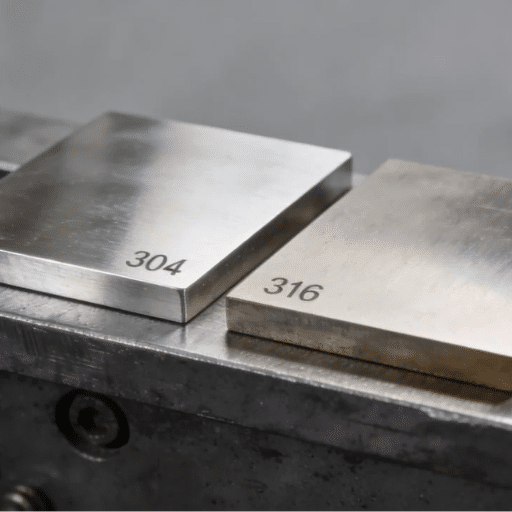
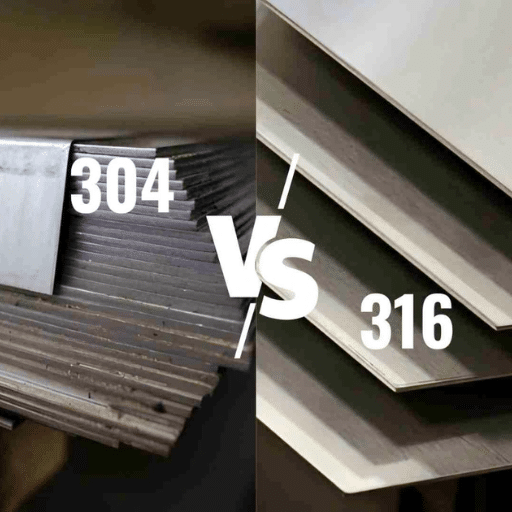
A: Most of the different types of stainless steel used in plate production are 304 stainless steel and 316 stainless steel. With each having its own characteristics such as resistance to corrosion and strength, they find application in different fields.
Q: What purpose do layers of stainless steel serve in the manufacture of stainless steel clad plates?
A: Stainless steel clad plates result from layering different grades of stainless steel. This complex process gives the plate superior mechanical properties with a corrosion-resistant face for use in harsh environments.
Q: What step in the manufacturing process of stainless steel plates is the last?
Note: This question did not have an answer provided in the original content.
Q: How are molten steels cooled in the making of stainless steel?
A: After the molten steel is poured into molds to embrace slab formation, gradual cooling is allowed to occur to take place. Gradual cooling benefits the stainless steel in terms of microstructure and stainless steel properties; hence producing a more durable product at the end.