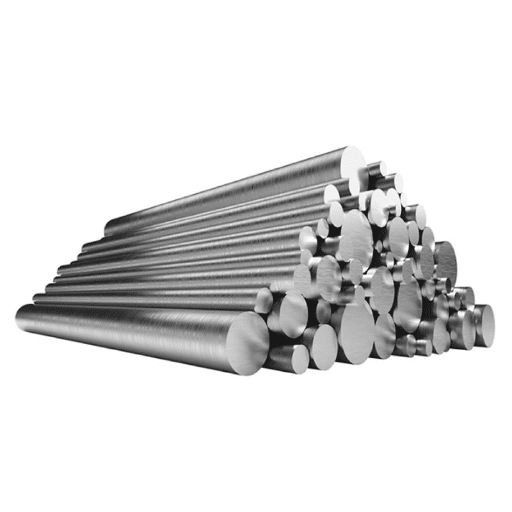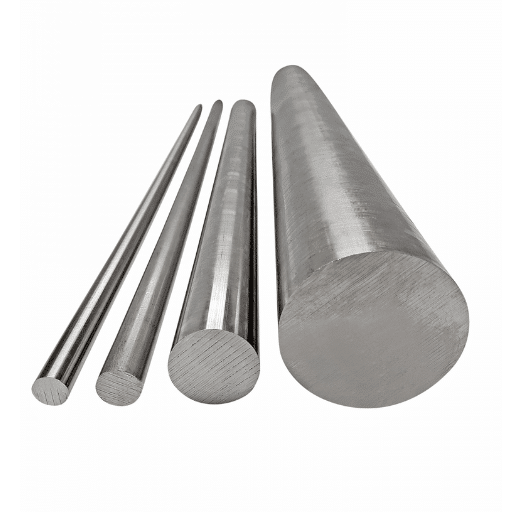
Steel round bars exist as one of the most widely used structural materials throughout global industrial operations because of their simple characteristics. The combination of high mechanical strength and dimensional flexibility and material adaptability creates a cylindrical form which works with all current fabrication and construction methods. The construction and automotive and aerospace and energy industries all use these bars as essential materials which they use for concrete reinforcement and precision-machined components and load-bearing structural elements. This guide presents the fundamental technical characteristics of steel round bars together with their manufacturing methods and available material grades and all factors which should be considered when selecting specifications for different uses.
Overview of Steel Round Bars

Definition, Types, and Material Categories
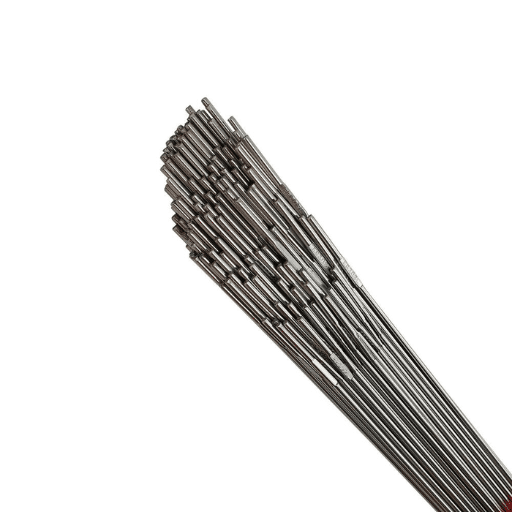
Steel round bars are long cylindrical metal products manufactured across a range of diameters and lengths, with either smooth or textured surfaces depending on the intended application. They are produced from three primary material families — carbon steel, alloy steel, and stainless steel — each providing a distinct combination of strength, corrosion resistance, and machinability appropriate to different operational requirements.
Hot-Rolled Round Bars
Produced through high-temperature steel rolling, hot-rolled bars have a rougher mill scale surface and less precise dimensional tolerances. They are suited to applications where surface finish is secondary to cost and volume — including structural construction work, concrete reinforcement, and large-scale industrial fabrication.
Best for: structural construction, large parts, cost-driven applications.
Cold-Rolled / Cold-Finished Bars
Produced through additional cooling and rolling stages, cold-finished bars offer precise dimensional control, smooth surfaces, and improved mechanical properties compared to their hot-rolled counterparts. These characteristics make them the specification standard for high-precision machining, automotive components, and applications requiring tight tolerances.
Best for: precision machining, automotive parts, decorative and dimensional-critical use.
Key Material Properties
Core Performance Properties
- ▸Tensile Strength — Exceptional capacity to endure extreme mechanical forces without bending or failure, making round bars viable for structural and dynamic load applications.
- ▸Corrosion Resistance — High in stainless steel variants, enabling deployment in marine, chemical processing, and high-humidity environments without supplementary protection.
- ▸Machinability — Compatibility with CNC machining, laser cutting, and 3D forming processes enables precise engineering work and extensive custom manufacturing across production environments.
- ▸Dimensional Consistency — Precise material composition and dimensional standards guarantee dependable performance in structural and high-performance applications across production runs.
- ▸High-Temperature Tolerance — Sustained mechanical performance under elevated operating temperatures enhances utility in industrial machinery and thermal processing systems.
Manufacturing Processes of Steel Round Bars

Production Stages
- 01
Raw Material Selection and PreparationThe selection process begins with the identification of base materials which encompass high-grade iron ore and scrap metal and manganese and chromium and nickel alloying elements. Advanced spectrometry and imaging methods verify uniformity in chemical composition and physical characteristics before production begins. Sustainable procurement practices increasingly include higher proportions of scrap steel to lower greenhouse gas emissions and comply with evolving environmental standards.
- 02
Melting and RefiningThe electric arc furnace (EAF) and basic oxygen furnace (BOF) process selected raw materials through their melting operation which reaches extremely high temperatures. The refining stage eliminates impurities while introducing alloying elements per the required steel grade specifications. The entire process uses computational thermodynamics tools to achieve exact control of chemical composition.
- 03
CastingMolten steel is transformed into intermediate forms through continuous casting or ingot casting. Continuous casting has become the preferred method because it produces output with consistent dimensions and fewer internal defects than ingot-based processes — improving both material quality and downstream processing efficiency.
- 04
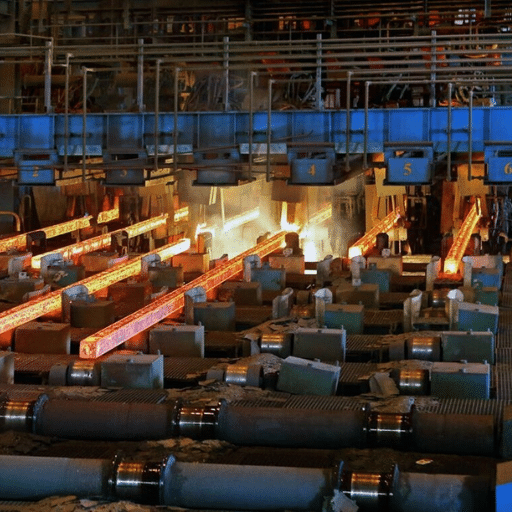
Rolling ProcessReheated billets and blooms pass through rolling mills across multiple stands to achieve the final round bar form. Automated control systems with real-time sensors maintain dimensional precision, surface quality, and mechanical strength consistently throughout the rolling operation — a critical control point for dimensional tolerance compliance.
- 05
Heat TreatmentThe steel grain structure improves through annealing and quenching and tempering processes which increase ductility and tensile strength to meet the mechanical requirements of specific end-use applications. The heat treatment parameters need adjustment based on the bar’s grade and its planned operational conditions.
- 06
Surface Finishing and InspectionThe process of grinding and descaling operations removes surface defects together with applied coatings which would negatively impact material performance. The non-destructive testing methods which include ultrasonic testing and magnetic particle inspection show both internal and surface defects while verifying that the bars meet industry standards before they enter packaging.
- 07
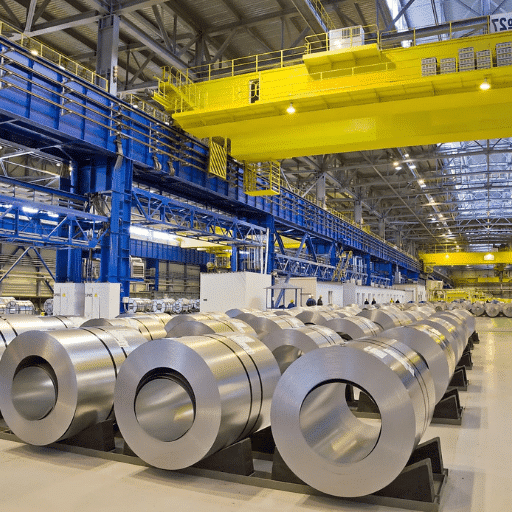
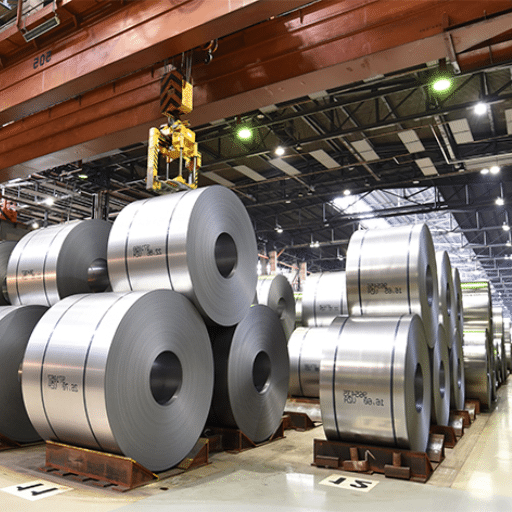
Packaging and DistributionInspected bars receive protective coatings and wrapping materials which protect them from corrosion and physical damage during their transportation process. Packaging specifications for bars depend on their bar grade and the environmental conditions of their destination and the duration of their storage requirements.
Quality Control and Precision Techniques
Modern Quality Assurance Methods
Non-Destructive Testing (NDT)
Ultrasonic testing, magnetic particle inspection, and radiographic testing detect internal and external defects without damaging the product. These methods are mandatory in most regulated supply chains and provide the documentation required for ASTM and ISO certification compliance.
High-Precision Laser Measurement
Laser measurement systems confirm product dimensions and tolerances across production runs, ensuring that dimensional specifications remain identical from the first bar to the last. This precision is especially critical for bars destined for CNC machining operations where tight tolerance control directly affects component fit and function.
Spectrometric Chemical Analysis
Spectrometry verifies steel chemical composition throughout the production process — confirming that alloy content meets strict regulatory and certification standards before any batch proceeds to the next production stage.
Industry 4.0 and IoT Monitoring
Steel manufacturers increasingly adopt IoT-enabled monitoring systems and machine learning algorithms that identify potential defects before they occur — improving production efficiency and reducing waste. Real-time analytics platforms track process variables continuously, enabling immediate corrective action when parameters drift outside specification.
Types of Steel Round Bars

Steel Grade Comparison
Stainless Steel Round Bars
The production of stainless steel round bars requires a chromium-rich alloy which contains nickel and additional elements to create material properties that provide excellent resistance to corrosion and high strength and extended service life. The improved mechanical properties enable both structural and decorative design work across construction and automotive and manufacturing and marine industrial sectors. The precision of their design together with their machining capabilities allows manufacturers to create various components which include bolts and nuts and shafts and fasteners.
The food and beverage industry specifically relies on stainless steel round bars because their non-reactive surface satisfies hygiene standards and prevents contamination. The extended operational life of stainless grades requires minimal maintenance which makes these materials cost-effective for demanding applications despite their higher initial material costs compared to carbon or alloy alternatives.
Carbon Steel and A36 Steel
Carbon steel consists of multiple grades which produce various strength levels and ductility degrees and machinability rates through different carbon content levels. A36 steel exists as the most common low-carbon structural steel type because it provides excellent weldability and forming capabilities. A36 steel meets the performance requirements of modern construction because it maintains strong tensile strength between 58000 psi and 80000 psi while providing the necessary flexibility to endure stress concentration in structural systems.
A36 steel functions well with modern production techniques which include CNC machining and laser cutting, making it suitable for use in construction, automotive manufacturing, and heavy equipment production. Higher-grade carbon steel specifications become necessary for applications which need enhanced hardness and resistance to wear.
Alloy Steel Round Bars
Alloy steel round bars are designed for industrial usage because they provide superior strength and toughness and wear resistance which exceeds the capabilities of carbon steel. The alloying process combines iron with elements including chromium, molybdenum, manganese, and nickel to achieve targeted material characteristics for specific performance environments. The 4140 and 4340 grades become the preferred material specification because chromium and molybdenum additives enable these grades to resist high-temperature and corrosive environments which are found in turbine components and oil and gas pipelines and aerospace structural parts. Modern precision-engineered alloy steel bars comply with ASTM A182 and A213 standards for the most demanding regulated applications.
Applications of Steel Round Bars

Benefits of Using Steel Round Bars

Durability and Strength
Alloy steel round bars withstand extreme tensile and compressive forces while preserving their structural integrity under severe conditions. The newest alloy customization technology allows engineers to create construction and automotive and energy industry materials which meet specific performance requirements.
Cost-Effectiveness
High damage resistance decreases the need for repairs throughout the entire lifespan of the equipment. The ability to customize dimensions and reuse materials throughout project cycles reduces waste production. The combination of advanced alloying techniques and environmentally friendly manufacturing methods results in decreased production expenses while maintaining product quality, which leads to construction and automotive and energy industry applications achieving excellent strength-to-cost ratios.
Versatility
Steel round bars serve industrial applications which require both structural frameworks and precise components and renewable energy foundations. The manufacturing process provides all engineering needs through custom shape and size and surface finish creation. The material family includes lightweight structural members and heavy-load industrial components.
Frequently Asked Questions
Reference Sources
- ▸Compressive Strength of Solid Round Steel Bars Examines the compressive strength characteristics of large-format solid round bars in both alloy and carbon steel grades under structural loading conditions.
- ▸Straightening Technology of Round Bars Using 2-Roll Rotary Straightener Analyzes the straightening process for steel round bars and its measured impact on final dimensional quality and mechanical performance.
- ▸New Types of Steel-FRP Composite Bar with Round Steel Bar Inner Core Introduces innovative composite bar configurations using round steel cores and characterizes their mechanical property profile for structural engineering applications.