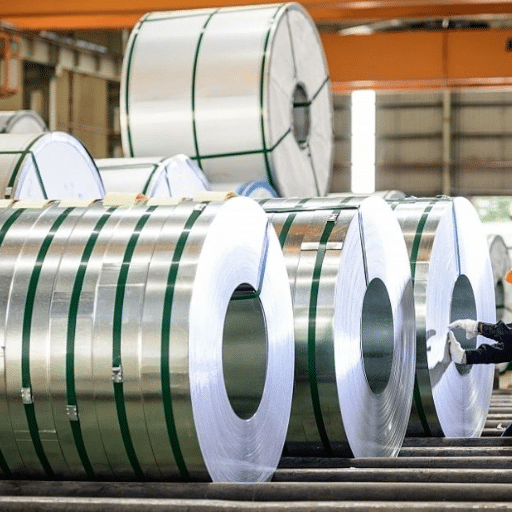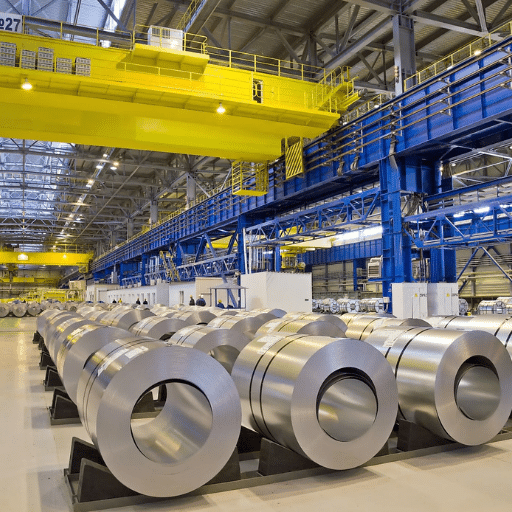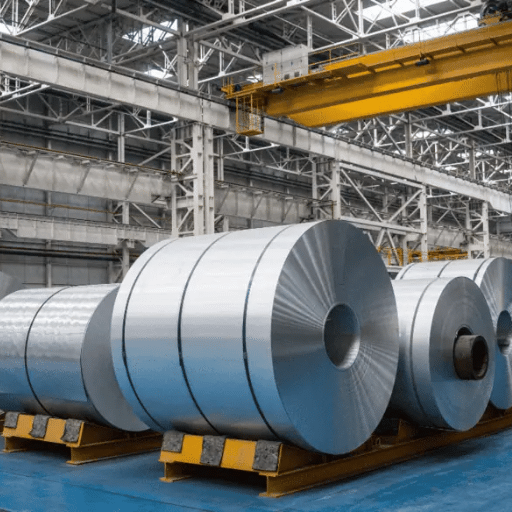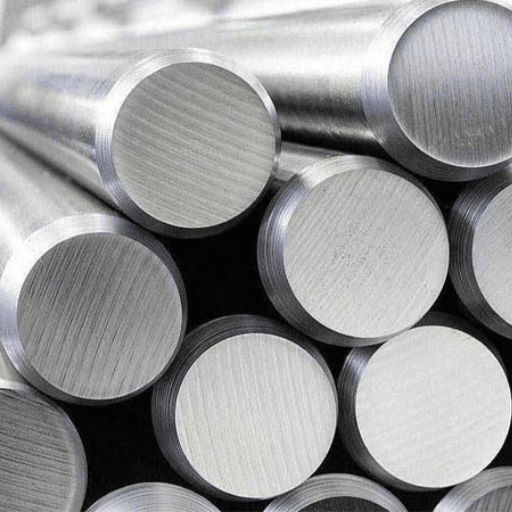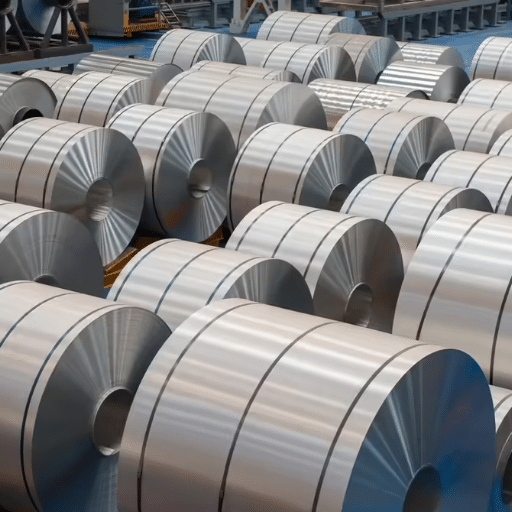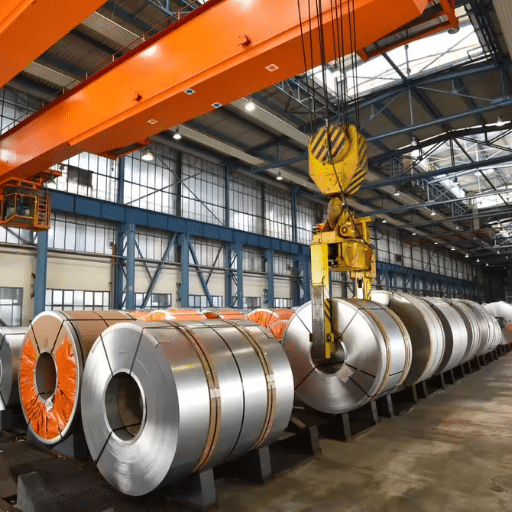
The global steel market has undergone major changes since the year 2000 because China has become the leading country for steel exports. China’s position as the world’s strongest steel producer enables it to control international trade patterns which affect all business sectors through price determination and supply chain management.
This article investigates the factors which caused China’s steel export growth by examining the economic and regulatory and industrial development strategies which enabled its expansion. The trend analysis will provide readers with understanding about its economic benefits and the difficulties which competing countries and global market stability will face.
Overview of China’s Steel Exports

Current Statistics and Data on Exports
China maintains its status as the leading steel exporter worldwide. The latest statistics show that China exported approximately 67 million metric tons of steel in 2023 which represents an increase from the previous year. The international steel market shows that this amount constitutes approximately 15 percent of worldwide steel transactions.
China exports steel primarily to Southeast Asia and the Middle East and specific regions of Europe, while Vietnam and the Philippines and South Korea purchase substantial amounts.
Key Export Drivers:
- Overcapacity in domestic production
- Government subsidies supporting industrial growth
- Advanced industrial strategies optimizing efficiency
- Reduced production costs through economies of scale
Chinese steel mills operate their facilities at maximum output capacity because they produce more steel than local markets can absorb, which creates opportunities for increased export activities. Chinese steel exports achieve high international market competitiveness because their production costs remain lower due to economies of scale and advantageous export regulations.
Historical Context and Trends in Steel Exports
The global steel export market has undergone significant shifts over the past few decades, driven by industrialization, globalization, and shifts in economic power. Steel production and export activities throughout the 20th century remained under the control of developed countries, which included both the United States and European nations.
China launched its entry into the worldwide steel market during the early 21st century after it implemented economic reforms and expanded its infrastructure development and modernized its steel production systems. According to the latest available data from global market research (as of 2023), China produces more than 53% of global steel output which makes it the leading exporter in the steel industry.
Regional Export Trends:
- Southeast Asia: Primary destination for Chinese steel exports due to infrastructure development needs
- Europe & Africa: Growing markets attracted by competitive pricing
- Emerging Markets: Vietnam and Turkey expanding steel export activities through manufacturing improvements
- EU & North America: Decreased market participation due to increased production expenses and environmental standards
Exporters have shifted their production focus to develop advanced steel products which can fulfill specialized market requirements because of the material surplus. Steel export competitiveness in the future depends on two critical factors which are innovation and sustainable development.
China’s Dominance in the Global Steel Market
China maintains its status as the leading steel producer and exporter because its production capacity exceeds half of global steel output. The latest data reveals that China produced 1.01 billion metric tons of crude steel during 2022 which demonstrates its unmatched production capability.
Three Essential Components of Market Dominance:
- Economies of scale enabling cost advantages
- State-sponsored industrial programs providing strategic support
- Complete control over industrial processes from mining to delivery
The search data indicates that worldwide interest in green steel together with eco-friendly production methods is rising because China invests in these technologies to satisfy international environmental standards. The country is beginning to implement hydrogen-powered steel production together with energy-saving technologies to achieve its carbon reduction targets.
The Chinese government uses financial support together with technological progress to maintain its steel industry market leadership despite economic downturns and changes in product demand. This approach will enable China to keep its present industry leadership while turning into the leading environmentally friendly steel manufacturer for upcoming decades.
Factors Influencing Steel Exports from China

Market Demand and Supply Dynamics
China’s steel export market depends on worldwide market conditions which create demand and supply imbalances. The latest data shows that global steel consumption patterns depend on three factors which include infrastructure construction projects and growth in automotive production and urbanization activities in developing countries.
Key Consumption Drivers:
- Infrastructure construction projects in developing nations
- Growth in automotive production worldwide
- Urbanization activities creating increased demand
Public dumping problems which China creates through its excessive steel production capacity lead to trade conflicts and market price fluctuations when its surplus steel supply enters global marketplaces. Recent search data reveals a significant uptick in interest regarding the environmental impact of steel imports, aligning with a growing consumer and government push for stricter carbon emission standards.
The trend shows that customers prefer sustainable steel products which meet their quality requirements implying that Chinese manufacturers must find ways to balance three business elements which include production capacity and product innovation and environmental assessment.
Trade Policies and Quotas Affecting Exports
Exporters face both obstacles and chances through global steel trade which governments control through their trade policies and export quotas. Recent data from search engine indicates heightened awareness of the environmental implications tied to steel production and export practices.
Multiple nations have established strict trade regulations which include anti-dumping tariffs together with import quotas to limit the volume of inexpensive steel imports. The policies arise from two main factors which include social commitments to protect the environment and the need to satisfy international climate change targets.
European Union Carbon Border Adjustment Mechanism (CBAM): Establishes import tariffs for products which contain high levels of embedded carbon emissions. The demand for emissions tracking and carbon tracing has increased which relates to the growing interest in searching for information about “green steel exports” and “carbon-neutral certification.”
Chinese steel manufacturers need to comply with these policies while also meeting international regulations which create both difficulties and chances for them to innovate. Exporters can stay competitive in the market by using sustainable production methods and advanced technologies to meet the growing need for environmentally friendly steel products.
Impact of International Trade Agreements
Sustainability has emerged as the central focus of international trade agreements which results in significant effects on the steel sector that affects exporters trying to comply with new environmental requirements. Data from search trends shows that people worldwide have developed increased interest in the terms “green steel exports” and “carbon-neutral certification” which shows that the market now prefers eco-friendly certified materials.
The trade agreements establish strict emission reduction requirements which need companies to obtain sustainability certifications before they can use tariff benefits that are linked to environmentally friendly manufacturing methods. The European Union has established the Carbon Border Adjustment Mechanism which rewards companies that produce clean energy while punishing those which release high emissions into the environment.
International trade partnerships operate as innovation drivers which lead to the adoption of advanced low-carbon technologies according to the analysis of present search engine data and regulatory patterns. Companies that do not meet these new standards will lose access to the market while business, who adjust to these changes will experience growth in their market position during the development of the environmentally friendly economy.
Recent Trends in Chinese Steel Exports

Record Export Volumes in 2024
The record export volumes of Chinese steel in 2024 result from two factors which include ongoing global market demand and Chinese manufacturers’ deliberate pricing choices. Insights from search engine data highlight a sharp increase in queries related to “low-cost steel suppliers” and “carbon-neutral steel imports” which developing economies use to evaluate affordable materials that meet their construction requirements.
The trend demonstrates that China’s production efficiency combined with its green technology adoption has enabled it to establish an advantage over competitors.
Market Position Analysis:
The search data shows that industries which implement green-certified supply chains show rising interest in Chinese steel because Western markets enforce carbon regulations. The questions about China sustaining its production method face two main obstacles which involve current international conflicts and future tariff implementations.
The basic problem exists because people need to determine whether China can sustain its production system which depends on volume during times of disruptive technological changes. Organizations must evaluate their research policies together with their international trade operations during the next upcoming years.
Emergence of New Markets in Asia
Three primary elements drive the development of Asian markets through their process of economic freedom and quick digital technology adoption and their changes in international trade routes. The most recent search engine trend data shows that people worldwide have increased their interest in Southeast Asia e-commerce growth and Asian middle-class development through their search behavior.
Emerging Competitors:
- Vietnam: Positioning as alternative manufacturing hub
- India: Expanding global production capabilities
- Indonesia: Developing technology infrastructure and ecosystems
- Regional Focus: Digital infrastructure, startup growth, and skill development
The traditional market structure in Asia continues to be disrupted by emerging markets which adopt advanced technologies such as artificial intelligence and automation to achieve faster development progress. To achieve success in international markets, China needs to develop new strategies which focus on bringing forth innovative solutions while building cooperative trade relationships throughout the Asia-Pacific region.
Effects of Global Economic Conditions
The global economy undergoes major transformations because multiple factors which include inflation trends, central bank policies, worldwide conflicts, and supply chain disruptions interact with each other. Recent data highlights the critical role of technological adaptation as companies seek efficiency amidst fluctuating market conditions.
The search engine data shows that people have increased their search activities about “how inflation affects investments” and “what supply chain alternatives exist” because they want to protect their money and learn about reliable business methods.
The public has started searching for energy crisis solutions because they worry about energy insecurity which results from changing oil and gas markets and the shift to renewable energy. The global economic stability reaches a new equilibrium through which technological innovation and resource management and real-time economic policy adjustments operate.
Impact of International Policies on Steel Exports

Trade Restrictions and Tariffs
The global steel export market experience major changes because of trade restrictions and tariffs which affect both steel pricing systems and industry competition patterns. Data from search trends reveals heightened interest in terms such as “steel tariff impacts” and “steel import regulations,” which demonstrate public interest in studying market effects created by these regulations.
Domestic industries receive protection through tariffs, yet these tariffs create unpredictable price changes together with disruptions in supply chain operations. Countries that impose high tariffs on steel imports will decrease their need for foreign markets but will create higher production expenses for their domestic manufacturers who depend on imported materials.
The global search behavior analysis shows that trade restriction concerns extend beyond local boundaries because people fear market instability. The analysts need to evaluate how these policies together with economic changes and international political tensions create variations in steel consumption patterns.
Environmental Regulations and Their Implications
Environmental regulations have evolved through three decades to create an extensive set of rules which protect the environment by reducing industrial waste and supporting environmentally friendly practices. The regulations require industrial operations to follow emissions standards and waste management protocols while achieving energy efficiency targets, which increases production costs for steel manufacturers.
Regulatory Requirements:
- Emissions standards compliance
- Waste management protocols
- Energy efficiency targets
- Carbon reduction monitoring intensification
The search engine data shows that total queries about “green steel production” and “sustainable industrial practices” have grown at an exponential rate which demonstrates that more people are researching these topics. The trend drives businesses to start aligning their production processes with existing regulations because government agencies are now intensifying their carbon reduction monitoring activities.
Environmental compliance has become essential for market competitiveness because consumers and investors now prefer businesses that demonstrate strong sustainability performance. Businesses must adopt environmental considerations into their operating models because it enables them to maintain their competitive edge in the global marketplace which is constantly changing.
Future Trade Agreements and Their Potential Effects
International trade agreements will create substantial changes in global economic systems because countries now face challenges related to their interdependent supply chains and changing consumer demands and international political conditions. The agreements between countries work to decrease trade barriers through tariff reductions while bringing regulatory consistency and improved opportunities to invest across national borders.
The data indicates that trade agreements which prioritize digital commerce and environmental technology and intellectual property protection have emerged as the primary focus for industries which shift toward market innovation. Digital economy provisions in agreements such as Comprehensive and Progressive Agreement for Trans-Pacific Partnership (CPTPP) enable organizations to implement data sharing protocols while supporting their e-commerce operations.
The implementation of trade agreements creates opportunities for countries to determine their economic direction and their environmental impact and their technological development. The stakeholders must find a balance between business expansion and sustainable development together with their target to establish dedicated resilience measures which will help them manage upcoming worldwide market difficulties.
Future Outlook for Steel Exports from China

Projections for 2026 and Beyond
The present market conditions along with current data forecasting of Chinese steel exports for 2026 show that the country will gradually transition towards producing high-value environmentally friendly steel products. This development supports China’s active efforts to decrease carbon emissions from industrial activities while meeting international environmental regulations.
Future Growth Factors:
- Green Technology: Hydrogen-based steel production methods improving international competitiveness
- Infrastructure Development: Growing demand from developing countries’ urban expansion
- Market Expansion: New trade partnerships in emerging markets
- Challenges: Geopolitical developments and tariff implementations by major trading nations
China’s steel export future in 2026 and later years will rest on its capacity to combine research advancements for new technologies with its environmental obligations and flexible international trade methods.
Innovations and Sustainability in Steel Production
The steel industry is changing its operations to create environmentally friendly methods that can fulfill the rising global demand for its products. The industry is currently undergoing this transformation through the implementation of hydrogen-based steel production methods combined with carbon capture and utilization and storage (CCUS) technology.
Key Technological Innovations:
- Hydrogen-Based Production: Direct reduced iron (DRI) with up to 90% emissions reduction vs. traditional methods. Hydrogen-based production methods achieve better environmental outcomes than traditional production methods.
- Renewable Energy Integration: Solar and wind systems powering electric arc furnaces (EAFs) Renewable energy systems enable solar and wind power generation to operate electric arc furnaces.
- Advanced Recycling: Enhanced scrap steel recycling reducing resource consumption Advanced recycling methods enable better scrap steel recycling which leads to lower resource usage.
- CCUS Technology: Carbon capture and utilization for reduced environmental impact CCUS technology enables carbon capture and utilization to decrease environmental damage.
International sustainability efforts gain more support through environmental regulations including the European Union’s Carbon Border Adjustment Mechanism (CBAM) and various worldwide decarbonization programs.
The existence of these regulatory systems compels businesses to create new solutions which will help them maintain their market position during industry transformation. The steel industry chooses modern technology implementation together with strict environmental compliance as its method for achieving sustainable development while solving international climate change issues.
Challenges Facing the Chinese Steel Industry
The Chinese steel industry currently encounters problems which threaten its environmental sustainability and its international market competitive ability. The domestic market has reached its maximum capacity which creates essential operational difficulties for the industry.
Primary Industry Challenges:
- Overcapacity pushing down prices and increasing emissions
- Paris Agreement compliance requirements creating international pressure
- High capital expenses for hydrogen-based steelmaking implementation
- Stricter trade barriers and protectionist measures in export markets
- EU’s CBAM increasing costs without carbon emission proof
- Fluctuating raw material prices affecting operational efficiency
The Chinese steel sector needs to find a way to comply with national environmental laws while maintaining its leadership status in the global steel production market. The organization needs to develop comprehensive operational plans which will help them accomplish energy efficiency improvements and green technology implementation together with their international partnership efforts to exchange knowledge and creative ideas.
Frequently Asked Questions
How have steel exports from China affected global trade flows in 2024?
The steel export increase from China in 2024 has created permanent changes to international trade patterns which now affect steel production facilities across Asia and India and Turkey and other regions. The increased shipments have pressured downstream producers and led some governments to consider or apply import taxes and quotas to absorb the extra volume.
The industry intelligence reveals that international construction and infrastructure demand has not matched Chinese production capacity which leads to perpetual market oversupply. Trade statistics become more difficult to analyze because data shows that pig iron and semi-finished steel shipments have increased together with finished steel products.
The result is a mix of diplomatic accord attempts and protective measures by major importers, including the U.S.
What steel export volumes will China achieve between 2025 and 2026 according to upcoming records?
The forecasts show different results but multiple predictions indicate that Chinese exports will reach historic highs between 2025 and 2026 according to current domestic demand levels and production output. The analysts evaluate potential policy actions which include export quotas and taxes and incentives for domestic and international output distribution.
The market intelligence report states that the industry will enter a lengthy decline with decreasing prices unless construction and manufacturing demand increases. Structural reforms and better international trade agreements will decrease shipment volumes while markets will gain capacity to handle extra shipments.
Production data requires continuous monitoring along with government report tracking because it helps improve estimation accuracy.
How do Chinese steel product exports impact domestic steel manufacturers in countries that import these products?
Chinese exports create price competition which reduces profitability for domestic steel mills and associated businesses in importing countries who must compete with various steel products from China. Importers may experience reduced orders for locally produced pig iron and finished steel as cheaper Chinese material gains market share.
Governments establish anti-dumping measures together with taxes and quotas to defend their domestic markets and construction industry. The domestic steel industry undergoes consolidation through continuous import pressure which results in companies adopting different production methods across their entire operational spectrum.
International trade intelligence together with trade flow analysis enables policymakers to assess whether current measures serve as quick solutions or create permanent shifts in system fundamentals.
How do shipping and shipment costs influence China’s international steel trade?
The competitive strength of Chinese steel exports depends on shipment costs, which determine market viability for distant markets through their freight rate levels. The operational efficiency of international shipping networks brings two main effects because it causes distribution delays and additional expenses which lead to changes in trade patterns and contractual arrangements.
Exporters sometimes absorb part of the freight cost to maintain market share, which can hide the true price pressure on the industry. Trade intelligence shows that Chinese mills maintain a competitive edge against distant rivals because their steel products need to be transported to major Asian ports.
Export trends can only be studied through shipping patterns and port throughput information.
What policy tools do countries use to manage Chinese steel imports?
Many importing countries use quotas and anti-dumping duties and safeguard measures and tariffs as policy instruments to control Chinese steel imports which they consider to be excessive while safeguarding their essential domestic industries. These policy tools aim to prevent market distortion, safeguard employment in downstream sectors, and allow time for the rest of the world to absorb excess capacity.
The economic measures will create a situation which causes other parties to start negotiating about international trade disputes. The effectiveness of these tools depends on careful intelligence, accurate production and shipment data, and coordination with domestic industry needs like construction and manufacturing.
Domestic steelmaking processes will face two major challenges because excessive protection will create competitiveness issues and slow down essential structural changes.
How does China’s domestic production and demand affect its role as the largest steel exporter?
China exports the highest amount of steel because its domestic steel production matches its internal demand; construction activities in downstream industries create excessive output, which needs to be exported when production levels exceed current demand.
The government uses employment stabilization policies together with regional economic development initiatives to support mill operations which results in higher export capacity for steel companies. Organizations which aim to reduce pollution through capacity restrictions end up decreasing export activities while creating tighter international market conditions.
The indicators that analysts use for export predictions include pig iron output and mill utilization rates and domestic construction starts. Internal organization activities lead international markets to adjust their inventory levels and trade policies and purchasing decisions.
Reference Sources
- Analytical Input-Output and Supply Chain Study of China’s Coke and Steel Sectors – Explores China’s dominance in the global steel and coke markets.
- China’s Steel Industry and Its Impact on the United States: Issues for Congress – Analyzes the impact of China’s steel exports on the U.S. market.
- Impacts of Environmental Policy in China’s Beijing-Tianjin-Hebei Region: A Case Study of the Iron and Steel Industry – Examines environmental policies affecting China’s steel industry in a key region.