Stainless steel is highly valued for its longevity, corrosion resistance, and versatility, which is why it is necessary in various socio-economic activities. Out of the numerous grades of steel, 304 and 316 stainless steels are considered as the most frequently used and they are specified as those suitable for high performance even in the most demanding conditions. Nevertheless, in as much as these two grades look similar on the face of it, they differ in terms of composition, characteristic properties, and their best use. This blog focuses particularly on the major contrasts of two types of stainless steel, that is 316 and 304, in the aim of assisting you in the selection of a more suitable material for your needs. We will scrutinize these two grades from their chemical constituents to their ability to resist the environment and justify the reason why it is critical to the engineering sectors like construction, general industry, including the shipbuilding. Keep on the lookout for updates centered on essential points for acquiring knowledge and making the correct decisions.
Introduction to Stainless Steel Plates

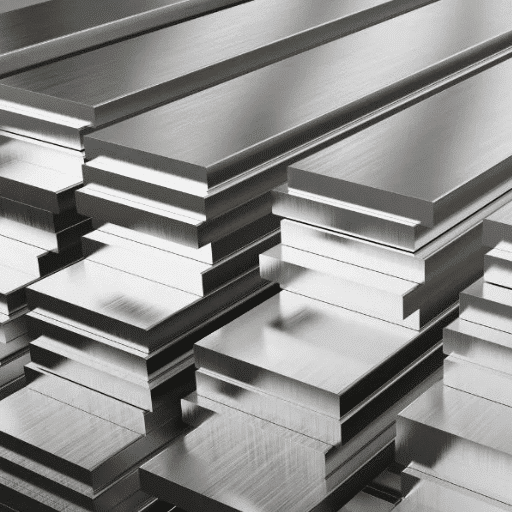
Stainless steel sheets have longer sustainable times and are also needed in today’s technology for various manufacturing processes in addition to their latest embossment. Their carbon, chromium, and nickel are alloyed in the steel together with iron as the major element. The grade of these plates differ and some of the plates are normally 304 or 316. These grades have varied applications and they operate differently when subjected to different environments like chemical exposure, marine issues or even temperature variations. These steel plates in comparison with other materials are very reliable mainly because they are able to serve for a long period of time and are also very easy to keep. Such steel plates have the construction, manufacturing, processing of food and marine applications in perfect working condition:
Overview of Stainless Steel Plates
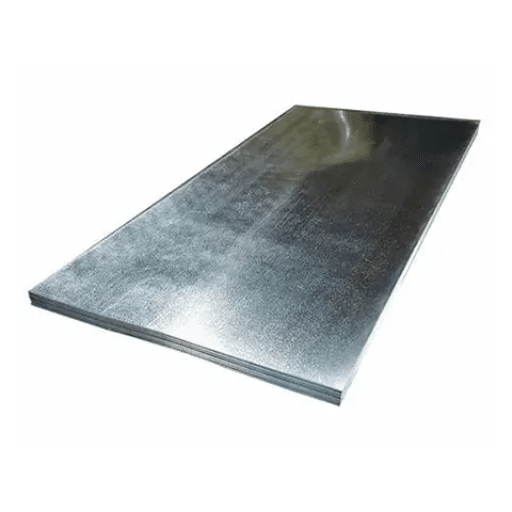
Stainless steel plates consist mainly of iron, cobalt, and nickel with minor amount of some other elements such as molybdenum, nitrogen or manganese varying with the stainless grade in particular. The reason why it is difficult for stainless steel to rust is because of its high level of chromium ion which forms a passive layer around the steel of 10.5% by weight. Addition of alloying elements enables the resultant material to have the desired properties for intended performance levels since these materials are engineered. For example, type 304 austenitic stainless steel, which is very common in applications, has good corrosion resistance and is not easily corroded in normal environments while Type 316 molybdenum stainless grade offers a further protection in aggressive chloride-rich and marine environments.
Due to the significant role that it plays in a number of areas, the ability of stainless steel plates to resist getting damaged by oxidation coupled with the acceptable strength it offers proves that it is very much useful to a great extent when it comes to many industries. Furthermore, due to the reasons of its resistance to extreme conditions, for example, high temperature or pressure and varied cryogenic temperatures, and the fact that it is recyclable, stainless steel plates are considered useful and economical under the perspective of sustainable development.
Importance of Choosing the Right Stainless Steel
The choice of a specific class of such alloys is critical because the benefits and drawbacks of the respective material affect how well and for how long it can be used. Variations in different types of stainless steel have different behavior in terms of properties such as resistance to chemical attacks or strength and hardness and heat resistance characteristics. For example, most common versions of pearlitic stainless steel, for instance, such as 316 and 317 or 304 are used when ridged corrosion resistance and non fixed positioning of the component are necessary such as in marine or Nafdac standard ingredient production industries. Another example, is where the application of martensitic grades like 410 and 420 comes in, as these materials offer higher levels of strength and wear resistance and are therefore used in applications that concern devices like cutting implements as well as valves.
Involving the context of any project, determining its regulatory and mechanical opertation standards, as well as the type of environment determines the type of stainless steel to use. For example, if the environment involves highly acidic solutions of chloride ions as would be in the case of chemical processing plants, then one would have to consider stainless steel with a high molybdenum content such as grades 316 or 317 to prevent pitting and crevice corrosion. In other examples, as in high temperatures, ferritic or duplex grades may have to be used where it is important for them to help in maintaining the high structural integrity without adversely affecting oxidation or scaling resistance.
Without any doubts, selection helps adherence to regulations in the area minimizing repair costs, increasing resistance and eliminating bottlenecks. The awareness of the technical client needs and product offers makes decision making and material application improve just that.
Properties of 304 and 316 Stainless Steel

- Composition: Contains about 18% chr and 8% nck which exhibit corrosion resistance.
- Corrosion Resistance: Lend itself to general applications and offers good resistance to most environmental conditions without over exposure to chlorides.
- Strength and Durability: Very strong with good elongation properties as well as substantial impact strength even at very low temperatures which can result in severe deformation.
- Applications: Rapidly becoming a popular choice for kitchen items and household durable goods (e.g., automotive products, etc.) because of the good combination of price and performance.
- Composition: Amended in that the same is approximately 16% chromium, 10% nickel and 2% molybdenum hence having better resistance to chemical degradation as contrasted to the typical 304.
- Corrosion Resistance: In the proportion of molybdenum present, the alloy increases its crack resistance in marine or chloride attack prone environments.
- Strength and Durability: It has high strength and same life span as 304 but slightly increased toughness in the harsh conditions.
- Applications: In operational areas that call for more resistance to pitting and stress corrosion cracking including the ocean and the chemical industry area, this material tends to be applied more often.
Chemical Composition of Type 304 Stainless Steel
Type 304 austenitic stainless steel grade fulfills it role in general engineering and all levels of the food processing environment as it is corrosion resistance steel. The quality is pretty much influenced by the following elements:
- Chromium (Cr): 18.0% to 20.0% – Increases corrosion and oxidation resistance by providing a stable passive film on the surface
- Nickel (Ni): 8.0% to 10.5% – Increases strength, corrosion and high temperature toughness
- Carbon (C): Maximum 0.08% – Used to stabilize the microstructure of the steel, preventing carbide precipitation.
- Manganese (Mn): Maximum 2.0% – Improves resistance to wear and clutzenability.
- Silicon (Si): Maximum 1.0% – Silicon content to be reduced and decreased effects of oxidation.
- Phosphorus (P): Maximum 0.045% – Such a low level of phosphorus is usually maintained to administer a desired level of ductility.
- Sulfur (S): Maximum 0.03% – How the sulphur level is controlled as to ensure machinable and good overall mechanical properties.
- Iron (Fe): Balance – Is synergistic, and when combined with the above operational and structural elements they serve as the basic volumetric constituent.
Indeed, this specific element as part and parcel of Type 304 stainless steel enables it to be used in a wide variety of applications including obtaining the balance in strength, weldability and attack resistance to make this one of the most used stainless steel grades in the world.
Chemical Composition of Type 316 Stainless Steel
Type 316 stainless steel is an austenitic stainless steel with molybdenum, known for its resistance to corrosion, particularly in environments where there is free motion of chlorine. A list of the elements and their percentage composition characteristic to Type 316 stainless steel is trud gear. Examine the following:
- Carbon (C): Maximum 0.08% – This low level of pressor content helps to minimize the formation of different carbide phases during the process of welding, as well as increase the resistance of the material to intergranular corrosion.
- Chromium (Cr): 16.0–18.0% – Forms the essential layer of passive oxide that offers the resistance to corrosion.
- Nickel (Ni): 10.0–14.0% – Helps in toughness and makes better resistance to oxidation.
- Molybdenum (Mo): 2.0–3.0% – This crucial element is the reason behind the steel’s ability to face pitting and crevice corrosion in areas rich in chlorides.
- Manganese (Mn): Maximum 2.0% – Assists deoxidation operation during metallurgical practice and toughening process.
- Silicon (Si): Maximum 0.75% – Very essential in improving the high temperature oxidation resistance.
- Phosphorus (P): Maximum 0.045% – Must be controlled as this element nominal makes the material brittle upon heating.
- Sulfur (S): Maximum 0.03% – The minimum proportion of the sulfur is preserved to make metal cut easily and to assist in welding.
- Nitrogen (N): Maximum 0.10% – In combination with other elements, nitrogen improves pitting resistance and increases the mechanical strength of the metal.
- Iron (Fe): Balance – It is the base metal, all other elements being alloying ones.
It allows type 316 stainless steel to perform exceptionally well in aggressive settings such as water bodies, chemicals and especially the manufacturing of health care apparatus such as belt problems. There are numerous advantages to using this material such as its broad maintenance coverage to swelling, dimensional variations, pitting and crevice corrosion which makes it especially suitable for applications where high service reliability is required.
Key Differences Between 304 and 316 Stainless Steel

Corrosion Resistance
Not only the name of stainless steel 304 and its modification 316 is modified by the addition of additives, which leads to some differentiated characteristics of these materials. In particular, the content of molybdenum in 316 steel provides for a better protection against pitting and crevice corrosion attacks. This is quite important since such degradation is common in environments where chlorides like seawater or de-icing salts are present. Consequently, for marine applications and other chemical exposed environments, 316 is the most suitable.
Strength and Durability
The two steel grades are hard and firm with equal abilities, however, 316 stainless steel has higher tensile strength in comparison to 304 and is an alloy of interest for engineering applications where mechanical properties are of importance. The presence of molybdenum enhances the corrosion resistance as well as the mechanical strength making it favorable especially in severe conditions.
Suitability for Applications
304-grade steel is a very broad category covering the lowest chrome and nickel levels relatively responsive to a range of general-purpose applications. Apart from culinary and other sterility-sensitive amenities applications, the category of 304 steel is also extensively used in the industry.
304 vs 316 Stainless Steel: A Comparison
| Parameter | 304 Stainless Steel | 316 Stainless Steel |
|---|---|---|
| Composition | Contains chromium and nickel | Includes molybdenum for added corrosion resistance |
| Corrosion Resistance | Adequate for most environments | Superior, especially in saltwater and acidic conditions |
| Cost | Lower compared to 316 | Higher due to molybdenum content |
| Strength | Standard strength suitable for general-purpose uses | Comparable strength with better resistance to cracking |
| Temperature Performance | Performs well in normal settings | Performs better in extreme temperatures |
| Applications | Kitchen equipment, architectural elements | Medical devices, marine hardware, chemical industries |
| Magnetic Properties | Non-magnetic in annealed form | Non-magnetic in annealed form |
| Weldability | Good weldability; widely used in welding applications | Excellent weldability; ideal for harsh environments |
| Resistance to Pitting | Prone to pitting in chloride-rich environments | Highly resistant to pitting |
| Longevity | Durable under regular conditions | Exceptional longevity in harsh conditions |
| Aesthetic Appearance | Bright, polished finish | Similar appearance with added durability |
| Fabrication | Easy to fabricate | Slightly harder due to molybdenum content |
Applications of 304 Stainless Steel Plates
Food and Beverage Industry
Type 306 is another member of the stainless steel family. It is known for its great ability to work in acidic environments and it possesses greater corrosion resistance than its other family members.
Chemical Processing Plants
These two metals are quite useful in the chemical industry, where machinery might be required to work in alkaline environments. Correspondingly, they are much more popular for use by the chemical industry.
Construction and Architecture
Widely found in constructional works and interior or exterior design in the forms of 304 stainless steel board, the alloys are indeed processed through several phases of polishing for that extra shine look and finish while avoiding any marks or scratches. External uses of these alloys are usually in curtain walls, bridges, gutters, balustrades and so on.
Automotive and Transportation
For instance in cars, 304 stainless steel is not only perfect for use in exhausts but also other automotive components like moldings and even tanks because it is able to withstand the higher temperatures and outsides are harsh environments.
Medical Equipment
This alloy is also incorporated in medical facilities for manufacturing surgical instruments, hospital case carts, sterilization containers and the likes since it does not rust and it is very easy to clean. That is restoration and maximizing care in medical applications for the maintenance of sterile conditions in a medical facility’s operation.
Energy and Power Generation
304 stainless steel is one of the durable materials used for manufacturing equipment for energy-plus applications, namely solar collectors and wind turbines. Additionally, these plates are also used in mechanical equipment for the power industry for their tolerance to high temperature or chemical attack.
Applications of 316 Stainless Steel Plates
Marine and Coastal Environments
316 stainless steel is used significantly in marine applications due to its outstanding capability against chloride and brine pitting. Typically, the main applications are fittings on boats, marine pumps and harbors’ elements. The stainless steel that is utilized in such systems is also able to endure saltwater and therefore minimal maintenance is required.
Chemical and Pharmaceutical Industry
This particular grade of stainless steel is also known to find food processing relevant applications and industrial equipments that include tanks, pipelines, and heat exchangers. Moreover, it is also used for pharmaceutical manufacturing units where the manufacture of impurities free products is a major challenge and performs very well.
Food and Beverage Processing
The inherent clean characteristics of 316 stainless steel plates as well as their resistance to alimentary acids and alkalis contribute to their ability to satisfy food safety requirements. They are primarily employed in equipment such as mixer, fermenting, and storage tanks used in dairy and beverage plants.
Medical and Surgical Applications
On the other hand, the use of these plates is quite extensive in the medical field whereby they are employed for instance in surgical transcatheter valve implants, biomedical tools and objects and other medial purpose components. The appropriate medical sterilization procedures currently available ensures that applications of these materials provide beneficiary health services as required.
Aerospace Industry
Furthermore, 316 stainless steel plates are gained in importance for being strong and erosion resistant for aerospace purposes where variable thermal expansion coefficients do not impede their strength and ability to offer resistance to fuel, chemical solvents.
Oil and Gas Industry
316 stainless steel plates are resistant to a wide variety of ailments brought by pressure, temperatures, and chemical elements- making them essential for use in offshore platforms, pipelines, and refinery equipment exposed to hydrogen sulphide as well as other hydrocarbons.
Advantages of Using High-Quality Stainless Steel Plates

Exceptional Corrosion Resistance
High-grade stainless steel sheets are remarkably durable and robust, while they have the inherent ability to resist rusting, get affected by oxidation, and get corroded, these properties ensures that they still do not wear out in use even when it is harsh metal into marine, chemical and as well as industrial uses.
Durability and Strength
Moreover, the plates have good strength – particularly with regards to the yield and tensile strength – and therefore the material does not usually experience failure but rather ‘deforms’ under stress to a set level. This is evident when the forces applied are very high or a very heavy load is transported.
Temperature Tolerance
For instance, the toughness is appreciated when it comes to temperature changes, there will be areas where the requirement of heat resistance is present with cold resistance as well, Such as cryogenic and high temperature applications.
Low Maintenance
Thus, high-grade material ensures low maintenance requirements due to its high resistance and ease of cleaning, further ensuring a smooth performance and specific parameters during the service life thereby achieving cost-effectiveness.
Sustainability
Unquestionably, stainless steel is worth respect. The first reason is that this material is recyclable, and its application considerably reduces the environmental problems generated in the course of related network substance use.
Benefits of Corrosion Resistance
The advantage of materials like stainless steel in resisting corrosion cannot be overemphasized especially in the long-term where there is a tendency of water, chemicals or even harsh weather for instance. The protective (corrosion-resistant) surfaces can help to hold up the material against any type of harm and all, therefore, machine as well as the building are able to perform its function to the intended period. This facility is all the more necessary in construction, shipping, and petrochemical industries as the action of strong corroding agents forms a regular practice. Speaking of which, the ability to resist it helps reduce both servicing and replacement – not just in terms of cost but also by making the equipment work more efficient. Not only this, corrosion resistant materials are being improved continually through research and development so that they can perform better in less favorable climatic conditions, thereby promoting economic development by minimizing environmental degradation.
Durability and Longevity in Various Industries
The resistance of stainless steel which comes from its durability has far reaching importance in a very large number of applications. Such qualities as high tensile strength and anti-wear property make it very useful in engineering situation where a great degree of force is applied e.g. aeronautics, building, and machines. Like in the case of building applications, stainless steel can be seen in the use of structural parts of buildings which see alternating loads in addition to being unprotected from external agents but must also resist for a very long time the corrosive effects of environmental elements and pollution. In the energy sector for example, stainless steel materials are valuable in green energy equipments such as wind turbines because it can be under extreme conditions for long physical exposures without degradation.
Over time, the low wear and the high temperature favouring the alloy measures, is expected to mitigate the frequency of low relative cost of live parts replacement and the associated costs of material waste generation. In order to make a progressive commitment to invest in the future, it is necessary to expand the use of cryogen and heat-resistant stainless steel. The high versatility and reliability in performance that this material exhibits makes it the most suitable option for use in processing plants that are meant for handling chemicals, refineries and the manufacture of car spare parts among other vital aspects where safety and sustainability are paramount. Overall, the package of the said attributes, such as energy efficiency and environmental friendliness, when applied to stainless steel, provides critical advantages that encourage innovation and enable performance in a variety of industrial applications.
Cost-Effectiveness of Stainless Steel Plates
Stainless steel plates withstand the test of the most cost-effective due to their exceptionally strong, mild maintenance condition, and long service life even though the initial investments are quite high as compared to other materials. Despite the higher starting costs in comparison to other materials, the total costs also present a very attractive prospect. Such savings come up as a result of increased opposition to the actions of corrosion and wear and tear thus reducing the need for such corrective measures in heavy duty areas. Stainless steel plates are also eco-friendly to a greater extent as it is possible to reclaim up to considerable value for the rolled material once it completes its lifecycle. Such attributes justify the use of stainless steel plates such as those in an environment where the objective is to reduce costs associated with the operation of the facility as well as lower the cost of operations for the production itself. For useful material and product designs, construction and infrastructure developments are among the most important application areas of these plates, as they have benefits like being durable and costing less in the long run over other materials, which is ideal in the design of the sustainable ones.
Industry Applications for 304 and 316 Stainless Steel

Food and Beverage Industry
- 304 Stainless Steel: Most equipment such as countertops, storage tanks and sinks is generally made out of this type of steel because it is easy and effective to clean and has corrosion-resistant properties that can withstand most heat treatment of foods.
- 316 Stainless Steel: If the foods contain lots of acidic substances or dairy products, 316 steel should be utilized to produce the equipment primarily because it has a higher corrosion resistance to chloride compounds.
Marine Industry
- 304 Stainless Steel: Ordinary fixtures are typically made from 304 stainless steel employed in marine conditions.
- 316 Stainless Steel: A type of stainless steel which is better suited for rough marine environments characterized by salt water exposure most of the time because exhibits better pitting resistance.
Construction and Architecture
- 304 Stainless Steel: Applied to structures, handrails, and decorative elements within the building.
- 316 Stainless Steel: Employed for the fabrication of site components such as building faces and bridges which have elements with a high potential for corrosive effects including sea water.
Medical and Pharmaceutical Sector
Both grades are used for medical devices and pharmaceutical equipment, but 316 Stainless Steel is the more dedicated of the two because of its resistance to sterilization chemicals and saline environments.
Construction and Architecture
Embedding of stainless steel has seen a major change in the construction and decorative trades over years with its extensive adoption due to its strength, long life and beauty unlike other metals. In this regard, the most widely available grades 304 and 316 stainless steel are utilized to meet the desired environmental and project requirements.
304 stainless steel is the most common used type of the stainless steel for primary structural applications, in designing hand rails, fabricating partitions, and at other structural sites. This is because it is quite easy to fabricate and is as well cost effective. Such use is even more efficient in certain types of environment that do not have much factors that are detrimental for the display of the stainless steel surfaces. On the contrary, the most appropriate material for abuse is 316 stainless steel with high number of exterior applications and harsh working environments like the sea or industries. Corrosion resistance also differs between these two grades.
Present-day architectural developments have found the use of stainless steel an important material in architectural design today, with its sleek and discrete finishing matching up well with the current fashions. the other way to rationalize it is by the fact that the ready-made stainless steel members are improving the performance of the industry by reducing the costs of the time and the work. According to the experts, there is a significant increase in the use of stainless steel during construction process as it has econometrically proven to nearly double the lifespan of the structure and to minimize its maintenance costs by providing lower environmental impact and a better outcome.
Food Processing and Medical Industries
Stainless steel is of utmost necessity especially when it comes to the safekeeping measures in the food sector and the health sector, mainly because of the properties around hygiene dictated by its technical and corrosion free composition. For example, as far as the food production process is concerned, the smooth touch of stainless steel prevents bacteria build-up thus adhering to high standards of food sanitation. Such surface is well maintained in processing equipment such as cutlets, glue kettles, and baking extracts, with which cleanliness is necessary. The same impactful use of stainless steel is seen in medical applications, including instruments, temporary prostheses, and surgical tables because of its superior biocompatibility, infection resistance, and prevention of structural changes using aging effects. Recent improvements have led to the use of special stainless steel alloys that can enhanced the anti-corrosiveness nature of stainless steel especially in applications which cannot compromise hygiene, thus making it very crucial.
Reference Sources
1. Complex Material and Surface Analysis of Anterolateral Distal Tibial Plate of 1.4441 Steel
- Key Findings:
- Investigated the corrosion resistance and microstructural changes in 1.4441 stainless steel implants.
- Found that surface damage significantly increases corrosion rates, releasing nickel ions into surrounding tissues.
- Chemical passivation improved corrosion resistance, but damaged surfaces showed a threefold increase in corrosion rate.
2. Microstructure and Wear Resistance of Multi-Layer Ni-Based Alloy Cladding Coating on 316L SS
- Key Findings:
- Laser cladding of Ni-based alloys on 316L stainless steel significantly improved wear resistance and hardness.
- The cladding layer exhibited a hardness three times higher than the substrate due to the formation of intermetallic compounds.
Frequently Asked Questions (FAQs)
Q: What are the differences between 304 stainless steel and type 316 stainless steel?
A: 304 stainless steel and type 316 steel mainly differ in their chemical compositions. The former contains molybdenum in its formulation which in turn makes the corrosion resistant performance, particularly against salty environments like chlorinated media, even better. As a result, 316 stainless steel surfaces find their marine and heavy chemicals environments appropriate while exhibiting better properties. Conventional 304 steel is operational with respect to the processing and serving food within the kitchen and the applicable food industry due to its favorable corrosion resistance and ductility. Undoubtedly, both are well-liked although the determination lies in the need of any particular usage in focused locations.
Q: What is the specification for stainless steel plate in 304?
A: The common dimensions and categories manufacturer in 304 stainless steel plate tend to involve several metric sizes and weights in compliance with the standards. 304 stainless steel grades are also famous for their ability to withstand corrosion and hence finds increasing use in several applications such as cookware and liquid storage tanks. Often ASTM A240 templates are used to regulate specifications for 304 stainless steel plates to make sure they are in compliance with the necessary chemical analysis and mechanical properties shown. It is important to use the adequate dimensions of the stainless steel plate so do not be disappointed after 304 stainless is available in various thicknesses.
Q: What are the benefits of using type 316 stainless steel?
A: The adaptable properties of Type 316 stainless steel truly make it versatile for applications in difficult conditions as it boasts excellent corrosion resistant capabilities. More so , the use of molybdenum in the metal alloy significantly elevates its chlorine ion resistance, making the metal structure a marine structure, a refining vessel for oil, a waste water plant et cetera. Typical places where materials are exposed to salt water are ship yards pipelines petrochemical factories to mention a few. Also 316 stainless steel presents great corrosion and mechanical strength, which is especially important for thin-walled constructions. The many constructional stainless steel products allow one to resort to type 316 steel; however this time mostly as plates and sheets with increased corrosion resistance thanks to the absence of aggressive solvents in the food industry. Among other things, the metal can also be easily shaped for any desire fabrication purpose.
Q: What thicknesses are available for stainless steel plate in 316?
A: Stainless steel plates in 316 are available to suit applicants of any kind, with a variety of many different sizes. The thickness of most can be as thin as a piece of paper designed for light applications, up to as thick as the most used heavy-duty plates. So, there are very many options allowing customers to further enhance the finishing of their particular application like the tubular section of a building. Typically this is to neaten unwanted edges due to the fact that most sheet material is not flat dimensional. When buying a piece of stainless steel plate, it’s crucial to factor in the thickness that will be adequate for the strength of the intended purpose. Many vendors have the capability to perform sheet processing and the creation of plates according to your requirements and thicknesses.