
Industrial Stainless Steel Plates
Grades 304, 316, & 430
Secure your supply chain with SS Alloy Steel's premium inventory. Whether you need the versatility of 304, the marine-grade protection of 316, or the cost-efficiency of 430, we deliver custom-cut plates globally with full Mill Test Certification.
Technical Grade Comparison
Compare the chemical composition and mechanical properties of our stainless steel plates to select the optimal grade for your engineering requirements.
1. Chemical Composition (Weight %)
| Grade | Chromium (Cr) | Nickel (Ni) | Molybdenum (Mo) | Key Differentiator |
|---|---|---|---|---|
| 304 / 304L | 18.0 - 20.0% | 8.0 - 10.5% | - | Classic "18/8" stainless. Balanced cost & performance. |
| 316 / 316L | 16.0 - 18.0% | 10.0 - 14.0% | 2.0 - 3.0% | Contains Molybdenum for superior resistance to chlorides (salt). |
| 430 | 16.0 - 18.0% | < 0.75% (Nominal) | - | Nickel-free. Magnetic, lower cost, ferritic structure. |
2. Mechanical Properties (Typical)
While 304 and 316 share similar strength characteristics due to their austenitic structure, Grade 430 offers slightly different formability properties. All our plates meet ASTM A240 standards.
| Grade | Tensile Strength (MPa) | Yield Strength (0.2% Offset) | Hardness (HRB) |
|---|---|---|---|
| 304 | ≥ 515 | ≥ 205 | ≤ 92 |
| 316 | ≥ 515 | ≥ 205 | ≤ 95 |
| 430 | ≥ 450 | ≥ 205 | ≤ 89 |

*Available Finishes: No.1 (Hot Rolled), 2B (Cold Rolled), BA (Bright Annealed), and No.4 (Brushed).
How to Choose the Right Grade for Your Project
Not all stainless steel is created equal. Making the right choice between 304, 316, and 430 depends on your environmental exposure, budget, and aesthetic requirements.
Why Choose 304 Stainless Steel Plate?
Grade 304 (UNS S30400) is the industry standard and our most popular product. Often referred to as "18-8" stainless due to its 18% Chromium and 8% Nickel composition, it offers an excellent balance of strength, corrosion resistance, and affordability.
When to buy: If your project requires formability (bending/welding) and will be exposed to moisture but not harsh chemicals or salt water, 304 is the most cost-effective solution.
- Applications: Food processing equipment, kitchen backsplashes, architectural paneling, storage tanks.
- Corrosion: Excellent resistance to oxidizing acids and atmospheric corrosion.

Upgrade to 316 Plate for Harsh Environments
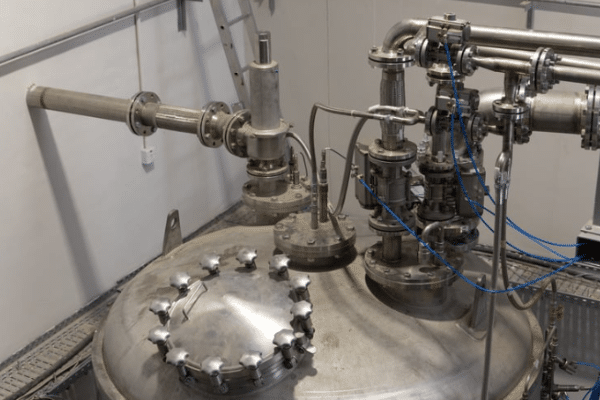
Grade 316 (UNS S31600) is the "Marine Grade" upgrade. The critical difference is the addition of 2-3% Molybdenum. This element drastically improves resistance to pitting corrosion caused by chlorides (salt) and industrial solvents.
Why pay more? While 316 stainless steel plates have a higher upfront cost than 304, they prevent structural failure in aggressive environments, saving you maintenance costs in the long run.
- Applications: Marine hardware, chemical processing tanks, medical devices, coastal architecture.
- Key Advantage: Superior resistance to chlorides, sea water, and sulfuric acid.
Select 430 Plate for Cost Efficiency
Grade 430 (UNS S43000) belongs to the ferritic family. It contains Chromium but little to no Nickel. Since Nickel is a volatile and expensive commodity, removing it makes Grade 430 significantly cheaper than the 300 series.
Magnetism Note: Unlike 304/316, Grade 430 is magnetic. It offers good corrosion resistance in mild environments but is not recommended for heavy outdoor use.
- Applications: Automotive trims, dishwasher linings, refrigerator doors, indoor decorative panels.
- Cost Benefit: The most economical choice for projects where high corrosion resistance is not the primary concern.

Technical Insights: Magnetism & Cost Analysis
Clearing up common misconceptions to help you manage your budget and quality expectations.
Is Stainless Steel Magnetic?
Many customers believe that "if a magnet sticks, it's not stainless." This is a myth. Magnetism is determined by the crystal structure of the steel, not its quality or corrosion resistance.
Naturally magnetic due to high chromium and low nickel.
Generally non-magnetic. *Note: Cold working (bending/cutting) can induce slight magnetism in 304.
Why Do Prices Vary So Much?
The price of stainless steel plate is primarily driven by the content of Nickel (Ni) and Molybdenum (Mo), which are expensive raw materials.
Relative Cost Comparison
Budget Tip: If your application is indoors (no rain/salt) and aesthetics matter less than structure, 430 can save you 30-40% compared to 304.
Buying Guide & FAQ
Expert answers to help you choose between 304, 316, and 430 grades.