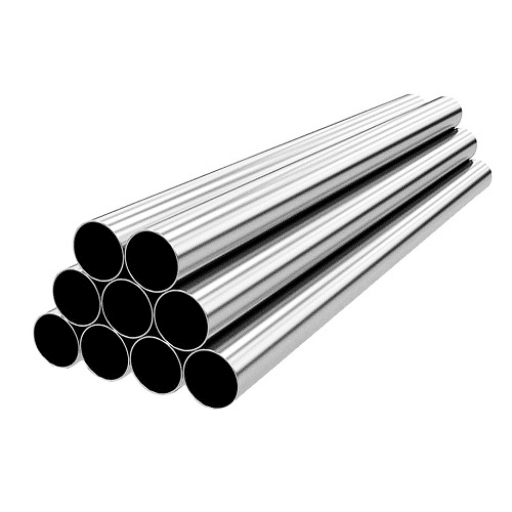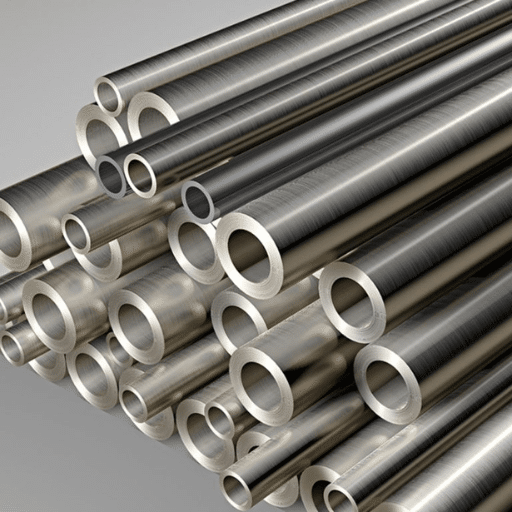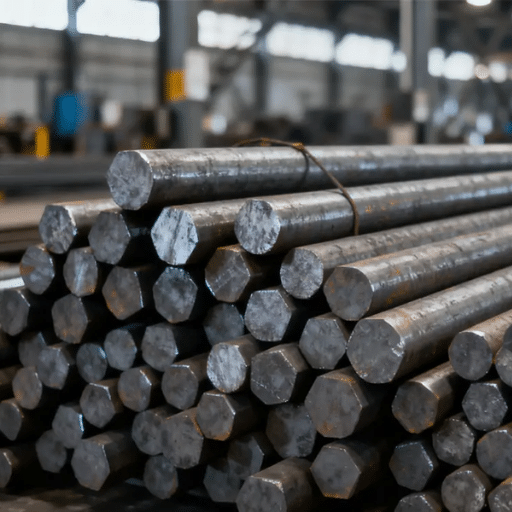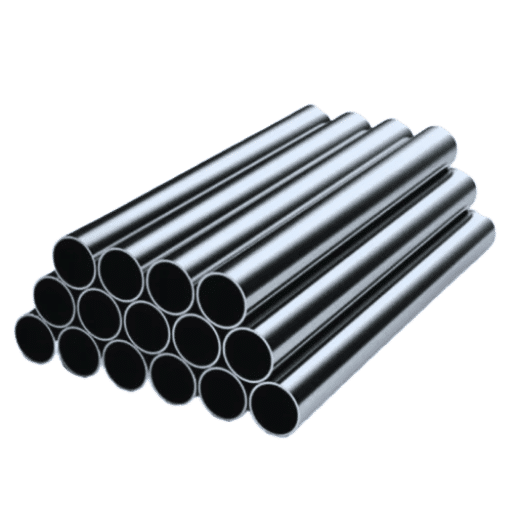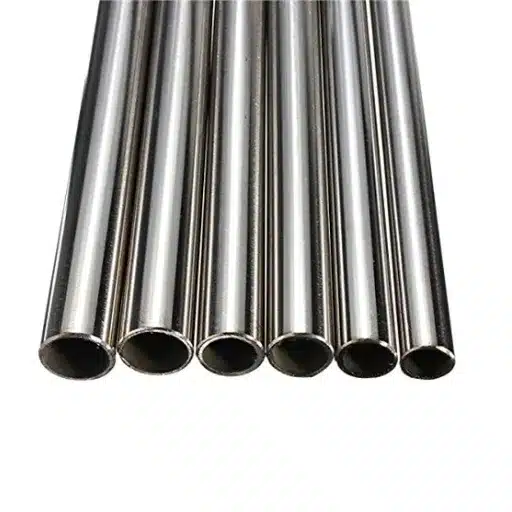
Stainless steel pipes serve as a basic element in various industries due to a host of features such as strength, shine, versatility, and corrosion resistance. Whether in construction enhancement, manufacturing improvement, or just looking for reliable suppliers, one needs to understand the product known as stainless steel pipes. Therefore, this guide takes an inside view of stainless steel pipes, from different product types and their applications to suppliers that fulfill industry’s requirements. It is truly enough with some practical experiences and a few expert insights to turn this article into your one-stop resource for learning everything about stainless steel pipes.
Understanding Stainless Steel Pipe

What is Stainless Steel Pipe?
Being a truly versatile and durable material, stainless steel pipes find use in countless industries. Made basically from iron, carbon, and chromium, the material is favored for its ability to resist corrosion, withstand stress, and last over time. Chromium develops a thin oxide layer on the surface that acts as a protective coating to keep the surface from rusting or breaking down, even in the harshest environment.
These pipes come in different sizes, grades, and finishes to suit various needs. They are generally applied in the transportation of liquids and gases, structural support, and high-pressure application. Because they perform reliably under extreme conditions, stainless steel pipes find application in construction, oil and gas, food processing, and chemical manufacturing industries.
Steel pipes are well-known for going green. They can be recycled and have minimal environmental impact during their production as well as usage. If well maintained, stainless steel pipes can be functional for decades and hence are good economical and dependable options for a lot of uses.
Types of Stainless Steel Pipe: Seamless vs. Welded
The two broad classes that stainless-steel pipes are divided into are: Seamless and Welded, which differ in their methods of manufacture, in strength, price, and usage.
| Key Point | Seamless | Welded |
|---|---|---|
| Strength | Uniform throughout | Weaker at seam |
| Pressure | Higher | Lower |
| Cost | Expensive | Affordable |
| Production | Complex | Simple |
| Appearance | Smooth | Seamline visible |
| Applications | High-pressure uses | General purposes |
Benefits of Using Stainless Steel Pipe
Corrosion Resistance and Durability
Stainless steel pipes underscore the corrosion resistance and durability that find favor among several applications. This said resistance arises chiefly from chromium, which makes a passive film and protects the surface against rusting and degradation. Presented below are five facts and data points about their corrosion resistance and durability:
Chromium Content for Resistance
Stainless steel contains at least 10.5% chromium that reacts with oxygen to create a thin oxide layer that is stable. This layer blocks corrosion and keeps protection for a lengthy period, even under highly unpleasant environments.
Resistance to Harsh Chemicals
Stainless steel pipes can resist acidic and alkaline solutions, which make them best suited for chemical industries, where they are exposed to aggressive substances.
High-Temperature Endurance
The stainless steel durability stretched to an extreme temperature range, and it behaves well, maintaining its structure and resisting scaling, specifically in the grades like 304 and 316 stainless steel.
Longevity in Marine Environments
Stainless steel corrosion resistance against saltwater exposure would be advantageous for the marine industry and coastal constructions.
Uninterrupted Environment for Work
By being impervious to corrosion and destruction, stainless steel pipe requires less cleaning and maintenance, which, in turn, brings down the down-the-line expenses for repairs or replacements.
All these features together enable the stainless steel pipes in performing above expectations even in the most adverse conditions, thereby making them an assured and sustainable option for modern infrastructure.
Applications in Food and Beverage Industry
The food and beverage industry extensively utilizes stainless steel pipes due to their sanitary properties and ability to maintain product purity. Below are key applications:
- Dairy Processing:
Milk, cheese, and yogurt production rely on stainless steel pipes to ensure hygiene and prevent contamination throughout processing. - Beverage Distribution:
From juices to soft drinks, stainless steel pipes maintain flavor integrity and prevent any metallic taste from affecting the product. - Breweries:
Since beer needs to remain free from contamination or off-flavors, brewing systems and piping are built using stainless steel. - Canning and Packaging:
The stainless steel pipes help the canning and packaging operations with the clean and efficient movement of liquids and gases used in sealing and preservation of products.
All of these uses prove that stainless-steel is essential in quality, safety, and efficiency in the food and beverage industry.
Maintenance and Care for Stainless Steel Pipe

Cleaning and Polishing Techniques
Cleaning and polishing stainless steel pipes are critical operations, as an improper procedure may affect the longevity, appearance, or efficiency. Preventive cleaning holds contaminants—the dirt, grease, and staining materials—from settling on the stainless steel surface. Most of the time, cleaning in warm water and mild detergent will do. Avoid using any abrasive scrub that may scratch the surface. Then, after rinsing well and towel-drying the surface with a soft cloth, this practice will enable the stainless steel to maintain its natural shine with less chance of water spots forming.
For more stubborn stains or fingerprints, specialty stainless steel cleaners may be used to restore the nickel’s shine. This type of cleaner is an excellent choice to remove smudges while preserving the chrome oxide layer already protecting the metal. If such a product is not on hand, a quick and somewhat dirty substitute consists of applying a paste of baking soda, leaving it to dry most of the time, then wiping it clean with vinegar. However, the key is always to work along the grain of the steel so as to prevent visible streaks or scratches from appearing during the cleaning process.
The process of polishing stainless steel is undertaken for various reasons, the most important being to improve corrosion resistance by keeping the surface smooth. Commercial-grade polish or paste is typically harnessed for a very high degree of polishing. Apart from that, one can use olive oil or baby oil to polish the surface with a piece of microfiber cloth for less demanding situations. Polishing should be done after cleaning to keep particles away from under the polish that might otherwise be damaging to the surface after some time. Clean and properly polished stainless steel pipes will last longer and perform better in both domestic and industrial applications.
Preventative Maintenance Tips
Regular Inspections
Make routine visual inspections to locate any development of wear, corrosion, or damage. Real-time detection shall ward off an issue from getting formed and thus would certainly lessen repair costs.
Keep Surfaces Clean
Good housekeeping for stainless steel pipes entails scraping off and cleaning of any dirt, grease, or adverse substances. A pH-neutral cleaning agent should be used to protect them.
Protect Against Corrosion
For high-moisture or acidic exposure environments, protective coatings can be applied, or corrosion-resistant alloys can be used to avoid the risk of corrosion.
Monitor the Environmental Conditions
Do not allow it to stay for too long under extreme temperatures or chemicals that may impair its stainless steel integrity.
Lubricate Moving Parts
In a system that comprises stainless steel pipes as part of the moving components, lubrication has to be maintained for smooth functioning so that stainless steel-friendly lubricants are used.
Avoid Impact Damage
Install additional safety barriers or padding in areas used by many people to prevent dents or damage from accidental impact.
Schedule Periodic Maintenance
Periodically consult with industry professionals for in-depth evaluation and maintenance to ensure your stainless steel systems keep the reliability and performance.
Taking the above preventive steps would help stainless steel pipes maintain their life cycle and work efficiently in their designed environment.
Industry-Specific Use Cases of Stainless Steel Pipe

Oil and Gas Industry
In the oil and gas industry, stainless steel pipes are considered vital components on account of their extraordinary strength and resistance to corrosion and temperatures and pressures of extreme levels. They are generally used in the transportation of oil, gas, and other fossil fuels, which are safely and efficiently channeled through huge pipeline networks. Corrosion resistance of this material in offshore rig-like environments or acid conditions of drilling makes it a must for any infrastructure that is expected to have a long lifetime.
Moreover, stainless steel pipes fit in nicely with high pressure applications, such as those occurring in refineries and processing units. Innovations in alloy design have improved their resistance to H2S and CO2 corrosion—a common one in sour gas applications. And now, with technological advancements all around, various grades of stainless steel such as duplex and super duplex are used more commonly by the operators, thus offering a compromise regarding strength, durability, and cost.
The amalgamation of these features allows stainless steel pipes to play their part in augmenting reliability in critical processes and minimizing downtime caused due to material failure, both in onshore and offshore situations within the oil and gas sector.
Aerospace Applications
Steel is an aerospace-grade material that stands rival with others for their strength and resistance to high temperature and corrosion. This very high demand cast upon aerospace environments makes stainless steel a worthy candidate. To be more specific, the five aerospace applications of stainless steel are:
✈️ Aircraft Frames
Due to the higher strength-to-low weight ratio, the stainless steel can increase structural integrity and lessen the burden upon fuel.
🔥 Engine Components
Engine components such as turbine blades, exhaust systems, and burners have an extreme working atmosphere where stainless steel can stand all heat and stresses.
🛬 Landing Gear
Materials for landing gear must be very strong as the system will absorb repeated impacts and stresses during takeoff and landing. Usually, stainless steel is used due to its strength and durability.
⚙️ Fuel and Hydraulic Systems
Any fuel and hydraulic system requires stainless steel pipes and fittings because of the high corrosion resistance offered by them and the slight susceptibility that these may exhibit under pressure leakage.
🔩 Fasteners and Bolts
Because stainless steel fasteners and bolts can securely assemble critical parts while withstanding environmental considerations including oxidation and rust, they find large-scale application in aerospace designs.
These examples well prove the significance of stainless steel to sustain safety, efficiency, and performance in aerospace.
Pharmaceutical and Biotechnology Sectors
Due to its superior hygienic properties, durability, and corrosion resistance, stainless steel becomes particularly important in the pharmaceutical and biotech industries. It finds applications in the making of equipment such as bioreactors, mixing tanks, and storage vessels for situations where sterility is a concern. Its non-porous nature prevents bacteria from growing and ensures that cleanliness standards are achieved during production.
Further, stainless steel ability to withstand temperatures and chemical attack makes it viable for sterilization by autoclaving and chemical cleaning. This results in safer and better products with reduced chances of contamination. Its durability allows stainless steel to work well for years without wearing out, thereby saving replacement costs.
Being highly adaptable and extraordinarily high-performing, stainless steel finds a central role in further enabling the pharmaceutical and biotechnological innovations. It conforms to the stringent requirements posed by these industries, making sure that at every level of processes and developments, safety and operational standards are there to meet.
References
- University of Oregon – A Comparison of Stainless Steel Pipe Types
This document compares different grades of stainless steel pipes, focusing on their resistance to corrosion and oxidation. - University of North Texas – The Underground Corrosion of Selected Type 300 Stainless Steel
This paper discusses underground corrosion rates of stainless steel pipes and their implications for waste containment. - California Polytechnic State University – Predicting Service Life of 347 Stainless Steel Pipes
This study addresses challenges in predicting the service life of stainless steel piping in industrial applications. - Harvard University – Evaluation of Stainless Steel Pipe Performance
This research evaluates the performance of stainless steel pipes as ground heat exchangers through numerical and experimental studies. - Western Wyoming Community College – Stainless Steel Pipe Welding
This course material provides insights into welding techniques for stainless steel pipes, including GTAW and SMAW methods.
Frequently Asked Questions (FAQ)
❓ What is a stainless steel pipe?
A stainless steel pipe is a strong and resilient tube made of stainless steel, with a wide industrial use due to its strength and longevity. Stainless steel pipes are available in various dia sizes and dimensions with wall thicknesses for different applications.
❓ What are the various specifications of stainless steel pipes?
The specification of stainless steel pipes includes all standards like ASTM, ASME, and API. These standards specify chemical composition, mechanical properties, and dimensions of stainless steel pipes so that industries and users can rely upon them.
❓ How does welded stainless steel pipes differ from seamless stainless steel pipes?
Welded stainless steel pipes are made by welding the two ends of a stainless steel sheet, whereas seamless stainless steel pipes are made from a solid round steel billet. Seamless pipes tend to have higher pressure ratings and are used in higher stress applications mostly.
❓ How do I check the wall thickness of a stainless steel pipe?
The wall thickness of a stainless steel pipe will be given in the dimensions of the product and would basically vary according to its size and use. To find the right thickness of the stainless steel pipe, consult the product specification or your stainless steel pipe supplier.
❓ What types of stainless steel fittings are used for pipes?
Stand steel fittings like elbows, tees, reducers, and flanges are various types of fittings available to connect, divert, or terminate pipes. These fittings hope to form a complete piping system and are fabricated to conform to the dimensions of the stainless steel pipe.
❓ Do they cut stainless steel pipes to custom sizes?
Yes, stainless steel pipe suppliers do offer a custom cut service where they provide the trimming of the stainless steel pipe to the exact length and size you want for your project, so that it fits and installs better in the specific application.
❓ What’s the significance of NPS in stainless steel pipes?
NPS, or Nominal Pipe Size, is a standardized measurement describing the approximate internal pipe diameter. This knowledge about NPS is essential when selecting a stainless steel pipe to fit the systems and making arrangements with them.
❓ What kinds of stainless steel pipes are available?
The market is flooded with all varieties of stainless steel pipes that differ in grades, dates, and finishes. Both welded and seamless kinds can be selected by the customer, depending on whether the application requires different considerations or environmental conditions.