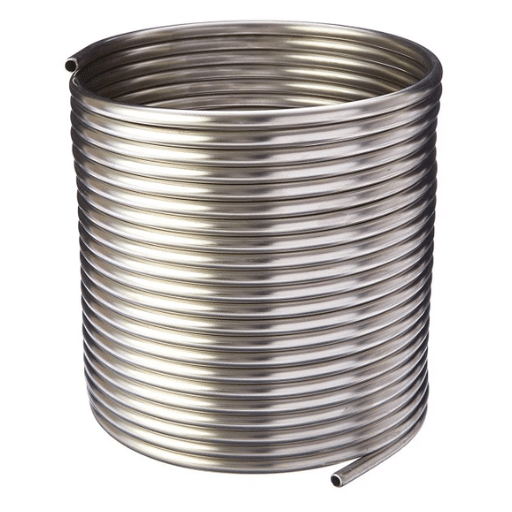
Stainless steel heating coils are perhaps one of the most preferred heating solutions employed in various sectors where reliability and efficiency of the solution are paramount. The equipment finds extensive usage because of its strong construction and effective performance and multiple use capabilities which enable its operation in HVAC systems and industrial machinery and all other types of applications. This article explains the importance of heating coils made of stainless steel, their benefits that surpass others in durability and performance, and the many ways in which heating elements are used for better results in heating. The readers will obtain complete knowledge needed to make informed decisions about implementing steel heating coils in their systems by studying the concepts and descriptions and advantages and applications of these technologies.
Understanding Stainless Steel Heating Coils

1Definition of a Stainless Steel Heating Coil
The stainless steel heating coil generates heat through its electric current which it transfers to the adjacent medium. The stainless steel coils possess exceptional quality because they maintain their structural integrity when exposed to extreme heat and they remain operational through all environmental conditions which exist over time.
Common Applications:
- HVAC systems (preventing heat loss)
- Food processing equipment
- Chemical industries
- Household appliances
- Industrial heating applications
Upon recent review, stainless steel heating coils find applications in these diverse sectors because of their inductive heat properties, durability, and ease of maintenance. These factors, combined with their efficiency, make them widely used in both commercial and domestic heating systems.
2Principle of Operation: Stainless Steel Heating Coils
A stainless steel heating coil functions by generating heat through electricity, then effectively transferring the generated energy to the medium nearby. These coils made of stainless steel are very high in quality and can withstand high temperatures without damage due to corrosion; they do not suffer from climate or time and provide the same level of performance.
⚡
Heat Generation Process
To heat, electricity is passed through the coil; the heat is generated due to the heating effect of current. This heat is transferred across the stainless steel, wherein it is directed in water or air, enabling efficient thermal transfer to the intended medium.
Based on the most recent data, the development of stainless steel composition and manufacturing techniques has enhanced their efficiency by making them more energy-efficient and responsive to heat. Known from households in water heaters to industrial applications as heat exchangers, the stainless steel coil not only promises durability but also performs seamlessly in any environment.
The primary reason for adding chromium to the stainless steel material is to eliminate corrosion and this implies minimal maintenance heating system for these coils.
3Advantages of Using Stainless Steel in a Heating Coil
A stainless steel heating coil offers numerous benefits that make it perfect for domestic as well as commercial purposes. These advantages position stainless steel as the preferred material choice across multiple heating applications.
Key Advantages of Stainless Steel Heating Coils
1. Superior Durability
Stainless steel is made to withstand high temperatures and severe working conditions without corroding or oxidizing. The frequent replacement of the steel coil is almost eliminated, making it a more cost-effective option over the long term.
2. Excellent Heat Transfer
The heat transfer of stainless steel coils is excellent, hence heating is faster with them than with other materials. As a consequence, it not only helps to cut down on power bills but also increases the effectiveness of the installation.
3. Hygienic Properties
Stainless steel has certain positive aspects that are attractive for hygiene reasons, particularly in the food and drug industries. The surface is easy to wipe down and does not readily support the existence of any bacteria or contaminants.
4. Environmental Sustainability
Stainless steel is environmentally friendly and recyclable, aligning with modern sustainability goals that emphasize reducing and minimizing waste generation.
5. Aesthetic Appeal
Apart from its strong structural design, stainless steel is aesthetically pleasant, therefore, it remains the most preferable heating coil material in most applications where visual appearance matters.
Types of Stainless Steel Heating Coils

Comparison Between Electric and Wood-Fired Stainless Steel Coils
Each type of heating coil possesses its unique qualities in the performance and application of heating devices—either electric or wood-burning heating coil. Understanding these differences helps in selecting the most appropriate system for specific needs.
| Feature | Electric Heating Coils | Wood-Fired Heating Coils |
|---|---|---|
| Efficiency | High efficiency with precise temperature control | Variable efficiency, harder to maintain precise temperatures |
| Energy Source | Electricity (requires power availability) | Biomass fuels (firewood or similar) |
| Maintenance | Minimal maintenance required | Labor-intensive operation and maintenance |
| Space Requirements | Minimal space needed | Requires more space for fuel storage |
| Best Applications | Urban, industrial settings with reliable power | Rural, remote locations where electricity is limited or expensive |
| Cost Considerations | Higher initial cost, lower operating costs | Lower initial cost, variable fuel costs |
When deciding between either electric or wood-fired heating coils, one should consider several aspects such as location, financial possibilities, power source, and the intended use of the heating setup. Electric heating coils bring comfort and efficiency in processes that require complex designs and where environmental considerations are necessary in urban or industrial settings. On the other hand, wood-fired heating coils are more ideal for remote places where electricity cannot access those areas.
Stainless Steel Type 316 Heating Coils
It is without doubt that 316 stainless steel heating coil has unique properties in resisting degradation in corrosive conditions and also greatly in enduring harsh conditions, hence its use in many industries. It is essentially made up of iron; in addition to chromium, nickel, and molybdenum in its ingredient’s composition, which enables it to resist all kinds of stainless crevice or pitting corrosion, particularly in conditions characterized by saline environments, notably the sea or chemical operations.
Key Features of 316 Stainless Steel Heating Coils:
- Superior Corrosion Resistance: Exceptional protection against crevice and pitting corrosion
- High Temperature Strength: Suitable for normal and intense heating purposes
- Non-Magnetic Nature: Effective use in accurate heating systems with limited electromagnetic disturbance
- Long Service Life: Simple maintenance costs minimizing downtimes and operational costs
- Industry Applications: Industrial settings, food manufacturing, healthcare devices
Robust performance combined with reliability and efficiency of 316 stainless steel heating coil whether in industrial settings, food manufacturing or healthcare devices means they have consistently stayed on top in the market.
Heater Coils: Various Designs
There are many design variations of heater coils that are appropriate to certain purposes and particular circumstances. Understanding these design options helps in selecting the most efficient configuration for specific heating applications.
🔄 Cylindrical Coils
Allow for uniform distribution of heat; mostly industrial in nature and applied where no hot or cold spots are needed
▭ Rectangular Coils
Useful in cramped environments specifically because of the capacity for flexible installation in complicated contexts
─ Flat/Ribbon Elements
More common in things such as ovens and toasters due to their effective way of transferring heat in concentrated form
Several reports from search statistics indicate that there is currently significant interest in heater coils made in shapes different from traditional circular ones. It is due to their benefit of precise temperature regulation in complex systems, leading to their growing adoption in industry sectors like aerospace or manufacturing of medical devices. Customizing thus enhances capabilities and efficiency as well as the latest technology, making bespoke works a preferred option in this market.
Applications of Stainless Steel Heating Coils

Heating Hot Tub Water
Hot tubs can be effectively heated through the use of stainless steel heating coils which provide their heating capabilities. These types of coils demonstrate their durability through their capability to withstand corrosion while maintaining their strength at extreme temperatures. The same characteristics which make stainless steel a suitable material for water system contamination control also enable it to maintain system cleanliness and operational safety.
Why Stainless Steel for Hot Tubs?
It has been recently observed that those shopping for hot tubs tend to consider heating methods that offer more efficiency and durability and this is why stainless steel heating coils are preferred quite often. They are designed with a degree of flexibility which provides an opportunity for manufacturers to design heating elements that suit different hot tub types and configurations, which is another reason why they are so popular in this application.
Application in Home Projects: DIY Pool Heat Kits
DIY enthusiasts are particularly keen on the idea of using wood-fired coil kits because they are easy to install, cost-effective, and eco-friendly. It is fascinating to note that search engine statistics show many people are looking for cheap and environment-friendly ways to heat water in open settings.
DIY Applications Include:
- Enclosed-designed hot tubs
- Swimming pools (residential)
- Outdoor showers
- Custom water heating systems
The kits provide exceptional value because they allow creative thinkers to design their own water heating systems. The wood burning system operates with high efficiency because it uses wood as its fuel source, which stands as a more environmentally sustainable option that matches current green living practices. People who want to build wood-fired heating systems search for tutorials and video demonstrations and instructions according to current trends which show that they need to learn proper construction methods.
The Use of Stainless Steel Heating Coil Systems in Manufacturing
Stainless steel coil heat exchangers are used in various industrial applications because their thermal conductivity produces efficient performance and their design delivers extended durability. The industries of energy production and food processing and chemical manufacturing demonstrate their effective implementation of stainless steel heat exchangers which feature heat coils.
| Industry Sector | Applications | Benefits |
|---|---|---|
| Chemical Engineering | Temperature control for chemical reactions in gases or liquids | Maintains necessary chemical reaction temperatures |
| Food Industry | Pasteurization and sterilization of food products | Ensures compliance with food safety regulations |
| Energy Production | Heat exchangers in power generation systems | High efficiency thermal transfer |
| Beverage Manufacturing | Processing and temperature control | Hygienic, corrosion-resistant heating |
Recent search engine data indicates that most interest revolves around how stainless steel coil heaters can be more beneficial than other materials and what maintenance of them would be like. A lot of data indicates that users look for information about customizing coils in terms of size or structure in order to enhance the performance within certain setups. Such results might imply that industries are still focused on the durability and the ability of the heating coils to adapt with time, which calls for use of stainless steel heating coil in most cases where high demands are placed on the equipment.
Installation and Maintenance of Heating Coils

Quick Guide to Installing Stainless Steel Coils
The installation of stainless steel heating coils should be done correctly for them to perform as expected and last for a longer period. Here’s a quick guide based on recent findings and frequently asked questions to help you understand how to carry out installation:
Installation Steps
Step 1: Pre-Installation Inspection
The coils should be inspected for any damages like dents or deformations comprehensively before proceeding. This allows any issues that could affect performance before installation to be identified and addressed.
Step 2: Use Appropriate Tools
Using the right set of non-abrasive tools around stainless steel is critical because it prevents the surfaces from being scratched while also maintaining the structural integrity of the fitting during its installation.
Step 3: Consult Manufacturer’s Manual
Equipment manufacturing companies provide specific instructions on placement, fixing methods, and even measures of proper installation. This analysis precludes the possibility of installing the coils incorrectly.
Step 4: Ensure Proper Clearance
For safe installation of the coils, you must ensure that you fit the coils in the designated slots with sufficient clearance to allow for thermal expansion. This is in general achieved when all the entries are tight fitting which helps in minimizing movements when in operation hence reducing the amount of wear and tear over time.
Step 5: After Assembly Leak Testing
Prior to embarking on full operation, there is a need to undertake leak tests to ascertain that the joints are completely tight and the system is sealed. This ensures efficiency by minimizing issues that lead to wastage.
Step 6: Establish Maintenance Schedule
It is recommendable to have pre-established maintenance schedules to achieve protection of the system against obstruction or performance degradation.
When fastening the stainless steel heating coils perfectly, it not only increases their effectiveness but it also acts as a factor for long-lasting construction that is desired by industries ranging from heavy production to lightweight industries.
Ways to Prolong Service Life
People who work with stainless steel heating coils need to follow specific procedures which will help them maintain both the operational performance and the longevity of their equipment. The most fundamental and efficient method to protect against corrosion and deposits requires people to perform routine cleaning activities.
Maintenance Best Practices:
- Regular Cleaning: All-purpose non-abrasive cleaning agents should be used to clean and protect stainless steel surfaces.
- Periodic Inspection: Inspect the equipment to evaluate its condition for damage and scaling and misshaping which would lead to increased fuel consumption.
- Descaling Treatment: The application of descaling chemicals or soft water treatment prevents mineral build-up because scaling leads to performance decreases of 30% or more.
- Pressure & Temperature Control: All equipment must maintain current operational levels within established limits to prevent distortion throughout its lifespan.
- Preventive Servicing: The equipment requires servicing at regular intervals instead of waiting until its complete replacement.
Recent statistics in the heating and cooling industry indicate that when scaling issues are not adequately tackled, they may weaken performance significantly. These adjustments allow industries to concentrate on performance targets and instead of replacing all the heating coils they have, they will only service their equipment.
Typical Problems and Solutions
There are many issues which are often associated with heating coils that may affect their functionality. Understanding these common problems and their solutions helps maintain optimal system performance.
| Problem | Possible Causes | Solutions |
|---|---|---|
| Uneven Heating | Poor positioning, crooked installations, deficient power source | Check power lines, distribute coils evenly, repair broken pieces |
| Excessive Noise/Vibration | Loose mounts, misaligned curves | Tighten the coil, reset the system alignment |
| Overheating | Uncontrolled temperature settings, insufficient thermal cladding | Control temperature settings, apply appropriate thermal insulation |
| Circuit Breaker Trips | Electrical fault, system overloading | Check and tighten wires, ensure load doesn’t exceed design considerations |
Employment of all these solutions—preventive and corrective maintenance cycles—prepares the stainless steel heating coil to oppose earlier failure and associated losses.
Comparing Heater Coil Kits

Important Qualities to Consider Before Buying a Coil Kit
While selecting a heater coil kit, the most important aspects to consider are those that guarantee enhanced performance, prolonged lifespan, and perfect fit into the existing system.
Key Selection Criteria:
Material Quality: High-quality rust-proof stainless steel or nichrome alloys for durability
Output Power: Adequate heating function without exceeding electrical mains load capacity
Easy Installation: Pre-formed coils or adjustable structures meeting various needs
Energy Efficiency: Thermal insulation and energy classes for acceptable consumption
Safety Features: Thermal protection and overload protectors increasing safety margin
Complete Kit: Detailed instructions and necessary installation tools included
These aspects will help prioritize your heating system with minimum maintenance required.
The Right Kit: Best Practices for Selection
The process of selecting an appropriate heating system kit requires an equal distribution of practical evaluation and current knowledge assessment for optimal decision-making. Research shows that when it comes to heating kits, consumers most commonly search for three key aspects: energy efficiency, strength, and experience reviews.
Selection Best Practices:
- Focus on solutions that fit the system and use suitable voltage and wattage
- Look for tool kits that come with the best energy efficiency values
- Search for user feedback to understand real performance, comfort, and ease of use
- Conduct thorough assessment comparing different brands and products
- Consider not only immediate costs but also long-term value and savings
This thorough assessment would not only save higher expenses but also would assure that you will be satisfied with the product purchased.
Costing and Financial Management
When discussing the possibility of implementing such a system, it is important to bear in mind the immediate as well as the long-term costs. Referring to the most recent search engine statistics, it can be seen that, increasingly, consumers are interested in energy-efficient products that tend to be more expensive to install but in the long run are less wasteful.
Financial Considerations:
- Energy-saving devices help significantly cut down electric consumption and lower electricity bills
- Cost-performance comparisons of good brands should be practiced
- Consider warranties as well as repair charges affecting total cost
- Think about which is cheaper to install versus what could be more economically viable in the future
- Balance initial investment against long-term operational savings
Frequently Asked Questions
How is a stainless steel heating coil tubing composed and what is its role in the hot tub heater?
With the help of a stainless steel heating coil whose water flows through tubing, it circulates the heated water inside of the hot tub. This heating unit relies on conductive heat transfer to heat the hot tub. The diameter and thickness of the coil tubes and their walls, where these coiled tubes would be installed, determines the efficiency of both fluid transfer and heat exchange, and tubes made of 304 stainless steel are the favored material for heat exchangers. A pump forces out the cold water into the coil where heat from a wood-fired or electric heater heats the water, after which the water comes back into the tub in a self-regulated manner with a radiant heater offering constant heat to support the tub. Also, leak-free function is ensured by proper seals, welding quality, and bulkhead or wall-through inlets. Assembly often uses a quick coupling or a threaded connection and may require cutting an extra hole for the water intake copper tube.
Can I build a brew stand with a coil for a Heat Exchange Recirculating Mash System (HERMS) or a cooling brew bucket using 304 stainless tubes?
Certainly, stainless steel coils serve both HERMS applications and brewing coolers perfectly thanks to their inherent corrosion resistance and capability of working in tough environments with high temperatures including steam. The cooling efficiency of such a coil or the speed at which hot liquid wets a coil depends on its external diameter and wall thickness whereas the length of a tube determines the extent of distance and time of exposure within the heat exchanger. In fabrication of a HERMS, fit the build with either a bulkhead or threaded fitting, or even hose quick connect in order for it to be non-permanent and ease its use, cleaning, and detachment when need be. Make sure all the welds and other means of construction are of specialized quality so as to avert any contamination and leakage during the brewing process. Some people even go as far as adding a pump to the system to facilitate liquid circulation in the coil for temperature maintenance.
What additional items should be supplied to assist with the stainless steel heating coil and place the coil in position?
When purchasing a coil from most suppliers, the entire fabricated coil comes along. Some suppliers will also offer options such as a bulkhead fitting, a quick connect, or a threaded adapter. However, these are not always inclusive in the shipping cost. Nonetheless, it is not inclusive of other items such as a pump or a burner. Please check to make sure hoses and clamps, or inlet and outlet assemblies are included in the kit in accordance to the pipe diameter and wall thickness of the tub through which the nipple will be fastened. If a general type of through-wall fitting is required, also ensure that the threaded part and bulkhead size will accommodate the tub or container in question. High-end coils might even have a guide on the required flow rates and allowed degrees of operation. In the event that the coil does not come with these components, then one must find a pump and hose as well and possibly a drill for drilling out the openings.
What are the ways of welding or fitting in a heating coil to a stainless steel pipe with hose?
There are three different ways of connecting a pipe or a hose to a stainless steel coil: welding (fixed connection), threaded connection, or quick disconnect bulkhead with removable fitting setup. In-place fixing offers the strongest constructive joint without any leakages and this is achieved by use of correct welding techniques such as TIG or MIG welds for the 304 stainless, as this should not compromise the structure of the material. For most installations of hot tub heaters one will encounter threaded fittings and bulkheads due to the next maintenance servicing that will require the dismantling of the unit; the advantage is to make sure that the thread sealant used can withstand high temperatures. The outlet diameter of the coil will determine the type of hose connection that will be used and this connection will have clamps or crimp fittings in order to resist the pressures in the pump or outlet. Testing of the system with cold water before put into use will give you a chance to rectify any possible leakages in the weld and ensure that the welding is in proper form.
How does fluid motion and pump choice affect coil efficiency and heat transfer in the system overall?
The performance and durability of coil, and hence adaptability to a specific situation, is tightly connected to the following: too low water velocity and the heat concentration increases, which leads to boiling; high water velocity leads to an ineffective temperature of the medium. The proper sizing of the pump to the heat exchanger, which delivers the correct flow of the liquid where the heat exchanger is to be optimized, is the challenge faced by many designers. In case of any hot water or steam circulation, the pump should be able to overcome the static pressure of the system, as well as withstand the temperatures of hot water and steam where applicable. And this further affects how close or how far the pump may be positioned towards the coil (outlet or inlet) or how long piping shall be applied; hence the need for properly sizing the pump. For applications such as wooden hot tubs and HERMS, adjustable pumps may be used to regulate the flow rate in order to control the temperature more easily.
Are stainless steel heating coils and burners safe to use for wood-fired hot tubs?
Wood-based hot tub applications which operate with wood burners use stainless steel coils and heat-resistant materials to protect their systems from dangers. The 304-grade stainless steel exhibits heat resistance while preventing steam accumulation within the coil system however users must not operate direct flames because they need to maintain coil temperatures through controlled heating. Proper installation which maintains safe distance from combustion sources and burning areas will protect against overheating problems. The use of fire-resistant casings or a heat shield needs to be used in fire prevention. The installation process requires the coil to be installed through the tub wall where it will connect to a bulkhead system that provides access to the burner heat through inlet and outlet piping. Regular maintenance establishes the integrity of welds and tubes and fittings through testing which detects flaws before leakage occurs due to pipe damage.