When it comes to stainless steel sheets of 3mm thickness, it is important for the user to know not only the price but also the factors that define it in order to make a good decision, whether he is a manufacturer, builder, or even a designer. In fact, the different applications of stainless steel sheets in various industries consider their wear and corrosion resistance, as well as their good looks, to be the main reasons for their adoption, and the steel sheets are still at the top of the list. This detailed guide is going to unlock the whole mystery for you starting from the key elements that determine the price of stainless steel 3mm sheets to the various sectors that use stainless steel.
What is a Stainless Steel 3mm Sheet?
Definition and Specifications
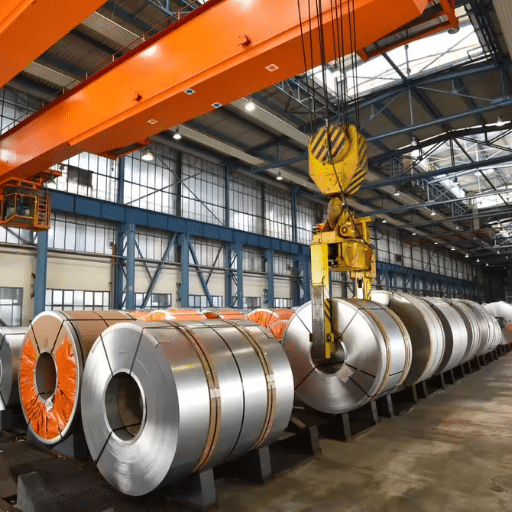
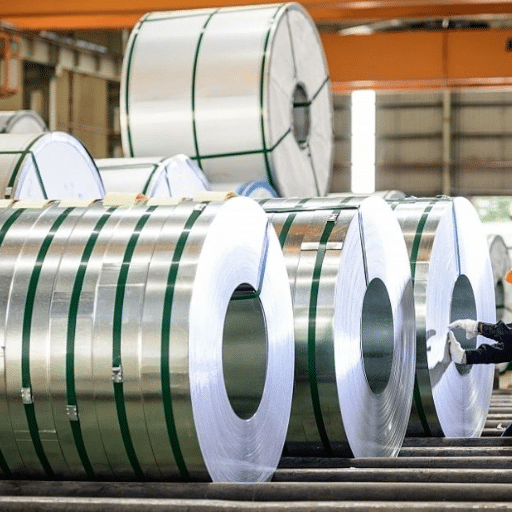
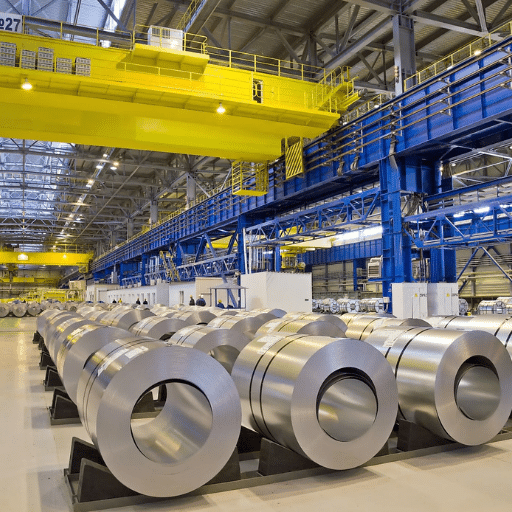
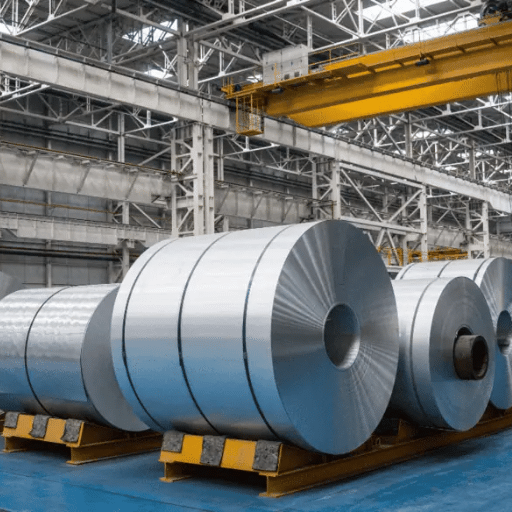
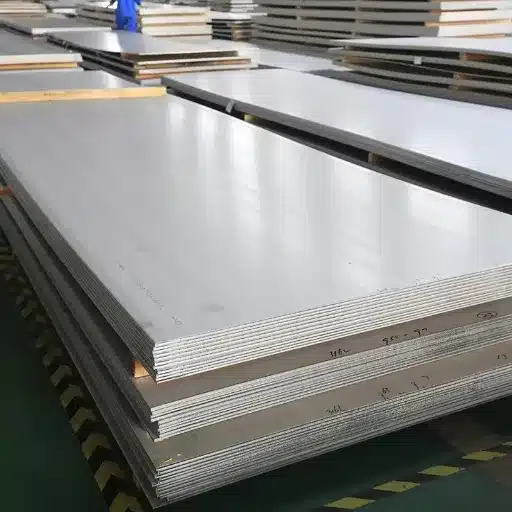
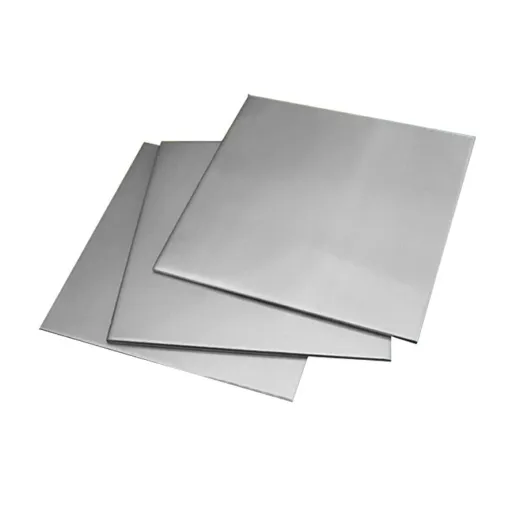
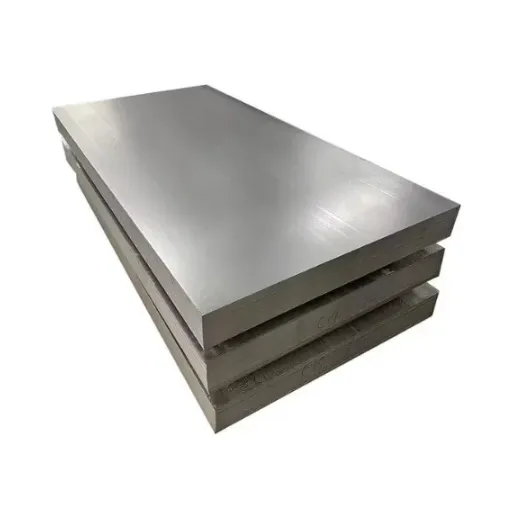
A 3mm stainless steel sheet is a 3-mmilimeter thick, flat, and plant-style piece of stainless steel. It is made of high-quality superalloys consisting of iron, chromium and other elements like nickel or molybdenum, which all contribute to its excellent properties. The thickness makes it able to withstand extreme conditions without breaking and at the same time allowing a certain amount of movement, hence its application in a variety of fields. The most common grades for stainless steel sheets of 3mm thickness are 304 and 316, where 304 is capable of general applications due to its excellent resistance to oxidation, while 316 can be used even in the most aggressive environments including chemical or maritime applications.
📏 Standard Sheet Dimensions
The sizes of these sheets are not fixed but are often in such dimensions as 1000mm x 2000mm or 1250mm x 2500mm which makes them easy to use for construction, manufacturing, and design projects.
Common Grades and Finishes
Stainless steel 3mm sheets are primarily produced in two grades which are 304 and 316. The highly versatile grade 304 has become the most recognized one due to the large area of applications where it is used, i.e., interior design, kitchen equipment, and automotive parts. On the other hand, 316 has molybdenum which makes it extremely resistant to harsh environments such as marine and chemical ones, where the support of the elements through oxidation and corrosion is very much needed.
✨ Brushed Finish
The brushed finish gives a sleek, textured look that is most often used in decorative applications, providing a sophisticated appearance with directional grain patterns.
💎 Polished Finish
The polished finish has a high-shine that attracts light and is suitable for projects that are reflective or aesthetic in nature, creating a mirror-like surface.
🔲 Matte Finish
The matte finish is not that loud and has a non-reflective surface that is usually chosen for industrial or low-maintenance uses, offering practicality without compromising quality.
When two aspects of this sheet are taken together, i.e., grade and finish, the industry can get both functional and aesthetic solutions of varying nature.
Key Properties: Durability and Corrosion Resistance
Stainless steel sheets possess remarkable durability and resistance to corrosion as their main properties, hence they are widely used in different applications. The natural alloyed strength of stainless steel makes it able to endure the high intensity and heavy weight, on the other hand the presence of chromium is forming a protective layer that keeps the rust away and the steel from decaying even when it is moisture or in the tough environmental conditions. According to the latest search trends data, there is an increase in the demand for stainless steel in construction, automotive, and marine sectors, which could be a result of these industries’ choice to use materials with longer service life. Tough properties with the right finishes make stainless steel sheets not only the winning choice of material for performance but also for longevity.
Factors Influencing the Price of Stainless Steel 3mm Sheets
Material Grade: 304 vs. 316 vs. 430
The user will likely choose from stainless steel varieties 304, 316, and 430 based on their requirements. The information collected from the current search patterns indicates that 304 stainless steel continues to be the most popular grade in terms of search and use, primarily because of its remarkable resistance to corrosion, longevity, and affordability. Its performance and cost balance is very well recognized in the sectors of food processing, household appliances, and architecture.
Nonetheless, 316 stainless steel, although coming up as the least searched, remains and in fact has the highest demand in industries where the resistance to corrosion is the very first requirement such as the marine and chemical industries. This is the case mainly due to the notorious presence of molybdenum in the alloy which really gives it the ability to withstand very corrosive environments like saltwater or acid.
In contrast, 430 stainless steel, classified as one of the most cost-efficient materials by searches, is mainly for aesthetic purposes and not so much for its corrosion-resistant properties. It is seen as an economically sound option for places like car parts and kitchen appliances due to its magnetic properties and reduced nickel content.
💡 Selection Guidance
Ultimately, the selection process should take into account all the factors including the different environmental conditions and performance specifications along with the budget. The data indicates this demand segmentation, which is very well illustrated by the fact that different industries prioritize these materials according to their unique challenges and goals.
Market Demand and Supply Trends
The recent data from search engines points to a very active market with ever fluctuating demand and supply for stainless steel grades. Search trends show that there is an increase in the popularity of high-grade stainless steel, particularly in the fields of energy and medical where durability and corrosion resistance are the most important factors. This is, in fact, a reflection of the increase in infrastructure and advanced technology investments which rely on premium materials for their longevity and efficiency.
📈 Current Market Trends
- High-Grade Steel: Increasing demand in energy and medical sectors
- Budget-Friendly Options: Consistent demand in consumer goods sector
- Supply Chain Response: Broadening production capabilities
- Dual Demand Management: Balancing premium and affordable options
Conversely, the pattern of inquiries regarding inexpensive grades of stainless steel has remained stable over the years, the main cause of which being the consumer goods and budget-conscious industries. In other words, there exists an unbroken demand for cheaper alternatives to items such as kitchen appliances and automotive components. The supply chains are accommodating this simultaneous requirement by enlarging their manufacturing capacity, thereby guaranteeing that there will be sufficient supply for both the premium and the economical segments.
Manufacturing and Processing Costs
The costs of making and processing stainless steel vary in the industry depending on several factors like raw materials prices, energy use, wages and technology advancements. There are experts who claim that the use of efficient production methods such as automation and improved resource management has been a major reason for the big cost reduction without sacrificing quality. Some recent research results indicate that the optimization of production processes could result in a 20% cut in operating costs. For the manufacturers, it is crucial to understand the different cost elements so they can develop appropriate pricing strategies and maintain the competition in the world market.
🔧 Cost Components Breakdown
Applications of Stainless Steel 3mm Sheets
Construction and Architecture Uses
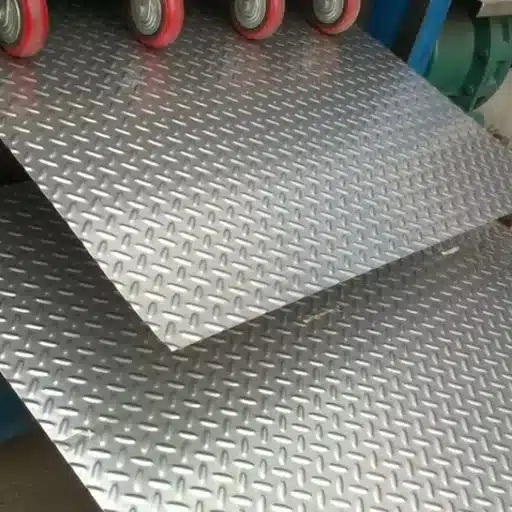
3mm thick stainless steel sheets are the most preferred material in construction and architecture due to their durability, resistance to corrosion, and aesthetic value. They can be employed for exteriors, roofs, and structural elements depending on the application, as their superior strength-to-weight ratio aligns beautifully with contemporary architectural designs. The searches and data from the industry reveal that the use of stainless in eco-friendly buildings is increasing as the metal is recyclability and maintenance-free. Moreover, these sheets are part of various interior design features such as countertops, backsplashes, and decorator panels, which are not only beautiful and modern but also durable and functional.
Automotive and Aerospace Applications
Automotive and aerospace are the two main applications of stainless steel sheets where the issues of durability, strength, and resistance to extreme conditions are the most critical. The latest search engine data have led to a soaring interest in corrosion-resistant materials for vehicle manufacturing and aircraft design with a special emphasis on ethically sourced stainless steel. In the automotive sector, stainless steel is being developed for exhaust systems, chassis components, and trims which is a fair combination of aesthetic and functional. Similarly, due to its high-temperature resistance and ability to withstand stress, the metal is also being used in engine parts and the structural framework of airplanes. The trends indicate that stainless steel is becoming a necessity for lightweight, eco-friendly, and high-performance designs in the automotive and aviation industries.
Industrial and Manufacturing Roles
In the industrial and manufacturing sectors, stainless steel is still the major material and its properties of being durable, corrosion-resistant and versatile are exactly what the industry needs most. The chemical, food, and beverage sectors heavily rely on stainless steel in the areas of machines, pipes and storage tanks. The material’s non-reactive nature makes it safe and hygienic, especially with the consumables or hazardous substances involved. A recent analysis of search trends and data shows that people are increasingly asking questions about the uses of stainless steel in advanced manufacturing, particularly 3D printing. This trend is a clear indicator of the increasing interest in using stainless steel for applications such as custom prototypes, complex geometries, and high-strength components. The use of stainless steel in modern manufacturing does not only produce efficient products but also reduces the carbon footprint, thus contributing to the objectives of the contemporary industry.
🏗️ Construction & Architecture
Facades, roofs, structural supports, skylights, countertops, backsplashes, decorator panels
🚗 Automotive & Aerospace
Exhaust systems, chassis components, decorative trims, aircraft engine parts, structural frameworks
🏭 Industrial & Manufacturing
Chemical processing equipment, food production machinery, storage tanks, 3D printing, custom prototypes
How to Compare Prices Effectively
Researching Reliable Suppliers
The latest data and powerful tools such as search engines can significantly enhance the process of finding reliable suppliers. The very first step is to identify those suppliers who have been highly praised by customers or rated highly and who also have a good online presence. By verifying their qualifications such as certifications, years of operation, and affiliations with reputable organizations, you can make the supplier more credible in your eyes. Not only is it very important but also it is a must to compare their price structures, delivery times, and customer service responsiveness, as this will simplify the search for a supplier that matches your business. Using Maps to find suppliers nearby or employing advanced search filters to pinpoint providers within your industry can even speed up the process. Combining in-depth research with data-driven insights will enable you to establish relationships with suppliers who offer quality and reliability.
✅ Supplier Evaluation Checklist
- Customer reviews and ratings
- Industry certifications and credentials
- Years of operational experience
- Association with trusted organizations
- Price structure transparency
- Delivery time commitments
- Customer service responsiveness
- Geographic location and accessibility
Understanding Price Quotes and Specifications
One of the most important parts of the decision-making process, right after the comparing of price quotes and specifications, is the scrutinizing of the details of the quotation. The price quotes, apart from the total figures presented, usually unveil the various cost components such as raw materials, labor of the workers involved, and maybe even the not-so-obvious ones like shipping and taxes. Specifications, in contrast, reveal the features of the goods or services in terms of dimensions, materials, and quality of performance.
You can always turn to the latest information available from search engines to help you not only to find the most attractive price range but also to see if the specifications live up to the industry standards. For instance, the search for the best suppliers and the reading of the reviews can give you the deeper understanding of a particular quote’s value. Besides, the utilization of such tools allows various enterprises to address the issue of “Is this price competitive and at the same time, fulfilling our quality requirements?” and to get their lower-price yet top-quality decisions ready.
Cost Benefits of Bulk vs. Small Orders
When dealing with the cost benefits of bulk versus small orders, the main factors to consider are unit cost, storage cost, and demand forecasting. According to the latest research results from search engines, bulk buying is the preferred practice of most businesses because they get the significantly low unit prices and, subsequently, the reduced shipping costs, which mean they save a lot. Most of the time, suppliers give price reductions on large volumes, which means that buying in bulk becomes even more attractive for companies with stable and predictable inventory needs.
Conversely, small orders are linked to comfort and lower initial capital requirements, which might be an ideal solution for companies with strained cash flows or those looking to prevent excess stock. However, the pricing per unit in small orders may be greater and the regular delivery fees might eventually reduce the profits in the long run. Companies can implement a purchasing strategy that is cost-effective and at the same time meeting their operational and quality standards by utilizing the most recent market research and current supply chain data.
Frequently Asked Questions (FAQ)
Q: What leads to the price fluctuation of the stainless steel 3mm sheet for 316L stainless steel and A240 specifications?
The price differences of 316L stainless steel are mainly through the raw material costs, the market demand, and the certification standards of ASTM, A240 etc. which are applied to 316L stainless steel. Moreover, the material’s thickness tolerances, surface finishing, and whether the sheet has gone through bright annealing or cold rolling affect its pricing. In addition to this, the method of transportation and the material’s format i.e. roll or sheet (like a 3000mm width or a 4×8 panel) will not only set the price but also the logistics. Furthermore, the high quality certification and traceability increase the unit price but at the same time guarantee the uniformity of mechanical properties and good corrosion resistance. It is a good practice to compare like-for-like when assessing price, as suppliers may offer different quotes for metal inox or aluminum replacements.
Q: In what way do the 2B finish or 2B finish affect the cost and appearance?
The 2B finish is the one of the most widely used cold rolled finishes that results in a smooth and dull surface and is usually cheaper than polished or mirror finishes. The manufacturing process usually includes a combination of bright annealing or cold rolling which will then affect the mechanical properties and dimensional tolerances. Should the end user require a mix of good corrosion resistance and weldability, a 2B finish on AISI 304 stainless steel sheets is one of the best choices because of its high quality. For manufacturers, the charge for the common 2B finish may be less than that for special grits or 8K mirrored polishing. However, it is the case that in a comparison between stainless steel and aluminum, the surface finish and coating requirements can have a very large effect on the total project cost.
Q: Is the price of the stainless steel 3mm sheet size significantly affected by the selection of mirror or 8K mirror polish finish?
Polishing and surface treatments for the mirror and 8K finishes are quite extensive, taking a lot of time, and thus, adding extra costs to the production as compared to the no. 4 or 2B finishing. Though the extra processing improves aesthetics, it doesn’t change the mechanical properties of the alloy coating in any manner. Only the projects where the fineness of mirror or 8K is a must-have are those that can usually tolerate the price difference coming from such specifications in the architectural or decorative sector. What is more, suppliers include scrap loss and labor when giving the price for a mirror-polished sheet of 3mm stainless steel plate. If weldability is required after polishing, consult the manufacturer for post-polishing weld procedures to avoid damaging the surface.
Q: What is the price difference between 3mm, 4mm, and 6mm thick stainless steel sheet plate?
The cost always goes up with the weight of the material and, therefore, the price for the 4mm and 6mm sheets will be more than the price for the 3mm sheet considering the extra weight (tonnage) that will need to be transported. The price for the thicker gauges might slightly go down per kg, due to lower handling and processing overhead per unit weight, but the total material cost will be higher. The costs for cutting, transportation and edge finishing might also differ in thickness and type of format, for example, 4×8 sheets or custom rolls. High-quality or certified materials such as 304L or 316L usually cost more than commodity grades like 201. When doing the budget take into account the possible fabrication needs which affect the final cost and also consider comparing metals inox and aluminum alternatives wherever possible.
Q: Is it possible to obtain a stainless steel sheet of 3mm thickness in the form of rolls or only in the shape of flat plates like 4×8?
The majority of distributors offer both roll and flat plate as options; the first one is commonly used for continuous processing and can result in the waste-efficiency factor for some production lines. Cut sheets like 4×8 panels come ready for cutting and immediate use. Opting for the roll material can make stamping or roll forming less expensive, where a lower scrap rate can be reached. It is very important to contact the supplier and find out whether the material is cold rolled, hot rolled, or bright annealed to comply with your requirements for mechanical properties and surface finish. Flat sheets might be the best choice for 1mm, 2mm, and 3mm thicknesses to ensure uniform gauge and tolerance.
Q: What would be the impact of ASTM specifications and AISI 304 vs 304L on the cost of sheets of stainless steel 3mm?
The influence of the ASTM and AISI specifications is felt through the chemical makeup, the list of elements that can be considered as impurities, and the tensile strength. These factors have a cost effect indirectly, as the content of the alloying elements and the testing requirements determine it. The carbon content in 304L is, therefore, less than that in 304, and this lowers the risk of carbide precipitation. The certification can be slightly more expensive, as it is necessary. If, for example, ASTM traceability is required or mill test reports are requested, then all these factors together contribute to the raising of the costs of production and inspection for 3mm sheets. When auditing the quality of documentation against the financial constraints, one should take into account the mechanical properties and application requirements.
Q: Is there a remarkable difference in the price of specialty alloys like 310 or 316L as compared to 201?
The main reason why specialty alloys, such as 310 and 316L, are more expensive than common grades, like 201, is the same reason that alloying elements like nickel and chromium, among others, are the high-temperature performance and corrosion resistance improvement. For instance, the 316L grade gives excellent corrosion resistance in chloride environments, making it more expensive and yet suitable for marine or chemical exposure. 310, which is generally a choice for high-temperature strength, is expected to cost about the same as its high alloy content. The manufacturers and the suppliers of these grades very often maintain a limited inventory and set minimum order quantities, which results in higher unit costs for the buyers. In the case of projects where budget restrictions are the main issue, it is prudent to consider whether a pared-down or other i.e. coated metal inox/aluminum solution can meet the requirements.
Q: What is the correlation between coil width 3000mm or sheet sizes and shipping and price?
The handling of larger coil widths and oversized plates such as 3000mm might be complicated and require special transport, which in turn would mean higher shipping and logistics costs. On the contrary, the standard sizes like 4×8 are not that strict regarding the palletized distribution and therefore, the freight charges are less. The wide coils may allow for a yield loss reduction in certain nesting patterns; however, there may be custom slitting and processing fees if the narrow widths are required. The cutting fee for custom cut-to-size services may be included in the quote for convenience. When evaluating suppliers, be sure to factor in total landed cost, which takes into account shipping, customs, and local handling.
💰 Quick Price Comparison Guide
Note: Price indicators are relative. Actual costs vary by region, supplier, and market conditions.
Conclusion
Deciphering the price movements of stainless steel 3mm sheets necessitates an all-encompassing understanding of many factors, among which are the material grades, market trends, manufacturing costs, and end usage. It does not matter if you use Grade 304 for the commonest applications, Grade 316 for the toughest marine conditions, or Grade 430 for the cheapest options, each grade has its own advantages uniquely suited to resolved issues. Informed buying decisions are made by following up on trustworthy suppliers, comprehending the specifics of price quotations and specifications, and systematically considering the benefits of full versus small orders. The procurement strategy can be fine-tuned to achieve the finest quality and most cost-efficient way by the types of finishes, thickness differences, certifications, and shipping logistics. The stainless steel industry is developing in the direction of sustainable manufacturing and recycling technologies; thus, it is only right that one keeps abreast of the market and suppliers’ capabilities so that one’s projects will be successful. If you are in the building trade, car manufacture, aerospace or production, the adaptability and strength of stainless steel 3mm sheets will make them an irresistible material choice that guarantees long-lasting, high-performance results.
📚 Reference Sources
Application of cost-effective stainless steel for automotive components
An in-depth study examining the use of cost-effective stainless steel grades in automotive manufacturing, analyzing performance characteristics and economic benefits.
Source: Taylor & Francis Online
Discussion on the use of stainless steel in constructions in view of sustainability
This research explores the role of stainless steel in sustainable construction practices, highlighting its recyclability and environmental benefits.
Source: ScienceDirect
Stainless steel in construction: A review of research, applications, challenges and opportunities
A comprehensive review covering the latest research, practical applications, and future opportunities for stainless steel in modern construction projects.
Source: ScienceDirect
Wrought stainless steels
Technical documentation providing detailed specifications and properties of wrought stainless steel materials used across various industries.
Source: ASM International