304 stainless steel round bars serve as one of the most adaptable materials which businesses use across their industrial and commercial operations. The round bars became essential materials for various industries because they combine durable physical characteristics with protection against corrosion and their smooth manufacturing process. The article examines the primary uses of 304 stainless steel round bars together with their distinctive attributes and vital factors which customers need to consider when making purchases. The guide provides information to help you choose the right material for your high-performance project needs while learning about the unique characteristics of this alloy.
Chromium content in 304 alloy
MPa minimum tensile strength
Max intermittent service temperature
Major stainless round bar classifications
Understanding Stainless Steel Round Bars

What is a Stainless Steel Round Bar?
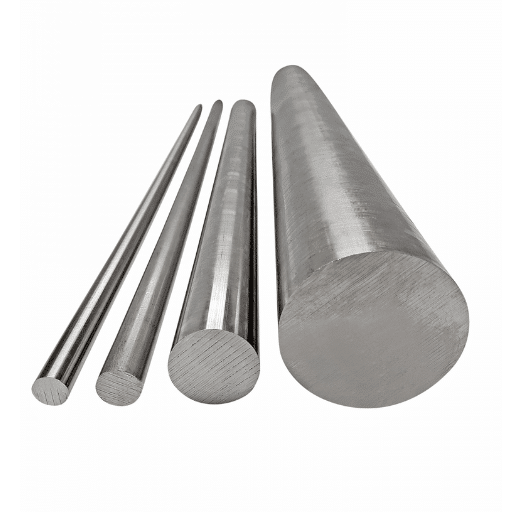
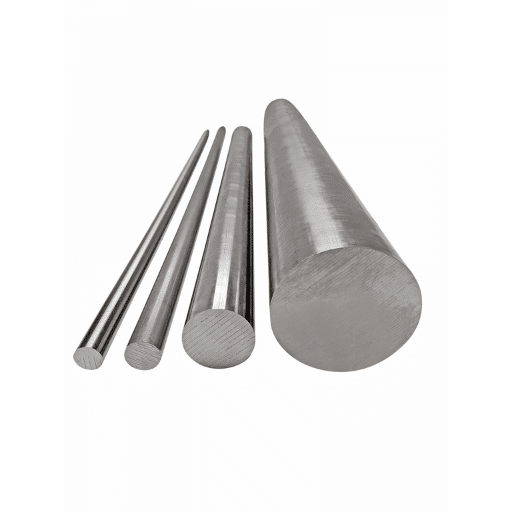
The stainless steel round bar exists as a cylindrical solid object which industrial sectors commonly use because it exhibits outstanding strength and resistance to corrosion and multiple application capabilities. The bars come in various grades with 304 and 316 as the most common options while their diameter and length selection depends on the specific application requirements. Stainless steel round bars serve multiple purposes in structural work and manufacturing and machining processes and component creation because they possess strength to endure tough environmental conditions. The non-reactive nature of stainless steel also makes these bars suitable for use in food processing pharmaceuticals and chemical applications which require both hygiene standards and corrosion resistance.
Types of Stainless Steel Round Bars

Stainless steel round bars have multiple classifications which match specific uses through their material composition and their ability to perform different functions. The main classifications of stainless steel round bars are presented below.
Selection Principle
The right stainless steel round bar selection enables industries to achieve optimal industrial performance while meeting their specific operational needs for corrosion resistance and load-bearing capacity and wear resistance.
Key Properties of 304 Stainless Steel Round Bars

304 stainless steel round bars are renowned for their exceptional performance and versatility which makes them the most commonly used stainless steel material in multiple industrial sectors. The following key properties highlight their importance:
304 stainless steel round bars provide excellent resistance to corrosion in a wide range of environments which include exposure to moisture and oxidizing agents. The chromium content of the material creates a passive oxide layer that covers the surface and protects against rust and decay.
The 304 stainless steel round bars achieve reliable load-bearing strength through their tensile strength of 515 MPa which equals 75 ksi and their yield strength of 205 MPa which equals 30 ksi.
The 304 stainless steel material maintains its structural integrity at high temperatures because it can reach a maximum service temperature of 870°C which equals 1598°F during intermittent use. The material functions effectively under conditions of moderate thermal temperature.
The 304 stainless steel material enables easy fabrication because it possesses excellent machinability and formability which allow operators to cut and weld and shape the material into intricate designs without losing its strength. The system enables manufacturers to use multiple production methods which include both cold and hot working processes.
The material has a non-porous surface which stops bacteria from developing on it thus making the material appropriate for use in food and medical industries that need high levels of cleanliness.
The material maintains its performance capacity during both basic and extreme operational situations. The combination of toughness and ductility and corrosion resistance in this material delivers exceptional value throughout its entire lifecycle.
The properties of the material enable construction and automotive and food processing and medical equipment manufacturing industries to operate their businesses with higher efficiency and product dependability.
Applications of 304 Stainless Steel Round Bars

Industrial Applications
The industrial sector uses 304 stainless steel round bars throughout multiple industrial sectors, which function as essential components because the bars display excellent mechanical characteristics, protect against corrosion, and work effectively in many different industrial environments. The petrochemical and chemical processing and energy generation industries use these bars to manufacture pumps and valves and heat exchangers. Furthermore, food and beverage companies use these materials for processing equipment because their design meets hygiene requirements, which protects public health and extends equipment lifespan.
The newest data shows that people most frequently search for two specific applications of 304 stainless steel round bars which include their use in marine environments and their use in systems that operate at high temperatures. The materials serve essential functions in shipbuilding operations and offshore platform construction and power plant development because they can withstand saltwater corrosion and maintain their structural integrity when exposed to thermal stress. The materials demonstrate their ability to serve various purposes while they work to enhance industrial productivity in multiple industrial sectors.
Construction and Fabrication Projects
The application of 304 stainless steel round bars in construction and fabrication projects shows that search trends demonstrate a primary interest in their use for structural frameworks architectural designs and reinforced systems. The question that people ask most frequently about these domains is: What makes 304 stainless steel round bars the most preferred option for these fields? The answer exists because these materials demonstrate both outstanding mechanical performance and strong defense against environmental conditions. The materials display high tensile strength together with ductility which enables their use in manufacturing load-bearing components. The materials demonstrate their capability to last for extended periods because they can resist oxidation and corrosion throughout different environmental conditions. The construction process benefits from their machinability and weldability which enables designers to create intricate systems that builders can construct more quickly while spending less money throughout the project. The attributes of these materials demonstrate their value for creating environmentally friendly and efficient building solutions that modern construction and fabrication projects require.
Common Uses in Manufacturing
The manufacturing industry requires advanced materials which include high-performance alloys and specialty polymers and composites. The aerospace and automotive sectors use high-strength alloys because these materials offer better strength-to-weight ratios and retain their strength under extreme temperatures. Carbon fiber-reinforced plastics which combine lightweight properties with strong structural integrity function as vital materials used in aircraft manufacturing wind turbine production and sporting equipment creation. Specialized polymers provide essential functions to medical device production and electronics production and consumer product production because they deliver biocompatibility and electrical insulation and flexibility.
Manufacturers can enhance their production processes by using these materials because digital technologies provide them with tools like computer-aided design and 3D printing and automated quality control systems. The technology enables manufacturers to use materials at their highest efficiency while producing waste at the lowest level and manufacturing components with extreme accuracy. Material science keeps advancing together with digital technologies which will improve operational efficiency and sustainable resource management across all manufacturing industries.
Benefits of Using 304 Stainless Steel Round Bars

Corrosion Resistance and Durability
The exceptional corrosion resistance and durability of 304 stainless steel round bars make them the top material choice for industrial and commercial uses. The material consists of approximately 18% chromium and 8% nickel which creates a strong chemical structure that develops an effective oxide layer to protect against both oxidation and pitting in extreme conditions. The most recent data shows that people search for 304 stainless steel performance information to learn about its resistance against typical corrosive materials which include acidic solutions and saltwater and atmospheric conditions. The material demonstrates strength when exposed to mechanical stress and different temperature conditions which makes it suitable for use in demanding environments found in food processing and chemical equipment and marine infrastructure. The material maintains its functional capabilities which explain why industries choose 304 stainless steel as their standard material for applications that need high durability and corrosion resistance.
Tensile Strength and Formability
304 stainless steel displays strong tensile strength together with exceptional formability which makes the material suitable for use in situations that require both strength and flexible movement. The material exhibits a tensile strength range that extends from 515 MPa to 750 MPa which shows its capability to endure high stress before reaching deformation. The material displays these characteristics because its metallurgical structure contains chromium and nickel which improve its mechanical properties and its ability to withstand tensile fracture.
304 stainless steel allows for easy forming capacity through multiple shaping methods which include deep drawing and rolling and stamping. This property makes it the most suitable material for automotive manufacturing because precision components need to maintain their structural integrity when exposed to different operating conditions. The development of new processing methods decreases the likelihood of work hardening during forming processes, which results in better industrial operational efficiency. The combination of these features establishes 304 stainless steel as the leading material for applications that require both high strength and diverse shaping abilities.
Material Insight
Versatility in Different Environments
304 stainless steel displays its ability to function in various environments because it possesses outstanding properties of corrosion resistance and thermal stability and mechanical durability. Recent data trends, which investigators analyzed from search engine results, show that multiple sectors, including marine engineering and chemical processing and food handling, require corrosion-resistant materials.
The combination of high chromium and nickel content in 304 stainless steel creates a protective passive oxide layer that prevents oxidative degradation, which fulfills all required standards for this material. The material’s non-reactive surface enables it to meet strict regulations for medical and food-grade applications, which protect safety and product integrity during prolonged contact with moisture and chemicals and different pH conditions. 304 stainless steel demonstrates ideal performance for applications which need both trustworthy operation and extended material durability.
Technical Specifications of 304 Stainless Steel Round Bars

Mechanical & Chemical Data
| Property | Value / Range | Notes |
|---|---|---|
| Tensile Strength | 515 – 750 MPa (75 – 109 ksi) | Varies with temper and finish; annealed stock at lower end |
| Yield Strength | 205 MPa (30 ksi) minimum | Cold working increases yield strength; reduces ductility |
| Elongation | 40% minimum (in 50 mm) | High ductility supports complex forming operations |
| Chromium Content | 18.0 – 20.0% | Primary source of passive oxide corrosion protection |
| Nickel Content | 8.0 – 10.5% | Stabilizes austenitic structure; improves ductility |
| Carbon Content | 0.08% maximum | Low carbon; stable dimensions during forming and machining |
| Max Service Temp. | 870°C (1598°F) intermittent | Continuous service limit lower; consult supplier for specifics |
| Density | 7,900 kg/m³ (0.285 lb/in³) | Useful for weight and load calculations in structural applications |
Diameter and Length Options
304 stainless steel round bars come with various diameter and length options which fulfill different industrial needs. The standard size range for these products starts at 1/8 inch (3.175 mm) while it extends up to 24 inches (609.6 mm) and users can make special requests for particular diameter sizes. Standard lengths come in 12-foot (3.658-meter) increments while users can request custom cut-to-size lengths for their exact project requirements. Manufacturers achieve tight dimensional tolerances because they want to deliver consistent results during both machining and assembly operations. The various dimensions which can be used for 304 stainless steel round bars make it possible to create products that suit construction needs while manufacturing requirements and automotive needs and marine needs and aerospace needs.
Stock and Inventory Considerations
The process of managing stock and inventory for 304 stainless steel round bars requires businesses to consider two factors which include market demand and supply chain fluctuations. The latest research shows that supply chain problems still exist which forces companies to keep extra inventory to prevent project delays. The most recent search trends show that people are now more interested in marine materials and construction-grade materials which indicates that these industries are experiencing higher demand. Manufacturers and distributors need to enhance their availability of standard sizes while developing effective systems for restocking their custom dimensions. Businesses can achieve better operational results in competitive markets by using inventory management software that works with real-time data analytics to track stock levels accurately which helps prevent shortages and overstocking issues.
Understanding Carbon Content and Its Impact
The research study investigates how carbon content determines material properties through its effects on hardness and tensile strength and ductility. The study demonstrates that low-carbon steels enable malleable forming applications while high-carbon steels provide superior strength and wear resistance which engineers use to create cutting tools and machinery components.
Recent search data trends show that people search for information about how carbon content changes affect industrial operations especially in sustainability-focused manufacturing. The research team studies methods to optimize carbon levels because they want to decrease environmental impact while maintaining operational performance. The development of new alloys and heat treatment methods enables manufacturers to achieve longer material durability while creating less environmental impact. The company developed new production solutions which fulfill operational requirements while helping the world achieve its sustainability goals.
Purchasing Considerations for Stainless Round Bars
Choosing the Right Supplier
The process of selecting a stainless round bar supplier requires assessment of multiple essential elements which help to achieve maximum product excellence and dependable service. The first step requires assessment of the supplier’s technical expertise and manufacturing capabilities together with their compliance to industry standards which includes ASTM and ISO certification requirements. The production facilities of the company together with its testing methods must enable the company to produce consistent product quality throughout its entire operation.
- 01
Technical Expertise & Certifications: The evaluation must determine the supplier’s technical skills together with their manufacturing abilities by assessing their compliance with industry standards which include ASTM and ISO certifications. The testing methods which their production facilities use must provide them with the ability to produce consistent product quality across all their manufacturing processes. - 02
Track Record and References: Assess the supplier’s performance history which includes their client reviews and case studies and their participation in international supply networks because this data demonstrates their trustworthiness and business standing. - 03
Pricing and Regulatory Compliance: Organizations should select vendors who provide economical solutions which maintain material quality and according to regulatory requirements because pricing systems serve as fundamental factors in decision making. - 04
Sustainability Practices: To support the trend of global businesses becoming more environmentally friendly, vendors in enterprises need to be those who adopt green practices. - 05
Delivery Capabilities: The supplier’s delivery capabilities and supply chain management systems function as vital elements for all projects which need regular shipments and short delivery periods. A partnership with a supplier who possesses both technical expertise and dependable operational capabilities will enable your organization to fulfill its business needs while adhering to strict quality control requirements and environmental protection standards.
Evaluating Metal Supply and Availability
The assessment of metal supply and availability requires multiple methods which use current market information and supplier capacity to track changing customer needs. Recent data from search engine highlights a growing concern for supply chain disruptions due to geopolitical tensions, fluctuating commodity prices, and increased global demand for critical metals such as aluminum, copper, and rare earth elements. Industries now search for suppliers who can provide multiple sourcing options together with strong delivery capacity and open storage tracking systems.
Businesses require data analytics tools to monitor market developments and identify risks to their supply chain operations. Organizations can identify weaknesses in their supply chain by combining search engine optimization data with their suppliers’ performance metrics to identify dependencies on single suppliers and regions that experience frequent disruptions. Businesses can maintain operations through stockpiling and establishing partnerships with various suppliers which serves as a protective measure against supply shortages. The integrated evaluation framework provides two advantages by decreasing risks while enhancing procurement methods which support production objectives and market competitiveness.
- ✓Use data analytics tools to monitor commodity price trends and detect vulnerabilities before they affect procurement schedules.
- ✓Identify and reduce overreliance on single-source suppliers or geographically concentrated sourcing regions.
- ✓Maintain strategic buffer inventory of the most frequently used standard sizes to absorb short-term supply disruptions.
- ✓Establish partnerships with various suppliers as a protective measure against supply shortages.
- ✓Request open storage tracking systems to monitor real-time inventory levels for critical items.
Cost Factors and Budgeting for Your Project
The assessment of cost factors together with the process of budget creation for projects requires the evaluation of both macroeconomic trends and project-specific variables. The expenses for input materials which include raw materials and labor and logistics services will change because of market demand and geopolitical events and currency exchange rate fluctuations. The latest data from search engine tools enables users to track real-time commodity prices together with supply chain interruptions and new economic threats which will affect their operating expenses.
The project requires constant tracking of currency conversion rates together with trade policy updates because it depends on imported materials. The project managers can predict material cost increases or shortages which will occur because of worldwide disasters and trade embargoes through the analysis of online search patterns using predictive analytics. Organizations can use data-backed insights during their budgeting process to improve resource distribution and protect against unplanned costs while they work to achieve their monetary goals and meet stakeholder needs. The system creates a budget which can respond to changes in project requirements because it utilizes real-time data to manage financial operations.
Budgeting Best Practice
Integrate real-time commodity data and predictive analytics into your procurement workflow. Organizations that adopt data-backed purchasing strategies can allocate resources more effectively, protect against unplanned expenditure, and build budgets that remain responsive as project requirements evolve.
Frequently Asked Questions
What sizes of stainless steel round bar 304 are commonly available?
Stainless steel round bar 304 is typically stocked in a wide range of diameters and length options to suit many projects; common sizes range from small rods used in precision work to larger bars for structural applications. 304 stainless steel and other metals which metal supply companies have in stock appear in their inventory with both metric and imperial size charts which help customers select appropriate materials for their specific needs. The supplier requires you to specify your size needs together with tolerance requirements and finish specifications and cut-to-length needs. The low carbon content of 304 stainless steel enables manufacturers to produce stable dimensions throughout the shaping and machining processes. Fabricators need to know standard material weights which exist in different lengths because this information helps them with both their ordering needs and their material cost calculations.
How does corrosion resistance of 304 stainless steel round bar compare to other metals?
The exceptional corrosion resistance of 304 stainless steel allows it to perform well in multiple environments which makes it more suitable than traditional carbon steels and specific aluminum alloys for outdoor use and environments with mild corrosive conditions. The combination of chromium and nickel in the material creates a protective oxide layer which prevents the metal from developing rust and pitting damage when exposed to normal outdoor conditions. The selection of material requires assessment of the specific application and environment because other stainless steels deliver superior protection against environments with high chloride content. Industrial and architectural projects achieve their long-term operational efficiency through corrosion resistance which extends their lifespan and cuts down maintenance needs. Suppliers provide customers with information about which materials are suitable for their intended use and which alternative grades exist.
What is the tensile strength and strength properties of a stainless round bar T304?
The tensile strength and mechanical properties of a stainless steel round bar material T304 need to be evaluated to determine its performance capabilities. The tensile strength of 304 stainless round bar (T304) falls within a range that meets the requirements of various structural and mechanical applications which need dependable strength and ductility. The yield and tensile strength values of 304 depend on its temper and finish but the alloy provides excellent corrosion resistance which makes it appropriate for use in load-bearing rods and shafts. Fabrication processes such as cold working will increase metal strength but they will decrease the metal’s ability to form shapes therefore you should consult your metal supplier to determine whether you require annealed stock or work-hardened stock. The 304 steel grade exhibits only minor precipitation behavior which allows the material to maintain its toughness after welding and heat treatment. The supplier must deliver certified test reports to customers when they need specific mechanical data required by their industrial needs.
Can I weld stainless steel round bar 304 for my fabrication project?
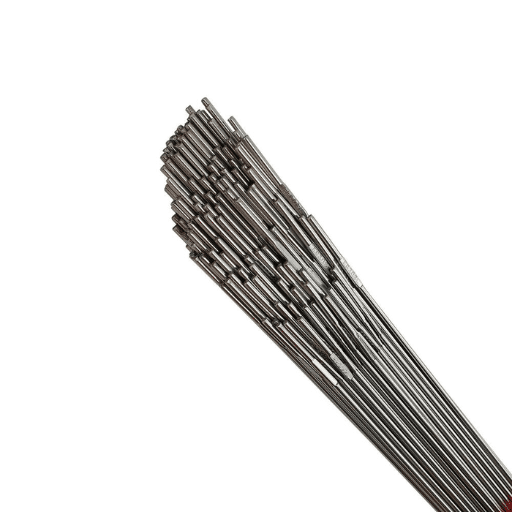
Welding 304 stainless steel round bar is a standard practice used in various fabrication operations because it produces strong joints when proper procedures are followed and standard stainless filler metals are used for welding. 304 has become a popular material for industrial and decorative applications that need welded assemblies because it offers both good formability and weldability. The combination of heat input control and post-weld cleaning methods will protect both the corrosion resistance and visual appearance of the metal while using compatible filler metal will stop localized corrosion and material strength loss. You should talk to your metal supplier and your welding engineer about welding procedures and the requirement for post-weld annealing in critical assemblies. The accurate creation of joints together with proper fixturing methods will maintain the correct dimensions throughout the entire rod and bar assembly process.
How does formability and durability of stainless steel round bar affect my application?
The 304 stainless steel round bar exhibits excellent formability and long-lasting performance, which enables its use in both bent components and machined parts and enduring structural elements. The material provides operators with balanced ductility and tensile strength, which enables them to conduct secondary operations that include turning and drilling and forming without facing high crack formation threats. The suitable diameter and temper selection process enables projects that need high wear resistance and repeated stress to achieve maximum durability. The 304 stainless steel material demonstrates its versatile capabilities through its use in various industrial and consumer applications, which include fasteners and shafts. The rod properties should be matched to service loads and environmental conditions through consultation with your supplier.
Where can I find a reliable stainless steel round bar supplier and inventory of 304 stock?
The local distributors and trustworthy metal supply companies maintain an inventory of 304 stainless round bars which consists of standard sizes and lengths while they offer cutting and milling and finishing services to meet customer needs. The supplier selection process requires you to verify material certifications while examining lead times and determining whether they provide formability and fabrication assistance for your project. Numerous suppliers present technical data sheets which contain information about carbon content and tensile strength and corrosion resistance to assist you in qualifying materials. The industrial orders must include batch traceability and test reports to demonstrate compliance with all specifications. Establishing a trustworthy supplier relationship simplifies the purchasing process because it ensures timely delivery of essential products throughout project execution.
Reference Sources
- “A novel approach for study of straightness in commercially produced round metal bars based on deflection measurements” — This study explores the straightness and deflection properties of stainless steel round bars, providing technical insights into their production and quality.Read more here
- “Stainless steel in construction: A review of research, applications, challenges and opportunities” — This review discusses the applications and challenges of stainless steel, including its use in construction and reinforcing bars.Read more here
- “The Case for Stainless Steel Reinforcing Bars” — This paper examines the corrosion resistance and structural benefits of stainless steel reinforcing bars in critical applications.Read more here