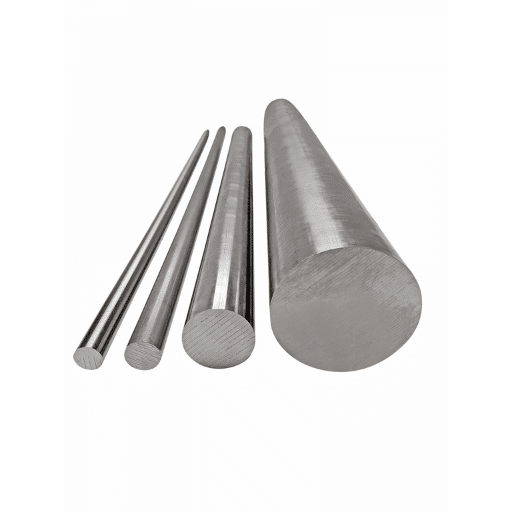
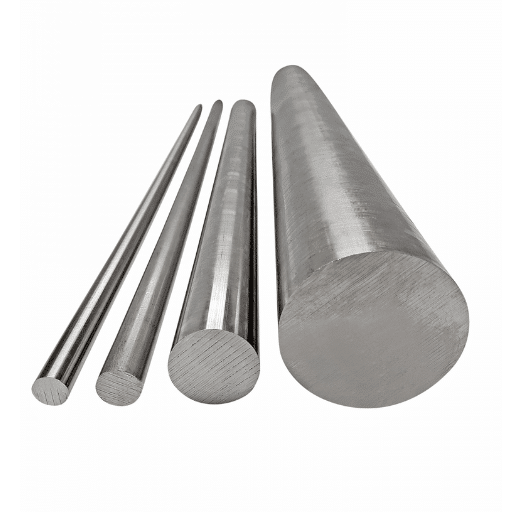
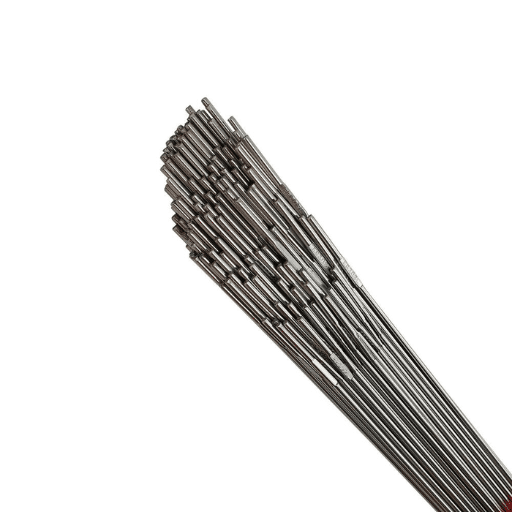
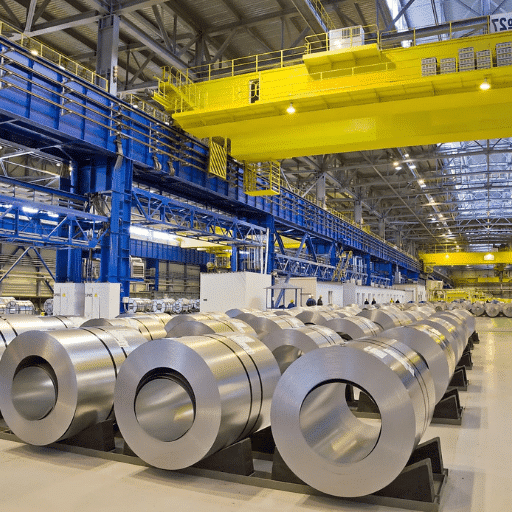
Stainless steel coil tubing has revolutionized the way fluids and gases are transferred in industries, providing unmatched efficiency, reliability, and adaptability. The robustness and resistance to corrosion of this tubing solution along with its lengthy service life even in harsh conditions make it a preferred choice among various sectors like oil and gas, chemical processing, and aerospace.
In this article, the author investigates the major advantages of stainless coil tubing and the ways it enhances operational performance, decreases downtime, and facilitates modern industrial processes. No matter if you are managing intricate systems or looking for economical solutions, knowing the capabilities of stainless coil tubing will place you among the up-to-date industrial applications.
What is Stainless Coil Tubing?
●
Definition and Unique Properties
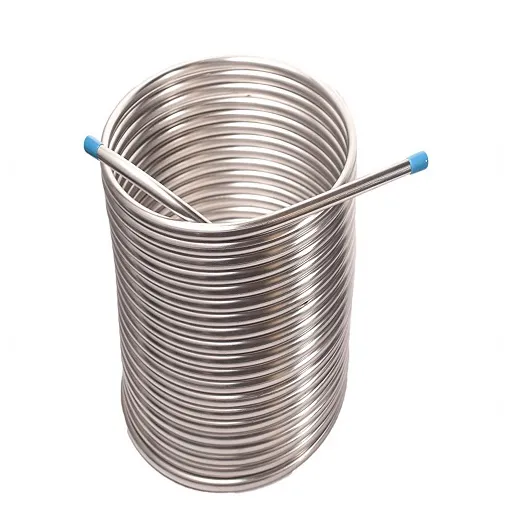
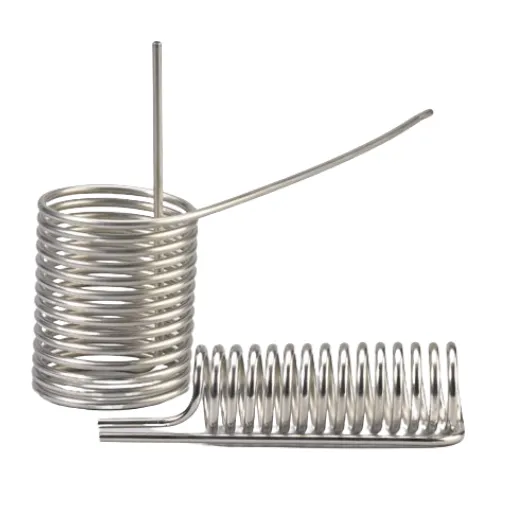
The stainless steel coil tubing is a continuous and strong tube of steel that is meant for use in high-pressure, elevated-temperature, and corrosion environments. The alloying elements typically comprising of chromium, nickel, and molybdenum are the major source of the excellent properties of this product since they give remarkable resistance to oxidation, corrosion, and wear.
🔧 Key Material Properties
- Alloying Components: Chromium, nickel and molybdenum
- Resistance: Outstandingly prevention of oxidation, corrosion, and wear
- Mechanical Stress: Extremely tolerance along with kept flexibility and plasticity
- Design Advantage: Fit for close turns and long, stretched installations
- Application Range: Oil and gas, petrochemical, aerospace industries
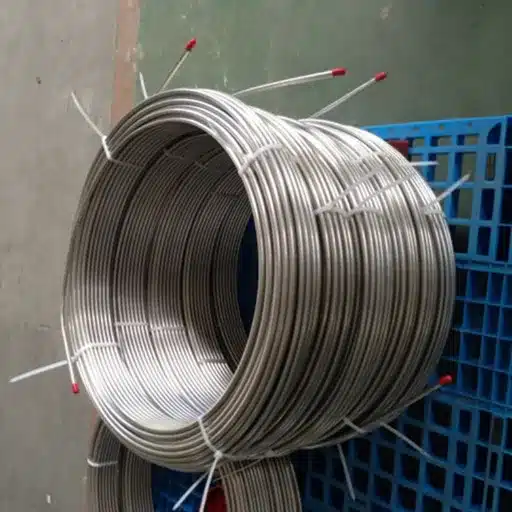
The most practical characteristic of stainless coil tubing is its capacity to endure severe mechanical stress and still be flexible and soft. It is then, highly capable of use in systems with tight bends and long continuous runs without the need for many fittings or connections. The advancements in metal technology and production methods as reflected in technical papers and research trend studies, suggest that the use of high-quality stainless steel coil tubing for very important industrial processes is being increased.
●
Key Features of Stainless Steel Tubing
1
Corrosion Resistance
Corrosion is one of the main factors which the stainless steel tubing industry has to deal with and the tubing’s amazing resistance to it is the main benefit. This quality is of great importance in fields such as chemical processing, offshore drilling, and sanitation, where the conditions are not only very harsh but also absolute hygiene is required. It has been found that corrosion resistance is the primary concern, which is why the market for stainless steel tubing in the durable materials sector is growing fast.
2
High Strength-to-Weight Ratio
One of the most positive characteristics of stainless steel tubing is its outstanding strength-to-weight ratio, which makes it capable of withstanding pressure and mechanical stresses without adding much to the weight. This property has made it a must-have in sectors like aerospace, automobile, and civil engineering where the demand for light materials is always counterpoised by the requirement of the materials to stay structurally stable. The increasing search for such materials, which are both light and high-strength has been the confirmation of this trend.
3
Versatility and Customization
Stainless steel tubing is still the number one choice in various industries due to its versatility. It can be manufactured into different sizes, wall thicknesses, and finishes, and can even be customized according to application requirements. The search data indicate the rising interest in rare applications like precision tubing for medical and pharmaceutical devices and decorative usage in architecture.
4
Sustainability
There is no doubt that stainless steel tubing is one of the most environmentally friendly materials since it is completely recyclable and at the same time preserving all its properties. The data from the research shows that eco-friendly materials are getting more and more popular indicating that sustainability is a top factor for modern industries and consumers. The growing consciousness, in turn, makes stainless steel a material of choice in numerous engineering and commercial sectors.
✓ Performance Summary
This combination of superior performance properties, documented reliability, and environmental friendliness makes stainless steel tubing an indispensable element in modern systems across various sectors. Search engine trends indicate that interest in using these features for innovative and sustainable engineering solutions remains very strong.
●
Comparison with Other Tubing Types
When comparing stainless steel tubing with alternative materials such as carbon steel, aluminum, and plastic, several distinctions stand out, backed by search engine trends data. The following table provides a comprehensive comparison:
📊 Market Insights
- The enduring interest in “corrosion-resistant tubing” is a clear indicator of the demand in the markets characterized by humidity, chemicals, or drastic temperature changes.
- The search data indicates that the demand for “high-pressure tubing” is mainly for the materials which can bear stress without changing shape.
- Lately, the searches for “industrial-grade tubing” have revealed an increasing demand for materials that offer reliability under the operational stresses.
These comparisons prove that stainless steel tubing can meet even the most complex engineering demands and has gained visibility in the searches of users for durable, sustainable, and high-performance materials.
Key Applications of Stainless Coil Tubing
●
Oil and Gas Industry Use Cases
Stainless coil tubing is essential for the oil and gas industry where fracture toughness, anti-corrosive properties, and precision are critically important. Often found in downhole operations, stainless coil tubing guarantees consistent performance throughout extremely tough conditions including high temperature and pressure environments.
⚡ Oil & Gas Applications
Well Intervention
Critical operations where material failure is unacceptable
Hydraulic Control Lines
High-pressure fluid control systems
Chemical Injection Systems
Precision delivery in corrosive environments
🔍 Search Trend Analysis
Search data shows increased queries for:
- “High-pressure tubing for oil wells”
- “Corrosion-resistant tubing for offshore environments”
Preferred Grades: 316L and duplex stainless steel grades are chosen specifically to avoid corrosion from hydrogen sulfide and chlorides—major challenges in subsea and onshore operations.
This trend confirms the versatility and effectiveness of stainless coil tubing in demanding applications, establishing its status as the material of choice for maintaining oil and gas infrastructure operability to the highest standards.
●
Petrochemical Applications and Benefits
Stainless tubing is regarded as a major player in the petrochemical industry thanks to its remarkable resistance to corrosion, tensile strength, and ability to sustain extreme temperature and pressure conditions.
✓ Industry Benefits
- Long service life: 316L and duplex stainless steels balance maintenance costs effectively
- Safe operation: Risk of leaks or failures greatly minimized
- High-pressure performance: Maintains integrity in extreme conditions
- Chemical resistance: Withstands exposure to aggressive chemicals
- Cost-effective: Reliable and affordable for maintaining production efficiency
●
Food and Beverage Processing
The use of stainless steel in the food and beverage industry is largely attributed to its excellent hygienic properties, anti-corrosiveness, and compliance with strict regulatory standards.
🍽️ Food & Beverage Requirements
Recent search pattern analysis shows increased queries related to “safety in food-grade materials” and “corrosion-resistant equipment for food processing,” reflecting the growing importance of clean manufacturing practices.
Preferred Grades: Stainless steels 304 and 316
Performance: Excellent in environments with cleaning agents, high humidity, and fluctuating temperatures
Safety Feature: Smooth surface barrier prevents bacterial growth, maintaining food and beverage safety
The combination of durability, safety, and ease of maintenance makes stainless steel a critically important material for modern food production systems that cater to both industry needs and consumer demands for high-quality and safe consumables.
Benefits of Using Stainless Coil Tubing
●
Efficiency in Operations
Stainless steel coil tubing stands as one of the most efficient materials in industrial operations. Its ability to withstand high pressure, extreme temperatures, and corrosive environments makes it suitable for numerous applications.
💡 Operational Advantages
Reduced Leak Risk
Coiled design eliminates need for joining or welding segments, considerably reducing leak potential
Uniform Performance
Ensures consistent performance in critical applications like chemical processing and oil/gas exploration
Automation Compatible
Allows quicker installation and lower labor costs compared to traditional straight tubing
Space Optimization
Flexibility enables compact equipment design, optimizing space utilization and reducing material waste
📈 Market Growth Indicator
Search data shows searches for “stainless steel coil tubing leak prevention” have increased by more than 30% over the past year, signifying its growing importance in industries requiring reliable and durable materials.
●
Durability and Resistance
Stainless coil tubing is renowned for its remarkable durability and resistance properties, making it an indispensable material in the most challenging industrial applications.
🛡️ Protective Mechanisms
Stainless steel, primarily made of chromium, develops a protective oxide layer on its surface, making it highly resistant to corrosion even in the toughest conditions:
- High salinity environments
- Extreme temperatures
- Chemical exposure
- Mechanical stress tolerance
- Thermal fluctuation resistance
Analysis of current data trends reveals that industries are increasingly focused on materials that last longer and require minimal maintenance, seeking cost-effective solutions to operational challenges. This growing emphasis on the ability of stainless coil tubing to endure wear and tear helps guarantee continuous performance and minimized downtime across vital systems.
●
Versatility Across Industries
The stainless coil tubing demonstrates unmatched versatility, serving as the solution across different industries such as oil and gas, aerospace, and healthcare.
Energy Sector
Toughness during high-pressure situations in oil and gas operations, maintaining performance in extreme downhole environments
Medical Devices
Exactness and non-reactive properties essential for precision medical instruments and pharmaceutical equipment
Aerospace
Lightweight strength and reliability for critical flight systems and fuel lines in demanding aerospace applications
📊 Industry Demand Analysis
The recent data obtained from searches indicates that there are considerable increases in questions regarding materials that are reliable and resistant to corrosion and this is a sign of a growing demand for the innovative application of stainless steel tubing. The said demand is mainly because of the material’s capability to not only fulfill but also to surpass the requirements of operations in the growing industries. The manifold utilization of stainless coil tubing guarantees that it will still play an important role in the traditional as well as in the new industrial applications, always satisfying the stringent performance standards while being flexible to the changing requirements of the operations.
Future Trends in Stainless Steel Coil Tubing
●
Innovations in Manufacturing Techniques
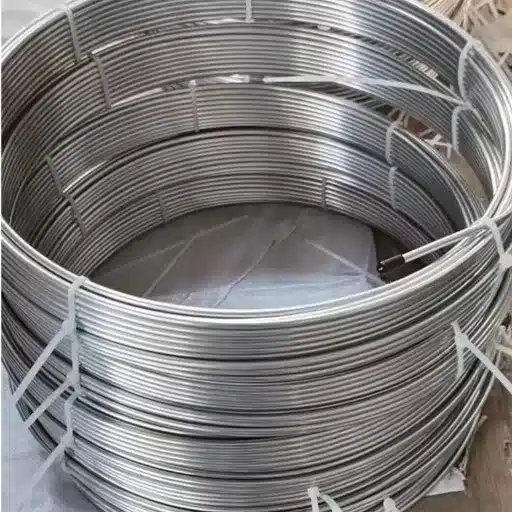
Recent developments in production processes for stainless steel coil tubing emphasize precision and efficiency, aligning with increasing demand across different industries.
These breakthroughs secure increased performance, decreased material waste, and shortened production schedules—all essential for industries demanding very stringent specifications such as energy, aerospace, and medical technology.
●
Increasing Demand Across Industries
The main reason for increasing demand for advanced manufacturing technologies across industries is the significant need for efficiency, precision, and flexibility in production processes.
📈 Market Trend Analysis
Search trend data points to significant increases in areas such as “smart manufacturing solutions” and “additive manufacturing innovations,” which are the main factors driving industries to implement these pioneering methods.
Key Sector Drivers:
- Aerospace: Demanding very precise manufacturing processes
- Healthcare: Need for specially designed and non-toxic parts
- Energy: Development of eco-friendly and efficient power solutions aligned with global carbon reduction goals
●
Environmental Impact and Recycling Advances
In recent years, the implementation of advanced technologies in waste management and recyclables has played a major role in reducing environmental impacts.
♻️ Sustainability Innovations
Automated Sorting
Removal of manual labor in recyclable sorting, improving efficiency and scalability
Chemical Recycling
Degradation of complex polymers into individual monomers, enabling production of new materials matching original quality
Upcycling Processes
Converting post-consumer waste into higher-value materials
Closed-Loop Systems
Reducing raw material extraction and lowering carbon footprints through circular economy frameworks
The search trend analysis shows that there is an increasing need for eco-friendly materials and circular economy concepts based on waste reduction and resource reusability. By grounding their operations in machine learning and data analytics, producers are improving the management of waste and its treatment while at the same time inventing reusable materials designed for particular industrial uses. These results are in line with the world’s carbon-neutrality movement, thus making it a turning point for the earth’s sustainability.
Frequently Asked Questions
Reference Sources
- Diffusion Bonding of 316L Stainless Steel Tube-to-Tube Sheet Joints for Coil Tube Gas Heaters – University of California, Berkeley
This study explores the diffusion bonding process for stainless steel tube-to-tube sheet joints, focusing on applications in gas heaters and high-temperature systems. - Effects of Aluminum Evaporator and 7 mm Copper Condenser Coils on a Packaged Refrigeration System – Wichita State University Repository
This research examines the design and performance of tubing in refrigeration systems, including heat transfer dynamics and system efficiency optimization. - An Experimental Analysis of Heat Transfer in Coiled Tubes – Virginia Tech VTechWorks
This paper analyzes heat transfer properties in stainless steel coiled tubes, focusing on axial temperature distribution and fluid dynamics in industrial applications.