Microwaving food is no longer a luxury but rather a convenience in most households nowadays. With that, the question of using some materials in the microwave still pops up, among which is the debate over stainless steel. 304 stainless steel, a type of stainless steel, is famous for its strength, resistance to rust, and adaptability. So, is it safe to use in the microwave as well? This article will take you through the whole process of the microwaving steel containers safety issue. We will discuss the uniqueness of this material, clear up common misconceptions, and also give you some tips to use your kitchen tools safely and with confidence. If you are just curious or indeed worried about it, this guide will illuminate you on a very important topic for every home kitchen.
The Importance of Microwave Safety
Understanding the Hazards of Unsuitable Materials
The use of improper materials in a microwave can bring about multiple dangers. For instance, the case of certain metals, hammock some types of stainless steel, they just reflect microwave energy instead of absorbing it. Hence, the reflection can lead to sparks, for example, damaging microwaves or even starting fires. Also, these materials can keep the food from getting hot properly, which makes them inefficient and unsafe for cooking or reheating food as they might not be detected by the thermometer.
⚠️ Important: 304 stainless steel is not regularly considered to be microwave-safe material. Unlike some microwave working materials such as glass or ceramic, 304 stainless steel reflects microwaves and it interferes with the cooking process and thus creates safety concerns. It is also very important to remember that even if the container looks tough, the material’s properties are the main factor in determining microwave safety.
To make sure that you are in the safety zone and at the same time you get an effective heating, always look for a “microwave-safe” label on your kitchenware or check with the manufacturer’s manual. Stay away from the materials that are likely to create hazards such as metals and items with a metallic coating. The safe and recommended materials’ usage can help you not only to escape the risk of your microwave being destroyed but also to stay with a safer kitchen environment.
Making Informed Choices for Safety and Appliance Longevity
Choosing the right materials for the microwave is a process in which the use of materials labeled as “microwave-safe” is a must. This label shows that the product has undergone testing and has been confirmed to bear the heat of the microwave without any harmful substances being released or the product’s integrity being compromised. Glass, ceramic, and some heat-resistant plastics are examples of materials that can be safely used in microwaves. These materials ensure that your food gets heated in a uniform and safe way, without any danger to the appliance or your health.
In contrast, metals, aluminum foil, and plates with metallic decorations are materials that should not be introduced into the microwave at all. Metal can cause sparks or even fires because the electricity generated by the microwave cannot penetrate, and this is mainly because of the metal’s reflecting nature. The same is true for some plastics in that they can melt or give off harmful chemicals when subjected to high temperatures. Therefore, always check the manufacturer’s recommendations for any new kitchenware to avoid such dangers.
Using only microwave-safe items will not only protect your appliance but also add to its longevity. The wear and tear caused by the use of non-microwave-safe materials can end up costing you repairs or it may take longer for your microwave to work the way it is supposed to. By making savvy choices and adhering to the safety instructions, you secure and effective cooking along with the continued operation of your kitchen equipment.
Common Misconceptions About Microwave Use
One of the most frequently held misconceptions about microwaves is that they render food radioactive. This is not the case. Microwaves heat the food using non-ionizing radiation which does not change the molecular structure of the food in a manner that would render it unsafe or radioactive.
Another misconception is that microwaves eliminate the whole food’s nutrients. The truth is that the loss of some nutrients is inevitable, but this does not mean that it is exclusive to microwave cooking, as it can happen with most traditional methods like boiling or frying. Moreover, microwaving is one of the cooking methods that are most effective in keeping the nutrients intact, especially when it comes to root vegetables, because it takes less time and water.
Lastly, there are some individuals who believe that microwaves pose a danger in their operation because of the exposure to harmful radiation. However, modern microwave ovens are provided with safety features and shielding that completely eliminate the possibility of radiation leakage. Provided that the guidelines are adhered to and the microwave is well maintained, it remains a dependable and secure kitchen appliance.
Evaluating the Properties of 304 Stainless Steel
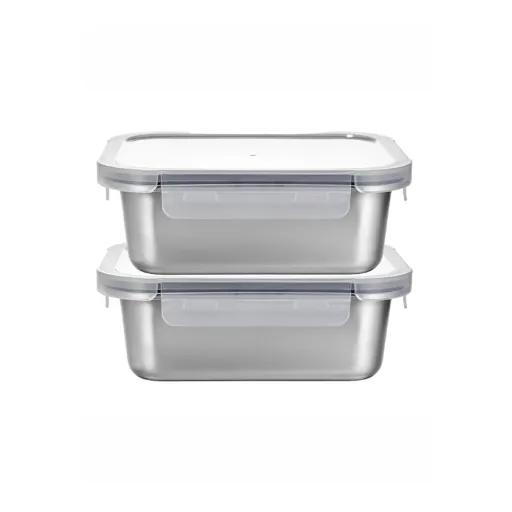
Composition and Durability of 304 Stainless Steel
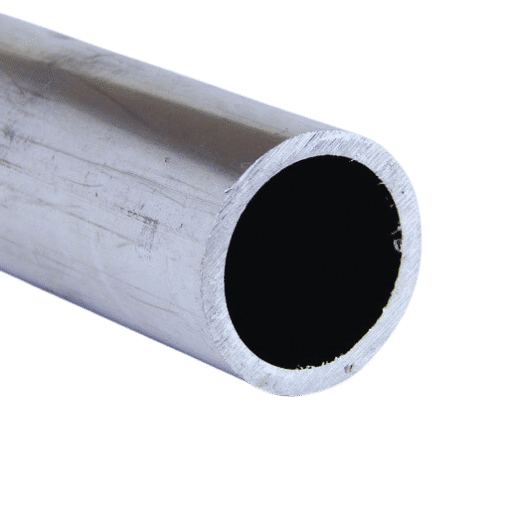
304 stainless steel is one of the most popular stainless steel alloys and is used in a variety of applications because it strikes a perfect balance between strength, durability, and corrosion resistance. The alloy usually consists of 18-20% chromium and 8-10.5% nickel, where the chromium and nickel contribute the most to its resistance to the elements and chemicals. Chrome provides the steel with an inert coating by forming a layer on top that is impervious to rust and air, and at the same time, nickel facilitates and reinforces the forming process. Moreover, iron is the main ingredient, accompanied by minor amounts of manganese (max 2.0%) and silicon (max 1.0%). Carbon is kept to a maximum of 0.08% to reduce the risk of carbide formation during welding, thus allowing 304 stainless steel to be the material of choice for manufacturing.
Another 304 stainless steel feature that makes it to last longer is its amazing durability; hence, it is often replaced in the market with even more demanding applications in widespread industries. It has high tensile strength and it is capable of enduring pressure and other physical forces without causing any cracks or breakage. In addition, its ability to function efficiently throughout the cryogenic to moderately high temperature range gives more points to its versatility. 304 stainless steel does not only retract its strength and appearance even when the environment is very harsh with the likes of saltwater, humidity, and industrial pollution that are often perceived as joining together to bring down or spoil the quality of the material.
This alloy with the above characteristics has been principally found and is highly regarded in the food and beverage industry, operating room, and construction site because of its interest in being kept clean and its ease of being cleaned and sterilized. It is impervious to corrosion, thus cannot release toxic constituents, nor does it hinder product quality, which is most critical during food-grade environments. However, 304 stainless steel’s many good points are not enough to win the fight against high chloride conditions; hence, it has to be deserted in such situations because prolonged chlorides’ contact induces the alloy into pitting and stress corrosion cracking. Yet, the alloy’s full composition and durability account for its practical and reliable nature for both daily and industrial materials.
Common Uses in Cookware and Appliances
304 stainless steel is a material of choice in cookware and kitchen appliances manufacturing because of its non-reactive, corrosion resistant and durable properties. This alloy is used in making such items as pots, pans, and cutlery which are guaranteed to last when exposed to regular heating and moisture. 304 stainless steel, unlike its reactive metal counterparts, does not interfere with the cooking of acidic or alkaline foods and this helps to retain the taste and safety of the meals prepared.
Moreover, the 304 stainless steel’s shiny, smooth surface attracts designers and it is thus selected for development of kitchen that are modern and elegant. This material is often used in the design of refrigerators, dishwashers, and ovens for both aesthetic and practical purposes. The 304 stainless steel surface is easy to clean and that is especially useful in very messy household kitchens. This provides a low-maintenance solution for cleanliness while looking professional.
On the industrial scale, 304 stainless steel is used in the commercial food service equipment and large-scale food production machinery. Its oxidation and staining resistance gives compliance with food safety standards while it is made to endure the heavy and consistent use. 304 stainless steel is an indispensable material when it comes to home or industrial kitchens as it provides the perfect combination of practicality, durability and hygiene.
Why Stainless Steel is a Popular Material
The magnificent attributes of stainless steel are the main reason for its phenomenal popularity. The metal is a perfect marriage of functionality and aesthetics. One of the most significant jeweled points of stainless steel is its resistance to corrosion and rust. Thus, it can be used in areas where moisture, chemicals, or harsh conditions are present and will still last long and cost less maintenance. The remarkable attributes of stainless steel including its strength and durability enable it to be used in applications that require both structural and decorative materials as it can withstand the harshest conditions.
Versatility is another significant factor that draws people to the product. Stainless steel is not only limited to one or two places but is the star of various industries and these include building modern worlds and huge bridges plus making medical instruments, automotive parts, and household appliances. Its property of facing high heat and cold, in addition, makes it the industrial and aeronautics case-usage material.
Sustainability now and then, adds to its overall attractiveness. The fact that stainless steel can be 100% recycled is very impressive and no quality is however lost in the repurposing processes. It is the same with the contemporary demand for eco-friendly materials. The same with the buyer’s needs, it saves resources by reducing waste. Moreover, the effortless-cleaned surface that prevents staining and bacterial growth is a major factor in hygiene areas like hospitals and restaurants. This combination of benefits makes stainless steel the only material that can meet the requirements of numerous industries.
Is 304 Stainless Steel Suitable for Microwave Use?
Research and Expert Opinions on Metal in Microwaves
The use of metals, especially stainless steel, in microwaves has always to be treated with caution and debate. Most of the experts agree that there is nothing really dangerous about certain types of metal in microwaves, but the safety of the metal depends mainly on its shape, thickness, and placement. Sparking may occur with thin, pointed, and crumpled metal because of the electric field concentration. This would not only harm the appliance but might also ignite a fire.
On the other hand, the flat and smooth stainless steel surfaces found in microwave-safe dishes and oven linings have been designed to reduce the likelihood of such situations occurring. Some researchers argue that a little bit of metal acts as a barrier to the heat with microwaves being reflected to and hence distributed rather than being directly absorbed. The above is especially true with top-notch stainless steel grades, including 304 stainless steel, which have non-reactive and corrosion-resistant properties ensuring their durability.
Besides, recent advancements have made it possible to create microwaves specifically designed for metal interiors, thus giving users the safety of incorporating metallic elements in their cooking. The manufacturers draw attention to the necessity of going through the guidelines and the use of only metal that is compatible with microwaves in order to avoid unintended damage. Grasping these various aspects of the interaction between microwaves and metals can ensure not only safety but also the full functionality of the appliance.
How Microwaves Interact with Stainless Steel
Stainless steel, a material that is both durable and versatile, has some properties that are unique to it among metals and hence will interact with microwaves in a different way. When used appropriately in microwave interiors designed for stainless steel, it does not spark like highly reflective or almost non-existent metals. The reason for this property is its alloy composition; the major contributing elements are chromium and nickel which improve its cooling resistance and conductivity.
The last few months have witnessed the increasing importance of the microwave energy distribution to the thickness, shape, and placement of the stainless steel. The smooth, non-edged stainless steel surfaces are less likely to cause arcing, while sharp edges or crumpled forms can create concentrated electric fields that may lead to sparking. The same thing happens when stainless steel is used as a microwave cavity material; it is specifically designed to reflect electromagnetic waves creating equal cooking performance.
Not only that, new microwave technologies are now featuring the possibility of using stainless steel cookware in a limited and appropriate way. For example, certain models use stainless steel racks or panels that have been designed specifically to work with the unit’s electromagnetic wave patterns, thus avoiding uneven heating or hazards. The aforementioned breakthroughs strongly affirm the fact that it is necessary to strictly follow the manufacturer specifications in order to maximize safety and efficiency.
Risks of Using Stainless Steel in Microwaves
⚠️ Key Risks to Consider:
- 1
Sparking and Fire Hazards: Microwaving food in stainless steel containers is a risky move. The main reason for this is the interaction of microwaves with metals. The interaction can lead to sparks or even a fire inside the microwave and damage the interior. This phenomenon is due to the fact that metals such as stainless steel reflect the energy of the microwaves instead of absorbing it, hence altering the pattern of the electromagnetic waves and causing discharges.
- 2
Unequal Heating: Unequal heating is another issue when microwaves are unable to penetrate the steel, thus the food or liquids are not cooked properly. Uneven heating may create hot and cold areas which could give rise to undercooked food, thus making the bacteria health risk issue.
- 3
Appliance Damage: Moreover, the misuse of stainless steels that are not designated for microwave use can cause damage to the appliance itself. The microwave’s coating could be worn out by continual exposure to arcing, which would lead to internal parts being exposed, thus reducing the microwave’s lifespan.
To prevent these risks, it is always best to refer to the microwave’s user manual and to steer clear of stainless steel unless the appliance has been specifically designed for it. Using the appliance responsibly not only guarantees safety but also its effectiveness.
Potential Risks and Benefits of Using Stainless Steel
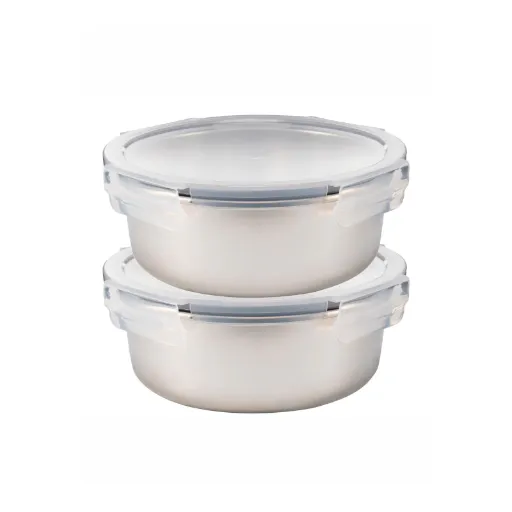
Real-World Scenarios: When is Stainless Steel Safe?
Stainless steel can also be used in certain instances in the microwave without risk but only if the design of the microwave allows it. Some new models of microwaves are crafted to accommodate stainless steel parts or have stainless steel interiors which are radiation tested and found to be safe for handling the electromagnetic waves. Besides, these gadgets usually come with specific manufacturer instructions suggesting that particular stainless steel cutlery or containers are safe to use if “microwave-safe” is their label, especially when they are marked with that label.
✓ Safe Usage Example: One more situation in which to use stainless steel will be when delicately putting an object of stainless steel in the form of a fork or skewer next to the food in the microwave. This use is generally advised for only one type of food that is potatoes so that they will not burst and even then the surface area of the steel must be flat and there should not be any pointed parts that can cause arcing. Also, depending on the form of the microwave, sometimes small stainless steel rims on microwave-safe plates or cups can be used safely provided that the metal has no jagged edges.
Following the manufacturer’s advice and doing complete research before using stainless steel in the microwave is most important. In that way, users can make decisions that are informed, taking into consideration the aspects of convenience, safety, and the appliance’s lifespan.
Overheating and Fire Hazards
The issue of overheating and fire in microwaves is a major concern that should always be taken seriously. When objects such as metal or other things made of non-water content are put inside the microwave, they may create sparks and heat that could escalate to fire. For example, corn kernels and dry dishes that remain in the microwave for a longer time than necessary can get hot enough to catch fire. Also, lack of proper air circulation or if the vents of the appliance are blocked, it can cause overheating which compromises not only the microwave’s but also the surrounding’s safety.
The inappropriate use of containers or materials is one of the major factors contributing to fire hazards in microwaves. Some materials like aluminum foils, plastics not suitable for microwaving, or paper-based takeout containers may catch fire, melt, or even leak toxic substances when subjected to high microwave heat. The microwave users must keep themselves aware of the fact that only the materials that are clearly labeled as microwave-safe should be used in the microwave. Moreover, certain manufacturers suggest keeping the food being heated at least an inch away from the appliance’s walls to prevent overheating and ensure uniform heating.
The fire risks or damage due to overheating can be minimized through a combination of routine maintenance and the implementation of proper usage protocols. Regular cleaning of the microwave is necessary to make it safe for sparking or even igniting during heating to be left without food debris or grease removal. The users should closely monitor the microwave while it is being used and they should not let it unattended for long periods. It is by these very practices that users not only guarantee the best performance of the appliance but also significantly reduces the risk of fire and improves the safety of cooking in everyday life.
Advantages of Microwave-Compatible Designs
Microwave-compatible designs provide a variety of advantages that augment both the usability and safety of cooking appliances. The designs greatly enhance the culinary experience in addition to saving time. Below are five main merits:
⚡ Energy Efficiency
Microwave-safe materials and cookware are made in such a way that they use maximum heat and, at the same time, they minimize the amount of energy that goes to waste even compared to the traditional cooking methods. Research indicates that on the average, microwaving consumes about 80% less energy than using an oven thereby making it a very small carbon footprint option.
⏱️ Time-Saving Convenience
Some of the microwave-specific items allow the cooking process to be faster as they provide the needed easy and quick heating. Up to 70% faster cooking times are reported for microwave cooking as compared to other methods like stove-top cooking.
🛡️ Enhanced Safety
Microwave-safe materials diminish the danger of incidents like melting, sparking or even the releasing of hazardous chemicals. For instance, the plastics approved for microwave use do not contain BPA, and they can take extreme heat without losing their properties.
🥗 Preservation of Nutritional Value
Microwave cooking with compatible designs works faster and requires less water, which helps to preserve more nutrients in food, particularly vitamins like Vitamin C that are sensitive to prolonged heat exposure.
🔄 Versatile Functionality
Many microwave-compatible designs include versatile features, such as heat-resistant lids for steaming or durable materials that withstand freezing and reheating. This versatility reduces the need for additional cookware, streamlining meal preparation and storage.
The outlined benefits all together stress the importance of microwave-compatible designs for home-cooked food to be safe, quick, and easy to process.
Safety Tips for Using Stainless Steel in Microwaves
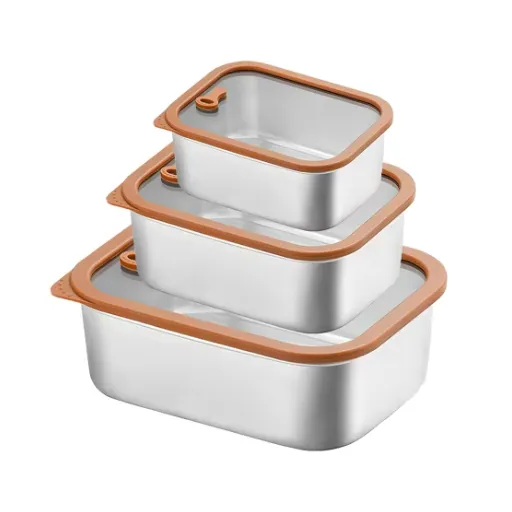
Checking Manufacturer Guidelines for Stainless Steel Containers
Stainless steel is generally not an advisable material for microwave use due to its property of reflecting electromagnetic waves, which might, in turn, cause interference with the operation of the appliance and possibly damage. Nevertheless, there are some manufacturers who make stainless steel containers that are indeed microwave-compatible. To assess the authenticity of this claim, it is crucial to thoroughly check the product labels along with any manuals and guidelines that may be provided. Many manufacturers have websites or packaging where they provide clear instructions, helping you to make an informed choice.
Moreover, seek certifications or standards of compliance that support the container’s safety for microwave use. For example, containers marked as “microwave-safe” by recognized agencies have passed rigorous testing to ensure that they are safe for use. Verifying these aspects not only maintains the quality of your kitchenware but also wards off the hazards like sparking or uneven heating due to the incorrect use of stainless steel in the microwave.
Many websites and platforms present detailed accounts and opinions from users who have experimented with stainless steel containers in microwaves. By matching up the manufacturer’s instructions to the real-life applications, you can feel more secure about your choice of kitchen materials while ensuring safety and comfort. Quality and clarity should always be your main concerns to safeguard both your microwave and your culinary adventures.
Identifying Microwave-Safe Labels
Microwave-safe labels act as prominent guides for the customers letting them know whether or not a certain product is microwavable. Usually, such labels are placed on the bottom or on the packaging of the container and are often indicated by some symbol. The commonly used symbol for indicating that the product is safe for microwave heating is wavy lines or the phrase “microwave-safe”. It’s important to have these kinds of labeling because it assures that the packaging material and food won’t suffer any adverse effects from the heating process. Normally, manufacturers put their products through very strict testing and compliance processes in order to be allowed to claim the presence of this designation.
Important Label Considerations:
However, it is important to remember that no microwave-safe label does not immediately mean the product is unsafe, but it is a factor that requires being careful. In cases of materials like stainless steel, aluminum, or some plastics, the labeling might not be very clear but they still have the potential for hazards in the microwave. An example would be plastics that are not labeled as microwave-safe can leach certain toxins such as BPA or phthalates into the food. Likewise, metal can cause sparking which might result in damage to the microwave or even fire. Therefore, in such cases, it is better to check the safety instructions provided in the product manual or get the information from the manufacturer’s website.
When you are going to make a decision, one of the best ways is to consider the data on microwave-safe labels together with the data from the tests and community reviews. The data that is marked by the official certification symbols can greatly boost your capacity to pick the products that meet both the required functional and safety standards. This path limits the chances of misunderstanding while giving you power to keep your kitchen safe and working well for the long time.
Alternative Solutions for Reheating Food Safely
Reheating food safely is a very important aspect of cooking as it not only helps in quality of the food but also prevents the growth of certain bacteria which are harmful. Convection ovens are one of the subsided solutions. The fan-assisted mechanism distributes the heat in a more uniform manner. Thus, warming is done uniformly throughout without the overheating or underheating of certain parts. This is especially good for baked products and casseroles. The other reliable solution is steaming which helps retain nutrients and moisture while at the same time reduces the risk of overcooking. In fact, steaming is the best way to reheat vegetables, rice, and even delicate proteins like fish, through steamers or microwave steamers.
On the other hand, with today’s modern mic, the best combined features is the inverter technology, coming very fast and energy-efficient. But make sure to use microwave-safe containers and also stir or rotate food from time to time in order to eliminate cold spots which may harbor bacteria. Additionally, a thermometer should be used on food to ensure that it reaches the USDA-recommended internal temperature of 165°F (74°C) for safe consumption.
Stove top reheating is best for liquid-based dishes like soups and sauces, as it gives the control of the heat applied very effectively. Heating should be done slowly on low to medium setting to avoid changes in texture and also for uniform distribution of warmth. These methods executed with a combined focus in temperature control and safety standards offer versatile options for effective reheating of food while preserving its quality and nutritional integrity.
References
- 📄Joint Characterization of SS 304 Processed by Microwave Radiation – This study explores the feasibility of fabricating 304 stainless steel using microwave energy, including its behavior in household microwave ovens.
- 📄 Analyses of Low-Power Microwave Drilling of Stainless Steel-304 – This article examines the effects of microwave power on stainless steel sheets, including its safety and structural integrity.
- 📄Influence of Liquid Dielectric Medium on Microwave-Metal Discharge-Based Drilling of AISI 304 Stainless Steel– This research investigates the interaction of AISI 304 stainless steel with microwave energy under specific conditions.
- 📄Effect of Process Parameter on Tensile Strength and Hardness of SS304 Processed by Microwave Radiation – This study focuses on the mechanical properties of SS304 stainless steel when exposed to microwave radiation.
- 📄 Microwave Heating: Fundamentals and Application in Surface Modification of Metallic Materials – A comprehensive review of microwave heating applications, including its effects on various grades of stainless steel like SS-304.
- 📄 Click here to read more.
Frequently Asked Questions (FAQ)
Q: Is 304 stainless steel microwave safe?
A: Generally, all types of stainless steel, including 304, are not microwave safe. Despite being able to resist high temperatures, it could become a problem if used in the microwave due to the risk of fire and possible appliance destruction.
Q: What kind of stainless steel containers are safe to be microwaved?
A: There are microwave-safe stainless steel containers that are made explicitly for the microwave. Keep an eye out for the containers with a microwave-safe label, for those have been through the testing to the assurance of letting the usage in the microwave.
Q: Are the microwave-safe stainless steel food containers easy to find?
A: Yes, it is not a hard job to find the microwave-safe stainless steel food containers in many different styles. Just make sure you check the labels confirming that they are okay for microwave use to eliminate any safety hazards.
Q: What if I put regular stainless steel in the microwave?
A: Regular stainless steel can cause problems when put in the microwave including the sparking risk which might damage the microwave. Containers meant for microwave use only are a must.
Q: Is there a 304 stainless steel food container that is safe for microwave use?
A: Durable 304-grade stainless steel containers are usually not recommended for microwave use unless they are clearly marked as microwave-safe. Always check the manufacturer’s instructions before placing them in a microwave oven.
Q: Why should I be careful when using stainless steel in the microwave?
A: Safety issues are one of the main reasons why people avoid using stainless steel in microwaves. Normal stainless steel can ‘block’ microwave radiation leading to sparking and eventually the microwave being damaged.
Q: What is the procedure for safe usage of stainless steel containers for heating food?
A: To heat food safely in stainless steel containers make sure that the container is made of microwave-safe stainless steel and is labeled as such. This guarantees that it will be able to endure the microwaved environment without leading to safety problems.
Q: Can I microwave cold food using stainless steel containers?
A: Heating of cold food in stainless steel containers is not recommended in a microwave. Instead, use microwave-safe stainless steel food containers designed for this purpose to ensure safe reheating without damaging the appliance.
Safety Reminder: Always prioritize safety when using any containers in your microwave. When in doubt, consult the manufacturer’s guidelines and look for microwave-safe labels to protect both your appliance and your health.