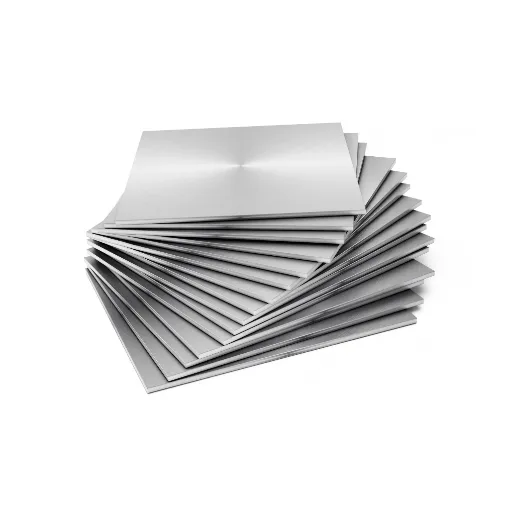
Aluminum plates serve as the versatile material for any type of industry, eventually aerospace, automotive, construction, and manufacturing. Considered light but sturdy, the aluminum plates have found ways of revolutionizing engineering and design in an infinite number of ways. In this book, we must discuss the aluminum plates in their entirety from applications to types and finally the processes behind the manufacturing of aluminum plates. For those looking for the technical perspective or just wondering about how the material works, this article will provide substantial information that will take you into the domain of aluminum plates and very comprehensively show that they are important factors in modern technological development and industry.
Understanding Aluminum Plates
What is an Aluminum Plate?
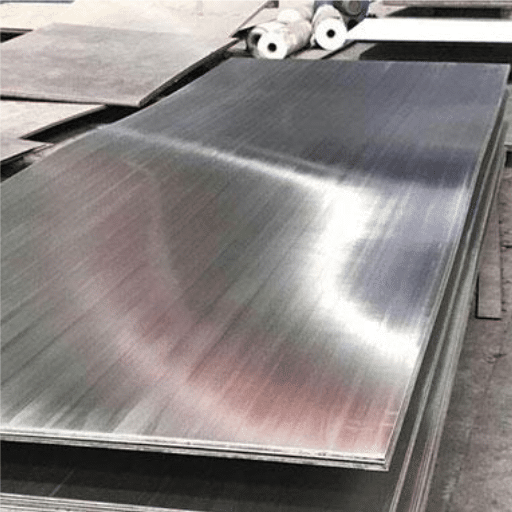
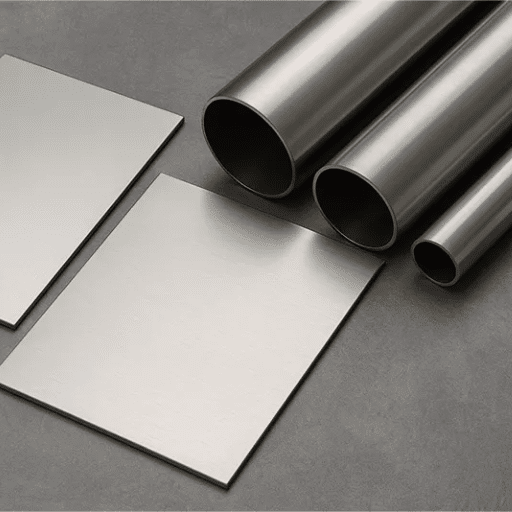
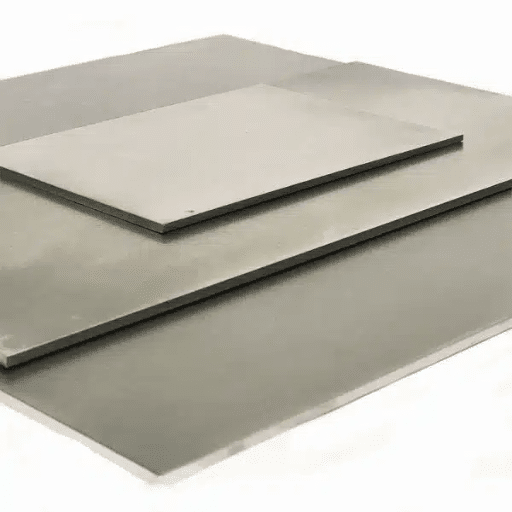
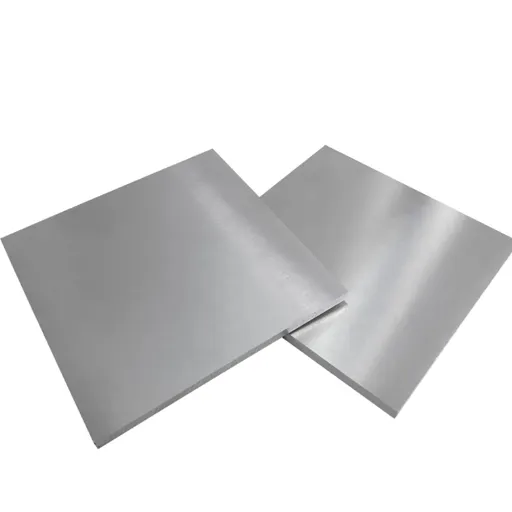
An aluminum plate is a flat, uniform piece of aluminum usually thicker than 0.25 inches and used in varied industrial, structural, and manufacturing applications. Made from high-quality aluminum alloys, it is durable, corrosion-resistant, and lightweight. Aluminum plates are produced within a specific set of dimensional requirements, usually in rectangular or square shapes, although they can be made to order.
They find applications in aerospace, automotive, marine, and construction industries due to their excellent strength-to-weight ratio and ability to stand up to diverse environments. Aluminum plates could be used in aircraft structures, vehicle parts, shipbuilding, and architectural applications such as panels and facades. They withstand hostile environments with ease and can be fabricated for use in either heavy or very light applications.
Aluminum plates are generated while rolling aluminum ingots at great pressures. Depending on the alloy used and the surface treatment, aluminum plates can have varying levels of strength, wear resistance, or might even have special applications like thermal conductivity or anodizing. These characteristics must be understood when choosing the correct aluminum plate for each project or application.
Differences Between Aluminum Plates and Sheets
The main distinguishing factor between aluminum plates and sheets is their thickness. According to industrial criteria, aluminum sheets are less than 0.25 inches thick, while aluminum plates have thicknesses greater than 0.25 inches. This being so, the difference in thickness greatly accounts for the hardness, tensile strength, and way of implementation of the material.
Aluminum Sheets: Aluminum sheets are lined into being thin, catalogued as lightweight, fairly flexible, and tops in use where malleability is required. This includes applications such as roofing, packaging, aerospace parts, and decorative panels. The thinness of sheets makes them easier to cut and shape, and with this versatility, the uses are abundant. Being lightweight would also mean an efficiency in terms of materials used, which is quite important in systems where weight must be minimized.
Aluminum Plates: Thicker and more robust by nature, aluminum plates are thus preferred in heavy-duty applications such as construction elements of marine engineering and industrial machinery applications. The plates are manufactured for scenarios of higher load-bearing requirements, resistibility to usage, or external forces. Because of their thickness, the plates can be machined well and give a great deal of support in environments that require strength. Knowing the distinction will help choose between these materials as per the application need.
Key Characteristics of Aluminum Plates
Aluminum plates have a special trait that works everywhere for a particular set of applications: the best strength-to-weight ratio. Thus, in situations where a lightweight material is unsurpassed, aluminum must be considered. Aluminum plates provide durability; however, they are far lighter than steel. They can withstand considerable stress and load conditions in conjunction with that durability with this mix of strength and lightness constituting the greatest reason behind its presence in aerospace, automotive, and marine industries.
Another defining characteristic of aluminum plates is their high corrosion resistance. Aluminum readily forms a thin oxide protective barrier when air is present, thus protecting the metal from adverse environmental factors such as moisture and salt. This allows aluminum plates to be used in situations where the environment contains moisture or corrosive agents, e.g., in the marine environment or in chemical process plants. The incorporation of certain alloying elements serves to enhance this protective property.
Indeed, aluminum plates would offer also superb machining ability and thermal conductivity. The material is compatible with various manufacturing processes, including cutting, welding, and forming, which makes it highly adaptable to custom needs. Its heat conduction also paves the way for using aluminum in heat exchangers, electronic cooling, and other thermal management purposes. It is these properties combined that make aluminum plates so versatile and dependable in many industries.
Applications of Aluminum Plates Across Industries
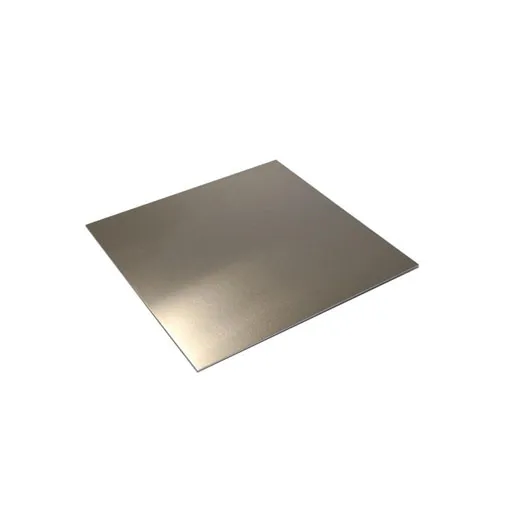
Aluminum Plates in Construction
Aluminum plates due a wide range of desirable properties such as light weight, corrosion resistance, and structural strength, thus marring construction and manufacturing industries. Here are some major areas in construction where aluminum plates are used:
Building Facade and Cladding
Aluminum plates are common facade materials because they stand up well to environmental conditions without rusting. Their aesthetically versatile metal surfaces can with various finishes-and-coatings that enhance both durability and appearance.
Roofing Systems
Being light about weight, aluminum plates find use in contemporary roofing applications since they reduce the gross load on the structure while weathering well. Their thermal conductance also promotes good temperature regulation in the building.
Flooring and Decking
Industrial and commercial floors often require nonslip aluminum flooring. The plates deliver long service to the high-traffic zones with their strength-to-weight ratio and durability.
Structural Support
Aluminum plates are used in beams, columns, and other core structural components because their tensile strength and loadability are very high, especially in respect of prefabricated buildings.
Bridge Components
Being lightweight and corrosion-resistant, aluminum plates have applications in bridge construction, thereby imparting long life and requiring minimal upkeep.
In utilizing these applications, aluminum plates contribute toward the realization of functional, durable, and sustainable construction.
Automotive Industry Applications
Due to being light and having a high strength-weight ratio, corrosion resistance, and high energy absorption, aluminum plates find important applications in auto manufacture. All these properties assist in bringing better performance, safety, fuel efficiency, environmental sustainability in modern vehicles. Here are five specific applications for aluminum plates in the automotive industry:
- Body Panels
Aluminum plates find great application in the automotive industry for exterior body panels, such as for hoods, doors, and trunk lids. Being lightweight, they reduce vehicle weight considerably and thus, enhance fuel efficiency and reduce CO₂ emissions. For example, an aluminum replacement for steel may cut weight up to 40% for those components.
- Chassis and Structural Components
Aluminum plates are mainly used for constructing chassis frames and subframes. This results in greater rigidity while minimizing the overall weights of the vehicle. This supports better handling dynamics and crash performance, which are enhancing safety procedures.
- Heat Exchangers and Radiators
Given that aluminum has such strength in thermal conductivity, the metal is widely used in radiators, heat exchangers, and other thermal management components. These components help to dissipate heat from internal combustion engines, batteries, and electric drivetrains.
- Wheels and Suspension Systems
The aluminum plates are used for the production of wheels, suspension arms, and control arms. With aluminum being light, these components help in resisting unsprung weight while enhancing ride comfort, handling, and braking performance.
- Battery Enclosures for Electric Vehicles (EVs)
Aluminum plates, with the emergence of EVs, have found themselves integral in designing EV battery enclosures. They protect battery cells robustly while also affording an opportunity to aid thermal management and reduce weight, the two allowing for better electric range and efficiency.
Therefore, the use of aluminum plates in the automotive industry leads to greater vehicle performance and sustainability, in line with worldwide endeavors to reduce the binding environmental impact.
Aerospace and Defense Use Cases
In its own way, the aluminum plates act as glue in aeronautical and defense fields due to their lightweight yet immensely strong nature resistant to corrosion. In situations where performance, durability, and efficiency are of the essence, these features make aluminum plates an ideal selection. Here are five main use cases for aluminum plates from aerospace to defense:
- Aircraft Structural Components
Aluminum plates are in heavy demand by the aerospace industry in constructing aircraft fuselage, wing, and tail sections. This cutting-edge technology helps aircraft lighten by increasing fuel efficiency and payload capacity.
- Spacecraft Construction
Aluminum plates play an important role in spacecraft construction, including that of satellites and space probes. The aluminum plates must become capable of withstanding great temperature extremes on account of the operation in vacuum. NASA designs aluminum-lithium alloys to combine superior strength with minimal mass.
- Defense Armor and Ballistic Protection
Aluminum armor plates are used in military vehicles and equipment for ballistic protection. These alloys, such as 5083 and 5456, give very high resistance to penetration while being very light, allowing for good movement and versatility in combat scenarios. Aluminum is great in dissipating energy, which makes it fine for personal protection gear.
- Missile and Rocket Casing
Aluminum plates go into building missile and rocket exteriors in aerospace and defense since they’re able to withstand high pressure and thermal loads during launch and flight. The first characteristics of aluminum are low density and hence light weight, which best serve faster velocity and extended range for these systems.
- Aerospace Tooling and Fixtures
In the process of precise tooling and fixtures required for the assembly and maintenance of aerospace components, opting for aluminum plates is a good choice. With aluminum being both machinable and stable, tools can be made to very tight tolerances, improving all aspects of the manufacturing process for aerospace components: efficiency and precision.
Aluminum plates still provide for development and performance in aerospace and defense applications, so safety standards and operational requirements in both industries become rigidly met.
Types and Grades of Aluminum Plates
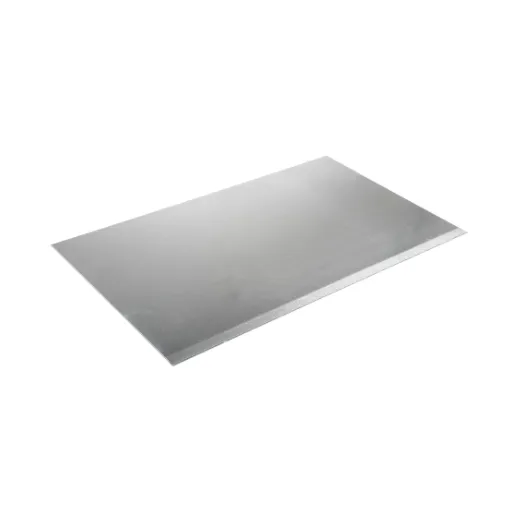
Common Aluminum Alloys and Their Properties
Aluminum alloys are broadly classified into two categories based on chemical composition and method of manufacture: wrought alloys, and casting alloys. Each category further houses a number of grades for the industries to choose from, each having unique mechanical and physical traits. Here are some common aluminum alloys along with their important properties and applications:
6061 Aluminum Alloy
The 6061 is truly a versatile aluminum alloy, having a fine balance of strength, corrosion and machinability qualities. Being a precipitation-hardened alloy, it undergoes a heat-treatment process to enhance its properties. Being strong in fatigue and easily weldable, the alloy finds applications in structural work including aerospace structures, automotive components, and bicycle frames.
7075 Aluminum Alloy
The 7075 is labeled as a high-performance alloy because of its excellent strength-to-weight ratio. It is mainly zinc alloyed, which gives it its excellent tensile strength and stress corrosion cracking resistance. However, it doesn’t have good corrosion resistance so that it gets chosen where high mechanical performance is required, such as in aircraft structures and high-performance sporting equipment.
5052 Aluminum Alloy
5052 is a non-heat-treatable alloy bearing good corrosion resistance, especially for marine use. It has medium strength and can be well worked, so it is applied in fuel tanks, pressure vessels, and parts used in marine environments. This alloy is durable in harsh environments, making it a trustworthy factor in industries demanding material longevity.
2024 Aluminum Alloy
Typically used in aerospace applications, 2024 aluminum offers high strength and fatigue resistance. The presence of copper strengthens the alloy but compromises its corrosion resistance. To curb its corrosion weakness, the alloy is seldom kept bare but usually is coated with pure aluminum (alclad), which begs the question of whether it retains its structural properties and resistance to oxidation.
3003 Aluminum Alloy
Among the widely used alloys, 3003 is non-heat-treatable but gives outstanding corrosion resistance and is easily formed. The key element added to this alloy is manganese, which strengthens its structure, making it suitable for roofing panels, chemical storage tanks, and cookware that need to be strong yet malleable.
Each of these aluminum alloys is tailored to meet industrial-specific needs, whether that means maximizing strength, improving corrosion resistance, or cutting down on machinability. From this vast range of properties, we can see that these alloys can indeed adapt to changing demands of modern aerospace engineering.
Choosing the Right Grade for Your Needs
The process of selecting an aluminum alloy grade appropriate for your work always starts with the basic requirements of the project at hand. If, for example, tensile strength is of essence, I would gravitate toward 7075 or 2024 types: they have the reputation of being the highest tensile strength capable aluminum alloys with excellent resistance to fatigue stress. These grades are usually required for aerospace and structural applications subjected to heavy loading and harsh conditions.
For the corrosion-resistant kind of aluminum, I would generally ascertain either an alloy in the 5000 or 6000 series. For example, 5052 is superbly resistant to corrosion in marine environments, while 6061 is a corrosion-resistant aluminum alloy that offers machinability as well. They stand well for outdoor applications, chemical equipment, and indeed, automotive parts exposed to harsh working environments.
For those projects demanding great machinability or weldability, the topics I would normally offer for discussion are the likes of 1100 and 3003 alloys. They are more malleable and workable, making them suitable for kitchenware, signage, or ornamental applications. In the end, my decision considers the particular mechanical, chemical, and thermal requirements of the application so that the grade chosen best suits a lot in operational performance and endurance.
Manufacturing Processes of Aluminum Plates
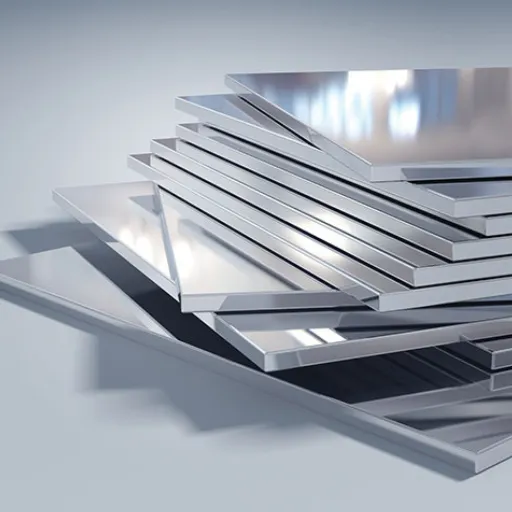
Overview of Aluminum Plate Production
Manufacturing aluminum plates goes through numerous key steps, so that end products satisfy quality standards and requirements for specific uses. This process starts with aluminum from bauxite ore; then it is refined by the Bayer process into alumina. Alumina is then electrolyzed in a Hall-Héroult cell to give pure aluminum.
Once aluminum is procured, the molten metal is poured into slab-like ingots forming raw material for rolling. The ingots are then preheated at certain temperatures to improve ductility before they are rolled down in heavy-duty rolling mills. Hot rolling greatly diminishes thickness while maintaining the structural integrity of the metal and normally is followed by cold rolling for finer control of dimensions and surface.
To alter the material properties, heat treatment, annealing, and similar advanced operations are implemented, which may include changes in toughness, hardness, and corrosion resistance. Once the plates are obtained, they may be subjected to other processes like trimming, surface finishing, and quality inspections to meet the specifications exactly. Current plant versions integrate automation and real-time monitoring technologies to ensure production efficiency and consistency while minimizing waste.
Statistical data asserts a fairly steady annual increase in aluminum consumption from industries such as aerospace, automotive, and construction, with global production touching above 60 million metric tons in the past years. Being lightweight, recyclable, and able to morph as per the needs of application, aluminum thus sustains as a key industrial material.
Casting vs. Rolling: Which Process to Choose?
If the casting involves a complex shape with dimensions needed to be very accurate, it would have been ideal. Rolling will give us structural strength and economics.
| Aspect | Casting | Rolling |
|---|---|---|
| Precision | High | Moderate |
| Complexity | High | Low |
| Strength | Moderate | High |
| Cost | High | Low |
| Applications | Complex parts | Structural |
| Process | Mold-based | Compression |
| Flexibility | Low | High |
| Durability | Moderate | High |
Quality Control in Aluminum Plate Manufacturing
It is paramount that quality control measures in aluminum plate manufacturing be instituted to assure that the end products conform to rigorous industrial standards and specifications. In this regard, several stages are employed that incorporate both in-line monitoring systems as well as post-production inspections. The use of bearing non-destructive testing (NDT) methods such as ultrasonic testing and X-ray imaging is very much emphasized in modern manufacturing facilities. These are useful for detecting internal inconsistencies, voids, or cracks in an aluminum plate.
Another aspect of consideration is dimensional accuracy, which is assured through the use of laser metrology tools. These tools help monitor plate thickness, width, and surface flatness to a tolerance that can often go down to thousandths of an inch. Surface quality is inspected for faults such as scratches, pitting, or contamination that may affect its performance in demanding applications.
Chemical composition analysis of aluminum is done in front of spectrometers during smelting and alloying to ensure that the material meets the required metallurgical standards for use. For instance, aerospace-grade aluminum alloys have stricter limits on impurity content than those generally considered for construction purposes. Temperature-controlled annealing processes and quenching methods would be closely followed to maximize hardness and ductility of materials without compromising longevity in terms of durability.
With the environmental and sustainability goals in view, manufacturing plants increasingly combine real-time data analytics and machine learning algorithms to enable predictive maintenance and tighter process control. Minimizing product rejects, ensuring energy conservation, and minimizing wastage of resources—all contribute to quality control, which goes hand-in-hand with efficiency and responsibility towards the environment.
Current Trends in the Aluminum Plate Industry
Innovations in Aluminum Plate Technology
Recent innovations in aluminum plate technology have been aimed at improving material properties to comply with the demands of cutting-edge industries like aerospace, automotive, and construction. Now being manufactured with the help of state-of-the-art metallurgical methods like friction stir welding or additive manufacturing, high-strength aluminum alloys are also gaining increased design flexibility that can be used to obtain complicated geometries.
Nanotechnology stands as a momentous advancement in the industry. The incorporation of nanoparticles into aluminum matrices gives plates with enhanced tensile strength, corrosion resistance, and thermal conductivity. This invention is chiefly beneficial in heat exchanger applications wherein efficient heat management is required.
On the production line, manufacturers are optimizing digital twins for production lines and minimizing the quality variability in aluminum plates. Virtual simulations of the manufacturing process allow for refinements based on real-time inputs to achieve consistency in output, traceability, and strict adherence to global standards such as ASTM International or ISO certifications. These digital twins also assist in performing predictive analysis to foresee failures before they actually happen, thus paving way for downtime and cost reduction.
More adoption of sustainable refining processes, such as aluminum smelting with inert anodes, is changing the industry. This new-generation process reduces direct greenhouse gas emissions while increasing efficiency, providing a greener solution to the ever-growing world demand. As the industries moved into greener realms, secondary aluminum plates with the advancement of secondary processing techniques started gaining popularity for their economics and environment-friendliness without compromising on performance.
This also showcases how dynamic the evolution is in the aluminum plate industry and its major role in resolving growing issues in several high-tech sectors.
Sustainability Practices in Aluminum Production
Maximizing sustainability in aluminum production means minimizing environmental impacts with cost efficiency and quality. One of the most crucial operations is closed-loop recycling. Systems are in place to collect scrap aluminum arising from manufacturing operations, re-melt it, and return it to the production cycle, and such operations greatly cut down on the need for raw material extraction. Modern smelting facilities have also installed modern technology in the form of inert anode cells, whose utilization leads to high-energy efficiency and a sharp reduction in greenhouse gas emissions such as from perfluorocarbons (PFCs).
Renewable energy sources are rapidly gaining ground in the powering of aluminum smelters across the world. Hydroelectricity, however, still holds sway as the chief energy source in this industry, contributing towards 60-plus percent of aluminum production power supply worldwide-a clear shift away from fossil fuel reliance. Companies are also committing to industry certifications such as those offered by the Aluminum Stewardship Initiative (ASI) to ensure adherence to ESG standards on a holistic basis.
Furthermore, aluminium parts of lighter weight are in fact changing industries such as that of transportation, helping the cause of green solutions by providing fuel efficiency and lesser emissions. From the lifecycle approach to sustainability perspective, aluminum production and usage must remain a focal point in pursuing global carbon reduction targets. New developments in waste treatment-based technologies and sustainable supply chain management also cement the role of aluminium in the push for greener industrial practices.
Market Demand and Future Outlook
Aluminum continues to witness expanding demand on account of its importance in numerous industries. The global automotive industry extensively uses lightweight aluminum components for energy efficiency and fuel costs reduction in vehicles. Meanwhile, aluminum is valued by the construction industry for its weatherability, corrosion resistance, and insulating properties, all considered prerequisites for a modern building in the context of sustainable architecture.
From 2023 to 2030, the market is expected to rise at CAGR of nearly 5% due to the increasing demand generated from green energy projects such as wind turbines and photovoltaic panels. The aluminum materials also get economic consideration from recycling processes, as the industries want to pursue circular economy goals while also reducing the costs of raw materials.
Growing markets, besides the Asia-Pacific region, largely contribute to the growth of the aluminum industry with rising infrastructure development activities and manufacturing investments. Technological improvements in refining and alloy production processes will improve material quality with the least adverse impact on the environment. Today, these trends can promote aluminum as an essential commodity for cultivating industrial innovation and serving global sustainability issues.
References
- Lithography Aluminum Plate Lithography
A document from Washington State University discussing the use of aluminum plates in lithography. - Aluminum Plate Lithography: A Manual – Tamarind Institute
A manual published by the Tamarind Institute, providing detailed instructions on aluminum plate lithography. - Micro-Sheen Finish Aluminum Plate
A technical document from Caltech discussing the properties of a dimensionally stable aluminum plate with vacuum integrity.
Frequently Asked Questions (FAQ)
Q: What is an aluminum plate, and what are the usual sizes?
A: It is a flat piece of aluminum, which could be of various sizes and thicknesses, usually set in terms of millimeters (mm). It can be suggested that these aluminum plates come in common sizes having the possibility of custom manufacture for specific project requirements, thus making them suitable for a wide range of uses.
Q: How does the corrosion resistance of aluminum plates stand against other metals?
A: Aluminum plates, especially those that are of 5754 grades, provide good corrosion resistance when compared to many other metals such as brass. This makes aluminum plates good for outdoor use whenever moisture is a concern.
Q: What are the options for fabricating aluminum plates?
A: Several fabrication processes are used for aluminum plates, including cutting, bending, and welding. These procedures, through their very nature, can be adapted and combined to form certain configurations and dimensions for various types of work so as to fulfill project requirements concerning aluminum plate.
Q: Can I get an online quotation for aluminum plates?
A: Yes, most suppliers nowadays have an online interface that permits a quotation request, with the possibility of giving all dimensions, thickness, and any additional fabrications required for the aluminum plates for quick pricing.
Q: And what’s different between cast aluminum and aluminum plates?
A: Cast aluminum is obtained by pouring molten aluminum into a mold to obtain complex shapes, whereas aluminum plates are mostly made by rolling or extruding the aluminum into flat sheets. Each kind is used for different purposes; aluminum plates are usually applied to structural purposes.
Q: Aluminum plates are non-heat treatable, aren’t they?
A: Yes, some aluminum plates are non-heat treatable. That is to say, their strength and many other properties cannot be significantly improved by heat treatment; still, they perform excellently well in many applications.
Q: What industries commonly use aluminum plates?
A: Aluminum plates are used in practically all industries, including aerospace, automotive, marine, and construction. Owing to their light weight and corrosion resistance, they are considered perfect for any application within these industries.
Q: How can I ensure timely delivery of aluminum plates?
A: To ensure that aluminum plates are delivered timely, it is necessary that one should work with a vendor who can provide reliable shipping options. In addition, if you place orders with sufficient lead time and also confirm production deadlines, you should not face any delays.
Q: What kind of benefit does aluminum plate give construction?
A: Among the advantages of using aluminum plates in a construction site are that they are lightweight, provide high resistance to corrosion, and can be easily fabricated. These are the main characteristics favoring aluminum plates for numerous structural and architectural purposes.
Conclusion
Aluminum plates continue to be an indispensable material across multiple industries due to their exceptional properties and versatility. From aerospace to construction, their lightweight nature, corrosion resistance, and strength make them the ideal choice for countless applications. As technology advances and sustainability becomes increasingly important, the aluminum plate industry continues to innovate, ensuring its relevance in modern manufacturing and engineering for years to come.