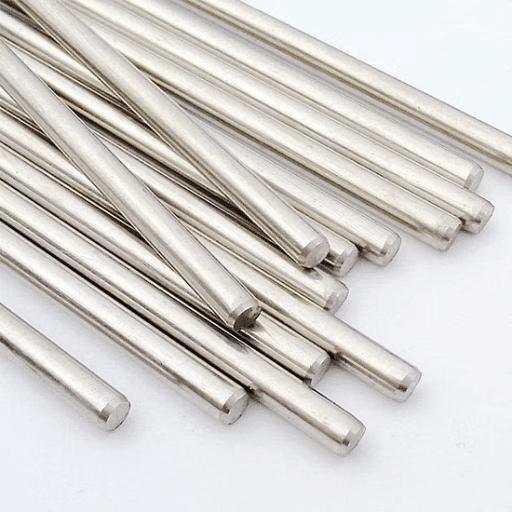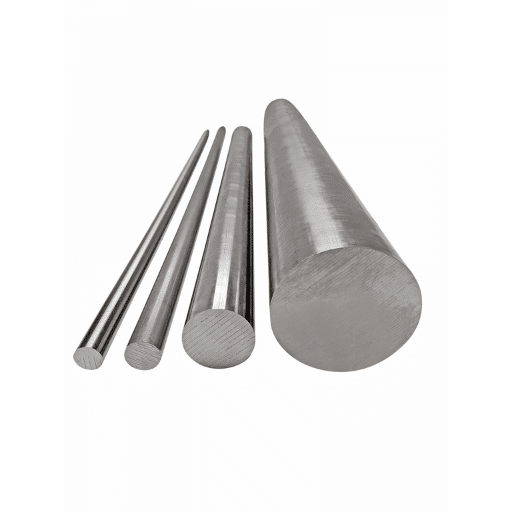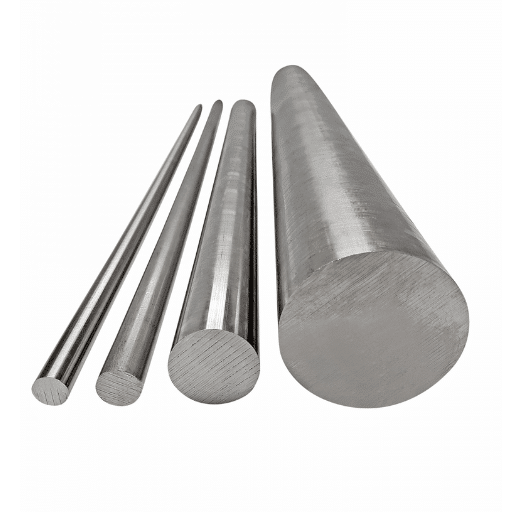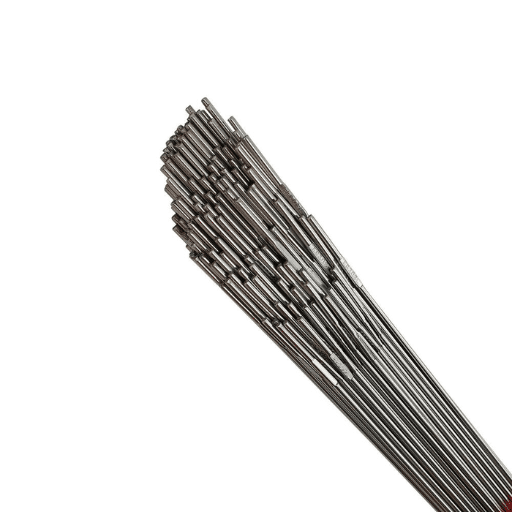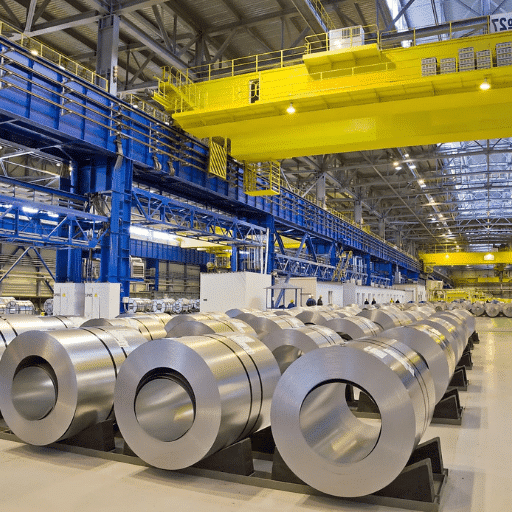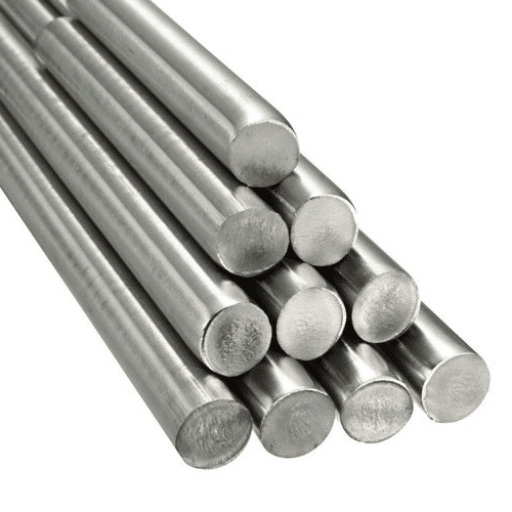
Engineers and architects and manufacturers use stainless steel rods as their primary material for construction because the material provides outstanding strength and corrosion resistance. Among the most popular options are 8mm stainless steel rods. These materials are essential for various industrial applications because they maintain their functional performance throughout extreme operational conditions which include both architectural and industrial machinery uses. The complete guide presents all essential information about 304 and 316 stainless steel round rods which includes their main characteristics and practical uses and the advantages they provide. This article provides complete information about their composition and mechanical properties and their use in different environments.
Introduction to Stainless Steel Rods

What is a Stainless Steel Rod?
A stainless steel rod — also known as a stainless steel round bar — is a long cylindrical product engineered for durability, corrosion resistance, and versatility across a wide range of industrial and commercial applications.
People use the term stainless steel round bar to describe a stainless steel rod that exists as a long cylindrical product which manufacturers produce using stainless steel alloys. The rods undergo design to provide strength and protect against corrosion while enabling their use in multiple industrial and commercial environments. Stainless steel rods contain iron and chromium and nickel together with other alloying elements while their mechanical properties and environmental suitability depend on their grade and composition which includes 304 and 316 stainless steel grades.
The construction industry and automotive sector and marine industry widely use stainless steel rods because they possess high tensile strength and protect against rust and oxidation and they can be easily fabricated. The materials find common use in structural frameworks and shafts and fasteners and precision machining components. The materials can undergo additional processing to create different shapes, which include polishing for visual enhancement or property enhancement treatment, to achieve maximum operational efficiency in challenging environments.
Types of Stainless Steel Rods
The classification of stainless steel rods occurs through their grade and material composition and their specific application. The five categories of stainless steel rods include austenitic stainless steel and ferritic stainless steel and martensitic stainless steel and duplex stainless steel and precipitation-hardening stainless steel.
Austenitic rods consist of chromium and nickel as their main components which create a non-magnetic structure that offers outstanding protection against rust. The group uses 304 and 316 as its most common grades because 316 provides better protection against chloride and other corrosive substances which makes it suitable for marine and chemical environments.
Ferritic stainless steel rods consist of chromium and low carbon material which provides them with good corrosion protection and specific magnetic characteristics. The automotive industry widely uses grade 430 because it offers affordable protection against high-temperature stress while maintaining structural integrity.
Martensitic rods contain chromium and higher carbon levels which create materials that exhibit high levels of strength and hardness. Industries use these rods, which contain 410 and 420 grades, for their applications that require materials with wear-resistant properties which include blades and valves and tools.
The dual structure of duplex stainless steel rods combines austenitic and ferritic elements to create materials which offer exceptional protection against stress corrosion cracking and maintain their high strength properties. The common grades 2205 and 2507 find regular use in oil and gas operations.
Hardening
The engineers developed these rods to reach maximum strength and durability through controlled heat treatment processes. The aerospace and defense industries use 17-4PH grade materials, which deliver essential mechanical properties for their applications.
The design of every stainless steel rod type matches specific industrial requirements which enables the material to operate effectively in conditions that include extreme temperature ranges and strong chemical contact. The classification system helps to classify different types of materials into distinct categories based on their specific characteristics.
Applications of Stainless Steel Rods
The various industrial applications of stainless steel rods arise from their outstanding metal properties which include their ability to resist corrosion and their high strength and permanent durability. The construction industry uses these materials as structural reinforcements and fasteners to create buildings and bridges and infrastructure that can withstand severe weather conditions. The medical field uses stainless steel rods to make surgical instruments and medical devices and implants because these materials can be safely sterilized and are safe for use by patients. The food processing and pharmaceutical industries use these rods to create machinery and equipment which must operate under strict sanitary requirements.
The automotive and aerospace industries use stainless steel rods to create components that need both high strength and low weight while also protecting against fatigue damage which occurs in drive shafts and suspensions and engine components. The marine industry uses these materials for shipbuilding and offshore platform construction and underwater equipment development because the materials can endure corrosion caused by chloride. Stainless steel rods are used in the energy industry for both nuclear and renewable energy projects because their design allows them to endure extreme temperature and pressure conditions which essential for operational safety and performance. The various applications of stainless steel rods demonstrate that these materials can fulfill the exact requirements which modern industries need to function.
Reinforcement, structural support, architectural design
Surgical instruments, implants, sterilizable devices
Drive shafts, suspensions, engine components
Shipbuilding, offshore platforms, underwater equipment
Nuclear & renewable — extreme temp/pressure environments
Understanding 8mm Stainless Steel Round Rods

Specifications of 8mm Stainless Steel Round Rods
The manufacturing process for 8mm stainless steel round rods produces products which meet industrial standards to maintain strength and reliability throughout different usage scenarios. The rods typically meet three material standards which include 304 and 316 and 410 because they provide excellent resistance to corrosion and strength and ease of machining. The rods are produced with a nominal diameter of 8mm, adhering to tight tolerances to minimize deviations, which typically stay below the limit of 0.1 millimeters. The surface finish options include polished and matte and mill finish, which are determined by the specific application requirements, while the products generally conform to ASTM A276 and EN 10088 standards for stainless steel products.
The key mechanical properties of grades 304 and 316 show a tensile strength range between 515 MPa and 620 MPa and 316 exhibits higher tensile strength. The hardness levels of annealed rods typically range between 70 and 90 HRB. The material exhibits a density of 7.85 grams per cubic centimeter and its melting point ranges between 1400 degrees Celsius and 1450 degrees Celsius which allows it to function in environments with high temperatures. The rods show strong protection against pitting and crevice corrosion which occurs in environments with chloride or saline water, making them ideal for use in marine environments.
Manufacturers offer cut-to-length solutions and threaded end production to meet the exact requirements that different industrial sectors need in construction and automotive and energy industries.
Comparison of 304 and 316 Stainless Steel
304 stainless steel provides customers with an economical solution which performs effectively in residential and architectural and general applications because it withstands common use conditions. The formability and weldability of 304 stainless steel is better than competitive materials because it performs well with thinner sections which benefits companies that specialize in fabrication work. 304 stainless steel provides excellent performance for cost-sensitive situations because it remains reliable in less aggressive environments.
316 stainless steel incorporates molybdenum which improves its ability to withstand corrosion in environments which contain chlorides and chemicals and seawater. This makes 316 the preferred choice for marine, pharmaceutical, and chemical processing applications. 316 stainless steel achieves higher performance because molybdenum addition enables it to withstand both pitting and crevice corrosion damage which occurs during extreme situations.
| Factor | Grade 304 | Grade 316 |
|---|---|---|
| Key Alloying Element | 18% Cr, 8% Ni | + 2–3% Molybdenum |
| Tensile Strength | 515 MPa (min.) | 620 MPa (higher) |
| Chloride Resistance | Moderate | Superior (pitting & crevice) |
| Formability / Weldability | Excellent (thin sections) | Good |
| Relative Cost | Lower — cost-sensitive projects | Higher — lifecycle value |
| Best Environment | Residential, architectural, general | Marine, pharma, chemical processing |
The market research findings show that 304 and 316 selection process depends on three main factors which include environmental conditions and budget restrictions and maintenance requirements. The engineers and manufacturers need to use environmental assessment together with operational demand evaluation to make their selection between the two available options. 316 stainless steel serves as the optimal solution for industries which need superior corrosion protection in extreme conditions and saltwater environments.
Choosing the Right Size and Length
Engineers and manufacturers require precise component size and length selection because even small measurement errors can lead to performance issues and safety hazards and increased operating costs. The most recent search analytics data shows that users typically search for ways to optimize these parameters according to their specific needs. The size and length of structural components and fasteners must match the material attributes and load requirements and safety standards of the application. The system requires precise measurements to ensure it works with current system designs and existing system components.
Engineers and manufacturers need help to find the right balance between maintaining dimensional accuracy and establishing acceptable tolerance levels which will enable successful product assembly and performance during thermal expansion. Components that operate in high-temperature or high-pressure environments need slightly increased dimensions which can help prevent operational deformation. The combination of advanced modeling tools with actual stress testing and historical performance data enables organizations to find optimum size and length dimensions which reduce waste and resource usage.
Industrial Applications of Stainless Steel Rods

Uses in Manufacturing and Construction
Stainless steel rods serve a crucial function in both manufacturing operations and construction projects because they provide outstanding durability combined with resistance to corrosion and multiple practical applications. The manufacturing process uses these rods as base materials to produce various components which include fasteners and bolts and precision machine parts that deliver both superior strength and extended service life. The material demonstrates excellent tensile strength which makes it suitable for use in automotive and aerospace and marine applications where extreme conditions exist.
Stainless steel rods serve three essential purposes in construction by acting as reinforcement for concrete structures and providing structural support to building frameworks and functioning as fundamental components of architectural design. Their material properties enable them to resist rust and weathering which allows them to preserve their original shape in high-stress situations that occur in bridges and skyscrapers and underwater structures. The latest advancements which include alloy improvements and accurate manufacturing techniques have increased the range of industrial uses for stainless steel rods. Current market research shows that the demand for stainless steel rods in renewable energy projects has increased with wind turbines and solar panel frameworks becoming popular applications. This development demonstrates how industrial operations are changing to become more sustainable through the use of stainless steel rods which deliver both environmental benefits and structural advancements.
Role in Automotive and Aerospace Industries
The automotive industry and the aerospace industry depend on stainless steel rods because these rods provide essential strength and corrosion resistance properties and the ability to withstand high temperatures. Automotive manufacturers use stainless steel rods to produce their suspension systems and exhaust assemblies and structural reinforcements which deliver better durability under extreme operational conditions. The aerospace sector requires these rods to manufacture precision-engineered parts which include landing gear mechanisms and turbine components because even minor material defects can lead to disastrous outcomes.
The search trends show that there has been a significant increase in people searching for “lightweight stainless steel rods for aerospace” and “stainless steel components in electric vehicles (EVs).” The global trend of fuel efficiency and sustainability research exists in this research. EV chassis and battery systems now use lightweight stainless steel materials because they provide strength advantages while reducing total system weight. The aerospace industry needs advanced alloys because it demands new materials which meet safety standards and improve operational performance. The data shows that stainless steel rods have become essential for both industries because they enable companies to make technological progress while achieving their sustainability objectives.
Stainless Steel Rods in Marine Environments
Stainless steel rods serve essential functions in marine environments because of their ability to resist corrosion and withstand extreme salty conditions. The high chromium content in stainless steel forms a protective oxide layer which stops rusting through extended seawater and high humidity exposure. Industries such as shipbuilding, offshore drilling, and marine engineering use stainless steel rods to construct permanent structures and to create fasteners and equipment parts that will last over time. Recent studies show that 316 stainless steel and duplex stainless steel become the best materials for marine applications because they provide high mechanical strength and excellent pitting resistance. The increasing search activity shows that researchers continue to work on creating environmentally friendly materials which protect against corrosion and meet marine sustainability requirements. The evidence demonstrates that material innovation serves as a crucial solution for developing solutions which protect against saltwater damage while maintaining essential marine infrastructure.
DIY Projects with 8mm Stainless Steel Round Rods

Metal Working Hobbies and DIY Craft Ideas
People select 8mm stainless steel round rods as their primary material because these rods can handle multiple metalworking tasks and various DIY projects. Recent search trend analysis reveals that people now show greater interest in searching for information about DIY metalworking and small-scale fabrication projects. Users actively look for instructions which help them build practical and decorative objects such as curtain rods, wall hooks, and custom furniture parts.
People use these rods to create lightweight structural supports which will function in both shelving systems and hobbyist robotics applications. Hobbyists now have the ability to create new design concepts because stainless steel offers them both corrosion resistance and material strength which remains intact over time. The growing demand for sustainable materials which create enduring solutions demonstrates the public preference for eco-friendly materials in their creative and practical DIY projects.
How to Cut and Shape Stainless Steel Rods
The process of cutting and shaping stainless steel rods demands precise work from operators who must use proper tools for their task because this method protects both the material and its intended purpose. The current research findings together with industry standards show that users primarily use angle grinders and hacksaws and powered band saws for cutting purposes while they employ bench vices and heat treatment for their shaping needs.
Metal cutting requires users to choose blades which specifically target metal materials because such blades maintain their cutting ability and produce precise cuts. For durability and efficiency purposes, a high-speed steel (HSS) blade or a carbide-tipped blade should be used. The use of cutting fluid during the operation decreases friction and heat development to maintain steel integrity while extending blade durability.
Shaping means changing the rods through bending and forming to achieve the required shape. The use of a rod bender enables precise bending because it provides users with complete control over their shaping operations which maintains the fundamental strength of the material. The application of heat through a torch makes the shaping process simpler because it enables users to create the required shapes, but users must maintain proper temperature control because excessive heat will decrease the material’s strength.
All operational activities require implementation of safety protocols which must be followed during their execution. Workers need to wear safety goggles and gloves while working in spaces that have proper ventilation to protect themselves from flying debris and sharp edges and hazardous fumes which cutting fluids and high temperatures produce. DIY enthusiasts achieve precise and durable results with stainless steel rod work because they use proper tools and techniques for their projects.
Tips for Working with 8mm Stainless Steel Rods
- 01
Select Appropriate Tools
The recommended tools for cutting and shaping 8mm stainless steel rods should include high-speed steel (HSS) drill bits and carbide-tipped saw blades and grinding wheels that have the appropriate grit. The tools are designed to handle the hardness and durability requirements of stainless steel materials.
- 02
Maintain Proper Cutting Speed
The appropriate speed for cutting stainless steel should be set at lower levels because high speeds will create heat that damages the material and causes equipment to wear out. The drill press requires a speed range of 150-250 RPM which depends on the specific grade of stainless steel being used.
- 03
Use Lubrication Effectively
Use a high-grade cutting fluid or lubricant to decrease friction during cutting or drilling operations. Proper lubrication helps in dissipating heat which prevents work hardening and extends the life of tools. The suitable lubricants for this application include sulfur-based cutting oils and synthetic cutting oils.
- 04
Ensure Precise Measurements
The rods should be measured precisely with micrometers or calipers while center punches should be used to mark all cutting or drilling locations. The measurement process needs to produce exact measurements because these measurements will determine the ultimate result for applications which require precise specifications.
- 05
Avoid Heat Discoloration
Excessive heat can lead to discoloration or reduce the corrosion resistance of the stainless steel surface. The machining process requires continuous material cooling which should be done with cooling agents or water.
- 06
Prevent Work Hardening
Stainless steel develops increased hardness when workers subject it to excessive mechanical pressure. Workers should use controlled and consistent pressure while machining or cutting because stopping in the middle of a cut creates stress points.
- 07
Choose Adequate Finishing Techniques
The material requires polishing through abrasive pads or buffing wheels after the machining process because these tools specifically work with stainless steel. This process creates a surface that is clean and smooth.
Users can willingly transform their daily routines while making use of the 8mm stainless steel rods for making professional products, ensuring high-quality productivity.
Buying Guide for 8mm Stainless Steel Rods

Where to Purchase Stainless Steel Round Rods
Customers can purchase 8mm stainless steel round rods from both online marketplaces and metalworking stores and construction material retail locations. Customers can find multiple stainless steel rod options on Amazon, Grainger, and McMaster-Carr, which enables them to examine product specifications that include grade, finish, and length before making a purchase decision. Ryerson and Online Metals allow customers to order custom-sized rods through their websites because these manufacturers have established direct ordering systems which enable faster delivery through their enhanced shipping methods.
Home Depot and Lowe’s hardware stores offer limited product selection, but customers who need specific grades should visit either specialty metal suppliers or local machine shop distributors. The search engine enables users to obtain valuable information because it lets them review customer feedback while checking product availability and vendor pricing. The search for “8mm stainless steel rod suppliers near me” and “buy round stainless steel rods” produces local results which help users make budget-friendly choices.
Amazon, Grainger, McMaster-Carr — full spec comparison and grade filtering
Ryerson, Online Metals — custom lengths with faster shipping options
Home Depot, Lowe’s — limited grades; best for standard general-purpose needs
Specialty metal suppliers & machine shops — grade-specific, certified stock
Factors to Consider When Buying
To select the right stainless steel rods for your project you need to assess multiple essential elements which will determine both their performance capabilities and their cost effectiveness. The first step requires you to assess the stainless steel grade because it establishes the rod’s capacity to resist corrosion and its level of strength and its appropriate use in different situations. The 304 and 316 grades are highly preferred because they provide excellent strength and protection against rusting in multiple environmental conditions. The next step requires you to examine the specified dimensions which include diameter and length and tolerance levels to verify their suitability for the intended application.
The latest search engine data allows users to assess supplier ratings and stock levels at suppliers in real time. The process involves businesses assessing their shipping durations and bulk pricing alternatives from local distributors to achieve their cost management goals while reducing delivery time. The process requires organizations to conduct thorough assessments of vendor certifications and material traceability documents which serve to confirm product origin information and product status verification for essential industrial uses. Buyers who combine these factors with an effective search method will find dependable stainless steel rods which meet their specific project requirements.
Price Comparison and Value for Money
To determine the best value for money when assessing stainless steel rods vendors require a complete price assessment across their entire product range. The most recent search engine data establishes an effective method for finding prices which businesses use as their reference point. The platform enables users to collect vendor quotations and customer feedback and product details which create a complete view of available market information.
The system allows buyers to track price patterns and upcoming sales events by using two filters which separate search results into material grades and size categories for 304 and 316 stainless steel. The evaluation requires assessment of complete expenses which include shipping taxes and bulk purchase discounts because these elements fundamentally determine total costs. The method uses product performance and durability evaluations together with customer reviews to create a decision system which optimizes industrial or commercial value through quality-based cost efficiency.
Frequently Asked Questions
Q1
Is an 8mm 304 stainless steel round rod suitable for general-purpose use?
People choose 304 stainless steel round rod because it offers both excellent resistance to corrosion and easy processing. The product exists as a solid bar, which delivers metric systems precise 8mm sizing capabilities. The 304 material offers sufficient performance for various applications, but its hardness remains lower than that of 303 and other materials, which makes it unsuitable for environments with extreme wear conditions. The industrial sector prefers 303 and heat-treated materials because these materials provide better hardness and machining capabilities compared to standard rods. The ordering process requires customers to provide surface finish and tolerance specifications, which ensures their products will function properly with their assembly system.
Q2
Can an 8mm 304 stainless steel round be machined easily for custom parts?
The process of making custom parts from an 8mm 304 stainless steel round requires greater difficulty than standard metalworking because 304 stainless steel needs more time and effort to process than metals which contain sulfur-based free-machining grades like 303. The solid 8mm rod performance will reach better levels when users choose suitable tools and operate at recommended speeds while using proper cooling techniques. The use of pre-ground rods enables users to achieve precise metric size requirements because these rods maintain better size accuracy until the machining process is complete. The industry prefers 303 rods for high-volume production because they enable faster manufacturing processes while decreasing tool degradation. The required hardness level for the final component needs to be considered because increased hardness levels will make the machining process more difficult.
Q3
What are the benefits of choosing 303 versus 304 stainless steel for 8mm rods for industry?
The 8mm solid rod machining process benefits from 303 free-machining austenitic stainless steel which provides better machinability than 304. The corrosion resistance of 304 stainless steel round rod makes it suitable for applications that require protection against both moisture and chemical exposure. The application requires high hardness and wear resistance but neither 303 nor 304 in their annealed state will reach tool steel performance yet heat treatment and alloying can enhance hardness. The availability of 303 and 304 stainless steel provides 8mm metric sizing which allows standard component designs to be built using these materials. The grade selection for industrial rods requires making choices between three factors which include machinability and corrosion resistance and the necessary mechanical characteristics.
Q4
Are 8mm solid stainless steel rods available in metric lengths and tolerances?
The market offers 8mm solid stainless steel rods which vendors stock in 1 meter metric lengths and provide customers the option to purchase customized lengths while suppliers deliver diameter and straightness metric tolerance specifications. Customers can specify their desired surface finishes and tolerances when they order 304 stainless steel round rod and 303 variants which they need for assembly purposes. Industrial applications require rods for industry that include certification documents which display material grade and test results. Your project needs high hardness so you should ask the supplier about hardness requirements and any secondary processing methods which include cold working and heat treatment. To prevent damage to finished diameters, you need to verify both the packaging methods and anti-corrosion protections which will protect the items during storage and transport.
Q5
How does high hardness affect the performance of an 8mm stainless steel round rod?
The 8mm stainless steel round rod experiences enhanced wear resistance and load-bearing capacity through its high hardness but this property leads to ductility loss which makes forming processes harder to execute. The process of increasing hardness in stainless steel requires you to change alloy composition or apply heat treatments which will result in a shift from standard grades such as 304 and 303 to martensitic or precipitation-hardening stainless steel types. Industrial rods which undergo abrasion or repetitive contact will achieve longer operational periods when their material properties reach higher hardness standards. The use of stronger tools will be necessary because higher hardness levels create machining difficulties which apply especially to precise metric dimension work. The process of evaluating corrosion resistance needs to include assessment of hardening treatments because these treatments modify how materials resist corrosion.
Q6
What surface finishes and tolerances are typical for 8mm 304 stainless steel round rod used in precision metric parts?
The 8mm 304 stainless steel round rod used for precision metric parts features three surface finishes which include turned, polished, and ground finishes while ground rods deliver the most accurate diameter measurements and their best surface smoothness. Ground 304 stainless steel round rod is often chosen when precise fit and minimal post-machining are required in assemblies. Suppliers offer tolerance classes which match metric standards while manufacturing rods typically include material grade and mechanical property certifications. Customers should order their specialized surface treatments and high hardness requirements at the time of ordering because these factors will impact their tolerances and surface quality. The evaluation should determine whether 303 serves as a better choice than 304 for complex machining operations which depend on equipment lifespan and operational efficiency.
Reference Sources
- 01
Crystallographic Texture and Grain Boundary Density in Stainless Steel RodsDiscusses the preparation and properties of stainless steel rods, including 8mm diameter specimens.
- 02
8mm Rods: Shafting Steel vs. Stainless Steel vs. Mild SteelCompares the performance of stainless steel rods with other materials in various environments.
- 03
A Novel Approach for Study of Straightness in Commercially Used Metal RodsExplores the straightness and material properties of metal rods, including 8mm stainless steel, in industrial applications.