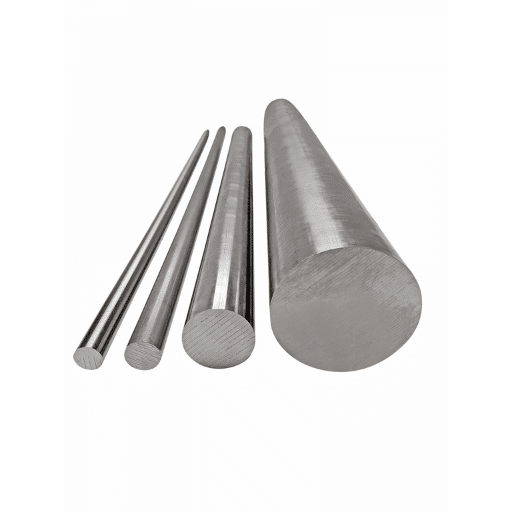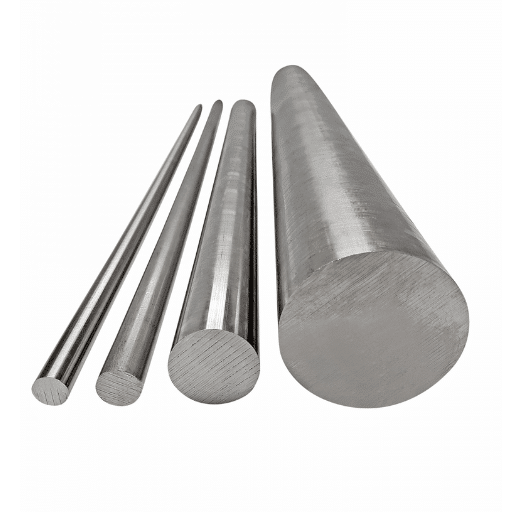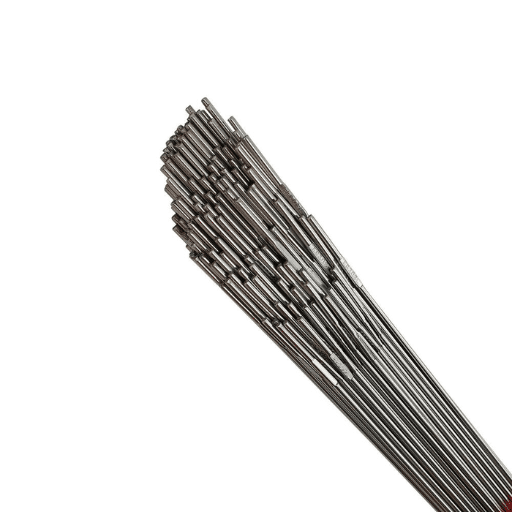
Industrial applications make use of stainless steel rods because these rods possess three essential qualities which include their high strength and ability to resist corrosion and their multiple use possibilities. The 6mm stainless steel rod becomes the preferred option among users because it provides both strong performance and simple handling which makes it suitable for use in various project sizes and industrial operations. The article delivers a comprehensive study about 6mm stainless steel rod which includes its main characteristics and common usage patterns and its specific technical details. The guide provides all necessary information which aids both professionals and DIY enthusiasts to make proper decisions regarding material use in their work.
Overview of 6mm Stainless Steel Rod

Definition and Characteristics
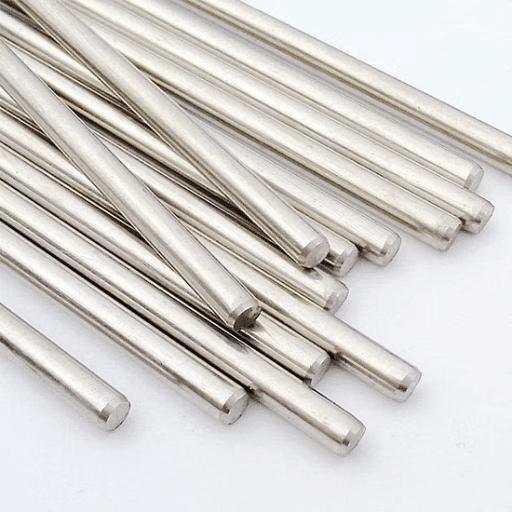
The 6mm stainless steel rod serves as a solid cylindrical metal rod which stainless steel manufacturers produce through their chromium and nickel alloy. The 6mm diameter refers to its consistent cross-sectional width which engineers use to create precise measurements. The material exhibits corrosion resistance and strength and durability which enable its use in environments that experience moisture and chemical exposure and high mechanical stress.
Current data shows that various industries use 6mm stainless steel rods in their operations which include construction and automotive and manufacturing activities. The materials display high machinability and weldability properties which enable engineers to create customized products according to their project specifications. The chromium content creates a passive oxide layer on the surface which provides exceptional resistance to rust and tarnish. The rods maintain their complete recyclable ability while they display strong electrical and thermal conductivity which makes them suitable for different applications and sustainable environmental practices.
Common Uses in Industry
The industrial applications of stainless steel rods exist because their properties make them necessary for various industrial uses. The construction industry uses these materials to create structural reinforcements and outer building facades and components that support weight. The automotive sector uses stainless steel rods to manufacture exhaust systems and engine parts and decorative trim, which provides products with extended durability under extreme weather conditions. The medical industry uses these materials for surgical instruments and implants because they maintain hygienic standards. The rods function as food processing equipment and storage equipment, which includes conveyors and storage tanks, that comply with sanitation standards.
The recent search data demonstrates a growing interest in stainless steel rods which wind turbine and solar panel support projects use as renewable energy materials. The situation demonstrates a rising need for materials which meet sustainability requirements and deliver high strength materials that perform reliably across different environmental conditions. The energy industry now depends on stainless steel rods because they supply essential components needed to develop new solutions for alternative energy technologies.
Types of Stainless Steel Rods
The primary types of stainless steel rods are based on their chemical composition and crystal structure and their performance characteristics which enable different industrial applications. The primary types include:
The rods contain high chromium and nickel content which gives them exceptional resistance to corrosion and their strength remains intact during high-temperature conditions. The most common grades used in this industry are 304 and 316 although 316 offers better protection against chlorides and extreme outdoor conditions which makes it the preferred choice for renewable energy applications.
- Ferritic Stainless Steel Rods
Ferritic rods provide a cost-effective choice because they exhibit strong resistance against stress corrosion cracking and they possess good thermal conductivity. The common grades of this material include 409 and 430 which manufacturers use to create products that need basic protection against corrosion in situations where extreme corrosion protection is not essential.
- Martensitic Stainless Steel Rods
The rods contain elevated carbon content which results in superior tensile strength and durability against wear. The material includes grades 410 and 420 which are better suited for mechanical or structural applications that require higher durability.
- Duplex Stainless Steel Rods
The material properties of duplex stainless steels which include grade 2205 create a material that delivers superior strength together with protection against localized corrosion through its combination of ferritic and austenitic steel structural attributes. The properties of these materials make them perfect for use in components that operate under harsh environmental conditions which exist in renewable energy facilities such as offshore wind power installations.
- Precipitation-Hardening Stainless Steel Rods
The rods function in applications that demand high strength together with specific hardness requirements which makes them suitable for precise engineering work in energy systems. The grade 17-4 PH combines good resistance to corrosion with improved mechanical properties.
The latest search engine data shows that people have started to show more interest in austenitic and duplex stainless steel rods because these materials provide operational flexibility and dependable performance in renewable energy applications. Engineers who develop sustainable energy solutions prefer these materials because they can endure extreme environmental conditions without losing their structural strength.
Material Properties of 304 Stainless Steel Round Rod

Mechanical Properties
The mechanical properties of 304 stainless steel round rods enable their use in multiple industrial applications. The material demonstrates a tensile strength of approximately 515 MPa (75 ksi) and a yield strength of around 205 MPa (30 ksi). The material demonstrates a break elongation of approximately 40% which demonstrates its ability to flow under pressure while maintaining its shape. The modulus of elasticity for 304 stainless steel is approximately 193 GPa (28 × 10⁶ psi) which delivers dependable strength together with resistance against material expansion.
Engineers select 304 stainless steel because its properties provide an ideal combination of strength and corrosion resistance with easy workability. The mechanical properties of this material meet the needs of industries that develop renewable energy systems especially in solar mounting systems and wind turbine component applications. The system maintains its effective operational capabilities throughout extreme environmental conditions which fulfills the needs of engineering partners who require both durability and sustainable performance.
Chemical Composition
304 stainless steel displays a precise chemical makeup which determines its ability to perform across multiple industrial uses. The alloy consists mainly of iron together with 18-20% chromium and 8-10.5% nickel which establish its superior ability to resist corrosion. The material contains no more than 2% manganese and 0.75% silicon and 0.045% phosphorous while sulfur exists at 0.03% and carbon remains at 0.08% maximum. The addition of chromium forms a protective oxide coating which increases its resistance to corrosion while nickel enhances the material’s ductility and toughness. The alloy achieves optimal industrial performance through its specific strength and durability and resistance to chemical degradation which results from these particular material ratios.
Comparison with Other Grades
The alloy shows different results when compared to stainless steel grades 304 and 316 because their chemical makeup and mechanical characteristics differ. The Grade 304 material becomes useful for various applications because it does not contain the molybdenum found in 316 which helps 316 resist chloride pitting and crevice corrosion more effectively The alloy above demonstrates superior environmental protection because it enforces stricter regulations on sulfur and phosphorus levels while raising its chromium and nickel content to safeguard against severe stress and corrosive conditions.
The new research findings show that 304 stainless steel remains an economical material for common uses while the tested alloy outperforms 304 in chemical resistance and extreme temperature environments found in industrial facilities. The advanced alloy provides superior strength and corrosion protection compared to Grade 316 which serves as the standard for marine applications. The advanced alloy becomes the preferred material for chemical processing facilities and offshore engineering projects and medical devices.
Manufacturing Processes for Stainless Steel Rods

Production Techniques
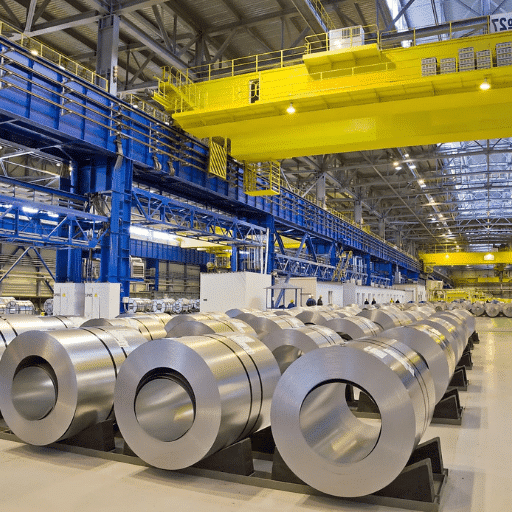
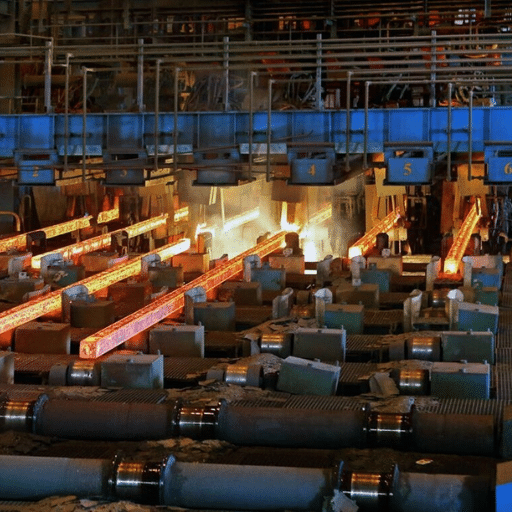
Stainless steel rod production requires highly accurate procedures that deliver products with exceptional quality and consistent material characteristics. The main method used in the process is hot rolling which requires steel billets to undergo heating beyond 1100°C before passing through rolling mills until they reach their required diameter and surface finish. The process increases material ductility because it decreases internal material stresses.
Cold drawing serves as the method of choice when applications demand higher surface quality and stricter dimensional requirements. The method starts with drawing the cooled stainless steel through a die which helps improve both its mechanical strength and its precise measurements. During the production process advanced heat treatment methods including annealing are used to achieve better corrosion protection and improved structural strength through the process of metal grain realignment.
Modern stainless steel rod production now depends on advanced precision machining techniques as its essential manufacturing component. The combination of computer-aided design (CAD) systems and CNC (Computer Numerical Control) machinery establishes manufacturing processes that meet stricter industrial regulations. The organization implements thorough testing methods which include ultrasonic testing and X-ray inspection to discover any concealed flaws.
The stainless steel production process achieves its highest level of reliability and operational efficiency through industrial manufacturing advancements which combine real-time data analytics with automation technology.
Quality Control Measures
Recent advancements in quality control measures within stainless steel production have aligned closely with modern search trends and industry demands. The latest data from search engines shows that industrial manufacturing queries mainly use the keywords “real-time defect detection” and “AI-driven quality monitoring”. Manufacturing companies achieve greater accuracy through these technologies which help them find production process irregularities. AI algorithms that testing systems use can rapidly evaluate ultrasonic or radiographic test data to identify microstructural defects. The company implements these procedures to decrease material waste while solving environmental problems and production capacity issues. The industry uses this technology and demand combination to improve its operational transparency and performance improvement strategies.
Common Defects and Solutions
The manufacturing sector faces multiple defects that impact product quality and product performance and product lifespan. The defect of porosity occurs in cast or welded products because gases become trapped during the cooling process and the cooling process does not follow proper procedures. The solution requires optimization of welding parameters through voltage and current adjustments and the application of vacuum casting methods which will decrease gas entrapment. Excessive thermal stresses and material inconsistencies create surface cracking which is another common defect in materials. The implementation of preheating techniques together with post-process heating treatments will establish effective mitigation methods for this problem.
The precision industries face dimensional inaccuracies as a major problem. The production process experiences these issues when equipment calibration becomes insufficient and materials undergo thermal expansion. Organizations can achieve precise operational requirements through the use of advanced Computer Numerical Control (CNC) machines combined with real-time monitoring systems. Nondestructive testing (NDT) technologies which use ultrasonic and magnetic particle inspection methods create a technique to find defects before final product assembly. The use of these innovative solutions will enable manufacturers to establish product reliability while improving operational efficiency through compliance with industry standards and technological advancements.
Applications of 6mm Diameter Rods

Industrial Applications
Across various industrial applications, enterprises use 6mm diameter rods because these rods provide strength and flexible industrial usage. Engineers construct these rods from stainless steel, aluminum, and carbon fiber materials which they use for building construction and precise engineering work. The automotive industry uses 6mm rods to build suspension systems and structural reinforcements which provide durability and load-bearing capacity. Aerospace manufacturers create essential components by using materials that possess lightweight and high-tensile strength characteristics.
The current market research studies show increasing demand for 6mm diameter rods in green energy technologies especially in wind turbine and solar panel applications. These rods provide protection against corrosion and they maintain their operational capacity for extended periods which allows them to meet demanding environmental and performance requirements. The growing importance of these technologies for energy innovation work demonstrates their ability to solve current challenges facing modern industrial operations.
DIY Craft Projects
The search trend data from , which shows rising popularity for DIY craft projects, has proven that people prefer materials which can be used in multiple ways and which will last and which have environmentally friendly characteristics. Among these, 6mm diameter rods have emerged as a popular choice for various applications. DIY enthusiasts commonly inquire about the reason which 6mm diameter rods receive recommendations for their craft projects.
The answer lies in their inherent properties. The rods show their value through their capacity to deliver high strength with low weight, which enables safe handling of materials while maintaining project structural integrity. The materials provide outdoor application durability through their corrosion-resistant properties, which meet growing environmental sustainability demands and material durability requirements. The 6mm diameter rods enable projects to use their adaptability for all creative needs, which includes making lightweight frames and supporting complex designs and building functional parts.
Metal Working Hobbies
The current search engine trend data proves that metalworking hobbies have experienced increased popularity compared to earlier times. People show increased interest in home workshops and artisan crafts and DIY projects which has led to the rising popularity of these activities. People conduct online searches to find information about blacksmithing and welding and jewelry making which are the most common metalworking activities. Blacksmithing operates as a learning platform for individuals who wish to master the art of metal forging and decorative item creation through traditional techniques. Welders use MIG and TIG and arc welding methods to build working structures and fix broken machinery. Jewelry making provides artists with a precise metalworking hobby to create elaborate jewelry designs using silver and gold and brass.
Metalworkers use their skills to create handmade items while they develop their artistic and practical abilities. The field continues to attract both beginners who want to learn basic skills and experienced craftsmen who work to improve their artistic work.
Purchasing and Sourcing Considerations

Specifications to Look For
The selection process for metalworking materials and tools needs to include specific attributes which determine the product’s final quality and durability and functionality. Recent search patterns and industry research show that users now value material grade and tool composition and project-specific compatibility more than other factors.
- Material Grade: For metals, such as steel or aluminum, pay close attention to the grade or alloy. High-carbon steel serves as the ideal material for tools that need both hardness and strength, while aluminum alloys provide lightweight construction that maintains their strength.
- Tool Composition: Selecting tools which use hardened steel or tungsten carbide as their base materials will result in tools that maintain their accuracy throughout extended use. Current research shows that people now prefer tools which have ergonomic designs and advanced performance coatings, such as titanium nitride.
- Project Compatibility: The project requirements need to determine the specification development process. Jewelry designers use jewelry-grade metals for their detailed work while structural engineers choose heavy-duty alloys to fulfill their project needs. The measurement of tool capacity through maximum saw cutting depth enables users to detect project requirements while discovering operational inefficiencies.
Metalworkers can enhance their resource allocation process through this combined approach which uses targeted specifications and current search trend data and industry input to meet both existing market needs and their individual crafting objectives.
Length Options and Custom Orders
The selection of metal material lengths requires precise measurement because it affects both project specifications and resource efficiency. Standard lengths are often available directly from suppliers, but custom orders provide the flexibility to achieve exact measurements tailored to unique project needs. The increasing need for custom-cut materials has become clear through search trend analysis because the industry now demands personalized products which require precise engineering. The use of custom orders in complex designs and major construction projects helps to achieve precise results while minimizing material waste and improving assembly efficiency. The combination of customizations with current search data allows manufacturers and suppliers to forecast which dimensions will become popular and optimize their inventory to fulfill market needs.
Supplier Selection Criteria
The process of selecting suppliers for custom-cut materials through search engine data analysis helps organizations make better decisions about their vendor choices. Manufacturers can identify their most in-demand materials and sizes by studying search trends to find suitable suppliers. The combination of production capabilities and delivery timelines with pricing information allows customers to use real-time search data to find suppliers who provide better value. The assessment of supplier reviews along with their digital presence through search insights creates an accurate assessment of supplier reliability and market standing which supports evidence-based selection processes designed for efficient market demand fulfillment.
Trends in the Use of Stainless Steel Rods

Emerging Applications
The use of stainless steel rods is expanding across various sectors because material science progress and industrial requirements drive their adoption. The latest data from search engine results shows that renewable energy infrastructure and wind turbine components and materials with advanced corrosion resistance are the two main emerging applications. The search results show that stainless steel rods have medical device and implant uses because they show biocompatibility and durable performance. The research shows that precision manufacturing applications will increase their usage in aerospace and automotive sectors which require components to withstand extreme conditions and high stress environments. The data demonstrates that modern industries are moving toward specialized high-performance applications which meet their present operational requirements.
Innovations in Manufacturing
Modern manufacturing technologies developed through three main technological advancements which include automated systems and 3D printing and precision machining processes. The analysis of search engine data shows that there is an increasing need for 3D printing systems which develop intricate parts and laser cutting equipment that provides accurate results and AI-based manufacturing solutions. The new solutions help industries meet their requirements for operational sustainability and production capacity and personalized product development. Search data shows that metal additive manufacturing which produces prototypes and end-use parts has become more valuable for aerospace and healthcare and automotive industries. The need for faster production times and better material usage and less expensive solutions drives the changes which currently shape the manufacturing environment.
Market Demand and Future Projections
The analysis of search engine data together with current information shows that the market for additive manufacturing technologies will continue to expand. Search patterns show an increase in advanced manufacturing application searches which aerospace and healthcare industries need to maintain precise and customized operations. This development corresponds with industry reports which forecast that the additive manufacturing market will achieve a compound annual growth rate (CAGR) above 20% during the upcoming ten years.
The market adoption of products experiences acceleration because the industrial sector requires lightweight materials and needs rapid prototyping technology. The combination of AI with machine learning technologies in manufacturing operations creates new possibilities for design work while enabling companies to do maintenance work based on future equipment needs. The data shows a clear path for manufacturers because they need to adopt new practices that will bring operational efficiency together with innovative methods which drive changes in worldwide manufacturing systems.
FAQ
Is a 6mm rod suitable for use as a stainless steel solid round rod in DIY craft and model car kits?
A 6mm rod functions as a proper replacement for a stainless steel solid round rod in DIY craft projects and model car building kits. The 6mm stainless steel rod serves as a standard solid round rod used in model car axles and miniature axle applications because it provides both metric dimensions and robust strength. The 6mm diameter proves useful for DIY craft tools because it provides sufficient strength while allowing easy drilling and threading. Hobbysts choose 304 stainless steel round rod for its ability to resist corrosion and its intermediate hardness while they use 316 stainless steel for applications in marine environments. The 6mm rods allow you to create custom lengths which include 12 inch length and 250mm length for your specific requirements. The rod functions as a shaft for DIY craft projects which needs grinding and finishing to achieve proper rotation and kit compatibility.
Is it possible to drill and thread a 6mm stainless steel rod to create a DIY project that uses screws or pins?
You can drill and tap a 6mm stainless steel rod to create a screw socket or a threaded pin component for DIY purposes but you need to use special tools and methods to work with stainless steel material. Use high-speed steel or carbide drill bits and a suitable tapping fluid; for 304 stainless steel rods, patience is needed because of the alloy’s toughness and high hardness 304 stainless steel characteristics. The process of pre drilling a smaller pilot hole before using the final drill bit helps decrease work hardening problems while creating better thread results. The operator needs to secure the round steel using a lathe or vice system to maintain its position during vehicle building and metalworking operations. You can achieve exact fabrication with lathe bar stock which allows you to create precise diameter and thread specifications for your DIY metal solid shaft rods.
What specifications should I check when buying 304 stainless steel rods 6mm x 400mm solid?
The diameter and length tolerance of 304 stainless steel rods with dimensions of 6mm x 400mm solid should be confirmed through material certification before making a purchase. The product needs verification to determine whether it is sold as pcs 304 stainless steel round or as a kit while its packaging should show 304 stainless steel solid round to maintain consistent corrosion resistance and alloy composition. The product needs to show both matte and grind finish types through its surface finish which needs to display all necessary machining requirements for its bar stock distribution to diy crafts users. The rod needs to function as both a steel stick and a round bar for lathe operations while its suitability for use as lathe bar stock in metalworking needs to be verified. The product listing needs to indicate whether it contains high hardness 304 stainless steel or standard annealed material because hardness affects both machinability and screw or thread performance.
How do solid shaft rods lathe bar techniques affect precision when making miniature axle or model car parts?
The use of solid shaft rods lathe bar methods provides miniature axle and model car parts with controlled turning capabilities which produce exact diameters and tolerances that reach 6mm diameter and smaller. The lathe machine produces matte finishes while polished surfaces enable users to create thread and groove features which function as screw retention and diy pin fitment solutions. The selection of the correct bar stock including lathe bar stock for diy projects and metal solid shaft rods lathe operation results in improved round steel quality with reduced manufacturing flaws. The lathe machine allows users to obtain accurate drilling and cutting results for model airplane and ship and car projects which require lengths of 200mm and 250mm. The correct tool selection and grinding techniques enhance surface quality protection while producing parts with strong durability.
Do you think brass or 6061 aluminum round rod can replace stainless steel as a shaft material for DIY craft projects which require wheel shafts?
DIY craft projects use brass rods and 6061 aluminum round rod as standard alloy options when stainless steel becomes too heavy or difficult to machine for shaft rods. The brass material provides excellent machinability and protection against corrosion in non-marine environments. 6061 aluminum round rod has a weight advantage and simpler drilling and threading process compared to stainless steel though its mechanical characteristics and resistance to wear are inferior. For decorative kits or non-load-bearing models, brass or aluminum may be preferable due to easier finishing and plating options such as chrome. For marine applications which require strong corrosion protection, 316 stainless steel provides better resistance but requires more complex machining. Select the alloy based on necessary strength requirements and your preferred length which requires either 400mm solid or 200mm length and specific diameter measurement of 6mm.
What process should I use to determine the appropriate length and quantity of 6mm x 200mm or 6mm x 400mm rods which I need to order for my metalworking tasks?
Select lengths such as x 200mm or x 400mm solid based on your project’s cut list and expected waste for machining; ordering a bit extra helps account for errors and facing operations. For customers who need multiple components using 304 stainless steel round through a kit or multi-pack purchase provides better value while maintaining uniform material properties throughout all rods. For metalworking and working hobbies and diy craft, consider whether you require lathe bar stock for industry or hobby-sized pieces like 1mm x 300mm dowels for precision pin diy tasks. The seller needs to provide both metric and imperial options because 6mm rod represents metric measurement while customers should verify the seller has 0.5m and 12 inch length available. The process ends with finish and straightness confirmation which helps you avoid spending time on grinding and straightening work in your workshop.
Reference Sources
-
Surface Quality and Mechanical Properties in Drawn Stainless Steel Profile Wires
Academia.edu -
Lehigh Preserve Institutional Repository
Lehigh University -
Processing Maps for the Analysis of Hot Workability of Microalloyed Steels
Mines.edu