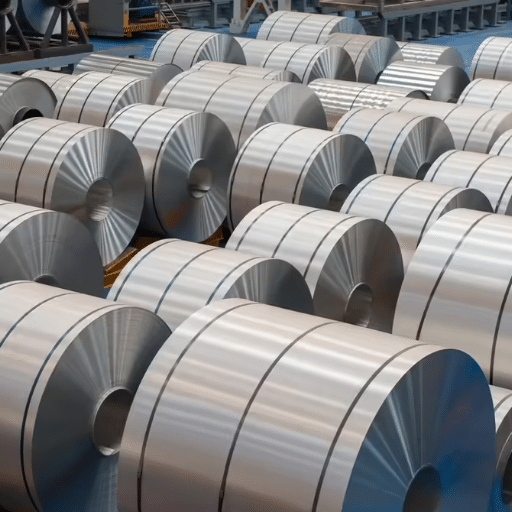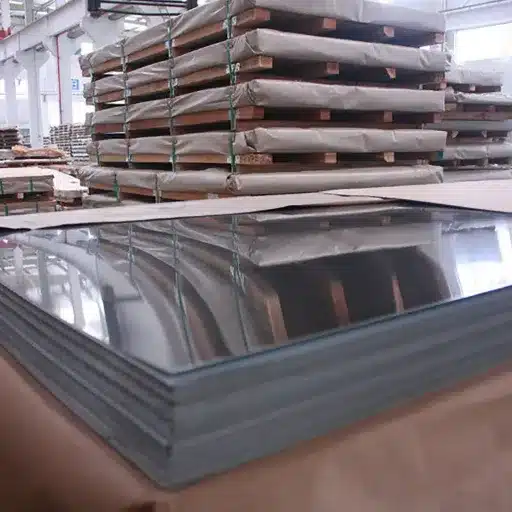
If you are looking for a material that is economical and reliable, then 430 stainless steel sheets will be among the best options to choose from in almost every case. These sheets offer excellent resistance to corrosion, they are very durable and can also be used for aesthetic purposes, thus they become the favorite option in many industries. Nevertheless, the pricing of the sheets is not always straightforward, and buyers need to be well-informed before making a purchase. This comprehensive guide will discuss the pricing of 430 stainless steel sheets, their different uses, and the reasons for their widespread acceptance among customers. Whether you have been working with this material for years or are just starting, you will be able to get the needed insights to enable you to weigh costs against quality and utility.
Overview of 430 Stainless Steel Sheets
What is 430 Stainless Steel?
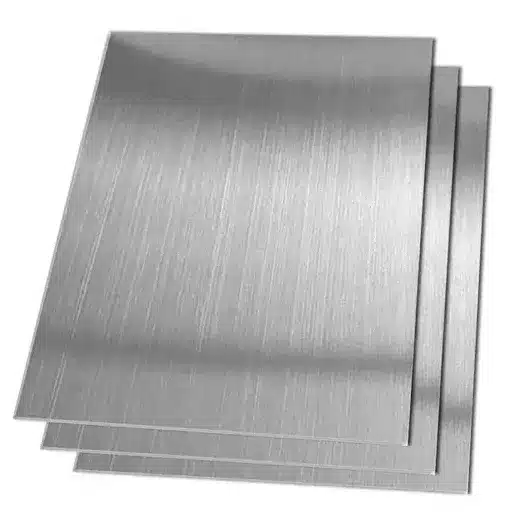
430 stainless steel is a ferritic steel, which cannot be hardened, mainly made up of chromium along with small quantities of nickel and manganese as the other elements. Besides being fairly priced and having excellent resistance to corrosion, it is a commonly used material for applications where durability and resistance to oxidation are required. Its chromium content is around 16 to 18 percent and it presents a good combination of strength and resistance to moderate exposure to the environment and chemicals. Also, it is magnetic, has good machinability, and is applicable in many areas, like kitchen appliances, automotive trim, and architectural components. Altogether, 430 stainless steel is highly appreciated for its reasonable price and that is why it is the most chosen one in cases where high performance and limited budget are meeting.
Properties of 430 Stainless Steel
Key Material Properties:
- Composition: 16-18% chromium with very little carbon content
- Corrosion Resistance: Excellent resistance to oxidation, particularly in areas with mild corrosive activity
- High Temperature Performance: Very good resistance to oxidation at high temperatures, suitable for exhaust systems and heat exchangers
- Formability: Very ductile and can be formed into different shapes, allowing for stamping, bending, and welding
- Thermal Properties: Large thermal conductivity compared to austenitic grades but has lower thermal expansion
- Post-Weld Treatment: Post-weld annealing is advised for better resistance to corrosion
Note: While toughness may decrease at very low temperatures, 430 stainless steel remains an economical and practical choice for various industries.
Applications of 430 Stainless Steel Sheets
430 stainless steel sheets are highly sought after in numerous industries due to their impressive corrosion resistance and cost-effectiveness. The most wear and tear-prone areas in the kitchen can be equipped with this material, and common applications include refrigerator panels, range hoods, and dishwasher linings, where aesthetic appeal and durability coexist.
Kitchen Applications
- Refrigerator panels
- Range hoods
- Dishwasher linings
- Food-grade containers
Automotive Sector
- Automotive trim
- Exhaust systems
- High-temperature components
- Decorative elements
Architectural Uses
- Building facades
- Interior panels
- Decorative features
- Weathering-resistant surfaces
Industrial Equipment
- Chemical processing tanks
- Hygienic equipment
- Easy-clean surfaces
- Storage containers
Given its adaptability and cost-efficiency, 430 stainless steel is a favorite product line in the market when one is looking for both functional and aesthetic solutions.
Factors Influencing 430 Stainless Steel Sheet Price
Market Demand and Supply Dynamics
The interplay between market demand and supply determines the price of stainless steel sheets of grade 430 to a great extent. The demand for global stainless steel is increasing and this is mainly due to the construction, automotive, and manufacturing industries. The supply side is influenced by production capacity, raw material availability, and changes in global trade policies. The latest data reveal that the search for 430 grade and other stainless steel materials has been on a steady rise over time, indicating a growing interest and dependency of industries on this grade. The coupling of online interest and real-world demand showcases the dynamic nature of pricing in the stainless steel market.
Thickness and Dimensions of Sheets
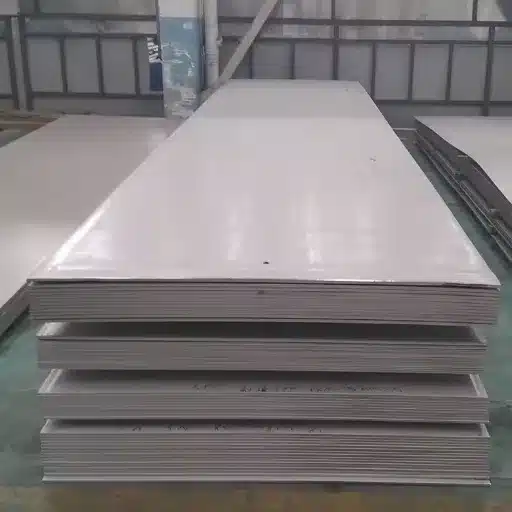
The thickness and dimensions of 430 grade stainless steel sheets are the main factors that determine the usability and pricing of the sheets. A variety of thicknesses from 0.3mm to 3mm is usually offered for these sheets, and customer demand can also dictate the sizes in which they will be produced. Very thin sheets are ideal for applications such as panels of household appliances, while ones with greater thickness are suitable for equipment used in the industrial sector.
💡 Market Insight:
Recent search engine data shows a considerable upswing in interest related to the availability of standard sizes and custom sizes, specifically for the 430 grade. This is a clear indication that buyers are becoming more inquisitive and precise regarding the information offered about their personalized sourcing of 430 stainless steel grade sheets. The ability to provide sheets of custom size with consistent quality is a major factor affecting buying decisions in today’s market.
Finish Types: Bright Annealed vs. Brushed
A proper understanding of how each different application and design preference impacts the selection between Bright Annealed and Brushed surfaces for 430 grade stainless steel is very important. Search inquiries, based on recent data, regarding the differences among these finish types have increased significantly, reflecting consumer interest in their properties and potential applications.
The final decision between Bright Annealed and Brushed finishes is entirely a matter of project-specific requirements. Market observations indicate a trend in which suppliers are offering both finish options to meet various design and functional needs, which in turn indicates the growing demand for customization and wide-ranging stocks among stainless steel suppliers.
Comparative Analysis: 430 vs. Other Stainless Steels
Performance Comparison with 304 Stainless Steel
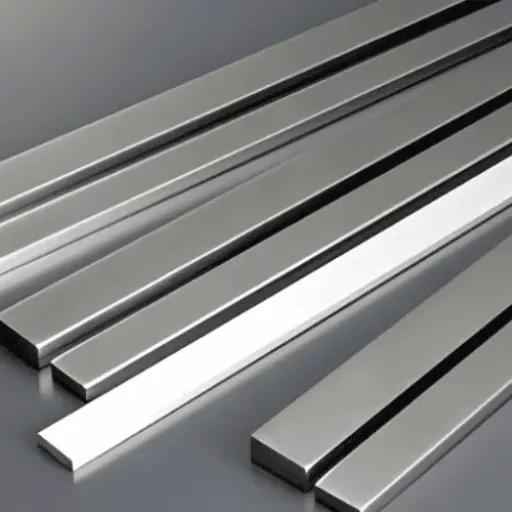
Significant differences are easily noticed when comparing 430 stainless steel with 304 stainless steel. Generally, while the superior corrosion resistance of 304 stainless steel is well recognized due to its higher chromium and nickel content, this also translates to a higher price. Meanwhile, 430 stainless steel is advantageous in sectors where weather conditions are going to be mild and stressing exposure is not that severe.
🔍 Material Selection Trends
Recent searches show a rise in interest for “430 vs. 304 stainless steel” comparisons. This indicates the need for clear material selection guidelines for specific applications is becoming more pressing. Understanding the particular benefits of each grade enables informed decisions that combine performance with cost-effectiveness, thus meeting the requirements of various projects.
The austenitic grain structure of 304 steels showcases great plasticity and weldability, making it the ideal candidate for chemical processing and high-standard food handling. On the other side, the ferritic nature of 430 steels leads to smaller grain crystallization, which affects their corrosion resistance and scaling at high temperatures. Consequently, this has been their main reason for use in automotive trim, kitchen appliances, and decorative applications.
Cost Analysis Between Different Grades
When considering the price difference between 430 and 304 stainless steels, one will conclude that every grade possesses different value propositions which are appropriate for distinct budgets and applications. Grade 430 stainless steel fabrication is often a cost-effective solution as it has the lowest nickel content among stainless steels. That is why it is commonly used in projects with limited budgets that do not impose high corrosion resistance requirements. Conversely, 304 stainless steel having high nickel and chromium content comes at a more expensive price but gives high durability, corrosion resistance, and versatility.
💰 Cost Considerations:
- Harsh Environments: The initial cost of 304 stainless steel is often justified for parts that need to last exceptionally long
- Less Demanding Environments: Indoor fittings or decorative items can perform perfectly with 430 stainless steel at a lower cost
- Budget-Conscious Projects: 430 provides excellent value for projects with limited budgets
Interest in this comparison has grown considerably according to recent search data, indicating that buyers and manufacturers want to know how to balance performance with cost clearly.
Magnetic Properties and Their Impact on Selection
Magnetic properties of stainless steels are one of the determining factors that influence the choice of materials in applications where magnetism is either wanted or unwanted. For example, 430 stainless steel is a ferritic type of steel characterized by being magnetic because of its high iron content and body-centered cubic crystal structure. Conversely, 304 stainless steel is austenitic, meaning it has a face-centered cubic structure that makes it non-magnetic in its annealed state.
Understanding the relationship between magnetic properties and functional requirements will guarantee that the stainless steel grade selected not only satisfies technical specifications but does so in an operational way that meets project needs.
Purchasing Guide for 430 Stainless Steel Sheets
Where to Buy: Suppliers and Marketplaces
When looking for trustworthy sources to acquire 430 stainless steel sheets, both online and offline channels have several reputable options to consider.
🏢 Industrial Suppliers
- Grainger
- McMaster-Carr
- Ryerson
These suppliers cover the full spectrum of stainless steel products, including 430-grade sheets, showing different dimensions and finishes.
🌐 Online Platforms
- Amazon Business
- Alibaba
- Metals Depot
- Online Metals
These platforms give global access to suppliers, suitable for both smaller orders and bulk purchasing with detailed specifications.
🏭 Local Options
- Steel distributors
- Metal fabricators
Local suppliers frequently stock 430 stainless steel sheets and often offer customizing or further processing services.
⚠️ Important Reminder: Do not forget to check prices, shipping conditions, and customer feedback to ensure a trustworthy transaction and good quality materials.
Understanding Pricing Structures and Quotes
Several key factors need to be considered when assessing the pricing structures for materials such as 430 stainless steel sheets. The price may vary with the size, thickness, and finish of the sheet, as well as market demand and cost of raw materials. Prices of metals can vary significantly owing to global economic conditions and supply chain factors, thus being aware of trends is very important. Many suppliers apply tiered pricing depending on the quantity of the order; buying in large volumes usually lowers the cost per unit.
📋 Checklist: Getting an Accurate Quote
- Request detailed information from multiple suppliers for comparison purposes
- Verify the complete quotation includes:
- Base material cost
- Any customization or processing fees
- Transport costs
- Use search engines to compare current supplier prices
- Spot reliable vendors through customer reviews and feedback
- Review customers’ feedback for quality assurance
Using this information, you can make a decision that is both informed and suited to the requirements of your project.
Evaluating Quality and Specifications
When assessing the quality and specifications of materials or products, recent information from search engines can be a powerful tool. Start by going through detailed product descriptions on suppliers’ websites and contrasting them with specified industry standards to check if they are in compliance.
✅ Quality Assessment Tips:
- Review customer feedback: Check reviews on specialized forums to get an idea of quality based on real-world usage
- Check technical datasheets: Verify product specifications against industry standards and certifications available online
- Assess key criteria: Consider durability, compatibility, and performance for your specific project
- Compare multiple sources: Contrast information from different suppliers to ensure accuracy
By combining online research with professional insights, you can make data-driven decisions with confidence.
Manufacturing Processes for 430 Stainless Steel Sheets
Production Techniques and Their Effects on Cost
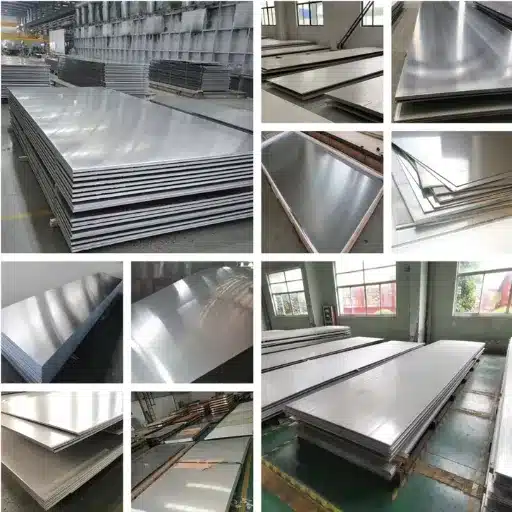
When considering the production techniques for 430 stainless steel sheets, a close look at the cost impact of each is a must. Cold rolling and annealing are the two main processes that together account for most of the price. Cold rolling imparts a smooth, uniform surface finish and enhances the steel’s strength, but the very high operational costs reflect the precise equipment used. In contrast, annealing the steel makes it much more pliable and thus easier to work with, but it also increases overall energy consumption in production.
The most up-to-date trends in consumer search indicate that product quality and price considerations are balanced when it comes to automated manufacturing techniques such as precision laser cutting and robotic handling systems. These technologies demand significant upfront investment, which can result in different cost structures between smaller and larger manufacturers. Making the right choice of production technique can ensure that the manufacturer satisfies both the required price and quality standards.
Welding and Formability Considerations
The proper welding method when dealing with stainless steel sheets and the assessment of formability are interconnected factors that determine the quality of the end product. The stronger the weld joint, the better the material will handle stamping and stretching. Modern welding techniques, namely TIG (Tungsten Inert Gas) and MIG (Metal Inert Gas) welding, are widely used because of their accuracy and strength with different stainless steel grades. These methods not only reduce distortion but also create strong, reliable joints.
🔧 TIG Welding
- High precision
- Strong joint formation
- Reduced distortion
- Suitable for various stainless grades
🔧 MIG Welding
- Reliable joint strength
- Accurate results
- Minimal distortion
- Cost-effective for production
⚖️ Balancing Formability Factors:
The specific grade of stainless steel being used determines formability:
- Austenitic stainless steels: Excellent formability, perfect for intricate shapes, but higher nickel content increases cost
- Ferritic grades (like 430): Limited formability compared to austenitic, but more economical
- Martensitic grades: More restricted formability, budget-friendly option
Finding a middle ground among welding compatibility, formability, and budget is essential to attain both quality and efficiency in manufacturing.
Environmental Impact of Stainless Steel Manufacturing
The impact of stainless steel production on the environment is significant and is mainly due to the extraction and refining of primary materials like iron ore, nickel, and chromium. One of the major issues is the very high energy requirement for smelting and refining these materials, which in turn results in substantial greenhouse gas emissions. Presently, it is estimated that the manufacturing of stainless steel is responsible for around 6% of the entire industrial carbon dioxide emissions globally. Furthermore, the process of mining raw materials can harm the environment through loss of habitat and soil erosion, thus endangering local ecosystems.
♻️ Positive Environmental Developments:
Recyclability Advantage:
Despite drawbacks, stainless steel remains one of the most eco-friendly materials thanks to its recyclability. New generation plants can manufacture stainless steel with up to 90% or more recycled scrap, lessening dependence on virgin raw materials and improving energy efficiency.
Advanced Manufacturing Technologies:
- State-of-the-art emission control technology
- Increased energy efficiency measures
- Renewable energy adoption (wind and solar)
- Creative new manufacturing methods
Industry Direction: By procuring scrap materials, relying on renewable energy sources, and employing innovative methods in manufacturing, the stainless steel industry can control its environmental impact while maintaining the material’s qualities of durability and versatility which are vital in modern infrastructure.
Frequently Asked Questions (FAQ)
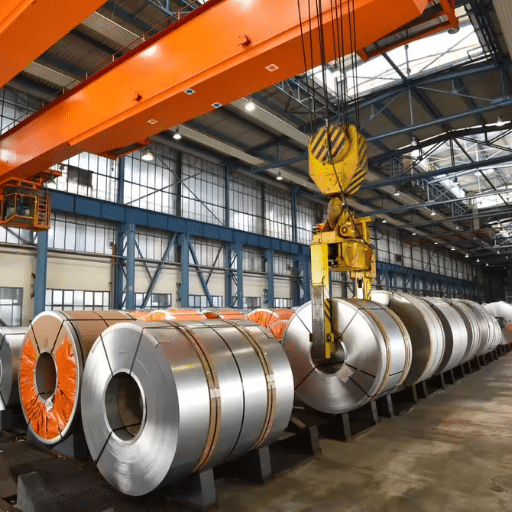
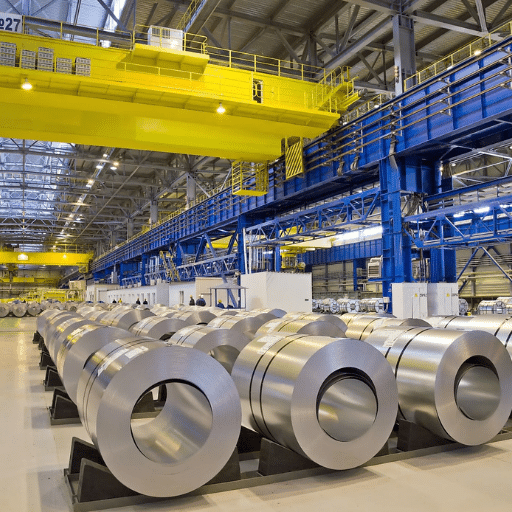
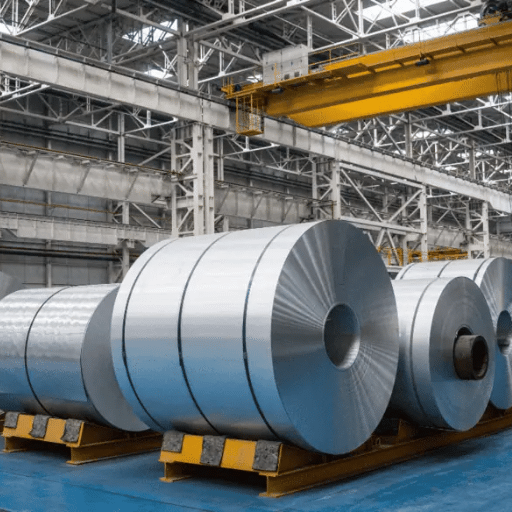
❓ How does the choice between coil and flat sheets influence fabrication costs?
Coil (roll) stock has the advantage of lower raw material cost per pound and continuous processing efficiency, but it requires uncoiling and leveling first, thus adding equipment costs before its use in fabrication. Flat sheets eliminate initial flattening, making them user-friendly in shorter production runs or parts needing high flatness. Material yield, thickness (like 24 gauge or 20 gauge), and required widths determine whether coil or flat sheets are more economical. For small quantities and prototype runs, flat sheets from plate or cut from coil are usually better choices though they command higher per-sheet cost. Meanwhile, large-volume stamping operations often favor coil stock as a convenient way of reducing handling and per-piece price.
❓ Is there a price discrepancy between brushed finish and mill finish 430 sheets?
Certainly, brushed finish sheets usually are more expensive compared to mill finish since brushing is extra processing to create a consistent directional grain. The refined finish can be very attractive, and such aesthetic applications have developed a market that justifies the premium. For industrial use that doesn’t prioritize appearance, mill finish sheets are cheaper and will suffice. Slightly different corrosion behavior may result from the different finishing processes, including the possibility of post-processing like passivation. Buyers should consider whether the application needs a brushed finish or if a standard mill finish will work, thus potentially saving cost.
❓ How does purchasing flat stock instead of plate affect the quotation?
Flat stock is commonly taken to mean thinner, more easily usable sheets, whereas plate is thicker material usually used for making structural parts; consequently, plate is more expensive per unit area because of material usage. If the project requires plate thickness, expect raw material and handling costs to be significantly higher than flat stock. Cutting plate to exact dimensions may involve the use of heavier equipment and incur additional tooling costs. It may be economical to select flat stock or stainless steel shim for applications requiring less thickness. Pricing also depends on whether the material is sourced from roll, sheet, or plate inventory and the required tolerances.
❓ What are the typical considerations for the price of 430 ss in 24ga?
The procurement of 430 ss in 24ga requires assessment of material weight, available flat sheets or coil stock, and processing requirements such as slitting to width or cutting to length. The lighter and more economical per sheet 24ga material can still require careful handling to prevent warping during fabrication. Suppliers may impose charges for minimum order quantities, custom cuts, or additional finishing such as brushed finish. The nature of ferritic stainless steel 430 provides good corrosion resistance for atmospheric applications, which allows 24ga to be a suitable choice for less aggressive environments. An accurate per sheet price can be obtained by comparing quotes that include processing and delivery.
❓ Is ss 20 gauge better for some costs and applications than others?
SS 20 gauge is stronger and more durable due to its thickness compared to 24ga; however, it also increases material costs because of the extra weight. In structural or load-bearing applications, 20 gauge might eliminate the need for reinforcement, thereby saving overall project costs even though the material price is higher. Ease of fabrication, like bending or welding, can differ with gauge and influence labor costs. Supplier pricing varies among gauges according to stock and market demand for mainstream flat sheets or plate sizes. When selecting gauge, consider not just the initial material cost but also long-term performance as part of the total cost equation.
❓ What is the impact of the ferritic nature of 430 stainless on its price compared to other kinds of alloys?
The reason why 430 is a ferritic stainless steel with lower pricing is that it has less nickel and is generally not as expensive as nickel-containing austenitic alloys such as 304. The low nickel and other alloy content in 430 brings down raw material costs while maintaining adequate corrosion resistance, thus the alloy remains competitively priced. The price of specialty alloys with better corrosion resistance or those containing extra elements depends on both material and processing costs. Nevertheless, if a specific alloy property is required that 430 cannot deliver, then the price increases when opting for higher-grade alloys. Suppliers provide quotes depending upon grade, gauge, finish, and required certifications.
❓ Do environmental factors play a role in determining the cost of stainless steel 430 sheets?
Environmental exposure—like coastal salt spray, industrial atmospheres, or high humidity—can lead to requirements for higher-grade materials or protective finishes that consequently increase overall cost. In regions where the atmosphere is corrosive with high moisture, buyers may opt for more corrosion-resistant alloys or specify thicker flat stock to guarantee material longevity. Protective coatings and passivation treatments are costly because they add processing steps. However, making the right material choice for the given environment can reduce total lifecycle costs despite the higher initial price. Suppliers will often guide whether 430’s corrosion resistance will be adequate for the stated atmospheric conditions.
❓ How does the strength requirement for automotive parts dictate the sheet’s price?
Strength requirements for automotive parts can necessitate the use of larger gauges, more precise composition tolerances, or special finishes, translating to higher material and processing costs. The supply chain for automotive-grade materials may require certifications, traceability, and quality control which subsequently add administrative and testing costs. Using 20 gauge or thicker flat stock instead of 24ga might increase material cost but could also reduce reinforcement or labor requirements downstream. Although high-volume automotive orders could lead to better unit pricing, initial qualification costs must still be factored in. The final price reflects both material properties and the manufacturing standards required for automotive applications.
Reference Sources
- ScienceDirect – Cost and Environmental Impact Assessment of Stainless Steel
This research examines the costs and environmental impacts of various manufacturing processes for stainless steel, providing insights into pricing factors.
Cost and Environmental Impact Assessment – ScienceDirect - ResearchGate – Changing Nickel and Chromium Stainless Steel Markets
This review discusses the dynamics of nickel and chromium markets, which are closely linked to stainless steel production and pricing.
Changing Nickel and Chromium Markets – ResearchGate - Bureau of Labor Statistics (BLS) – The Impact of COVID on the Price of Steel
This article analyzes the price trends of steel, including stainless steel, during the COVID-19 pandemic, offering valuable context for pricing fluctuations.
The Impact of COVID on Steel Prices – BLS