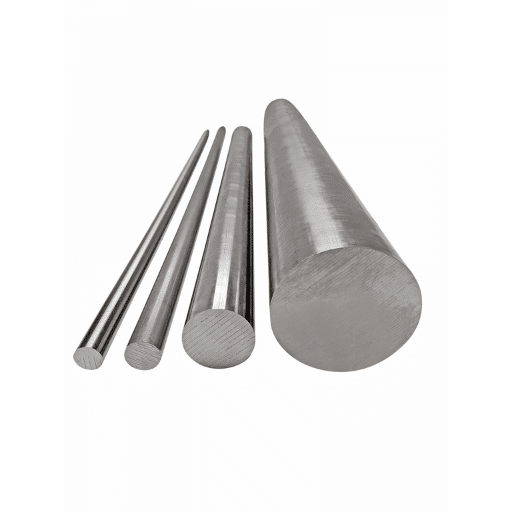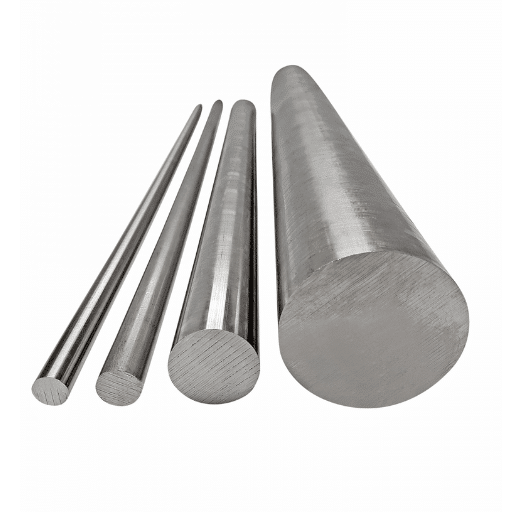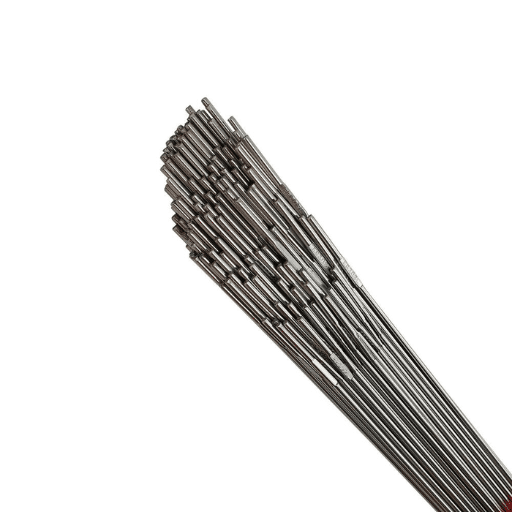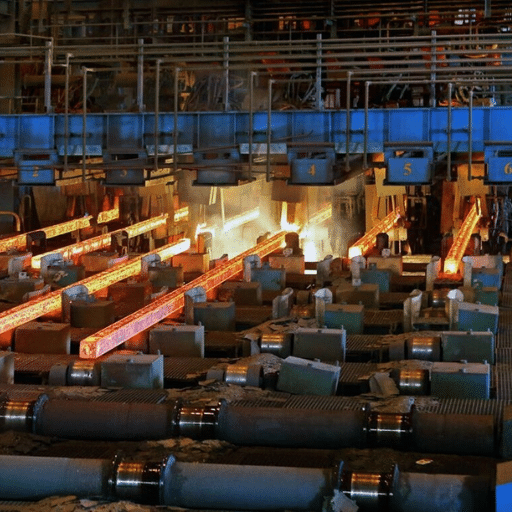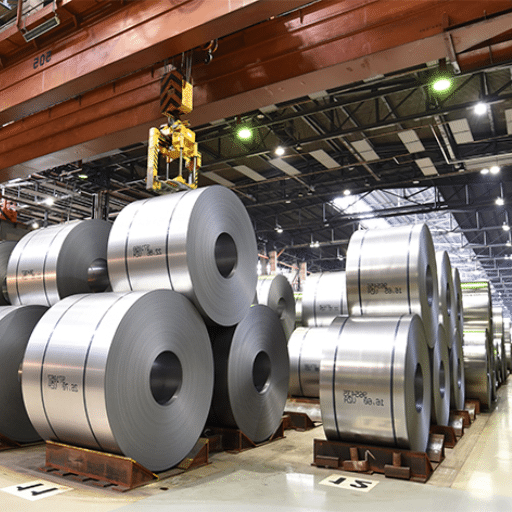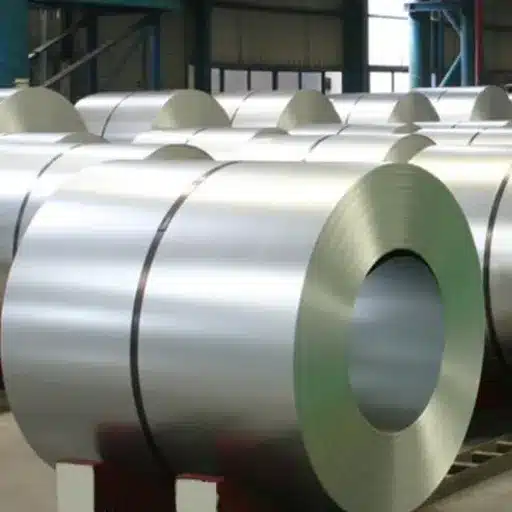
Stainless steel has been the basic and necessary material for many industries for a long time; however, the varieties of stainless steel are not interchangeable. Among the different grades, 316L is a good example of steel having wonderful properties, and these properties are very high resistance to corrosion, durability, and versatility in rough environments. This paper discusses the very properties that make 316L stainless steel coil so widely adopted in plastics and metal, chemical processing, shipbuilding, and medical equipment. Furthermore, we will also talk about its increasing presence in the global market of materials along with the new trends and industrial requirements that are promoting its use. The detailed guide will serve as a resource not only for experienced professionals and business owners who are interested in modern materials but also for anybody who wants to learn about the characteristics, applications, and market forces of 316L stainless steel coil.
Introduction to 316L Stainless Steel Coil
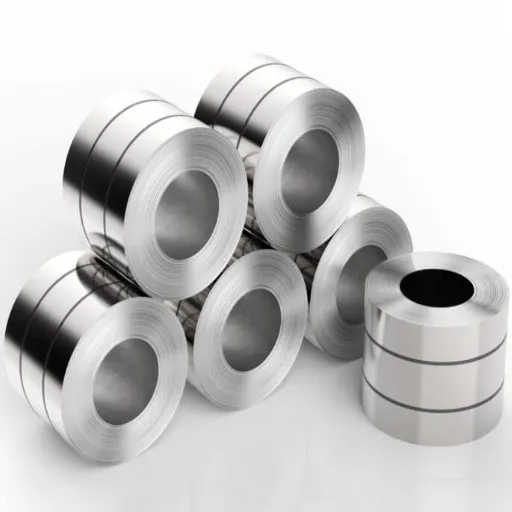
What is 316L Stainless Steel?
316L stainless steel is a low-carbon type of the 316 stainless steel alloy which has gained much fame due to its fantastic corrosion resistance and great mechanical properties. The alloy mainly consists of iron, chromium (16-18%), nickel (10-14%), and molybdenum (2-3%), while the carbon content is restricted to a maximum of 0.03%. The low carbon level minimizes the carbide formation risk during welding and as a consequence widens its use in sectors having large-scale welding or in industrial areas with heavy corrosion.
Key Insight: 316L is commonly referred to as an austenitic stainless steel, having been initially selected for its properties of resistance to pitting and crevice corrosion in chloride-rich environments, thus it is now widely used in the marine, chemical processing, and medical sectors.
Moreover, it is non-magnetic and its high-temperature stability guarantees the best performance even under unusual conditions. Combining substantial mechanical strength, superb weldability, and wear resistance, 316L stainless steel appears as the one materials and products that can fit into many different industrial applications apart from its usual sectors.
Overview of Stainless Steels
Stainless steels mark the beginning of a family of iron-based alloys including those with at least 10.5% of chrome in their formulation that results in the growth of an oxide layer on the surface and that merely slows down the corrosion and oxidation processes. The considered material is further classified into five major categories based on microstructure: austenitic, ferritic, martensitic, duplex, and precipitation-hardening stainless steels. These categories are characterized by certain traits that have been acquired through industrial applications specifically created for them.
Austenitic Stainless Steels
The austenitic stainless steel grades, mainly 304 and 316, which together account for the highest part of the global production of stainless steel, are often described as the best of all the grades of stainless steel due to their remarkable features, such as good corrosion resistance, ductility, and weldability. They are widely used in the above-mentioned applications, besides others such as water processing, food production, and high-tech architecture, due to their non-magnetic nature and ability to hold strength both at elevated and cryogenic temperatures.
Ferritic Stainless Steels
Ferritic steels show they are moderately corrosion resistant but they are known for their low cost and easy handling. The main areas of application are car exhaust systems and household appliances. On the other hand, they have lower performance at high temperatures compared to austenitic steels and thus, their use in harsh conditions is limited.
Martensitic Stainless Steels
On account of the high carbon content, martensitic stainless steels exhibit massively superior hardness and strength as opposed to the austenitic and ferritic grades. As a result, they are utilized in cutting, surgical instruments, and turbine blades, among others. Still, their corrosion resistance is generally below that of austenitic and ferritic grades.
Duplex Stainless Steels
Duplex grades such as 2205 made up of austenite and ferrite microstructures simultaneously take the best of all three properties, i.e., strength, resistance to corrosion, and resistance to stress corrosion cracking (SCC). The enhancement of their mechanical properties makes them suitable for the oil & gas, marine, and petrochemical industries.
Precipitation-Hardening Stainless Steels
The heat treatment process has patented the major ups and downs of steel class in terms of mechanical properties. Steel alloys for aerospace, military, and high-performance engineering applications with the highest strength-to-weight ratio concerns are the primary places where these types of alloys can be found.
Deciding on a type of stainless steel for a certain application has to consider very carefully environmental factors like temperature ranges, mechanical stresses, and material costs as well. Advances in material science and computer-based modeling are making it easier to create new customized stainless steel alloys that will meet the specific industrial requirements with better precision and efficiency.
Importance of 316L Stainless Steel Coil in Industry
Due to its properties of high corrosion resistance, good mechanical properties, and good welding ability, 316L stainless steel coil is considered as a basic material in many different industrial applications. Recent data and studies point out that its usage is widespread over the industries of chemical processing, pharmaceuticals, marine engineering, and food production. Thanks to the presence of molybdenum in its alloy, the material possesses a much greater resistance to pitting and crevice corrosion induced by chlorides hence, it becomes effective in water or very polluted chemical areas. On the other hand, the reduced carbon in 316L results in the absence of precipitation of carbides during welding which is an important factor that guarantees structural integrity during mounting in the demanding installation processes.
Industry Note: Although costlier than other grades of stainless steel, 316L continues to be the material of choice for its excellent durability, cost-effectiveness, and compliance with stringent industrial standards. The growing interest in this steel grade, as revealed by search queries, is reflected in the trend of using it for pressure vessels, heat exchangers, and medical device manufacturing, wherever performance under extreme conditions is the main requirement.
Properties of 316L Stainless Steel Coil
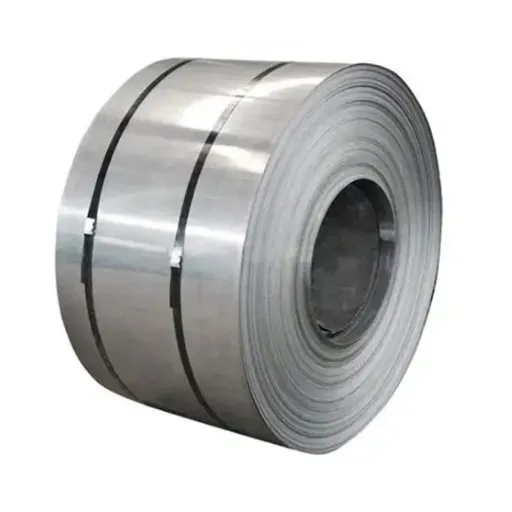
Chemical Composition of 316L
316L stainless steel is identified as an austenitic chromium-nickel stainless steel with molybdenum, which gives it remarkable corrosion resistance, especially against chlorides and other industrial environments that are likely to experience pitting and crevice corrosion. The composition of 316L mainly consists of the following elements in their weight percentages:
The latest data on search trends indicates that the number of queries concerning the chemical makeup and uses of 316L stainless steel has been continuously increasing for five years now. The material’s versatility and excellent performance in the pharmaceutical, marine, and chemical processing industries, where the need for toughness and resistance to harsh conditions is inevitable, have matched the increased interest. Users are rather frequently searching for the facts about the alloy’s carbon content that is less than or equal to 0.03%, which not only prevents carbide forming during welding but also greatly enhances the alloy’s resistance to intergranular corrosion. These properties certainly provide the answer to the question of why 316L is still a worldwide preference for material in the most demanding and critical applications.
Mechanical Properties of 316L Stainless Steel
316L stainless steel exhibits a special mixture of endurance, flexibility, and hardness which are the main reasons for its popularity in different difficult and various applications. It is safe to say that, in most cases, its tensile strength ranges from 485 to 620 MPa and the yield strength is about 170 MPa, which is very telling of the metal’s capability to endure a lot of stress without being changed in shape permanently. In addition to that, the elongation of 316L is in the range of 40-50%, indicating that it can be stretched almost to the limit without the slightest crack.
Key Mechanical Properties Summary
- Tensile Strength: 485-620 MPa
- Yield Strength: ~170 MPa
- Elongation: 40-50%
- Brinell Hardness: ~217 HB
- Elastic Modulus: ~193 GPa
- Melting Point: 1,375°C – 1,400°C
The material is one of the toughest and hardest with a Brinell hardness of around 217 HB. Its yield strength is estimated to be about 193 GPa, which means that it is very much able to resist elastic deformation under stress. Moreover, 316L can be regarded as a material of wide temperature range, its melting point being 1,375°C to 1,400°C, hence, its use will be possible in high-temperature areas. The combination of these features along with the superb corrosion resistance of 316L leads to the fact that it turns to be the most favored alloy in critical applications of aerospace, medical, and industrial manufacturing sectors.
Comparison with Other Stainless Steels
By comparing 316L stainless steel with other stainless steel grades, some points appear that display its advantage in particular applications. A primary stainless steel grade, 304, a very popular grade among others, has the advantage of having an excellent corrosion resistance in mild environments and being cheaper than 316L. Still, under highly corrosive conditions, for instance, exposure to chloride ions, 316L will prevail over 304 due to its high molybdenum content, which considerably improves resistance to pitting and crevice corrosion.
Moreover, when compared to 316 stainless steel, 316L contains less carbon which minimizes the risk of carbide precipitation in welding. This characteristic of 316L makes it suitable for welded joints of superior quality because it prevents the intergranular corrosion which is frequently associated with standard 316.
A different captivating comparison is with 430 stainless steel, which is frequently utilized for decorative applications. Though 430 is less expensive and gives more than enough resistance against rust in environments that are not severe, it still lacks the advantages of 316L in toughness, ductility, versatility, and so on, especially in the case of demanding industrial applications or aggressive environments.
To sum up, the choice of stainless steel grade is still influenced by factors like the particular environmental circumstances, mechanical needs, and the cost of the application. However, the mix of wonderful corrosion resistance, terrific weldability, and strength assures that 316L remains the best option even in the toughest operating conditions.
Manufacturing Processes
Flat Rolled Products and Their Applications
Generally known as flat rolled products, sheets, strips, coils, and plates are the most versatile and efficient materials and have conquered several industries due to these factors along their precision and the user-friendly, cost-effective manufacturing processes. The hot rolling process and cold rolling process particularly produce these mentioned products. The nature of hot rolled flat products being able to take on high stress and their low cost make them suitable for uses in structural components, automotive frames, and heavy machinery. In contrast, cold rolled versions are defined by their excellent surface quality, narrow tolerances, and improved mechanical properties, thus becoming perfect for such areas as precision engineering, appliances, and consumer electronics.
Recent Industry Trends
Recently, the search engine data trending pattern shows the flat rolled products demand has significantly increased in the recent past, mainly through the consumption of these materials in the production of electric vehicles (EVs) and renewable energy areas. Flat rolled stainless steel is the main material in the solar panel frameworks and battery enclosures for EVs due to its resistance to rust and long life. Besides that, the rolling process has a wide range of applications including aerospace and medical devices through the use of inline and controlled rolling technologies in the development of specialized alloys for critical applications. This technological advancement also reminds us of the critical role flat rolled products play in modern industry, which constantly changes its requirements, thus their being a backbone material in many industries with varied technical and commercial fields.
Coiling and Slitting Techniques
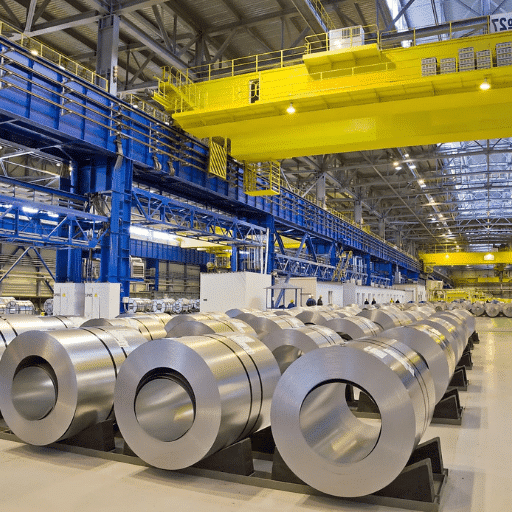
Coiling and slitting are the main techniques for the conversion of the flat rolled production process and they get rid of various practices, such as stocking and dealing with metals helping to cut to the exact measure. In the coiling process, the flat rolled material is wound into rolls of the same size under very controlled conditions to maintain the tension that is uniform and prevents the collapse of the product during shipment and storage. The process of slitting, on the other hand, divides wide rolls into narrower strips with the help of precision cutting tools, thus, making it possible to have the width as per the requirement of the end-use application.
Recent Innovations in Coiling and Slitting
- Automated Tension Control Systems: High-tech sensors and machine-learning algorithms ensure evenness of pressure in coils, eliminating defects like telescoping and edge damage.
- High-Speed Slitting Lines: Coupled with laser-guided measuring systems, these produce superior edge quality and narrower width tolerances.
- Data Analytics Integration: Real-time monitoring tools optimize performance and maintain consistent material output.
- Improved Accuracy: Modern techniques minimize material wastage while increasing overall productivity.
These innovations indicate that coiling and slitting techniques persistently modify themselves in line with modern-day industrial needs and remain the ones to offer the highest efficiency and quality in the flat rolled product range. The use of data analytics and monitoring tools has further simplified these processes making it possible to get the best performance at the same time having consistent material output, which marks their position of importance in the industry among the manufacturing value chain.
Quality Control in Production
Quality control (QC) in production is a critical factor that assures the conformity of the manufactured items to the predefined standards and specifications. Besides, the use of monitoring systems in real-time and automated testing mechanisms as technological solutions make the manufacturers defect-free and at the same time very efficient. The present-day manufacturing insights and trends indicate a trend of tacit acceptance and encouragement towards the application of artificial intelligence and machine learning in the training of QC employees. These technologies, in turn, enable the development of predictive quality analytics where the data produced during the process can be analyzed for possible issues even before they occur.
Quality Control Best Practices: Moreover, manufacturers having systems for traceability today consider them indispensable since they can keep an eye on the entire production process right from the sourcing of raw materials to the final assembly. These kinds of advancements not only help in the compliance with regulations but also in meeting the customers’ requirements and in getting the quality spotlight in the industry thereby establishing the supremacy of quality control as the backbone of modern production systems.
Applications of 316L Stainless Steel Coil
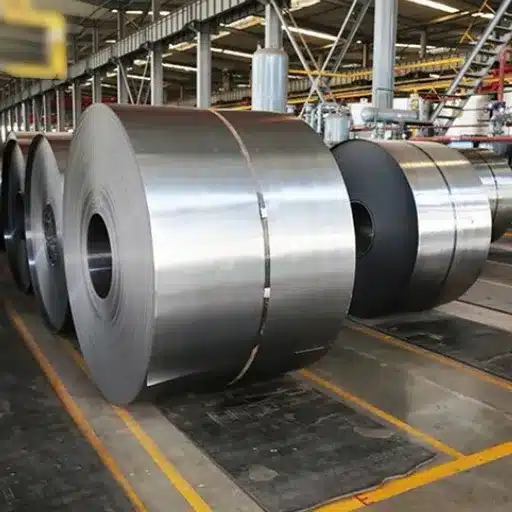
Industrial Uses of 316L Stainless Steel Coil
In the industrial sector, the use of 316L stainless steel coils is quite prevalent due to their outstanding attributes, such as the ability to withstand corrosion, durability, and high-temperature resistance. Their application in chemical processing industries is due to the presence of molybdenum in the steel which gives it a higher resistance to pitting and crevice corrosion caused by chlorides, etc. Hence, the alloy is used for producing tanks, pipelines, and heat exchangers that deal with aggressive chemicals.
Key Industrial Applications
- Chemical Processing: Tanks, pipelines, and heat exchangers for handling harsh chemicals
- Marine Industry: Shipbuilding, offshore platforms, and marine fittings resistant to saltwater corrosion
- Pharmaceutical & Food Sectors: Processing equipment, storage tanks, and piping systems requiring sterile environments
- Power Generation: High-pressure components capable of withstanding extreme conditions
- Aerospace: Turbine blades and exhaust manifolds resistant to mechanical and thermal stresses
Besides that, the marine industry also utilizes coils made of stainless steel 316L to a great extent because of their resistance to corrosion caused by saltwater. The material is used in shipbuilding, offshore platforms and marine fittings to provide durability and integrity even in harsh marine conditions.
Moreover, a very important use is in the pharmaceutical and food sectors that need non-toxic and sanitary materials in line with very strict health and safety regulations. Stainless steel 316L is regularly used in the production of equipment for processing, storage tanks and piping systems that require sterile, no contamination environments.
Moreover, the alloy’s ability to be welded and endure fatigue has made it the first choice for power generation and the aerospace industry. The material is used in making high-pressure parts, turbine blades, and exhaust manifolds that can withstand extreme mechanical and thermal stresses. This flexibility enshrines 316L stainless steel coils in the list of the most important materials for all the modern industrial applications.
Applications in Marine Environments
The 316L stainless steel coil is widely applied in marine environments, as it possesses extraordinary resistance towards chloride-induced corrosion, which is generally the main problem arising from seawater and salt. The material’s content of molybdenum is a major factor that leads to the significantly enhanced pitting and crevice corrosion resistance, thus guaranteeing long-term durability, structural integrity even at the submerged spot, or in the splash zone applications.
Marine Applications Overview
The latest report indicates a constant demand for corrosion-resistant materials in maritime applications, and the area of ship hulls and offshore platforms construction along with desalination plants is the most sensitive one. Additionally, the very low carbon content of the alloy substantially lowers the risk of sensitization and keeps the mechanical performance going very well over the years.
Hence, the 316L stainless steel coil becomes an irreplaceable material for marine-grade fasteners, piping systems and anchoring components, where both strength and longevity are critical.
Use in Food and Pharmaceutical Industries
The 316L stainless steel coil is not only the most expensive but also the most sought-after material in the food and pharma industries because of its extraordinary resistance to corrosion as well as its cleanliness. The steel’s low carbon content eliminates the possibility of the consumer or medicine getting contaminated so it can be used in directly contact applications. A few of the main applications for 316L stainless steel coils are food processing machines, tanks for storage, piping for liquids, and equipment for sterilization. The non-reactive nature of stainless steel 316L guarantees that the end products are not going to be affected by harmful substances or changes in their composition. This is a critical factor for complying with very strict regulatory standards such as the FDA and EU guidelines.
Industry Insight: Recent search trends and data from search engines indicate a considerable increase in the interest around “316L stainless steel for bioreactors” and “food-grade stainless steel durability”. This shows that this material is becoming more and more relied upon for cutting-edge biopharmaceutical applications such as fermentation tanks while its robustness in high-demand food manufacturing environments is being recognized too. Industry experts choose steel 316L because it is durable enough to go through the sanitization process many times, get exposed to harsh chemicals, and endure extreme temperature changes, hence the material is a must-have for maintaining operational efficiency and safety in the industry.
Market Trends and Forecasts
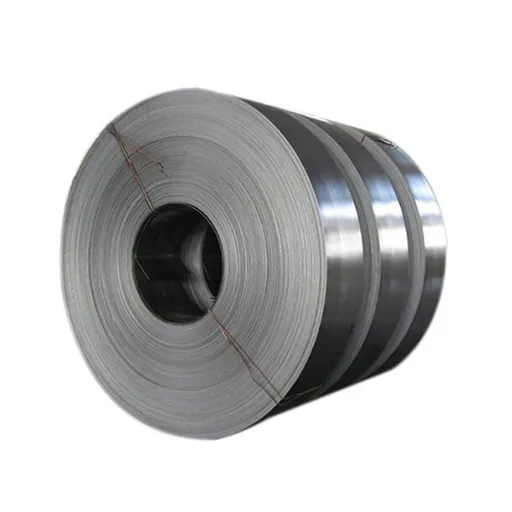
Current Demand for 316L Stainless Steel Coil
With its outstanding resistance to corrosion and heat, the 316L stainless steel coil continues to be in demand across various industries and this demand is still strong. The search data and market analysis indicate that the industry sectors such as biopharmaceuticals, food processing, and chemical manufacturing continuously push the demand for this stainless steel to substantial amounts and in most cases to the applications where sanitation, chemical exposure, and operational efficiency are key.
Market Demand Drivers
- ✓ Biopharmaceutical industry growth
- ✓ Food processing equipment modernization
- ✓ Chemical manufacturing expansion
- ✓ Enhanced regulatory standards
- ✓ Global infrastructure development
In addition, supply chain information regarding 316L stainless steel has seen a remarkable increase in searches, which is a reflection of enhanced procurement activity and the growing interest in the material as manufacturers adapt to higher regulatory and performance standards. This demand is also supported by the development of infrastructure worldwide and the shift of manufacturers towards high-quality, durable products.
Impact of the Global Economy on the Stainless Steel Market
The global economy has an impact on the stainless steel market that cannot be ignored, which influences both sides of the market. The adjustments in search patterns indicate that among the most sought-after stainless steel grades is 316L, as well as frequent inquiries on price levels for the same. The infrastructure projects all over the world that rejuvenated by the pandemic, coupled with the green materials and the sustainability norms, can be said to be the main contributors to this price increase.
Economic Factors Affecting the Market
- Inflation: Increases production costs and affects pricing strategies
- Currency Fluctuations: Impact international trade and competitiveness
- Trade Policies: Tariffs and export restrictions limit goods movement
- Energy Prices: Rising energy costs increase manufacturing expenses
- Sustainability Requirements: Drive demand for green materials and eco-friendly production
Also, economic factors such as inflation, currency changes, and trade laws play an important role in the decision making of the stainless steel market’s toughness. The first thing that comes to mind is energy cost hikes, which in turn, lead to increased production costs, and on the other hand, import duties and export limits are like colossal obstacles in the path of goods movement across the globe. A strong demand coming from the industry and the uncertainties of the economy coexisting pulls the manufacturers to be extremely flexible and use elegant procurement strategies as the only means to stay in the market. The future scenario shows that the monitoring of economic indicators would be essential and the using of current market data for the formation of the strategic decisions in the stainless steel industry will be inevitable.
Future Trends in Stainless Steel Coil Production
In the near future, the production of stainless steel coils will be fully dominated by the use of most sophisticated automation systems and digital technologies. The rim of the industry revolution has specifically been very much directed at the use of AI techniques for smart machines, interlinked supply chains, and huge data analytics. Robots will be hugely employed in the whole manufacturing process which would mean that there would be completely accurate handling and hence, wastage of materials would be very low. Furthermore, the adoption of AI and ML technologies would facilitate timely investigations of production efficiency and the swift identification of bottlenecks.
Emerging Production Trends
- Industry 4.0 Integration: Smart machines and interconnected supply chains for optimal efficiency
- Advanced Robotics: Precise material handling and reduced waste through automation
- AI & Machine Learning: Real-time production monitoring and bottleneck detection
- Sustainable Manufacturing: Energy-efficient practices and increased use of recycled materials
- Flexible Production Methods: Digital simulation and smart design tools for specialized applications
Search trends show that the interest in sustainable manufacturing methods is on the rise thus indicating a gradual transition to eco-friendly practices. This encompasses the incorporation of energy-efficient practices and the utilization of a larger proportion of recycled materials to satisfy rigorous environmental restrictions. In addition, the production of special stainless steel coils aimed at particular industrial applications is forcing the manufacturers to take up flexible production methods backed by digital simulation and smart design tools. All these advancements point towards the fact that being adaptive and innovative will be the main criteria for success in this changing sector.
Frequently Asked Questions (FAQ)
Reference Sources
- 📄
Modification of stainless-steel surfaces for advanced functionalities
Georgia Tech Repository – This paper discusses the properties and applications of 316L stainless steel, focusing on its advanced functionalities. - 📄
Diffusion Bonding of 316L Stainless Steel Tube-to-Tube Sheet Joints for Coil Tube Gas Heaters
University of California, Berkeley Digital Collections – This study explores the diffusion bonding techniques for 316L stainless steel in coil tube gas heaters. - 📄
Fabrication and Characterization of Porous 316L Stainless Steel Using Selective Laser Melting Technique for Biomedical Applications
Texas A&M University Repository – This research focuses on the use of 316L stainless steel in biomedical applications, particularly its fabrication and characterization.