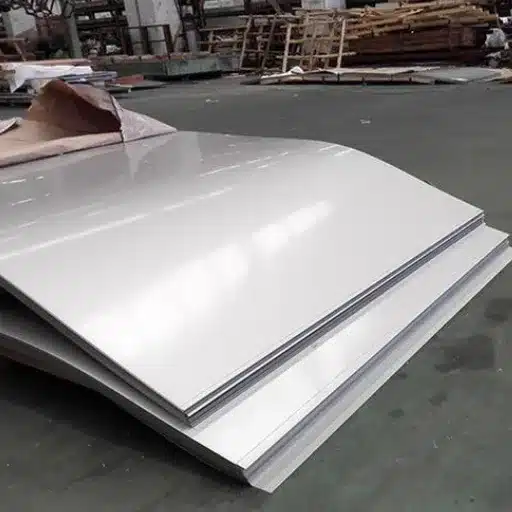
In industrial and commercial applications, 304L stainless steel sheets are among the most preferable materials because of their high durability, corrosion resistance, and wide application. Among the factors that influence purchasing decisions, price comes to the forefront. Understanding what affects the pricing of 304L stainless steel sheets can aid buyers in making choices that ensure both quality and cost-effectiveness. This article will discuss the primary factors that affect the price of this material from the cost of raw materials and manufacturing processes to market demand and global trends. By the end of the article, you will be more knowledgeable about the reasons for price fluctuation and how to approach purchasing confidently.
Understanding 304L Stainless Steel
What Exactly is 304L Stainless Steel?
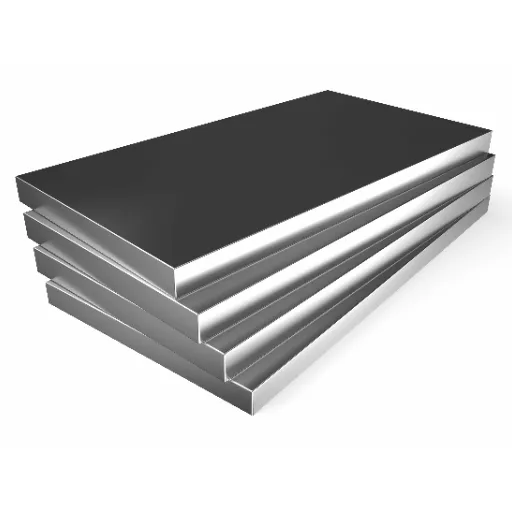
304L Stainless Steel is a low-carbon version of the basic 304 grade and has excellent properties such as resistance to corrosion, durability, and weldability. The letter “L” in the grade 304L denotes “low carbon,” which helps in reducing the possibility of carbide precipitation during welding. Thus it can be used for applications where the integrity of the weld is very important. 304L opens up vast application areas primarily due to its strong antioxidant characteristics along with its compatibility with diverse manufacturing processes, hence achieving both longevity and versatility.
The Main Characteristics of 304L Stainless Steel
🛡️Corrosion Resistance
Highly resistant to corrosion in various environments. Low carbon content reduces carbide precipitation, making it ideal for welding and corrosive areas.
💪Strength and Durability
Maintains the same tensile strength and durability as 304 Stainless Steel despite lower carbon content, effective where structural reliability is critical.
⚡Weldability
Extraordinary weldability with easy welding and no post-weld annealing required, making it suitable for construction and industrial usages.
🔥Oxidation Resistance
Withstands continuous service at 870°C and occasional service at 925°C before oxidation occurs, ensuring long-lasting performance in high-temperature environments.
🔧Versatility in Applications
Compatible with bending, forming, and machining processes, enabling use in food processing, chemical processing, architecture, and medical tools.
💰Cost-Effectiveness
Preferred by manufacturers due to availability, easy processing, and excellent performance-to-price balance according to latest industry data.
ASTM Specifications for 304L Stainless Steel Plate
304L Stainless Steel plate is produced according to ASTM specifications, which means strict compliance with ASTM standards at all times, ensuring high quality and versatility in performance across different applications. The raw material has been specified in ASTM A240/A240M as a chromium-nickel austenitic alloy with a carbon content less than that of 304 stainless steel grade. Its full range of applications includes welding where the risk of intergranular corrosion is already low.
📋 ASTM A240 Requirements
These properties together with superb resistance to corrosion make 304L stainless steel the preferred choice of industries ranging from construction to pharmaceuticals.
Factors Influencing 304L Stainless Steel Sheet Price
Material Quality and Composition
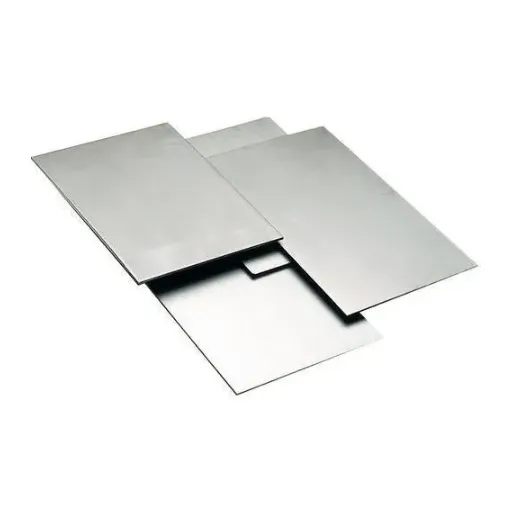
The material quality and composition of 304L stainless steel sheets considerably influence the price. Very high-quality sheets with strictly controlled quantities of manganese and nickel demonstrate excellent characteristics in corrosion resistance and mechanical properties. Controlled levels of elements can make a difference in production costs, and higher prices reflect this precision.
🔬 Quality Factors Affecting Price
- Precise Element Control: Exact quantities of manganese and nickel ensure optimal corrosion resistance
- Surface Finish Technology: Ultra-smooth surfaces for industries requiring metalworking precision
- Specialized Properties: Enhanced hardness and heat resistance for aerospace and chemical processing
- Eco-Friendly Production: Green manufacturing techniques increasing demand but affecting cost structure
Current market data from search engine trends points out that concern for sheets made using eco-friendly techniques is increasing. Greener production methods may be more expensive initially, influencing the price structure as manufacturers adopt cost-effective but environmentally conscious technologies.
Market Demand and Supply Dynamics
When the latest data from search engines is combined with current information, it becomes clear that the market for stainless steel sheets is driven to a great extent by demand for sustainability and precision applications. The interest in green production techniques has led to new avenues for manufacturers’ innovation, thus moving closer to global sustainability objectives. However, the supply side has been affected, as producers must balance the costs of adopting new technologies with increasing demand.
📊 Market Dynamics Analysis
The question of whether the industry can make the necessary transition to greener practices without compromising affordability arises. Current developments suggest that:
- Short-term: Pricing may be impacted as manufacturers invest in sustainable technologies
- Long-term: Skilled manufacturing and broad application of sustainable practices will lead to cost-neutral situations
- Future Outlook: Eco-friendly stainless steel sheets will become reasonably priced across industries
Geographical Variations in Pricing
The differences in pricing of stainless steel sheets from one region to another are remarkable and can be attributed to contrasts in the availability of raw materials, labor costs, and local market demands. For example, countries that are rich in nickel or chromium, which are key elements in making stainless steel, will normally have lower material costs than places that get their supplies through imports.
Search engine results indicate that demand for sheets is mainly in industrial areas of East Asia and the European Continent, portraying relative price trends. This means that price is heavily affected by local economic conditions and infrastructure development. While affordability remains a concern, the use of regional resources and global supply chains can facilitate balanced pricing gradually.
Common Applications of 304L Stainless Steel Sheets
Industrial Applications
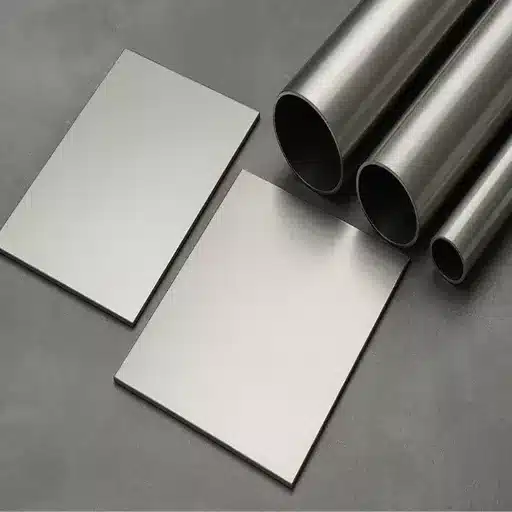
304L stainless steel sheets are used in a variety of industries owing to their excellent resistance to corrosion, high strength, and adaptability. Chemical processing equipment is perhaps the most important industrial application of this material, for which resistance to acids makes it perfect for tanks, pipes, and heat exchangers. Besides, 304L stainless steel is extensively used in the food and beverage sector as its safe and clean properties fulfill the hygiene requirement for equipment and surfaces.
Chemical Processing
Tanks, pipes, and heat exchangers requiring acid resistance
Food & Beverage
Equipment and surfaces requiring hygiene standards
Construction
Cladding and structural reinforcements for infrastructure
Pharmaceuticals
Durable, low-maintenance tools and machinery
Energy Sector
Equipment requiring reliability and longevity
📈 Market Trend Insight
Latest search engine data indicates that searches for “304L stainless steel uses in construction” and “best material for chemical processing” have significantly increased, signaling growing interest in the alloy for these sectors. This trend aligns with infrastructure development and demand for materials that are long-lasting and reliable.
Commercial Uses
304L stainless steel sheets are demanded in various commercial industries as indicated by recent search trends. The material’s versatility allows it to be used in making sinks, countertops, and cookware which, due to corrosion resistance and cleanliness, are ideal kitchen appliances. Moreover, it contributes greatly to the auto and transport sector through exhaust system and structural parts manufacturing.
🏪 Key Commercial Applications
- 🍴
Kitchen Equipment: Sinks, countertops, and cookware benefiting from corrosion resistance - 🚗
Automotive: Exhaust systems and structural components - 🏢
Architectural: Cladding and structural reinforcements for aesthetic appeal
Data highlights an increase in 304L stainless steel construction-related searches, emphasizing growing demand for materials that provide high durability and aesthetic appeal, confirming its continued significance in modern commercial applications.
Advantages of Using 304L Stainless Steel in Various Sectors
304L stainless steel maintains its position among various industries because of the great combination of properties it offers, and current data trends from search engines prove its increasing significance. The standout feature is its remarkable durability against corrosion, which is the main reason for its wide use in applications that are mostly outdoors, such as marine, chemical, and industrial environments.
✨ Key Advantages Summary
⚡
Superior Weldability
♻️
Recyclable Material
💎
Attractive Appearance
🌍
Eco-Friendly Choice
These combined qualities, along with cost-efficiency and positive environmental impact, make 304L stainless steel a flexible and sought-after material in today’s industries.
Buying Tips for 304L Stainless Steel Sheets
How to Compare Suppliers Effectively
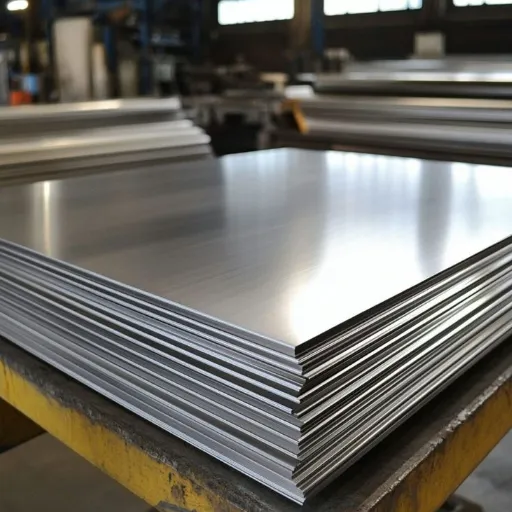
Several key factors must be evaluated when comparing suppliers for 304L stainless steel sheets to ensure you choose a trustworthy and dependable partner. First, the supplier’s reputation should be evaluated by checking customer feedback, industry certifications, and online reviews. Additionally, do not forget that online forums can offer a reliable and unbiased approach by showing ratings and experiences shared by others.
✅ Supplier Evaluation Checklist
- Reputation Assessment: Check customer feedback, industry certifications, and online reviews
- Product Quality Analysis: Examine material specifications and industry compliance
- Price Structure Comparison: Watch for hidden costs like shipping or minimum order quantities
- Stock and Delivery: Select suppliers capable of meeting deadlines without compromising quality
- Sustainability and Support: Consider green practices and after-sales service for long-term partnerships
Take advantage of search tools that can assist you in locating the best prices from different suppliers while ensuring quality standards are met.
Identifying Cost-Saving Opportunities
For discovering cost-saving opportunities, using the most current data from search engines to carry out a detailed market analysis can really help. Make a start by finding out prices from several suppliers in your industry to ensure you get the best rates. Search trends can point out seasonal price changes or sales, giving you the opportunity to plan your purchases when prices are at their lowest.
💡 Market Analysis
Compare prices from multiple suppliers to identify the best rates in your industry
📅 Seasonal Planning
Monitor search trends to identify price changes and sales opportunities
📦 Volume Discounts
Discover bulk order discounts and negotiate with suppliers for cost reductions
Using market insights together with proper planning can result in considerable improvement in your procurement efficiency and financial gains.
Ensuring the Best Value for Your Investment
It is advisable to combine the latest data from search engines with strategic decision-making to get the best value for your investment. How can you ensure you are getting the best value? Begin by searching for trends and analyzing competitors’ moves to find out where the market is at price-wise and what the benchmarks are.
🎯 Value Maximization Strategy
- Trend Analysis: Use search tools like Trends and Shopping Insights to discover consumer demand shifts
- Future Scenarios: Get a glimpse of upcoming market conditions and plan accordingly
- Business Alignment: Merge data with firm comprehension of business aims and constraints
- ROI Focus: Make enlightened decisions that yield maximum ROI with minimum avoidable costs
Frequently Asked Questions
❓ What factors affect the 304 stainless steel sheet price and where can I buy stainless?
The 304L stainless steel sheet price is shaped by costs of raw materials, market demand, and processing that includes cutting to size or precision fabrication. Among suppliers, MetalsDepot® and various other distributors usually announce the stock sizes they have available for delivery everywhere, which also plays a role in total cost affected by shipping and handling. Buy stainless from vendors known to be good to ensure certification and traceability, especially for applications needing welding or sanitary dairy use. It is usual to offer volume discounts when buying wider sheets or standard sizes such as 4ft x 8ft or 4ft x 4ft. For small projects, suppliers might provide 1ft x 4ft or 2ft x 4ft pieces at different prices due to handling and processing fees.
❓ How does stainless plate thickness and available stock sizes influence price for a 304 stainless plate?
Thickness and available stock sizes have a great impact on the price of 304 stainless plate since thicker plates require larger quantities of metal and may be subject to more machining or heat treatment. Stock sizes of 2ft x 2ft, 2ft x 4ft, and 4ft x 8ft are common and reduce waste significantly, thus lowering per-unit cost compared with custom widths that must be cut to size. Fabrication processes like precision cutting and finishing are expensive but increase fit for architectural trim or back splashes. You will have to pay extra documentation fees if you need material certified to ASTM A240, which can affect the final quote. For hospital equipment or marine hardware projects, the right stock and thickness choice will help both performance and cost-effectiveness.
❓ Can suppliers certify 304L to ASTM A240 and how does certification affect pricing?
Suppliers who certify their products to ASTM A240 offer material test reports that confirm the chemical composition and mechanical properties of the material, which is required for regulated uses such as sanitary dairy or hospital equipment. Certification generally causes a slight increase in price due to testing, documentation, and quality control necessary to ascertain the 18-8 composition and good corrosion resistance. Buyers who need certified material should request test reports in advance, especially in applications where welding is involved or if strength and corrosion resistance are critical. Certification is also beneficial for precision component fabrication or when heat treatment records need to be traced for traceability purposes. While certification increases costs, it lowers risk and can make regulatory compliance easier for commercial or industrial projects.
❓ What are the benefits of using T304 stainless sheet for fabrication and architecture projects?
T304 stainless sheet, which is good and easy to work with, offers excellent corrosion resistance and is a popular and economical choice for architectural trim, back splashes, and marine hardware. It is easy to fabricate, can be formed, welded, and polished, and is often available in a wide selection of stock sizes for quick delivery. Although not heat treatable to increase strength, its strength and corrosion resistance are sufficient for most applications requiring welding and sanitation. T304 stainless may become slightly magnetic after cold working, which should be considered in precision applications where magnetic properties matter. Suppliers typically have standard widths in stock and can cut to the size needed for installation or handling and processing needs.
❓ Can 304 stainless steel plate be used in marine or food industry applications, and how is that connected to price?
304 stainless steel plate is very well suited for a variety of marine hardware and food-industry applications due to its good corrosion resistance, ease of fabrication, and sanitary properties for dairy and hospital equipment. In the case of marine projects in very tough environments or exposure to high salinity, higher-alloy grades may be preferred, which will cost more than 304. The use of 304 in food-handling and processing equipment often involves polishing and certification, thus price can increase, but it ensures sanitary compliance. The material’s 18-8 composition and popularity make it a cost-effective option for architectural trims and back splashes where cleanliness and appearance are important. If you require guaranteed properties or extra testing, do not forget to include the costs of certification and handling in your procurement budget.
Reference Sources
- Stanford University – Specialty Stainless Sheet & Strip Price Book:
Provides detailed pricing information for stainless steel sheets, including 304L grade, with cost breakdowns for different sizes and skids. Specialty Stainless Sheet & Strip Price Book – Stanford University - University of Virginia – Product Guides for Stainless Steel:
Includes information on tolerances, sizes, and pricing for stainless steel sheets, including 304L grade, in various dimensions. Product Guides for Stainless Steel – University of Virginia - University of North Texas – Corrosive Behavior of 304 and 304L Stainless Steel:
While focused on corrosion behavior, this paper provides insights into the properties and applications of 304L stainless steel, which can indirectly inform pricing considerations. Corrosive Behavior of 304 and 304L Stainless Steel – UNT