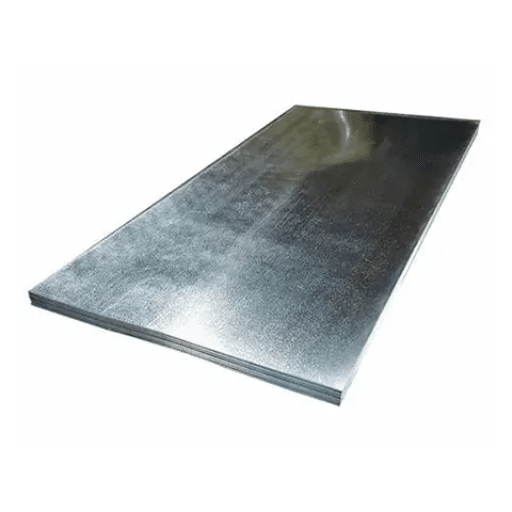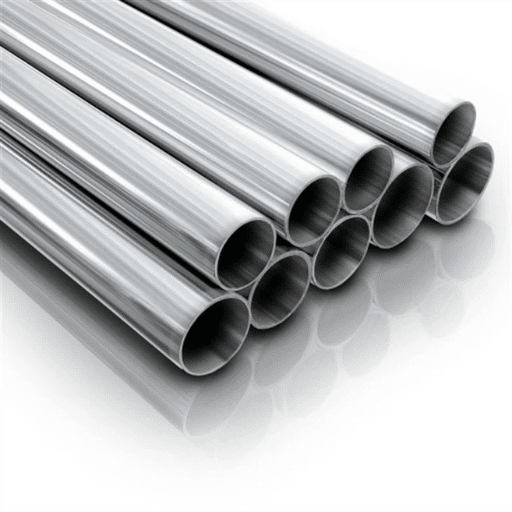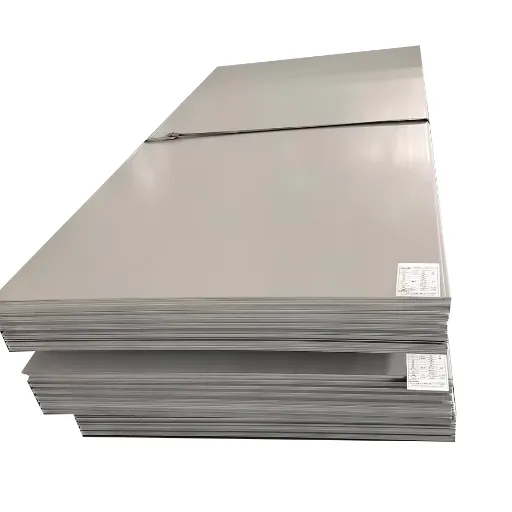
The choice of materials in construction, manufacturing, or design projects often leads to 304 stainless steel sheets being considered because of their remarkable durability, resistance to corrosion, and attractive appearance. However, understanding the pricing of this widely used material requires careful attention to market trends, supply chain issues, and varying quality standards. This comprehensive guide examines the major price determinants for 304 stainless steel sheets and explains how global consumption, specifications, and industry trends affect pricing decisions.
Who This Guide Is For: Whether you are a project manager, procurement specialist, buyer, or simply interested in the steel market, this guide provides clarity and actionable insights to help you make informed purchasing decisions.
Introduction to 304 Stainless Steel Sheets
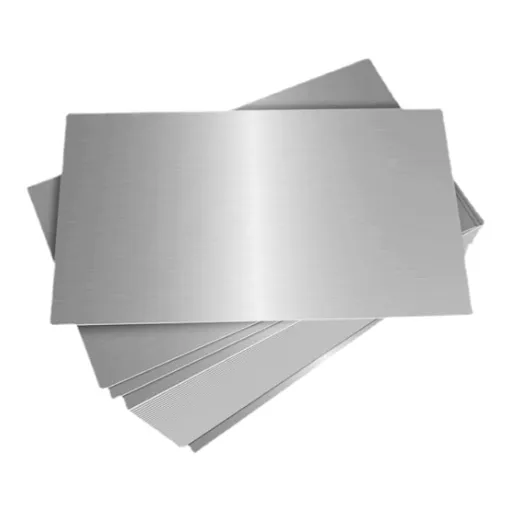
Composition and Properties
304 stainless steel is a metal alloy that consists primarily of iron, enhanced with chromium (18-20%) and nickel (8-10.5%), which provide exceptional resistance to corrosion and oxidation. Beyond these main elements, it contains small quantities of carbon, manganese, silicon, and trace elements such as phosphorus and sulfur. These components work synergistically to give 304 stainless steel its outstanding durability, formability, and ability to withstand extreme environmental conditions.
Key Compositional Elements:
| Element | Percentage Range | Primary Function |
|---|---|---|
| Chromium | 18-20% | Corrosion and oxidation resistance |
| Nickel | 8-10.5% | Formability and corrosion resistance |
| Carbon | Trace amounts | Strength enhancement |
| Manganese | Trace amounts | Structural stability |
The chemical composition of 304 stainless steel ensures exceptional versatility, making it indispensable in applications requiring robust, long-lasting materials with excellent resistance to rust and chemical exposure. Its non-magnetic properties, excellent manufacturing characteristics, and reliable performance across diverse applications—from construction to food processing and medical devices—have solidified its position as one of the most commonly used stainless steel grades worldwide.
Common Applications Across Industries
304 stainless steel has earned its reputation as a widely used material thanks to properties like durability, corrosion resistance, and remarkable versatility. This steel grade finds applications across numerous sectors, each taking advantage of its unique characteristics.
🍽️ Food & Beverage Industry
Utensils, cookware, and process storage tanks benefit from 304’s resistance to acids and alkalis, plus its ability to withstand regular cleaning without degradation.
⚕️ Medical Sector
Surgical instruments and implants utilize 304’s non-reactive and biocompatible properties, ensuring patient safety and longevity.
🏗️ Construction Industry
Architectural components, roofing, and structural elements that must endure harsh conditions and chemical exposure over decades.
🚗 Automotive Sector
Exhaust systems and other components requiring durability under high temperatures and exposure to corrosive elements.
The extensive use of 304 stainless steel across both commercial and industrial applications testifies to its reliability and exceptional versatility, making it an essential material for modern manufacturing and construction.
Why 304 Stainless Steel is a Popular Choice
304 stainless steel continues to be the preferred choice for different industries due to its unique combination of properties and versatility. Market data consistently shows it ranks among the most sought-after types of steel, indicating strong demand and extensive usage patterns.
Top Reasons for 304’s Popularity:
- Superior Corrosion Resistance: The high chromium content creates a protective passive layer, making it ideal for environments with moisture, mild acids, and chemicals.
- Excellent Processability: Easy to fabricate, weld, and form into complex shapes without compromising structural integrity.
- Outstanding Toughness: Maintains strength and durability across a wide temperature range and various applications.
- Aesthetic Appeal: Attractive finish adds value to consumer-facing products and architectural applications.
- Cost-Effectiveness: Offers an economical balance of performance and price compared to higher-grade alloys.
These characteristics combine to uphold 304 stainless steel’s reputation as an economical and dependable material for both functional and decorative applications, spanning from kitchen appliances to medical devices, construction components, and automotive parts.
Key Features and Benefits of 304 Stainless Steel
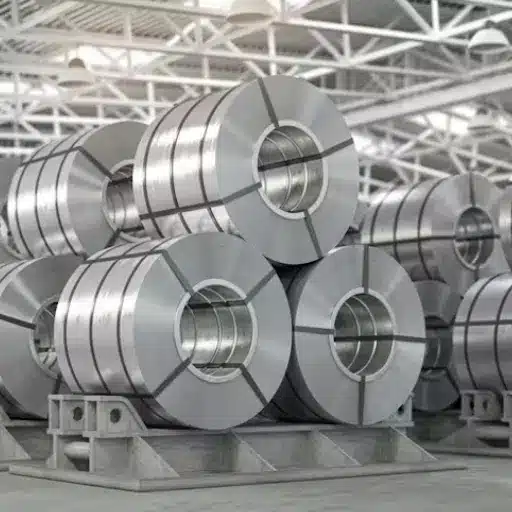
Corrosion Resistance
304 stainless steel offers exceptional corrosion resistance, which has made it the material of choice across diverse environments and applications. The high chromium content, working together with nickel, forms a protective passive layer on the surface that prevents oxidation and corrosion.
Performance in Different Environments:
| Environment Type | 304 Performance | Recommendation |
|---|---|---|
| Humidity & Mild Acids | Excellent | Ideal choice |
| Coastal/Urban Areas | Very Good | Suitable for most applications |
| High Chloride/Saline | Good (with limitations) | Consider 316 grade for severe conditions |
| Highly Acidic | Moderate | 316 grade recommended |
Recent data confirms that 304 stainless steel performs admirably in metal-degrading environments containing humidity, mild acids, and moderate chloride levels typical of coastal or urban contexts. For applications in extremely acidic or highly saline areas, grade 316 stainless steel offers enhanced resistance to pitting corrosion. The extensive range of corrosion resistance properties ensures 304 steel remains a top seller for long-term usage and durability.
Durability and Longevity
The lifespan and durability of 304 stainless steel stem from its excellent resistance to oxidation and corrosion. Market data demonstrates that 304 stainless steel is extensively used in construction, automotive industries, and kitchen accessories because of its proven capacity to endure environmental pressures over extended periods.
💡 Longevity Factors:
- Maintains structural stability over decades with proper maintenance
- Retains visual appeal throughout its service life
- Performs reliably across various applications and temperature ranges
- May require upgrade to 316 grade for extremely high temperatures or constant exposure to harsh chemicals
Versatility in Use
The versatile nature of 304 stainless steel enables its use across numerous industries, demonstrating remarkable adaptability and broad utility. From construction to automotive, medical to kitchen industries, various applications leverage its unique combination of corrosion resistance, strength, and aesthetic attractiveness.
Search trend data reveals that “stainless steel applications” remains one of the most frequently searched queries, indicating sustained widespread use and continual demand. The steady adoption of this material in both traditional and emerging sectors demonstrates its continued relevance and global appeal across diverse manufacturing and construction applications.
Current Market Trends Affecting Pricing
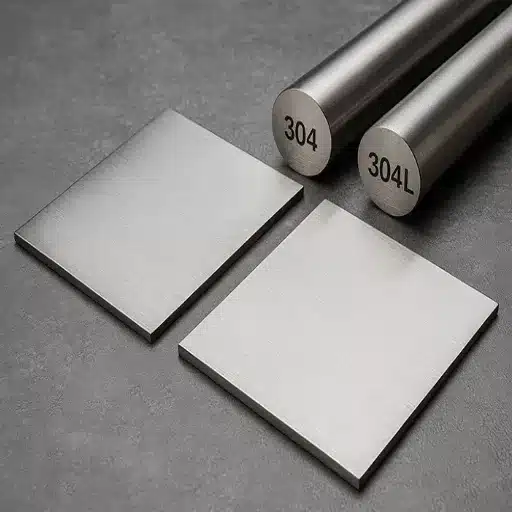
Global Demand and Supply Chain Issues
Stainless steel remains a highly sought-after material globally, primarily because of its multiple uses across industries such as construction, manufacturing, and renewable energy. However, supply chain disruptions have emerged as a significant challenge affecting availability and pricing.
Major Supply Chain Challenges:
- Labor Shortages: Manufacturing and transportation sectors face ongoing staffing challenges that impact production capacity and delivery times.
- Logistics Delays: Port congestion, container shortages, and transportation bottlenecks continue to extend lead times significantly.
- Raw Material Restrictions: Limited availability of key alloying elements affects production schedules and costs.
- Energy Costs: Fluctuating energy prices impact manufacturing expenses and overall material costs.
Recent search trend analysis shows increased frequency of queries like “stainless steel shortages” and “supply chain delays in stainless steel,” indicating heightened awareness among consumers and industries actively seeking solutions amid constrained supply chains. To overcome these difficulties, perfect balance between supply and demand requires coordinated efforts including diversifying sourcing strategies, implementing advanced manufacturing technologies, and improving logistic operations.
Raw Material Costs and Geopolitical Factors
Raw material prices have changed dramatically as a result of combined supply chain disruptions and geopolitical uncertainties. Political conflicts among major economies have triggered trade restrictions that have raised costs for essential materials including metals, energy resources, and other commodities.
⚠️ Price Impact Factors:
- Trade Restrictions: Tariffs and import/export limitations affecting raw material flow
- Currency Fluctuations: Exchange rate volatility impacting international transactions
- Energy Prices: Production costs tied to volatile energy markets
- Mining Output: Nickel and chromium availability affecting alloy production
Search activity shows increases in queries for “raw material price trends” and “geopolitical impact on resources,” indicating growing concerns about these factors among business and consumer sectors. Raw material price fluctuations call for a multi-pronged strategy encouraging international cooperation, exploring alternative materials, and investing in efficient resource management to mitigate the combined impact of these factors. This data highlights the necessity for industries to remain vigilant and adapt strategies according to the evolving global scenario.
Recent Pricing Data and Insights
Recent trend analysis reveals a notable increase in searches related to “cost reduction strategies” and “affordable product alternatives,” indicating that consumers are becoming increasingly price-sensitive due to inflation and supply constraints.
Business Response Strategies: Companies must optimize supply chains, employ data analytics for dynamic pricing strategies, and increase transparency in cost structures. The critical challenge is finding the right balance between innovation and affordability to deliver value and achieve customer satisfaction in an increasingly cost-conscious market.
Practical Buying Tips for 304 Stainless Steel Sheets
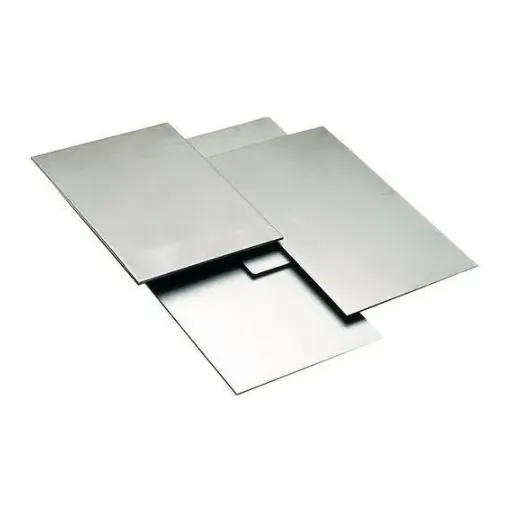
When and Where to Buy
🕐 Optimal Timing for Purchases:
The optimal buying moment for 304 stainless steel sheets typically coincides with market stability periods when prices show minimal fluctuation. Market analysis suggests demand tends to be lowest during the first quarter of the year, allowing buyers to secure more competitive pricing.
💡 Pro Tip: Monitor industry news and supply chain updates to identify favorable buying windows when production overtime or shipping costs decline.
Where to Source Your Materials:
✓ Established Suppliers
Advantages:
- Proven track record of quality
- Reliable delivery schedules
- Certified materials
- Technical support available
🌐 Online Marketplaces
Advantages:
- Wide range of suppliers
- Easy price comparison
- Convenient ordering process
- Customer reviews available
Note: Always verify supplier certifications and review ratings before purchasing.
🏪 Local Distributors
Advantages:
- Quick delivery times
- Immediate support
- Personal relationships
- Reduced shipping costs
Using both sourcing methods—online research combined with local supplier relationships—allows businesses to strike the optimal balance of cost, quality, and convenience for their specific needs.
Evaluating Suppliers and Quality
Supplier Evaluation Checklist:
| Evaluation Criteria | What to Look For | Priority Level |
|---|---|---|
| Certifications | ISO 9001, material test certificates | ● Critical |
| Reviews & Ratings | Multiple platforms, recent feedback | ● High |
| Product Range | Variety of sizes, gauges, finishes | ● Medium |
| Quality Assurance | Testing procedures, inspection reports | ● Critical |
| Delivery Timeline | Stock availability, shipping options | ● High |
| Customer Service | Responsiveness, technical support | ● Medium |
When evaluating suppliers, utilize available research tools to analyze reviews and ratings across multiple channels to assess reliability and quality standards. Look specifically for current certifications like ISO 9001, which frequently appear in searches related to quality management. By combining filtering tools with thorough examination of product lines and quality assurance processes, you can ensure your supply chain remains efficient, economically sound, and trustworthy.
Understanding Cost versus Quality
The primary challenge in supplier evaluation involves balancing cost against quality. While lower-priced materials may improve short-term cash flow, savings might come at the expense of product reliability or supply consistency.
⚖️ Cost-Quality Balance Guidelines:
| Consideration | Impact on Value |
|---|---|
| Lowest Price | May indicate inferior quality, inconsistent supply, or lack of proper certifications |
| Competitive Pricing | Balance of affordability with verified quality standards and reliable service |
| Premium Pricing | Often includes superior certifications, guaranteed specifications, and enhanced support |
Research tools can help identify suppliers offering competitive pricing without quality compromise. Key indicators include ISO certifications and positive customer feedback, which typically signal a brand’s commitment to excellence. By monitoring user reviews and verifying certifications, businesses can ensure they procure materials or products that satisfy both budget constraints and quality standards, achieving long-term value rather than short-term savings.
Comparative Analysis with Other Stainless Steel Grades
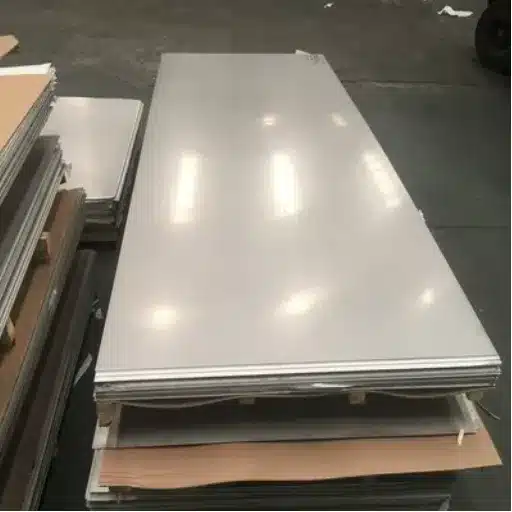
Differences Between 304, 316, and 430
The stainless steel grades 304, 316, and 430, while differing in their characteristics, are among the most commonly used in various industries and households because of their diverse applications. Understanding these differences is crucial for making informed material selection decisions.
Comprehensive Grade Comparison
| Feature | Grade 304 | Grade 316 | Grade 430 |
|---|---|---|---|
| Chromium Content | 18% | 16-18% | 17% |
| Nickel Content | 8% | 10-14% | None |
| Special Element | — | 2-3% Molybdenum | — |
| Steel Type | Austenitic | Austenitic | Ferritic |
| Corrosion Resistance | ● ● ● ● | ● ● ● ● ● | ● ● ● |
| Chloride Resistance | Good | Excellent | Fair |
| Cost Level | Moderate | Higher | Lower |
| Magnetic Properties | Non-magnetic | Non-magnetic | Magnetic |
| Best Applications | Kitchen, architectural | Marine, medical | Decorative, indoor |
Grade 304
The General Purpose Champion
Most common stainless steel grade, praised for exceptional corrosion resistance, durability, and affordability. Composed of 18% chromium and 8% nickel, making it highly durable in demanding environments. Extensively used in kitchens, chemical containers, and architectural fixtures.
✓ Best for everyday applications requiring reliable performance
Grade 316
The Premium Performer
Most notable for superior corrosion resistance due to addition of 2-3% molybdenum. Excels in marine, medical, and chlorine-rich applications where corrosion is a significant concern. Excellent resistance to pitting and crevice corrosion ensures longevity in difficult conditions.
✓ Best for harsh, corrosive environments
Grade 430
The Cost-Effective Option
Ferritic stainless steel with lower cost profile. Though corrosion resistance doesn’t match 304 or 316, its strong high-temperature oxidation resistance justifies use in indoor, decorative, and low-stress structural applications. Contains 17% chromium without nickel, accounting for lower price.
✓ Best for decorative and budget-conscious projects
Understanding these grade distinctions enables informed material selection. Grade 304 serves as the versatile general-purpose material, Grade 316 excels in corrosive environments, and Grade 430 provides cost-effective solutions combining aesthetics with adequate performance for less demanding applications.
Performance and Cost Comparisons
Comparing performance and cost across stainless steel grades requires consideration of both application requirements and environmental conditions. Each grade offers distinct advantages depending on the specific use case.
Value Analysis by Grade:
- Grade 304: Offers higher performance compared to many alternatives while maintaining competitive pricing, making it ideal for kitchen and general-use appliances. Represents the best balance of performance and value for most applications.
- Grade 316: Commands premium pricing but delivers exceptional performance in corrosive environments like marine and chemical industry applications. Despite higher initial costs, reduced maintenance expenses and extended longevity in harsh conditions justify the investment.
- Grade 430: Attracts interest for cost-conscious applications due to lower pricing. While less sought-after for critical applications, its aesthetic qualities and affordability make it valuable for decorative and household uses where extreme performance isn’t required.
Recent search trends reveal steady increases in queries related to “sustainability and cost-effectiveness” in materials, suggesting growing preference for Grade 430 in decor and household applications. Conversely, industries with high-performance material requirements remain loyal to Grade 316 despite advanced costs, valuing its durability and reduced maintenance expenses in corrosive environments. This exemplifies how weighing cost against performance demands guides the selection process for appropriate stainless steel grades.
Suitability for Different Applications
Selecting the appropriate stainless steel grade for specific applications requires thorough investigation into performance characteristics, environmental conditions, and financial considerations.
Application Selection Guide:
| Application Type | Recommended Grade | Key Considerations |
|---|---|---|
| Kitchen Equipment | 304 | Excellent corrosion resistance, food-safe, easy to clean |
| Medical/Hospital | 304 | Biocompatible, non-reactive, sterilization compatible |
| Marine Environments | 316 | Superior saltwater resistance, prevents pitting |
| Chemical Processing | 316 | Resists acidic chemicals, high chloride tolerance |
| Decorative/Indoor | 430 | Cost-effective, aesthetic appeal, adequate durability |
| Household Utensils | 430 | Budget-friendly, sufficient for normal household use |
| Architectural Features | 304 | Balance of appearance, durability, and cost |
| Industrial Equipment | 316 | Handles aggressive environments, long service life |
Analysis of search trends reveals Grade 304 is most searched and commonly used owing to flexibility and the optimal ratio of durability to affordability. Grade 316 appears prominently in searches for marine and industrial applications, confirming its superior resistance to corrosion in extreme environments including saltwater or acidic chemicals. Grade 430 attracts interest for budget-conscious applications where high strength or extreme environmental resistance isn’t necessary. These trends underscore how industries and consumers rely on data-driven strategies to achieve the best mix of material attributes with their particular requirements.
Frequently Asked Questions (FAQ)
❓ What types of finishes affect the price and delivery of 304 stainless steel sheets?
Finishes such as 2B and brushed significantly influence pricing due to their different processing requirements and surface characteristics. A 2B finish is standard for stainless sheets, providing a smooth, shiny surface perfect for hygienic applications, while a brushed finish offers aesthetic appeal with its distinctive linear grain pattern.
Additional processes like coating, polishing for aerospace or sanitary applications, and adding PVC protective layers increase handling and processing steps, thereby raising costs. Stock availability of specific finishes also determines lead times and affects whether custom cut-to-size work is needed. When requesting quotes, always specify the desired finish and any required annealing or passivation steps to receive accurate pricing for your sheet thickness and size requirements.
❓ How does sheet size and thickness (gauge) affect the price of 304 stainless steel sheets?
Sheet size and gauge are critical factors determining material costs and fabrication charges. Larger sheets like 48″ x 96″ or 60″ x 120″ typically cost more due to increased weight and handling requirements. Sheet thickness—ranging from thin sheet metal to thicker plate materials—impacts cutting methods, bend allowances, and weld preparation, all reflected in final quotes.
Thick plate offers superior strength for industrial and marine environments where corrosion resistance is paramount. If you need sheets cut to size, choosing laser cutting or precision shearing adds processing costs but reduces material waste. Suppliers typically maintain inventory of standard gauges, enabling price comparisons across different vendors and potentially faster delivery times.
❓ Is the 2B finish less costly than brushed or coated stainless sheet?
Yes, 2B finish is generally less expensive as it represents a standard mill finish produced during rolling and annealing, requiring minimal post-processing for most 304 sheet applications. Conversely, brushed finishes undergo additional mechanical surface work, while coatings or PVC films introduce extra material and labor costs, particularly for sanitary and decorative purposes.
Industrial applications like machinery panels or aerospace components may require precision surface control, increasing costs compared to stock 2B sheet. If weldability and post-fabrication bending are anticipated, inform manufacturers so sheets receive proper annealing to prevent cracking. Requesting samples or small cut-to-size pieces helps compare finish quality against price before placing larger orders.
❓ Can I get competitive pricing for 304 stainless steel plate or sheet stock that is cut to size?
Yes, most suppliers offer competitive pricing including both 304 stainless steel plate and sheet stock with cut-to-size options, laser cutting, and edge preparation services. The quote process accelerates when you provide exact dimensions, thickness (gauge), finish specifications, and any required machining for precision parts.
For high-strength structural applications or those requiring weld preparation for butt joints, specify weldability requirements and whether post-weld annealing or passivation is needed. Inventory availability for popular sizes like 4′ x 12′, 4′ x 48′, or 4′ x 120′ influences lead times and pricing, so verify stock and delivery schedules when requesting quotes. Comparing quotes with aluminum sheet options may be worthwhile when weight or cost concerns exist, though aluminum exhibits different corrosion properties compared to 304 stainless.
❓ How does corrosion resistance of 304 stainless sheet affect price for marine or industrial atmospheres?
304 stainless steel’s excellent corrosion resistance enables it to survive in numerous environments, consistently placing its price higher than less resistant metals and uncoated steel. In locations exposed to industrial atmospheres and moisture, 304 metal and sheets resist corrosion adequately for most uses, though challenging environments with high chloride content benefit from more expensive high-alloy grades.
Requirements for coatings, PVC protective films, or additional surface treatments to withstand harsh conditions increase total project costs. The austenitic structure of 304 provides very low magnetic properties—typically non-magnetic—making it suitable for sanitary and specific industrial machinery installations. When requesting quotes, mention the operating environment so suppliers can recommend appropriate material, finish, and any further processing like annealing or passivation.
❓ Are there standard stock sizes like 4′ x 60″ or 4′ x 96″ for 304 stainless sheets and plates?
Absolutely, suppliers typically stock standard sizes including 4′ x 48″, 4′ x 60″, 4′ x 96″, and longer plates such as 4′ x 120″, which maintains competitive pricing through economies of scale. Inventory levels determine whether orders ship immediately or require special ordering, directly affecting lead times and pricing.
For non-standard dimensions, cut-to-size services are available, though they may incur additional costs for laser cutting, deburring, or edge treatment. Material thickness and finish options vary by supplier, making sample requests valuable for verifying correct gauge before large purchases. Always ensure stock is properly annealed and certified for your intended purpose, especially for aerospace or sanitary installations where material certification is critical.
❓ How do magnetic properties and austenitic structure of 304 sheet matter for my project?
304 stainless steel is austenitic alloy and typically non-magnetic in annealed condition, which proves important for applications where magnetic interference must be minimized or for sanitary equipment where magnetic particle attraction is a concern. Cold working or heavy bending can introduce slight magnetism, so if magnetic properties are critical specifications, request material in appropriate condition and inquire about post-fabrication annealing.
The austenitic structure contributes to excellent weldability and formability, supporting precision fabrication and complex bends without sacrificing strength. For 304 sheet applications, non-magnetic nature combined with good resistance to corrosion in marine environments makes it the right choice for many projects. When soliciting quotes, specify any needs for magnetic testing or certification to ensure material meets your exact requirements.
❓ Should I consider aluminum sheet instead of 304 stainless for weight-sensitive or cost-sensitive projects?
Aluminum sheet is lighter and often less expensive per pound than 304 stainless, making it attractive for weight-sensitive applications, but it exhibits different corrosion behavior and typically lower strength. If corrosion in marine or aggressive industrial atmospheres concerns you, 304 stainless steel plate may be preferred because it offers superior corrosion resistance and higher strength for structural use.
Aluminum can be easier to bend and form but has different weldability characteristics and may require alternative joining methods, including mechanical fasteners or specialized welding. For sanitary or food-contact applications, stainless is often chosen for its non-reactive surface and ease of cleaning, while aluminum may require coatings or anodizing. Request samples and competitive quotes for both materials and include any required precision machining, coating, or handling and processing needs to make an informed decision.
Reference Sources
📚 Stanford University – Specialty Stainless Sheet & Strip Price Book
This comprehensive document provides detailed pricing information for stainless steel sheets, including 304 stainless steel, with specifications for coils and sheet skids. It serves as an authoritative reference for market pricing and material specifications.
Source: Specialty Stainless Sheet & Strip Price Book – Stanford University
🔬 MDPI – Deformation Measurement of SS304 Stainless Steel
This academic paper explores the properties and deformation measurement methods for SS304 stainless steel, offering valuable insights into its applications, characteristics, and performance under various conditions.
Source: Deformation Measurement of SS304 Stainless Steel – MDPI
Conclusion
Key Takeaways
Understanding 304 stainless steel sheet pricing requires consideration of multiple interconnected factors. From raw material costs and geopolitical influences to supply chain dynamics and finish specifications, each element plays a crucial role in determining final costs. This guide has provided comprehensive insights into these variables to help you make informed purchasing decisions.
✓ Material Composition Matters
The 18-20% chromium and 8-10.5% nickel content provides exceptional corrosion resistance and durability.
✓ Timing Your Purchase
First quarter typically offers the most favorable pricing due to lower demand periods.
✓ Quality Over Price
Balance cost considerations with quality standards, certifications, and supplier reliability.
✓ Know Your Grade
Choose between 304, 316, and 430 based on your specific application requirements and environmental conditions.
Final Recommendations
- Conduct Thorough Research: Use the information in this guide to understand market trends, pricing factors, and material specifications before making purchasing decisions.
- Verify Supplier Credentials: Always check for ISO certifications, customer reviews, and quality assurance processes when selecting suppliers.
- Request Detailed Quotes: Provide complete specifications including dimensions, thickness, finish, and any special processing requirements to receive accurate pricing.
- Consider Total Cost of Ownership: Factor in not just initial purchase price, but also longevity, maintenance requirements, and performance characteristics.
- Order Samples First: When possible, request samples to verify quality, finish, and gauge before committing to large orders.
- Stay Informed: Monitor industry news, supply chain updates, and market trends to identify optimal purchasing opportunities and anticipate price fluctuations.