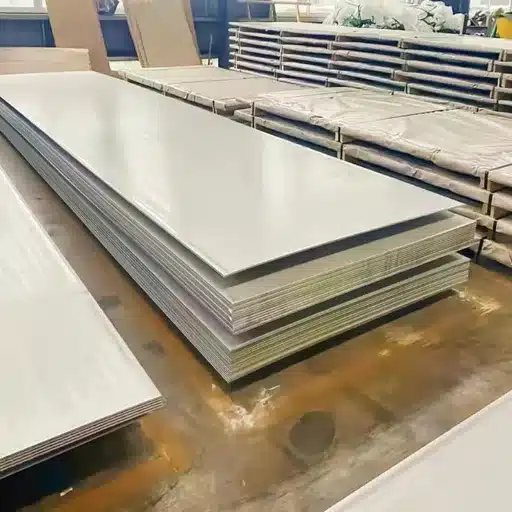
303 stainless steel sheets are usually the first choice for industrial and commercial projects when it comes to material selection. The excellent machinability, corrosion resistance, and durability of these sheets have made them a popular choice in different industries. But, at the same time, it can be difficult to know the factors that affect their prices, evaluate their quality and pinpoint the right applications for them. This blog post is going to offer you a complete guide to 303 stainless steel sheet prices that will not only inform your decision-making process but also give you hints on their unique requirements for your project. The content is such that this article will make it easy for both professional and non-professional users to get all the necessary information regarding this multipurpose material.
Overview of 303 Stainless Steel
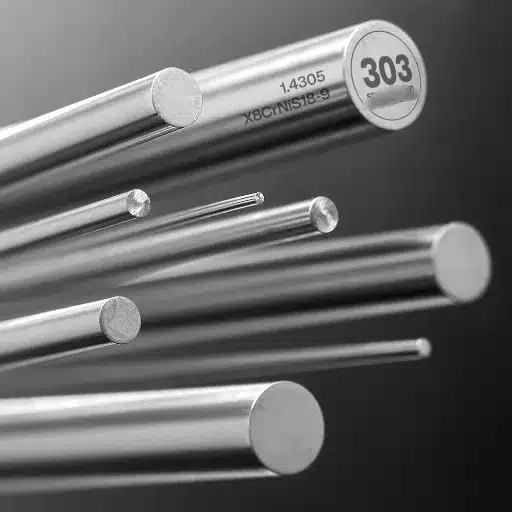
What Is 303 Stainless Steel?
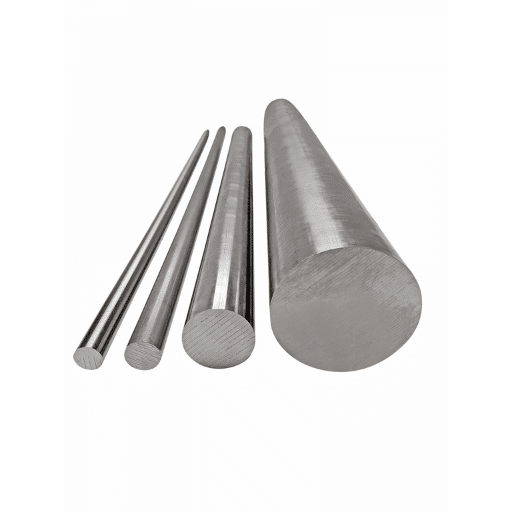
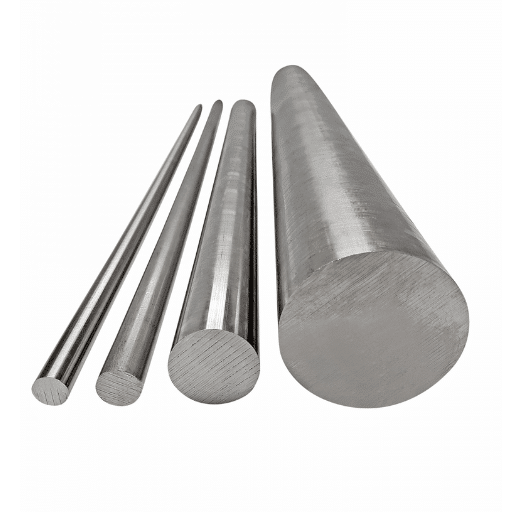
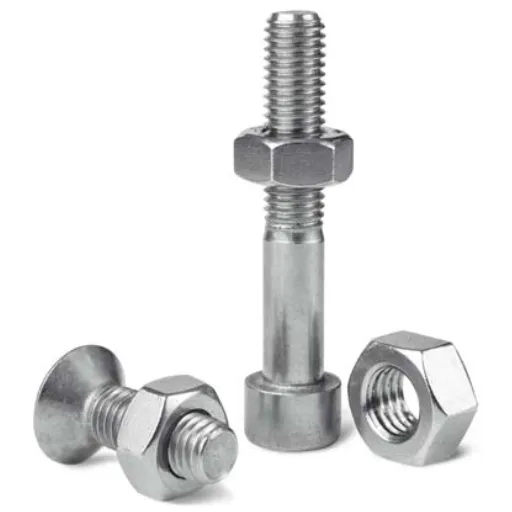
303 stainless steel is a non-magnetic, austenitic, and free-machining stainless steel alloy that is perfect for applications that needed good machinability and resistance to corrosion at the same time. Amongst its different attributes, sulfur is one, which, contrary to other stainless steel grades, makes its machinability better but at the same time reduces the corrosion resistance a little bit. This material is greatly utilized for producing screws, nuts, bolts, and precision-engineered components on account of its machinability and also strength retention under moderate conditions. The wide range of applications for 303 stainless steel is attributed to its outstanding properties, profiting the industry of air travel, cars, and not only in terms of durability and performance but also overall cost.
Key Properties of 303 Stainless Steel
303 stainless steel has several remarkable characteristics, which are:
🛡️ Corrosion Resistance
Though not as high as that of 304 and 316 grades, 303 is still capable of giving fair resistance against oxidation and other mild corrosion factors up to a certain limit, so it will be able to endure even exposure to neutral and mildly oxidizing environments.
⚙️ Ease of Machining
303 stainless steel has earned its reputation for excellent machinability. One reason for this is the addition of sulfur; the other is the non-stick nature of the material, which breaks chips quite easily, hence resulting in less wear and longer life for tools.
💪 Strength and Durability
It has a dependable tensile strength and durability which makes it suitable for components requiring moderate mechanical performance.
🔥 Heat Resistance
It can endure moderate temperatures without significant rise in the performance loss, the oxidation resistance being up to about 1700°F (927°C) in non-continuous service.
🧲 Non-Magnetic Properties
303 stainless steel is largely non-magnetic in the annealed state but might have minimal magnetic properties as a result of cold working.
The properties of ease of machining, strength, and resistance together allow 303 stainless steel to be utilized in various applications like precision engineering, fasteners, and general industrial usages delivering good performance across different sectors.
Comparison with Other Stainless Steel Grades (304, 316)
303, 304, and 316 stainless steels when compared with each other have different properties each of which is suitable for certain applications.
Selection Tip: The selection of one among the three, 303, 304, and 316 stainless steel depends on the compromise between resistance to corrosion, ease of machining, and the application’s environment for operation. Usually, designers and engineers choose the grade that provides the best possible balance of these factors in order to fulfill specific performance requirements.
Current Market Trends for 303 Stainless Steel Sheets
Price Fluctuations in 2023
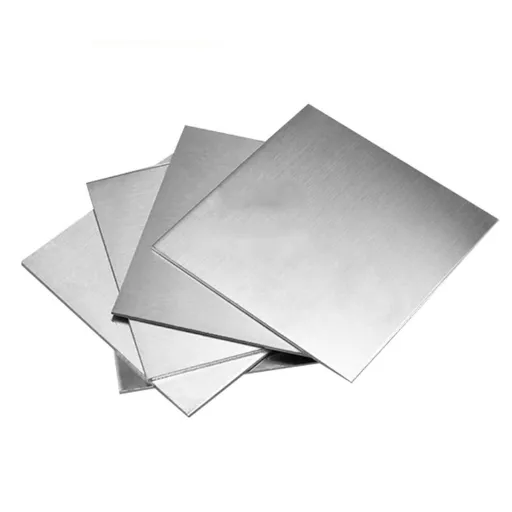
The prices of 303 stainless steel plates were not constant during 2023; they were affected by the global disruption of supply chains, shortage of raw materials, and demand fluctuations in various industries. According to the data, the prices reached their highest point in the first quarter when the manufacturing sector’s demand increased plus there were logistic delays. Nevertheless, by the end of the year, prices had come down gradually as the supply chains had gotten stabilized and the demand for non-critical applications had cooled off.
Search engine trends indicate that the high level of interest in the 303 stainless steel was caused by the industries looking for a cheap alternative for the high-machinability projects. The pricing estimates for the rest of the year indicate that there will be moderate stability, depending on political factors and industrial demands. It is essential for the companies to keep on watching the trends to get the best price for their 303 stainless steel.
Factors Influencing the Price of 303 Stainless Steel Sheets
Major factors that determine the price of 303 stainless steel sheets, combining industrial trends and insights derived from recent data analyzed, are the few that will be mentioned here.
Raw Material Costs
The price of raw materials, primarily nickel and chromium, considerably impacts the price of stainless steel. These two metals are the main components in the production of stainless steel, and when their supply is less than the demand, the price automatically goes up.
Supply Chain Issues
The global supply chain issue, which includes the constraints in shipping and the unavailability of resources, significantly affects pricing and availability.
Sector Demand
The demand for various sectors, such as automotive, construction, and manufacturing, can also lead to shifts in market dynamics.
Political Factors
Trade policies and tariffs create a dynamic landscape for pricing and must be carefully monitored.
Latest trends data show that there has been an increase in searches for terms such as “cost of 303 stainless steel” and “stainless steel sheet suppliers,” which are good indicators of the rising demand coming from industries that require high machinability and corrosion resistance. This demand situation together with political factors are what causes a dynamic landscape for pricing. Companies that want to get the best pricing should not only be aware of market developments but also of the trends in search behavior.
Global Demand and Supply Dynamics
Key Question: What are the main reasons behind the fluctuations in the global demand and supply of stainless steel?
According to search trends, the interest in stainless steel products is closely linked to the growth of the construction, automotive and manufacturing industries. The areas where urbanization and infrastructure development are going on rapidly, especially in Asia and some parts of South America, are showing higher demand for stainless steel sheets and pipes through their increased search inquiries. On the supply side, factors such as the production capacity and the availability of raw materials like nickel and chromium directly affect the global output. The increase in the searches about “stainless steel shortages” and “price hikes” reveals the difficulties that the market is growing through, reinforcing the necessity for companies to monitor these digital signals in order to remain competitive.
Understanding the Pricing of 303 Stainless Steel Sheets
How Thickness Affects Pricing
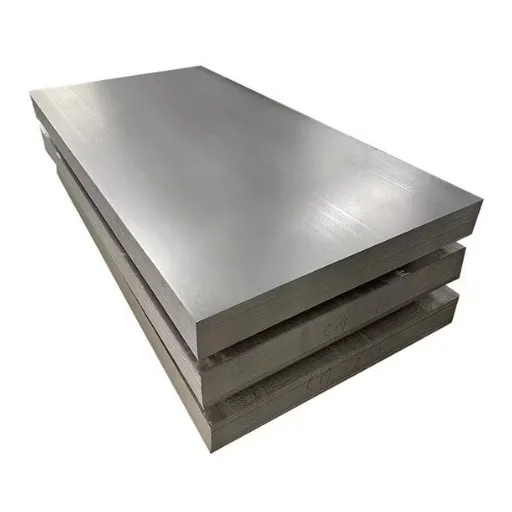
The thickness of the 303 stainless steel sheets is a significant factor that directly affects their prices. The production cost of thicker sheets is more due to the larger quantity of raw materials and energy used in the process, and so is the market price. However, thinner sheets are cheaper to manufacture, though there might still be some cost involved to cover precise machining or further processing for specific applications.
The most recent information indicates that there is a considerable rise in the number of searches for terms “thin stainless steel sheets” and “thick steel sheets costs.” This tendency is in line with the increasing need for customized industrial and architectural solutions, where thickness is a deciding factor for both functionality and cost-effectiveness. It is crucial for the companies and consumers to evaluate their exact needs and to weigh thickness options very carefully, as even small differences can have a measurable influence on project budgets and timelines.
Impact of Processing Methods on Cost
The methods of processing stainless steel sheets, whether thick or thin, are very important in deciding their total cost. Cold rolling or hot rolling processes can affect not only the surface finish and structural properties of the material but also its price. Usually, the processing of thin stainless steel sheets necessitates higher precision, which can result in increased labor and machinery costs. It is, however, the case that, though thick sheets might be less likely to require precise measurings, they can end up having higher base material costs and demand for heavy, energy-consuming machines to manufacture.
Data combined with recent trends have shown that inquiring for cost-effective solutions, specially tailored to their project needs, is now a major concern among buyers. The case is, for instance, that searches for “cost-effective processing of stainless steel sheets” and “budget-friendly stainless steel manufacturing methods” indicate a strong interest in quality versus affordability. One can conclude that to know how much overall costs are impacted by processing methods, it is necessary to consider project requirements, surface finish demands, and the thickness of the material. Businesses can then cost-effectively align these aspects to the most efficient processing methods thus balancing cost and performance, and providing their investment with value.
Evaluating Quality and Its Effect on Price
The initial thought of the correlation between quality and price is that the higher the quality the more expensive it is due to advanced processing technologies, premium materials, or strict quality control measures. The search trend data revealed a rising curiosity about terms like “cost-effective manufacturing” and “high-performance materials.” This indicates that consumers are increasingly aiming for a compromise between durability and price.
When the question of how to measure quality’s impact on price is presented, it is necessary to take into account the particular industry standards and the customers’ expectations. A thorough comparison of performance metrics and cost per unit can lead to a conclusion about whether the extra cost is compensated by the long-term benefits. For example, stainless steel that has superior resistance to corrosion and has a polished surface may be sold at a higher price, yet it is still very much worth the money because of the low cost of maintenance or replacement in areas where the conditions are harsh. The situation described above shows that price-quality trade-off is facilitated through strategic decision-making that is grounded on current market analysis and user preferences.
Tips for Purchasing 303 Stainless Steel Sheets

💡 Essential Purchasing Guidelines
Follow these expert tips to ensure you make informed purchasing decisions for your 303 stainless steel sheet needs.
📋 Evaluating Quality Certifications
The assessment of 303 stainless steel sheets cannot be complete without quality certifications being verified first, as these are needed to prove that the material meets the required standards and performance expectations. Certifications like ISO 9001 should be looked for, since they show that the manufacturer is following very strict quality management systems. Furthermore, certifications such as ASTM (American Society for Testing and Materials) imply that the material meets the requirements for durability, corrosion resistance, and mechanical properties that are specific to the industry. This implies that the stainless steel sheets are not only acceptable for their intended use but also comply with international standards.
🔍 Assessing Supplier Reliability
One can begin by looking through customer reviews and ratings to see how satisfied the customers are and how consistent the service is. Moreover, check for certifications, accreditations, and industry affiliations that can either support or contradict the supplier’s credibility. Identifying trends of reliability or any red flags can be done through the analysis of search trends and comparison of information from various sources. The method guarantees that your selected supplier meets the required standards for quality and performance in your specific industry.
💰 Understanding Bulk Pricing Discounts
The bulk pricing discounts represent a strategic advantage to both the suppliers and the buyers, as they are able to maintain high sales volume and at the same time reduce costs. Generally, these discounts are given when large quantities of goods are purchased, and hence, they drive the businesses to order in bulk rather than smaller and more frequent purchases. Businesses should find out the market trends and at the same time compare the pricing structures of several suppliers. Check the discount breakdown for transparency and this will include information on the discount thresholds and other benefits like free shipping.
Key Consideration
It is important to think about the overall value that is more than just the immediate discount, like product quality, reliability, and supplier reputation. By doing so, you will be able to make informed purchasing decisions and get the best deals that genuinely match your business needs and objectives.
Identifying the Best Deals for 303 Stainless Steel Sheets
Supplier and Price Comparison
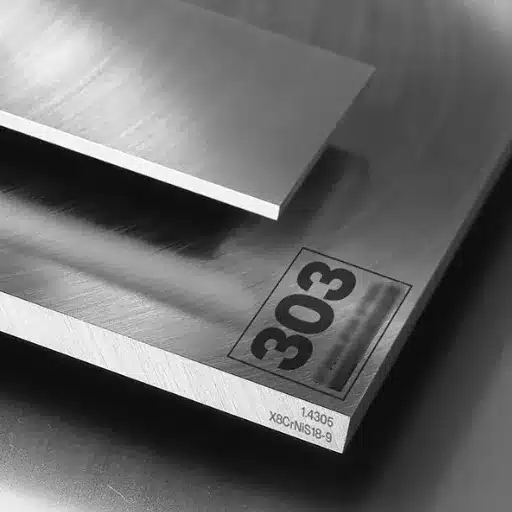
If you want to buy the best quality 303 stainless steel sheets at the lowest price, recent data will give you a huge advantage. First of all, suppliers should be compared according to their price, delivery options and reputation. Search tools facilitate the finding of user reviews, supplier ratings, and testimonials that give hints of customer satisfaction and dependability. Furthermore, price comparison tools or marketplaces made visible in the search results can be used to effectively gauge competitive pricing.
Comparison Checklist:
✓
Transparent pricing policy including bulk discounts
✓
Clear payment terms and conditions
✓
Reasonable lead times and shipping costs
✓
Positive customer reviews and testimonials
Customer Reviews Reading
The combination of customer reviews and the freshest data from search engine results is a thorough and exhaustive method for product/service evaluation. Customer feedback analysis and current information processing give the answer to such critical questions as “Does this supplier always deliver good quality?” or “Is this product giving me trouble again and again?” Reviews usually mention such aspects as product quality, delivery times, and customer service while search results can provide more insights like current industry standards or alternatives. In this way, both resources combined empower customers to make wise choices that match their needs and expectations.
Shipping Costs and Lead Times Assessment
If you plan to evaluate shipping costs and lead times, the combining of supplier reviews with the latest data will give you the most thorough understanding possible. For example, if your question is, “Does this supplier have both competitive shipping rates and reasonable delivery times?”, online reviews could give firsthand customer accounts about delays or extra charges that were not mentioned beforehand. At the same time, a search might reveal existing shipping patterns, worldwide logistics bottlenecks, or even comparative placing from other suppliers. This comprehensive strategy not only makes sure that you are dealing with pricing and speed but also gives you the confidence of the reliability of your selected supplier.
Applications of 303 Stainless Steel Sheets
🏗️ Construction and Architecture
303 stainless steel sheets are greatly renowned to be used in architectural and construction sectors for their excellent machinability and corrosion resistance. Along with these attributes, they are really good at making intricate components, e.g. bases, panels for decorative purposes, railings, and supporting structures, which often require skilful cutting of a material. Moreover, the capacity to endure environmental pressures and being constantly surrounded by moisture make them a perfect choice not only for covering but also for internal applications. This metal goes hand in hand with the latest eco-conscious architectural styles, since it is very strong and can be recycled.
🍽️ Food Processing Industries
Despite being so excellent in so many aspects, the metal won’t lose its significance in food processing industry as it possesses all the good qualities along with being non-toxic. Thus, aluminum sheets have become indispensable in the food industry since their major use is in the production of packaging materials like foils, cans, and containers whose main purpose is to keep food safe and fresh altogether during storage and transport. Besides that, the packaging created from aluminum is lightweight, totally recyclable, and thus, aligning with the industry’s sustainability objectives, making it the most popular choice for eco-friendly packaging solutions.
⚙️ Manufacturing and Industrial Applications
The range is not limited to packaging only, but can also be used for other manufacturing and industrial sectors. Recent trends indicated that there is a growing interest in the area of durable yet light materials in construction, automotive, and aerospace industries. This trend makes it clear that materials with strength-to-weight ratio, corrosion resistance, and recyclability together are the ones for the future. The benefits of reducing production costs, improving energy efficiency, and attaining the goal of going green are the main reasons for it.
Frequently Asked Questions (FAQ)
❓ What does the cost of 303 stainless steel plate material reach and in what way does the metal grade influence the price?
The cost of 303 stainless steel plate material is a function of metal grade, market demand, and alloy composition, with 303 usually quoted at a price higher than the basic stainless steel because of its sulphur content being an attribute for machinability. However, the buyers wanting to purchase 303 material should be mindful that availability in stock and width can be significant factors in per-unit cost and lead times. The corrosion-resistance properties of 303 are moderate when compared to 304L, thus the specification of corrosion-resistance will determine the price. Forming properties and weldability are among the factors for fabricated product costs because the extra prep or machining raise expenses. The most accurate current pricing can be obtained by requesting quotes from suppliers and checking their compliance with ASTM standards.
❓ How does the difference in stainless steel plate stock and the processing of hot rolled vs. cold rolled affect the price of 303 stainless steel plate?
The stock of steel sheet that has been processed using the hot rolling method is usually cheaper compared to the cold rolling method, notwithstanding that hot rolling produces a rougher surface which probably needs additional machining. When it comes to 303 stainless steel, the machinability is superb but the requirements for the finishing of the product for aesthetic purposes or if the dimensions are strict will add to the cost. When ordering plates from distributors, always consider that the custom widths and thicknesses will affect the price and the time until the products are ready. Suppliers usually provide an ASTM standard and also stock availability which is advantageous for making a comparison of the options. If a corrosion-resistant finish or specific mechanical properties are required, be prepared for additional costs for the treatments or tighter tolerances.
❓ Can I have custom 303 stainless steel plate sizes made for me and what factors will affect the final quote?
Yes, you can have 303 stainless steel plates cut to your desired size and thickness, but these custom orders are generally more expensive because of cutting, handling, and possible minimum order requirements. The quote you receive will depend on the width and thickness of the plate, the finish you want, and if you require additional machining, forming properties adjustments, or control of the tolerance. Also, suppliers will take into account the current metal stock levels and whether they will be required to source new material; this will affect both the lead time and the price. Moreover, if welding requirements or tests for chemical compatibility such as nickel are necessary, then certification can add to the overall cost. Always mention the intended use and any ASTM or ss standards to get an accurate quote.
❓ The question arises whether 303 stainless steel plate is corrosion-resistant enough to be compared with 304l in certain chemical environments?
303 stainless steel plate possesses a certain degree of corrosion resistance in soiled air, but it usually succumbs to the attack of 304l under corrosive chemical environments because 304l is more enriched in chromium and sulfur is reduced. The 304l grade is most oftentimes the choice if not otherwise specified and machinability, as well as toughness, are the issues, however, the cost and usage of superb machinability 303 stainless steel plate can be lowered. Be sure to ask for material certification if corrosion resistance is the main concern and consider the use of other grades. Come to an agreement with the supplier regarding the chemicals involved and the lifespan needed, and confirm the ASTM standards. A proper selection tilts the balance towards corrosion resistance, forming characteristics, and weldability suitable for the particular application.
❓ What is the extent of the impact of mechanical properties, such as toughness and weldability, on the pricing of 303 stainless steel plates?
Mechanical properties, amongst which toughness and weldability, influence price to the extent that higher performance in material is required to be tested and controlled strictly, thus raising costs. The excellent machinability of the 303 stainless steel plate is the main reason for its choice, but its toughness is lower, and it is less suitable for structural welding than some other stainless steel grades. If your product requires further toughness or post-weld heat treatment, these operations will surely add to the billing. Suppliers are willing to provide ASTM-certified mechanical properties test reports on demand. Also, be sure to consider the costs for additions to fabrication, inspection, and certification when preparing a budget.
❓ Where to get 303 stainless steel plate or bar and what effect does stock availability have on product pricing?
Metal distributors, online suppliers, and local service centers are the places to purchase 303 stainless steel plate or bar, and stock availability plays a pivotal role in pricing and delivery times. The price of 303 stainless steel plates and the delivery times are usually favorable if the supplier has the material in stock, while special orders or unusual sizes will have the opposite effect. It is wise to get quotes from different suppliers and check their reliability, and inquire whether the price includes products from known sources. Think through whether you require bar or sheet, along with any finishing that may change the total price. Requesting a comprehensive quote inclusive of shipping and handling eliminates the chances of surprises down the line.
Reference Sources
- High-Temperature Characteristics of Stainless Steel – Stanford University
This document provides detailed data on the properties and performance of stainless steel, including 303, under high-temperature conditions.
- Material Overview – Purdue University
This resource includes a comprehensive listing of stainless steel grades, including 303, with details on their composition and applications.
- Stainless Steels for Machining – Nickel Institute
This guide highlights the machinability of 303 stainless steel, emphasizing its efficiency in high-production environments and its ability to maintain critical tolerances.